








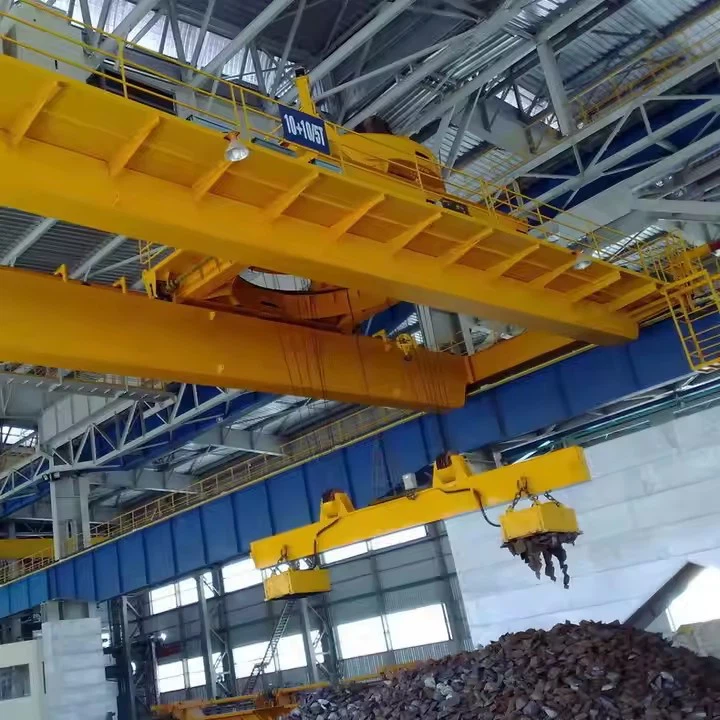


QC Manget Double Girder Overhead Crane
Products Description
What is a QC Magnet Double Girder Overhead Crane?
A QC Magnet Double Girder Overhead Crane is a heavy-duty, top-running overhead traveling crane, built for very severe duty cycles (QC Class), that is specifically engineered to operate with a powerful electromagnet as its primary lifting device. It is a complete, integrated system for handling ferrous materials with extreme efficiency.
Think of it as the ultimate automated lifting solution for steel and scrap yards, combining the immense strength of a QC-class double girder crane with the instant-loading capability of an electromagnet.
Advantages
Extreme Efficiency: Eliminates the need for slings, hooks, or chains. The magnet attaches and releases from the load instantly, drastically reducing cycle times.
Handles Difficult Loads: Ideal for moving loose scrap, a single steel plate from a stack, or other items that are hard to sling.
Reduced Labor Costs: One operator can manage the entire loading/unloading/stockpiling process without a ground crew.
Minimal Load Damage: The magnetic field applies even pressure, avoiding scratches and distortions caused by mechanical grapples or hooks.
Built for Demanding Environments: The QC-class structure and components ensure reliability and uptime in the harshest conditions.
Limitations and Critical Considerations
Exclusive to Ferromagnetic Materials: Only works on magnetic materials like iron and steel. It will not work on aluminum, stainless steel (most grades), or other non-ferrous metals.
High Energy Consumption: The electromagnet and its power system consume substantial electricity.
Inherent Safety Risk: The primary hazard is a power failure leading to a dropped load. The Battery Backup Unit is essential and must be rigorously maintained.
Residual Magnetism: Can cause the load to not release cleanly. Advanced controllers have a "reverse current pulse" feature to counteract this.
Summary: The Ferrous Material Master
A QC Magnet Double Girder Overhead Crane is a high-capacity, high-efficiency bulk handling system for ferrous materials. It is not a general-purpose crane but a specialized piece of process equipment designed to automate and streamline the movement of steel and iron. Its QC double girder design is non-negotiable for the severe duty, high capacity, and lifting height required to make magnetic operations both productive and safe.
Core Components:Bearing, Gearbox, Motor, Pump
Place of Origin:Henan, China
Warranty:1 Year
Weight (KG):2000 kg
Video outgoing-inspection:Provided
Machinery Test Report:Provided
Design:Double beam
Effectiveness:high efficiency
Operating speed:High speed operation
Stability:Anti-swing function
Color:Optional
Power Source:110V/220V/230V/380V/440V,customized
Span:7.5-31.5m

Pictures & Components
Here is a detailed breakdown of the components of a QC Magnet Double Girder Overhead Crane.
1. Primary Structural System (The Backbone)
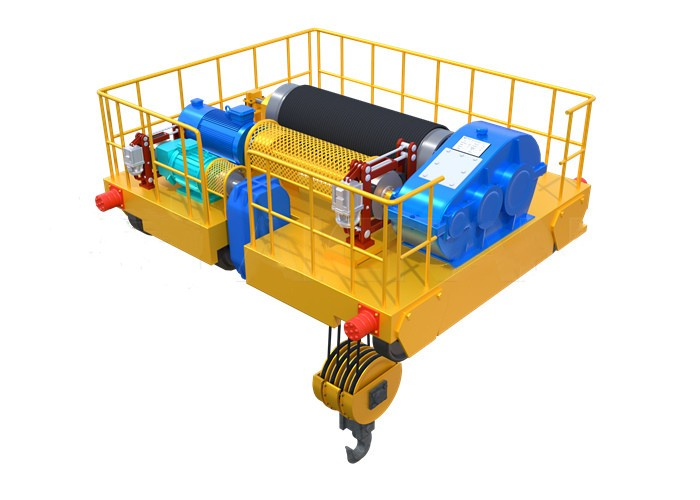
Double Box Girders: The primary horizontal beams, fabricated from thick steel plate into box sections. This design provides superior strength, torsional rigidity, and resistance to bending under the dynamic loads of magnetic lifting.
End Trucks: The structures at each end of the bridge that house the wheels, axles, and bridge travel drive mechanisms. Built to withstand the crane's total weight plus dynamic loads.

Runway System:
Runway Beams: Heavy I-beams or box sections supported by building columns.
Running Rails: Steel rails mounted on top of the runway beams.
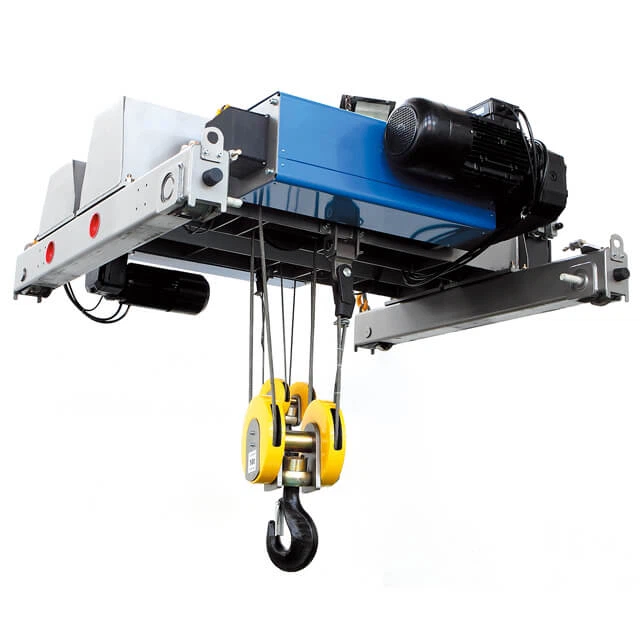
Top-Running Trolley: The trolley runs on rails on top of the main girders, providing maximum hook height for the magnet.
 |
 |
2. Magnetic Lifting System (The Core Technology)
Electromagnet:
Construction: Massive steel shell with soft iron cores and heavy copper windings.
Lifting Eyes: For connection to the hoist ropes.
Operation: Creates a powerful magnetic field when energized with DC current.
DC Power Supply System:
Thyristor Rectifier: Converts AC power to controlled DC power for the magnet.
Motor-Generator Set: Alternative DC power source (older systems).
 |
 |
Cable Reel:
Function: Manages the flexible power cable between crane and magnet.
Types: Motor-driven or spring-driven reels.
Battery Backup Unit (BBU):
Critical Safety Component: Automatically provides emergency power to the magnet during main power failure.
Function: Prevents catastrophic load drops.
3. Hoist & Drive Systems (The Muscles)
Severe-Duty Main Hoist:
Hoist Motor: High-torque, high-duty cycle motor (Class M7/M8).
Gearbox: Heavy-duty reduction gearing.
Wire Rope Drum: Precision-grooved for multiple rope layers.
Disc Brakes: Primary and secondary braking systems.
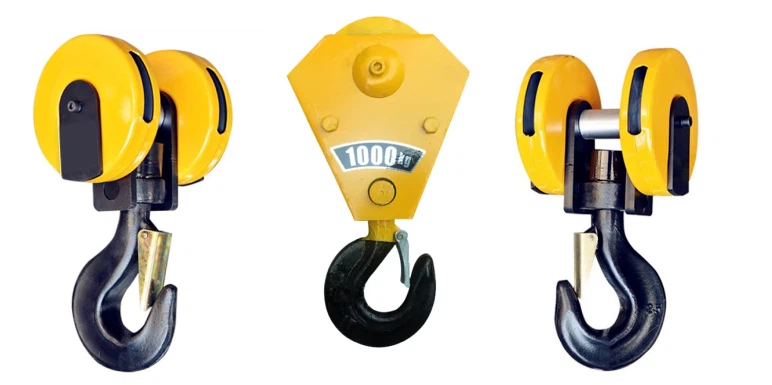
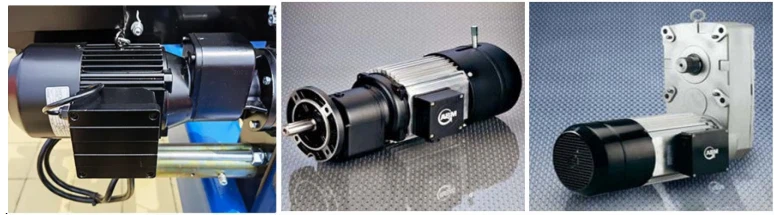
Trolley Travel Drive:
Drive Motor: Electric motor with gearbox.
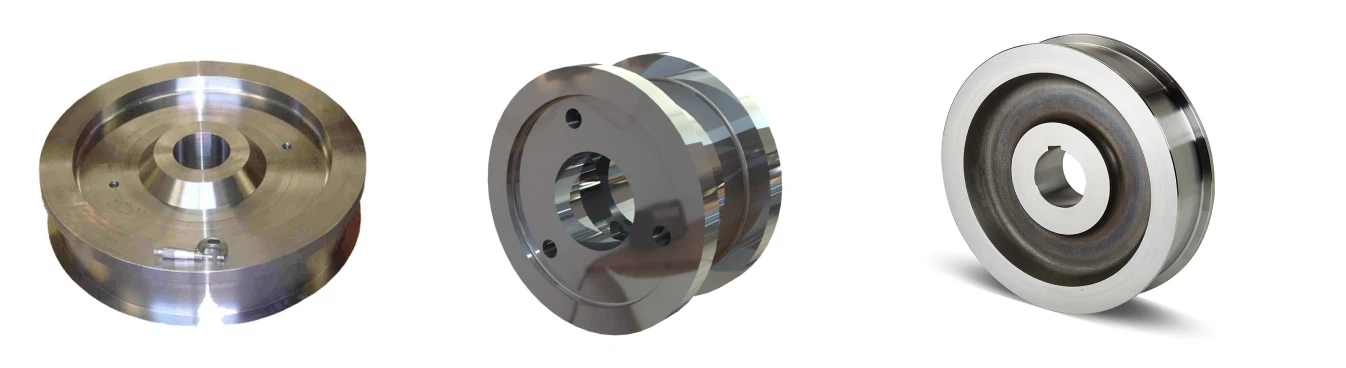
Trolley Wheels: Flanged wheels running on girder rails.
Bridge Travel Drives:
Drive Motors: Synchronized motors on each end truck.
Travel Wheels: Large diameter, forged steel wheels.

4. Control & Safety Systems (The Brain & Nerves)
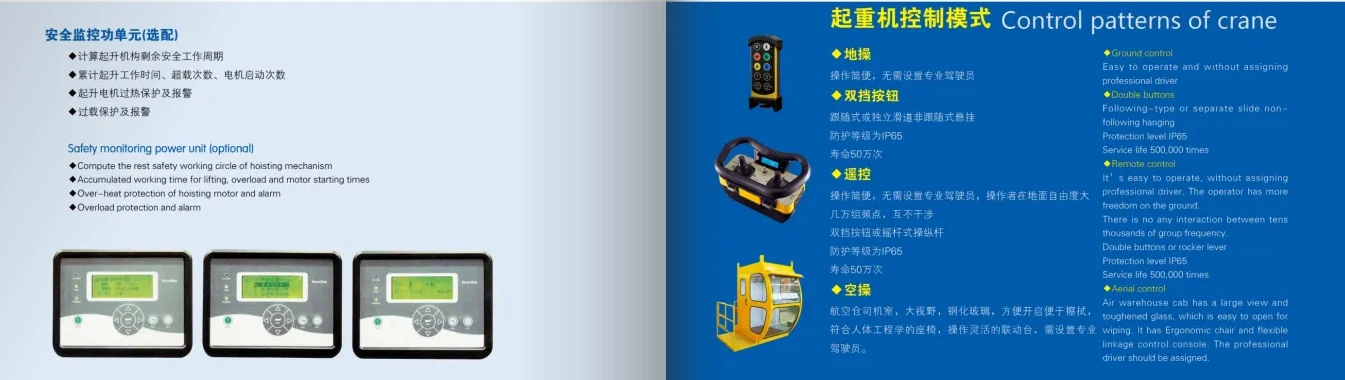
Operator Control Systems:
Radio Remote Control: Primary control method for optimal visibility.
Operator's Cab: Alternative control station with full instrumentation.
Magnet Control System:
Specialized Controller: Manages magnetizing/de-magnetizing cycles.
Current Regulation: Precisely controls magnetic strength.
Safety Systems:
Load Moment Indicator (LMI): Monitors load weight and prevents overloads.
Limit Switches: Hoist upper/lower limits, travel limits.
Emergency Stop Systems: Multiple E-stop buttons.
Anti-Collision Systems: For multiple crane operations.
Thermal Protection: For magnet and electrical components.

5. Electrical & Power Distribution
Main Control Panel:
Programmable Logic Controller (PLC): System brain.
Variable Frequency Drives (VFDs): For smooth motion control.
Contactors and Relays: Power distribution.
Power Supply:
Conductor Bar System: Main power delivery along runway.
Festoon System: Alternative cable management system.
Sketch

Main technical

Advantages
Advantages of QC Magnet Double Girder Overhead Crane
This integrated system offers transformative benefits for handling ferrous materials, combining the strength of a severe-duty crane with the efficiency of magnetic lifting.
1. Unmatched Operational Efficiency
Instantaneous Cycling: The magnet attaches and releases loads in seconds, eliminating the time required to rig slings, hooks, or chains. This dramatically increases the number of cycles per hour.
Automated Handling: The process of picking up and dropping magnetic materials is seamless and requires no physical intervention from ground personnel.
2. Superior Strength and Reliability
Built for Severe Service: Rated for M7 (Very Severe Duty) or M8 (Continuous Duty) cycles, meaning it is engineered for 24/7 operation under the most demanding conditions, such as steel mills and scrap yards.
Robust Construction: The double box girder design provides exceptional rigidity and strength, capable of handling heavy loads and the dynamic forces associated with magnetic lifting.
3. Enhanced Safety
Operator Distance: With standard radio remote control, the operator can position themselves in the safest location, away from the load path and potential hazards.
Battery Backup Unit (BBU): This critical safety feature prevents catastrophic load drops by automatically providing power to the magnet in case of a main power failure.
Reduced Manual Handling: Eliminates the dangers associated with workers attaching and detaching rigging near heavy loads.
4. Exceptional Versatility
Handles Various Loads: Can efficiently lift a wide range of ferrous materials, including:
Loose Scrap: Fragmented and bushy scrap.
Steel Plates: Single or multiple sheets.
Coils and Slabs: With appropriate magnet design.
Structurals: Beams, channels, and reinforcing bar.
Difficult Load Capability: Excels at tasks that are challenging for hooks, such as lifting a single steel plate from a stack.
5. Cost-Effectiveness and High ROI
Drastic Labor Reduction: One operator can manage the entire loading, unloading, and stockpiling process, eliminating the need for a rigging crew.
Reduced Product Damage: The magnetic field applies even, non-marking pressure, avoiding the scratches and distortions caused by chains or grapples.
High Throughput: The speed of cycling significantly increases material movement, improving overall operational throughput and return on investment.
Application:
Applications of QC Magnet Double Girder Overhead Crane
This crane is an indispensable asset in industries that process large volumes of iron and steel.
1. Scrap Metal Recycling Yards
Primary Application: This is the quintessential environment for this crane.
Use Cases:
Unloading ferrous scrap from trucks and railcars.
Sorting and moving scrap within the yard.
Charging scrap into shredders, balers, and shears.
Loading processed scrap for shipment.
2. Steel Service Centers and Warehouses
Use Cases:
Handling and stacking steel plates, sheets, and coils.
Loading and unloading trucks and railcars.
Feeding processing lines (e.g., laser cutters, press brakes).
3. Foundries and Steel Mills
Use Cases:
Charging Crane: Loading scrap metal, pig iron, and other ferrous raw materials into melting furnaces.
Transfer Crane: Moving hot materials (using special high-temperature magnets) between processes.
4. Ports and Terminal Operations
Use Cases:
Unloading steel products (coils, plates, structurals) from ships.
Loading steel for export.
Handling bulk ferrous scrap in port-side recycling facilities.
5. Heavy Fabrication and Shipbuilding
Use Cases:
Moving large steel plates for cutting and welding.
Handling fabricated sections during the assembly process.
Crane production procedure
The production process for an Electric Overhead Bridge Crane is a systematic sequence of engineering, fabrication, assembly, and testing. Here is a detailed breakdown.
Stage 1: Design & Engineering
This is the foundational stage where the crane's performance and safety are defined.
Client Requirements Analysis: Reviewing key parameters: capacity, span, lifting height, duty cycle, and operational needs (e.g., control method, special features).
Structural & Mechanical Design:
Structural Analysis: Calculating loads and stresses to determine the appropriate girder size and type (single/double, I-beam/box girder).
Component Selection: Specifying the hoist, trolley, drive motors, wheels, and gearboxes.
Electrical Design: Creating schematics for power supply, motor controls, and safety circuits.
Bill of Materials (BOM) Creation: Listing all raw materials and purchased components.
Stage 2: Material Procurement & Preparation
Procurement: Sourcing steel beams, plates, and purchased components (hoists, motors, electrical gear).
Material Preparation: Steel components are cut to length using saws or CNC plasma cutters. Holes are drilled or punched for bolts and connections.
Stage 3: Structural Fabrication & Assembly
This is where the crane's frame is built.
Girder Fabrication:
For I-beam girders: Preparing and reinforcing standard I-beams if necessary.
For box girders: Cutting web and flange plates, welding them together with internal stiffeners.
End Truck Fabrication: Constructing the end trucks that house the wheels and drives.
Welding: All structural connections are welded by certified welders. Critical welds may be inspected via ultrasound.
Machining: Machining mounting surfaces for rails and drives to ensure proper alignment.
Stage 4: Mechanical Assembly
The structural frame is combined with the mechanical systems.
Bridge Assembly: The main girder(s) are connected to the end trucks, forming the complete bridge structure.
Wheel & Axle Installation: Wheels are mounted to the end trucks. Axles and drive components are installed for powered travel.
Trolley Assembly: The trolley frame is built, and wheels are attached. The hoist unit is then mounted onto the trolley frame.
Hook Attachment: The hook block is attached to the hoist's wire rope or chain.
Stage 5: Electrical & Control System Installation
Wiring: Electrical cables are run along the crane structure to the travel motors, hoist motor, and control points.
Control System Installation: The pendant control station or radio receiver is installed and wired. Control panels with contactors and overload protection are mounted.
Power Supply Setup: Installation of the festoon system or conductor bars for power delivery.
Safety Devices: Installing and wiring limit switches, emergency stops, and overload protection devices.
Stage 6: Pre-Delivery Testing & Inspection (FAT)
The fully assembled crane is tested to ensure it meets all specifications and safety standards.
Visual Inspection: Checking for workmanship, proper welding, and correct assembly.
No-Load Test: Operating all motions (hoisting, trolley travel, bridge travel) without a load to check for smooth operation and abnormal noise.
Load Testing:
Static Load Test: Lifting a test load of 125% of the rated capacity and holding it to verify structural integrity and brake holding capacity.
Dynamic Load Test: Lifting 110% of the rated capacity and running it through all motions to ensure performance under working conditions.
Safety Function Test: Verifying the operation of all limit switches, brakes, E-stops, and overload protection devices.
Stage 7: Dismantling, Painting & Packaging
Dismantling: The crane is partially disassembled into logical sections (girders, end trucks, trolley) for shipping.
Painting: All components are painted with a primer and topcoat for corrosion protection.
Packaging: Components are securely packaged, with special attention to protecting machined surfaces, threads, and electrical components.
Stage 8: Site Installation & Commissioning (SAT)
Site Erection: The crane is reassembled on the customer's runway.
Final Connections: Electrical power is connected, and final checks are made.
Site Commissioning & SAT: The crane undergoes a final operational test in its actual working environment.
Operator Training: The customer's operators are trained on safe and efficient use.
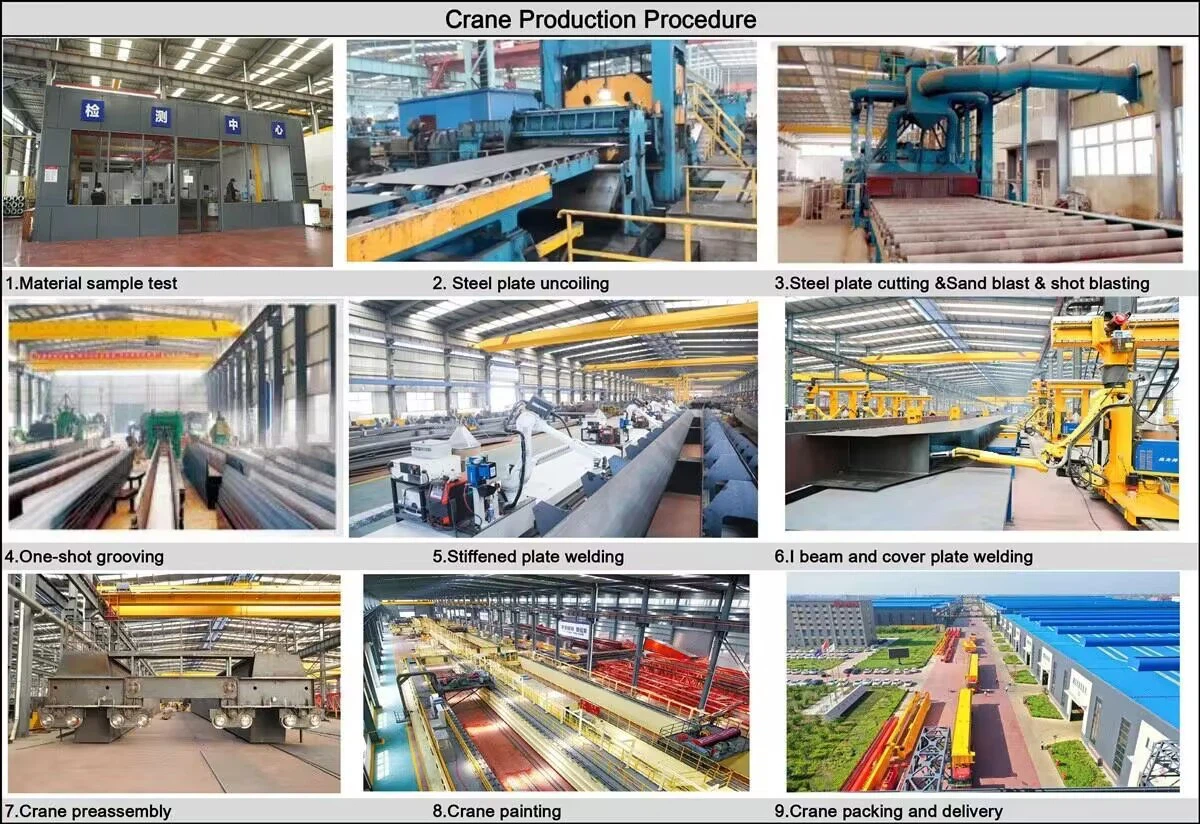
Workshop view:
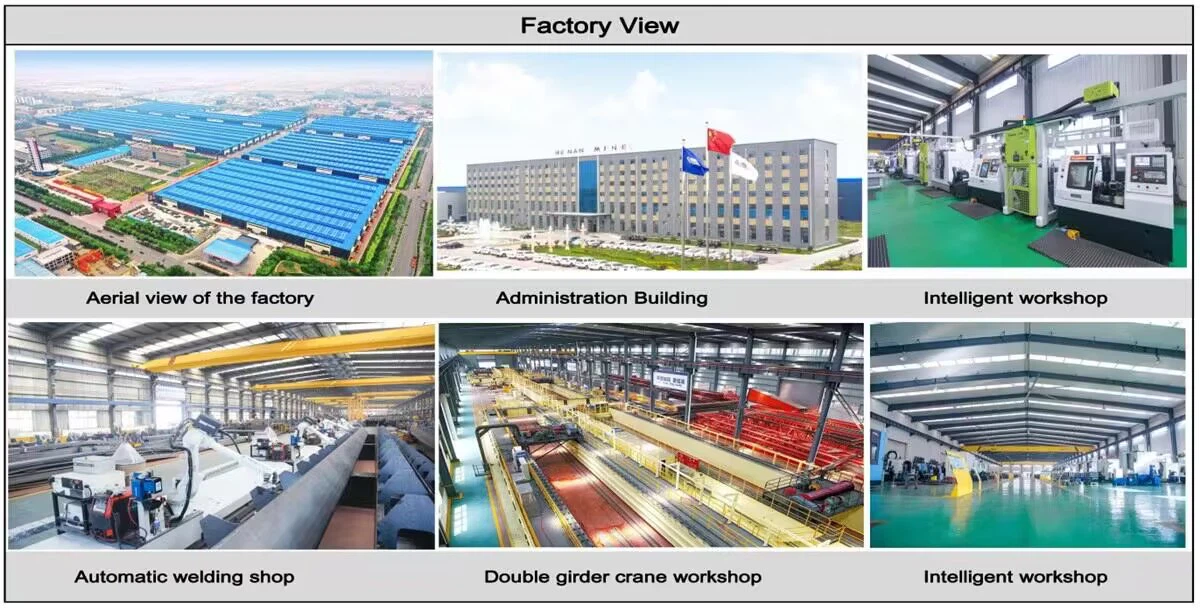
The company has installed an intelligent equipment management platform, and has installed 310 sets (sets) of handling and welding robots. After the completion of the plan, there will be more than 500 sets (sets), and the equipment networking rate will reach 95%. 32 welding lines have been put into use, 50 are planned to be installed, and the automation rate of the entire product line has reached 85%.


Hot Tags: qc manget double girder overhead crane, China qc manget double girder overhead crane manufacturers, suppliers, factory, Double Girder Overhead Crane, Double Girder Overhead Travelling Crane
You Might Also Like


Send Inquiry