










Lx Suspension Overhead Crane
Products Description
What is an LX Suspension Overhead Crane?
An LX Suspension Overhead Crane (also known as an Under-running or Under-sluing Crane) is a type of light-duty overhead crane where the end trucks and bridge are suspended from and run along the bottom flanges of the runway beams, which are typically supported by the roof structure of the building.
Think of it as a crane that "hangs" from the ceiling, making it an ideal solution for facilities where floor space is limited and a top-running crane's supporting columns are not feasible.
Advantages of LX Suspension Overhead Cranes
Maximizes Floor Space: The most significant advantage. It eliminates the need for floor-mounted columns, keeping the entire floor area clear for other uses.
Cost-Effective: Generally less expensive to purchase and install than top-running cranes, as it uses lighter components and the building's existing roof structure for support.
Easy Installation & Relocation: The modular design makes it relatively quick to install. It can also be disassembled and moved to a new location if facility layouts change.
Full Coverage: Can provide 100% coverage of the work area, as multiple cranes can be installed on the same runway system with interlocking bridges.
Ideal for Low Headrooms: The compact design is perfect for facilities with low ceiling heights.
Comparison: LX Suspension vs. Top-Running Crane
| Feature | LX Suspension Crane | Top-Running Crane |
|---|---|---|
| Runway Support | Hangs from roof structure | Runs on top of support columns |
| Floor Space | Maximized (no columns) | Reduced (requires floor space for columns) |
| Capacity | Light Duty (up to 10 tons) | Heavy Duty (up to 100+ tons) |
| Cost | Lower | Higher |
| Ideal For | Light-duty, space-sensitive applications | Heavy-duty, high-capacity applications |
Conclusion: The LX Suspension Overhead Crane is the ultimate space-saving lifting solution. Its under-hung design makes it the go-to choice for facilities where maximizing clear floor space is a priority and lifting requirements are light to moderate. It offers an efficient, flexible, and cost-effective way to introduce overhead lifting capability into workshops, assembly areas, and warehouses.
Core Components:Bearing, Gearbox, Motor, Pump
Place of Origin:Henan, China
Warranty:1 Year
Weight (KG):2000 kg
Video outgoing-inspection:Provided
Machinery Test Report:Provided
Design:Double beam
Effectiveness:high efficiency
Operating speed:High speed operation
Stability:Anti-swing function
Color:Optional
Power Source:110V/220V/230V/380V/440V,customized
Span:7.5-31.5m

Pictures & Components
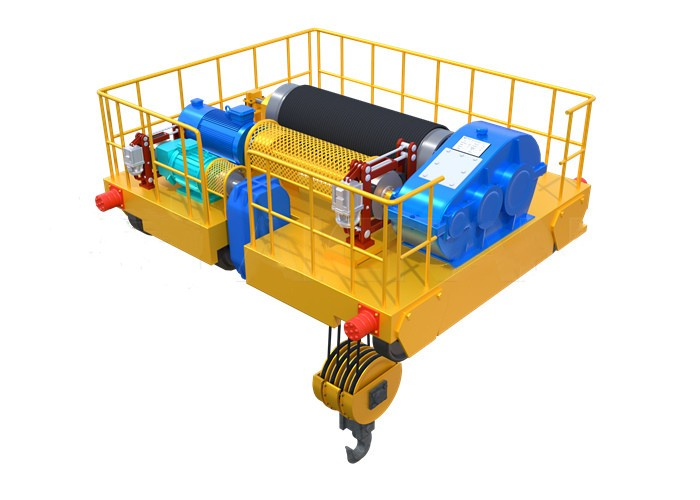
Here is a detailed breakdown of the components of an LX Suspension Overhead Crane.
1. Primary Structural System (The Framework)
Runway Beams:
Standard I-beams suspended from the building's roof structure.
Provide the track for the crane's travel along the length of the work area.
Sized according to the crane capacity and span requirements.
Bridge Girder:
A single girder (typically an I-beam) that forms the main horizontal beam of the crane.
Connects the two end trucks and provides the track for the trolley.
Can be a single section or multiple sections joined with splices.
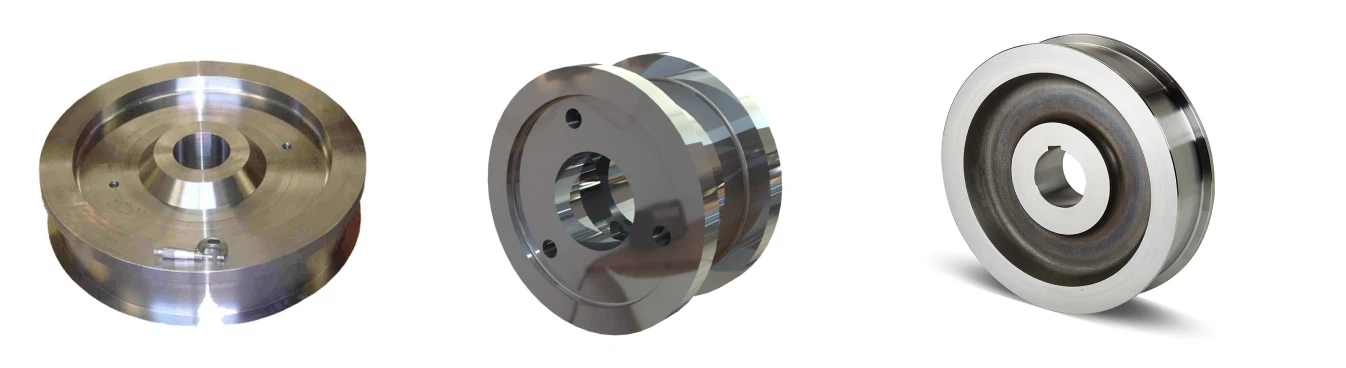
End Trucks:
The assemblies at each end of the bridge girder.
Contain wheels that run along the bottom flange of the runway beams.
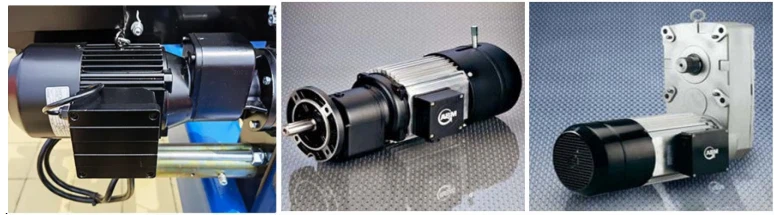
House the bridge drive mechanism (if powered).
 |
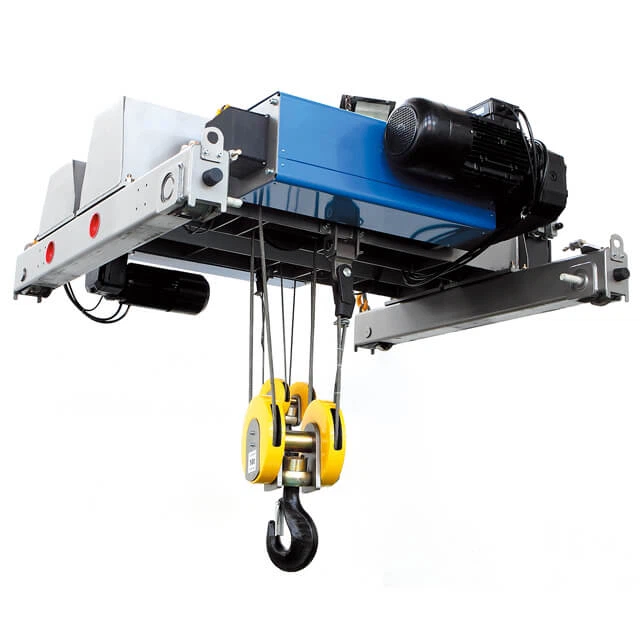 |
2. Lifting & Travel System (The Workhorse)
Electric Chain Hoist:
The primary lifting mechanism.
Compact and lightweight, designed for light to moderate duty.
Includes motor, gearbox, braking system, and chain guide.
 |
 |
Trolley:
The assembly that carries the hoist along the bridge girder.
Can be manual (push-type) or motorized.
Features wheels that run on the bottom flange of the bridge girder.
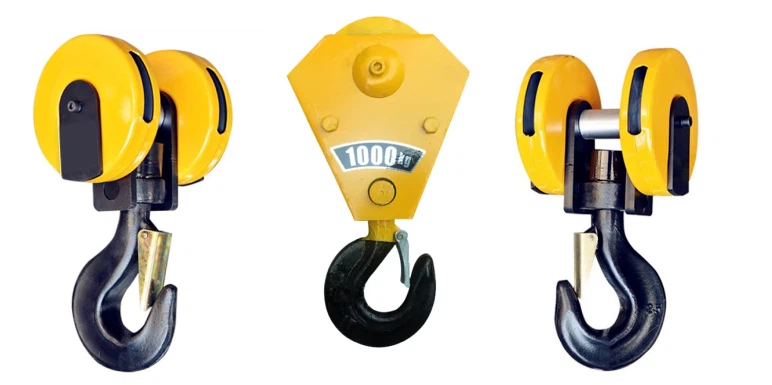
Load Chain & Hook:
High-strength alloy steel chain for lifting loads.
Forged steel hook with safety latch.
3. Support & Connection System
Runway Suspension System:
Hangers and connectors that suspend the runway beams from the roof structure.
Typically includes adjustable rods for leveling the runway.
Crane Splice:
Connection plates and bolts used to join multiple bridge sections.
Ensures structural integrity and alignment.
End Stops/Bumpers:
Physical stops at the ends of runway beams and bridge girders.
Prevent the crane from running off the track.
4. Control & Power System
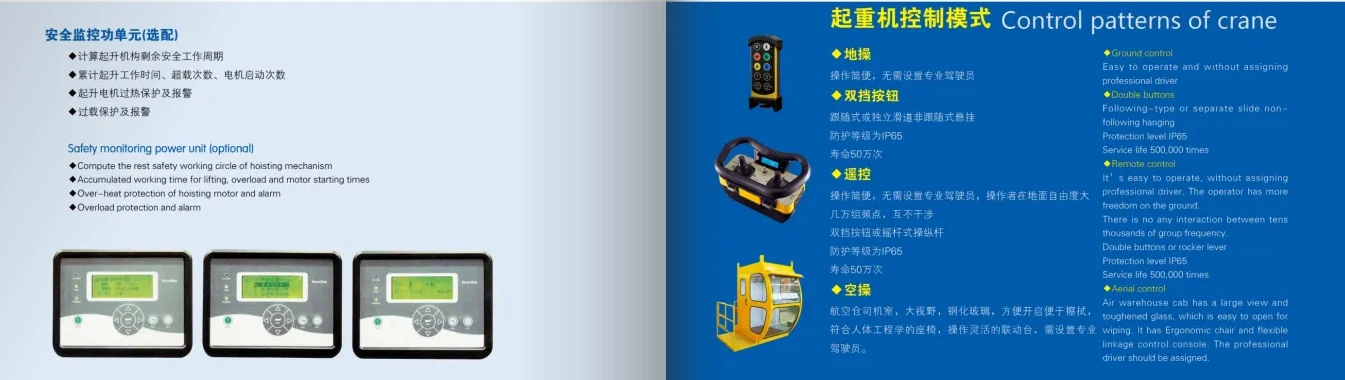
Control System:
Pendant Control: Push-button station for operating hoist and travel functions.
Radio Remote Control: Optional wireless operation.
Power Supply:
Festoon System: Cable management system for powered cranes.
Cable Reel: Alternative power delivery method.
Safety Devices:
Limit Switches: Prevent over-travel of hoist and bridge movements.
Emergency Stop: Immediate power cutoff.
Overload Protection: Prevents lifting beyond rated capacity.

5. Accessory Components
Walkways: Service platforms along the bridge (for larger systems).
Ladders: Access to the crane and runways.
Conductors: Power delivery rails for electrified systems.

Summary: Key Features of LX Suspension Crane Components
| Component | LX Suspension Characteristic |
|---|---|
| Runway | Suspended I-beams from roof structure |
| Bridge | Single girder running on runway bottom flange |
| Hoist | Electric chain hoist for light to moderate duty |
| Trolley | Manual or motorized along bridge girder |
| Support | Adjustable hangers for runway suspension |
Sketch

Main technical

Advantages
Advantages of LX Suspension Overhead Crane
LX Suspension Cranes offer a unique set of benefits centered around space efficiency, flexibility, and cost-effectiveness.
1. Exceptional Space Efficiency
Maximized Floor Space: The most significant advantage. By being suspended from the ceiling structure, it eliminates the need for floor-mounted support columns, keeping the entire floor area clear for other equipment, storage, and traffic.
Optimal Use of Height: Ideal for facilities with low ceilings, as it provides overhead lifting without sacrificing valuable vertical clearance.
2. Superior Cost-Effectiveness
Lower Initial Investment: Requires less material and simpler components than top-running cranes, resulting in a significantly lower purchase price.
Reduced Installation Costs: Easier and quicker to install, with minimal disruption to existing operations and no need for expensive foundation work.
Low Operating Costs: Simple design and light-duty components lead to minimal maintenance and energy consumption.
3. Excellent Flexibility and Modularity
Easy Reconfiguration: The system can be easily disassembled, modified, or expanded to adapt to changing production layouts or processes.
Expandable System: Additional runway beams and bridge sections can be added to extend coverage or increase capacity within the limits of the building structure.
Adaptable Layout: Can be designed to cover specific work areas or entire production bays with interlocking systems.
4. Ease of Installation
Quick Setup: Pre-engineered, modular components allow for fast assembly and installation.
Minimal Disruption: Installation can often be completed without major shutdowns of facility operations.
5. Full Coverage Capability
Comprehensive Access: Multiple cranes can be installed on the same runway system, potentially providing 100% coverage of the work area.
Interlocking Cranes: Can be designed with transfer mechanisms to allow cranes to share runways and service adjacent bays.
Application:
Applications of LX Suspension Overhead Crane
The LX Suspension Crane is perfectly suited for light industrial and service environments where space is at a premium.
1. Manufacturing and Assembly Plants
Component Handling: Moving parts and sub-assemblies between workstations on production lines.
Light Fabrication: Handling raw materials and finished products in small to medium-sized workshops.
Assembly Operations: Positioning components during product assembly.
2. Warehousing and Logistics Centers
Order Picking: Assisting with order fulfillment in distribution centers.
Loading/Unloading: Helping with truck loading and unloading operations.
Inventory Management: Moving goods within storage areas.
3. Maintenance and Repair Facilities
Equipment Servicing: Lifting engines, machinery components, and tools for maintenance.
Workshop Operations: Supporting various repair and maintenance tasks.
Vehicle Maintenance: Assisting with automotive and equipment repair.
4. Packaging and Printing Industries
Material Handling: Moving rolls of paper, packaging materials, and finished products.
Production Support: Supporting various packaging and printing operations.
5. Loading Bays and Service Areas
Cargo Handling: Assisting with loading and unloading of materials in shipping and receiving areas.
Service Operations: Supporting various service and maintenance tasks.
Crane production procedure
The production process for an LX Suspension Overhead Crane is streamlined and modular, reflecting its status as a light-duty, pre-engineered system. Here is a detailed breakdown.
Stage 1: Design & Engineering
This stage is highly standardized due to the modular nature of LX cranes.
Client Requirements Analysis: Reviewing span, capacity, lifting height, and control method (manual push vs. powered).
Standardized Design:
Component Selection: Using pre-engineered tables to select the correct I-beam sizes for the runway and bridge based on the span and capacity.
Layout Creation: Creating a layout drawing showing the runway path and crane coverage.
Bill of Materials (BOM) Creation: A list of standard components: I-beams, end trucks, hoist, trolley, suspension kits, and fasteners.
Stage 2: Material Procurement & Preparation
Procurement: Sourcing standard, off-the-shelf components:
Structural Steel: Standard I-beams from steel mills.
Purchased Parts: Electric chain hoists, trolleys (manual or motorized), wheels, and electrical components from specialized suppliers.
Material Preparation: I-beams are cut to the required length using automated saws for precision.
Stage 3: Component Fabrication
This involves minimal fabrication, as most parts are standard.
Drilling and Machining: Holes are drilled or punched in the I-beams for connections, such as:
Runway Beams: Holes for suspension hangers and splice connections.
Bridge Girder: Holes for connecting to the end trucks and trolley rail.
End Truck Fabrication: The end truck frames are welded or bolted together from steel plate and sections. Wheel axles are installed.
Stage 4: Sub-Assembly
Key components are pre-assembled in the factory for easier site installation.
End Truck Assembly: Wheels, bearings, and (if powered) drive motors and gearboxes are mounted onto the end truck frames.
Trolley Assembly: The trolley frame is assembled with its wheels.
Electrical Panel Assembly: The control panel with contactors and overload protection is wired and tested.
Stage 5: Surface Treatment & Painting
Cleaning and Pre-treatment: Components are shot-blasted to remove mill scale and rust.
Priming: A coat of anti-rust primer is applied.
Painting: A final topcoat is applied, often in a standard color like light grey or yellow. This is for corrosion protection, not for a high-finish aesthetic.
Stage 6: Quality Inspection & Packaging
Dimensional Inspection: Verifying the cut length of beams and the accuracy of drilled holes.
Component Function Test: Sample testing of hoists and powered trolleys for basic operation.
Packaging: Components are grouped and packaged for shipment. For example:
Runway Kit: Runway beams, suspension hangers, splice plates, and bolts.
Bridge Kit: Bridge girder, end trucks, and trolley.
Hoist & Control Kit: The hoist, pendant station, and power feed.
Stage 7: Shipment
All kits and components are crated and shipped to the customer's site. Due to the use of standard I-beams and components, shipping is straightforward.
Stage 8: Site Installation & Commissioning
Site Preparation: Verifying the roof structure is adequate and marking the runway layout.
Installation by Certified Technicians or Contractor:
Runway Installation: Suspension hangers are attached to the roof structure. Runway beams are lifted into place and connected to the hangers and to each other with splice plates. Beams are leveled and aligned.
Bridge Assembly: The bridge girder is connected to the end trucks. The entire bridge is then lifted and placed onto the runway beams.
Hoist and Trolley Installation: The trolley is mounted on the bridge girder, and the hoist is attached to the trolley.
Electrical Installation: The power feed system (e.g., festoon) is installed along the runway. The pendant station is connected.
Commissioning & Testing:
No-Load Test: Operating the crane without a load to check for smooth travel and proper alignment.
Load Test: Lifting a test load to 125% of the rated capacity to verify structural integrity and brake function.
Safety Device Check: Verifying the operation of all limit switches and emergency stops.
Operator Training: Basic training for the customer's personnel on safe operation.
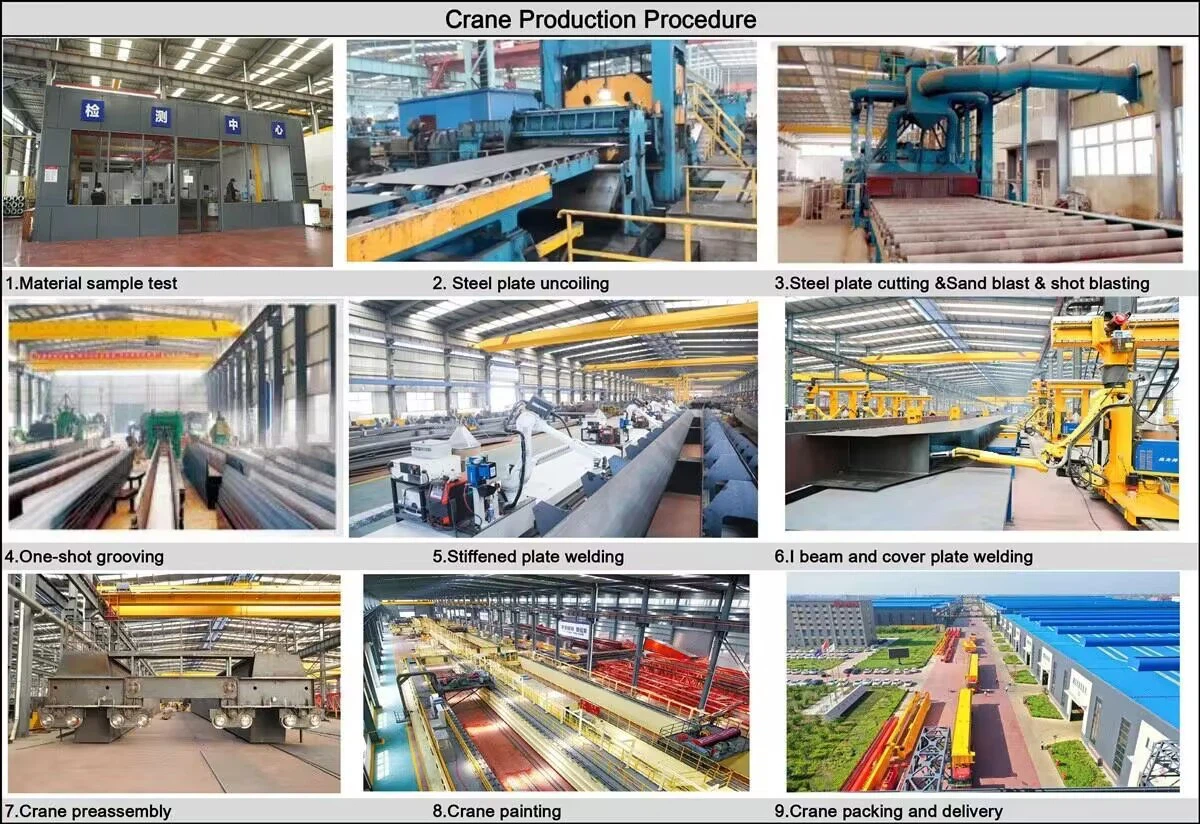
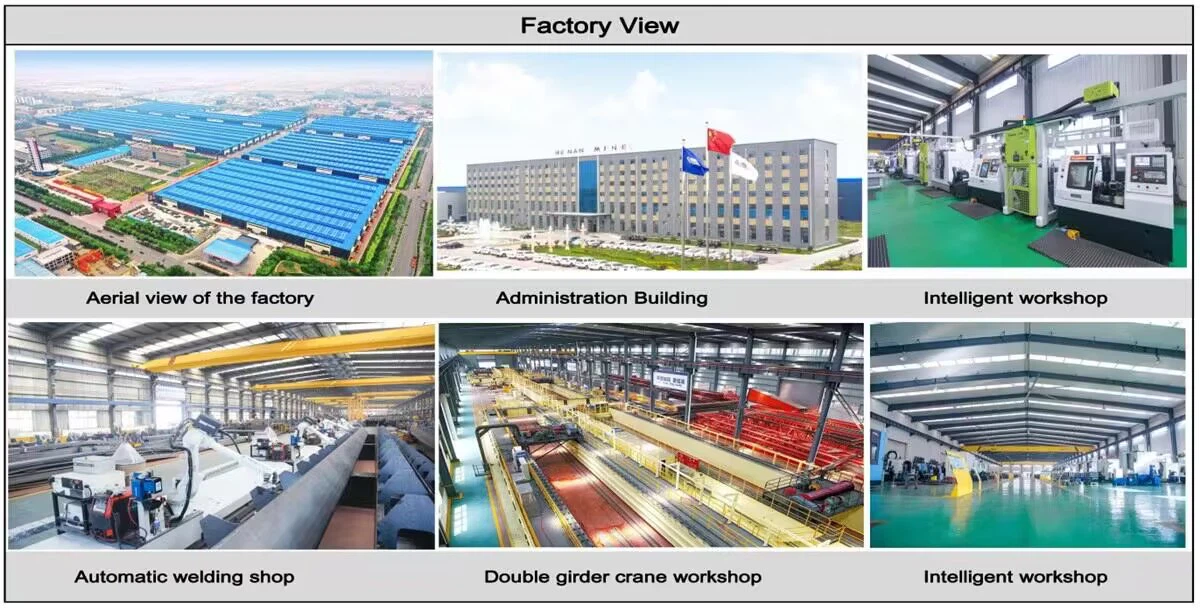
Workshop view:
The company has installed an intelligent equipment management platform, and has installed 310 sets (sets) of handling and welding robots. After the completion of the plan, there will be more than 500 sets (sets), and the equipment networking rate will reach 95%. 32 welding lines have been put into use, 50 are planned to be installed, and the automation rate of the entire product line has reached 85%.


Hot Tags: lx suspension overhead crane, China lx suspension overhead crane manufacturers, suppliers, factory, Double Girder Overhead Travelling Crane, Double Girder Overhead Crane
You Might Also Like


Send Inquiry