

Steel industry cranes
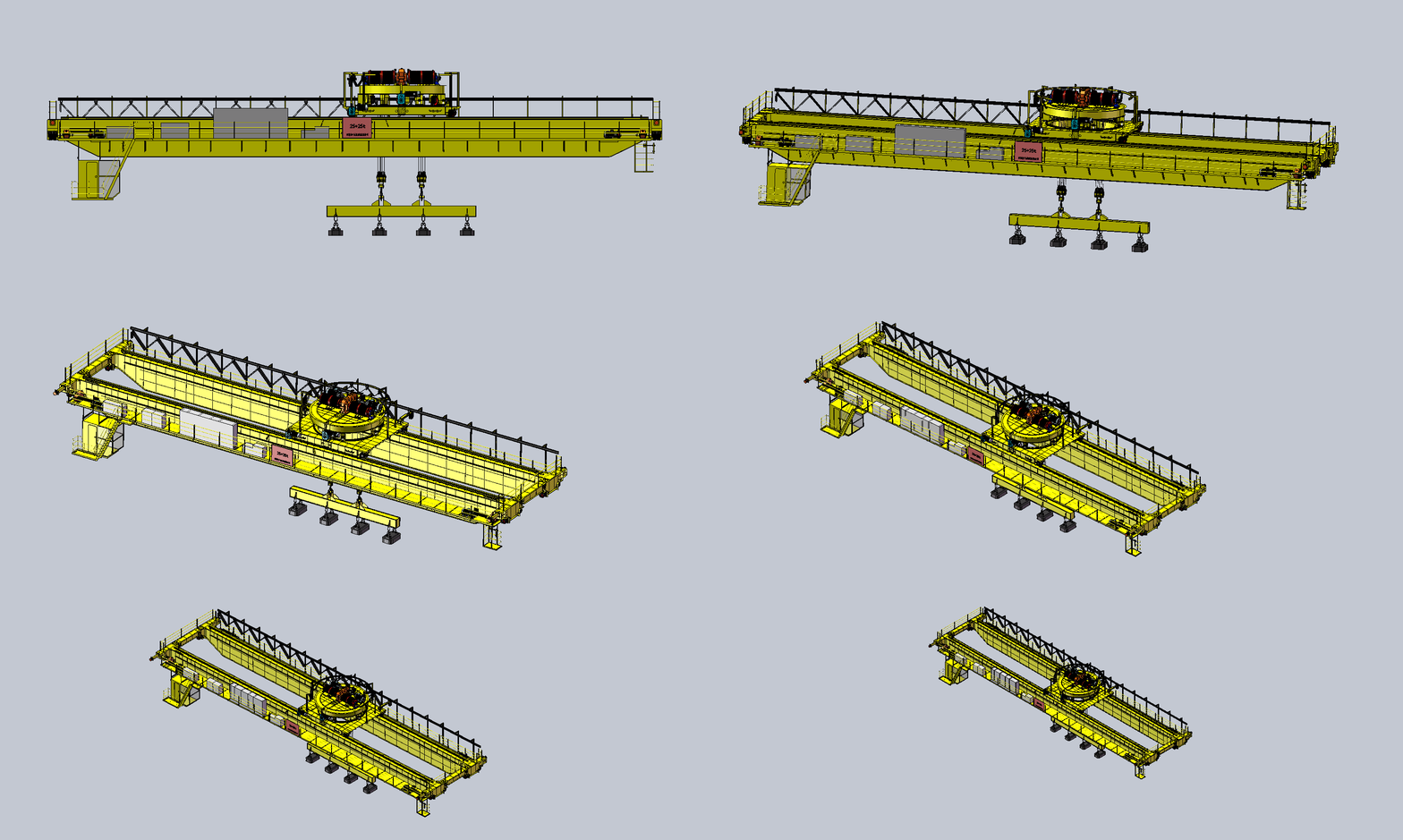
Steel industry cranes are special types of lifting equipment designed for handling heavy loads in steel mills, foundries, and other metallurgical plants. They are used for a variety of tasks including the movement of raw materials, finished products, and heavy machinery within the plant.
Steel industry cranes come in different sizes and configurations depending on the specific application. Common types of cranes used in the steel industry include overhead cranes, gantry cranes, jib cranes, and portal cranes.
These cranes are specifically engineered for use in an environment that is highly demanding and often harsh. They are designed to withstand the high temperatures, dust, and debris that are inherent in steel production. The cranes are often equipped with specialized components such as heat shields, dust covers, and safety devices to protect both the equipment and the operators.
Overall, steel industry cranes play a critical role in the day-to-day operations of the steel and metallurgical industries. They provide a reliable and efficient means of moving heavy materials and equipment, and are an important component of the production process.

Manufacturing Industry Cranes
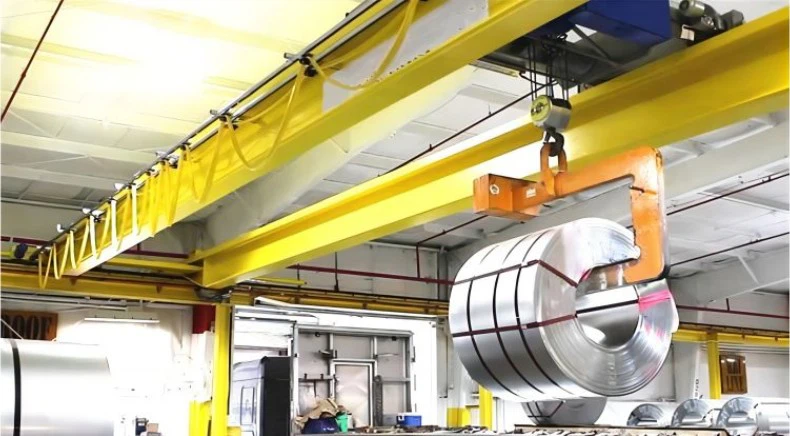
Manufacturing industry cranes are specially designed cranes used in the manufacturing industry for handling heavy machinery and equipment. They play an important role in lifting and moving heavy objects during the production process, reducing the physical strain on workers and improving efficiency.
These cranes come in a variety of types and configurations, including overhead cranes, gantry cranes, jib cranes, and specialized cranes for specific manufacturing applications. They typically feature high-load lifting capacities, precise controls, and safety features to ensure the safety of workers and prevent accidents.
Manufacturing industry cranes are used in a wide range of manufacturing industries, including automotive, aerospace, construction, and heavy machinery manufacturing. They are also commonly used in factories, warehouses, and material handling facilities.
Overall, manufacturing industry cranes are an essential tool for any modern manufacturing operation, providing a safe and efficient means of moving heavy machinery and equipment during the production process.
Beam Launching & Bridge Girder Erection Industry
-
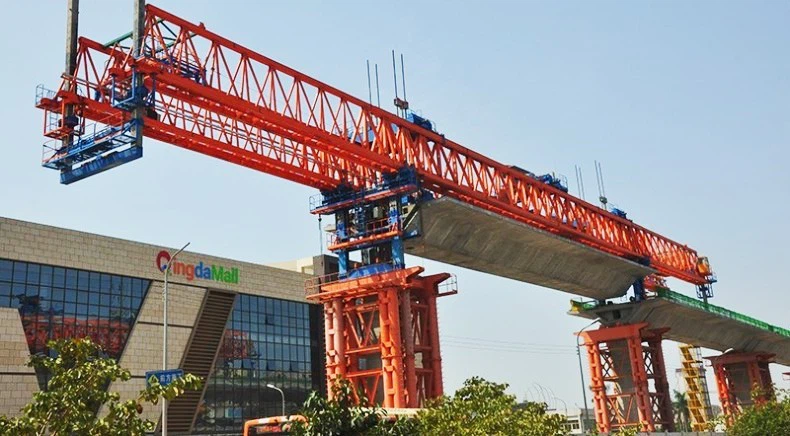
A beam launching crane or bridge girder erection crane is a type of crane used in the construction industry to lift and place pre-cast concrete or steel beams in the construction of bridges and similar structures.
These cranes typically have a high lifting capacity and are designed to handle large, heavy loads. They may use a variety of mechanisms to move the beams into position, including hydraulic systems, cable systems, and other lifting mechanisms.
The design of the crane may vary depending on the specific requirements of the construction project and the type of beams being lifted. Some may be designed to work on narrow bridge decks or other restricted spaces, while others may be larger and more powerful, capable of lifting extremely heavy loads.
Safety is a critical concern when working with beam launching cranes, and operators must be properly trained and certified to operate these complex machines. Additionally, proper planning and coordination is required to ensure that the crane is used safely and effectively on the job site.
Power Industry Cranes
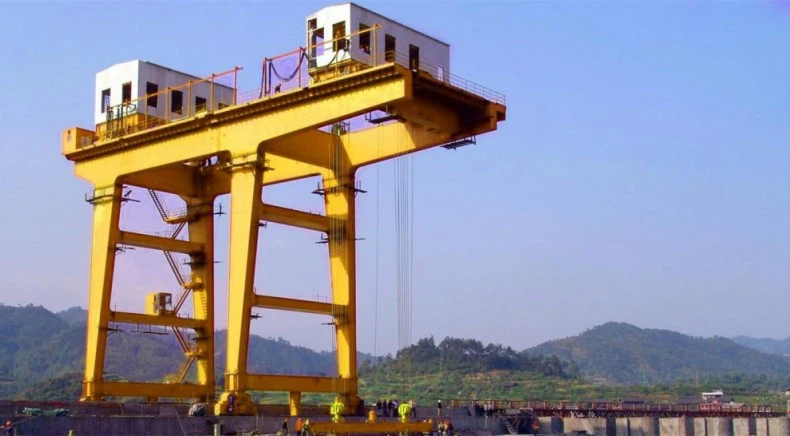
Power industry cranes are specialized equipment designed to handle heavy loads in power plants and related industries. These cranes are required to perform several tasks such as lifting, moving, and positioning heavy equipment and machinery, as well as transporting materials such as fuel, coal, and turbine parts.
Power industry cranes typically come in three types: overhead cranes, gantry cranes, and jib cranes. Overhead cranes are commonly used for heavy lifting and movement of equipment and materials within a power plant. Gantry cranes are often used for outdoor applications, such as loading and unloading cargo from ships or transporting heavy equipment to remote locations. Jib cranes are primarily used for precise positioning and installation of equipment and machinery.
Power industry cranes are designed to meet high safety standards, as they must operate in potentially hazardous environments. They are typically equipped with features such as anti-sway systems, collision avoidance sensors, and remote control systems to enhance safety and efficiency.
Overall, power industry cranes play an important role in the production and operation of power plants and related industries, helping to improve efficiency and safety while handling heavy equipment and materials.
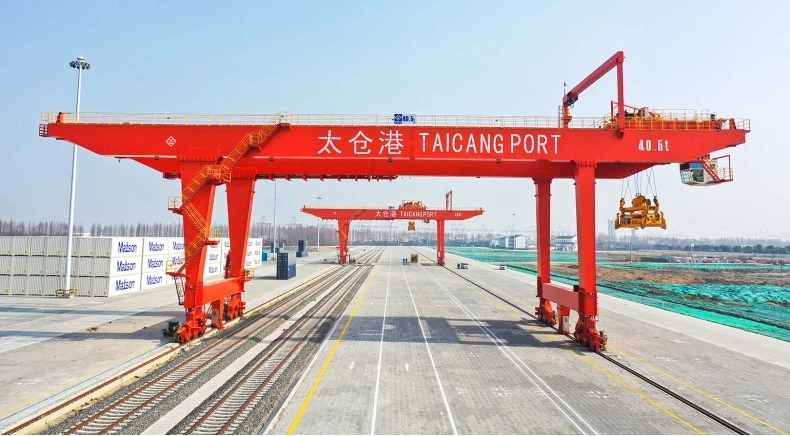
Port Machines Industry
Port machines and industry cranes are essential pieces of equipment used in the marine and shipping industry for loading and unloading cargo ships. They are designed to handle heavy loads and are commonly found in docks, ports and harbors across the world.
Port machines such as gantry cranes, ship-to-shore cranes, RTGs (Rubber Tired Gantry) and straddle carriers are used for lifting and moving cargo containers to and from ships. They are powered by electricity, diesel or hybrid engines and are operated by skilled crane operators.
Industry cranes are used in a variety of industrial settings, including manufacturing plants, construction sites, and shipyards. They are designed to lift and move heavy loads in a safe and efficient manner. Examples of industry cranes include overhead cranes, mobile cranes, and tower cranes.
Both port machines and industry cranes require regular maintenance to ensure they are operating at peak efficiency and safety.
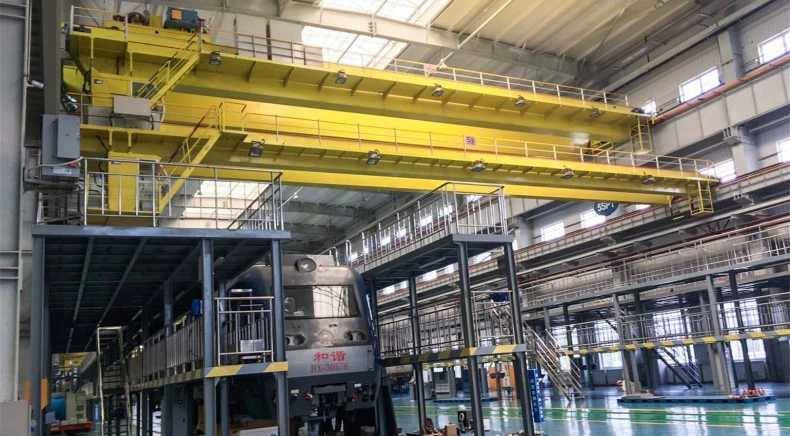
Automobile Industry
Automobile industry cranes are specialized cranes used for material handling and assembly processes in the production of automobiles. They typically have a high lifting capacity and precision control for moving heavy components such as engines, transmissions, and body shells.
These cranes are used in various stages of the production line, including the pre-assembly, body shop, painting, and final assembly stages. They are typically designed with various features such as wireless remote control, adjustable lifting speed, and anti-sway control to improve safety and precision.
Automobile industry cranes come in various types, including overhead cranes, gantry cranes, jib cranes, and mobile cranes. They are typically designed to meet specific manufacturing needs, such as lifting heavy loads over long distances or navigating tight spaces.
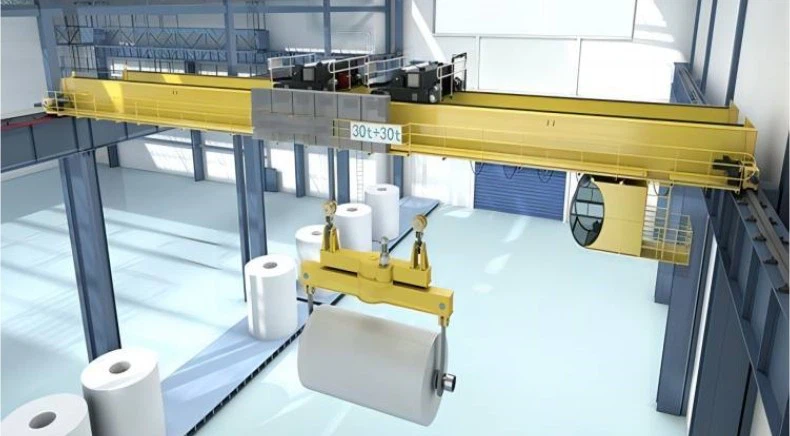
Paper Industry
-
Paper industry cranes are designed to meet the specific demands of paper mills and paper production facilities. These cranes are used to handle raw materials, finished products, and waste materials, as well as to perform maintenance and repair tasks.
There are several types of paper industry cranes, including overhead cranes, gantry cranes, jib cranes, and monorail cranes. Each type has its own unique features and benefits, depending on the specific needs of the facility.
Overhead cranes are the most commonly used type of paper industry crane. They are suspended from a beam that is attached to the building structure and can move along the length of the building, providing a wide range of coverage. Gantry cranes are similar to overhead cranes, but they are mounted on rails that run along the ground, allowing them to move horizontally across the work area.
Jib cranes are designed for precision lifting and positioning tasks, and are typically used for more specialized applications in the paper industry. Monorail cranes are compact and highly maneuverable, making them ideal for moving small loads in tight spaces.
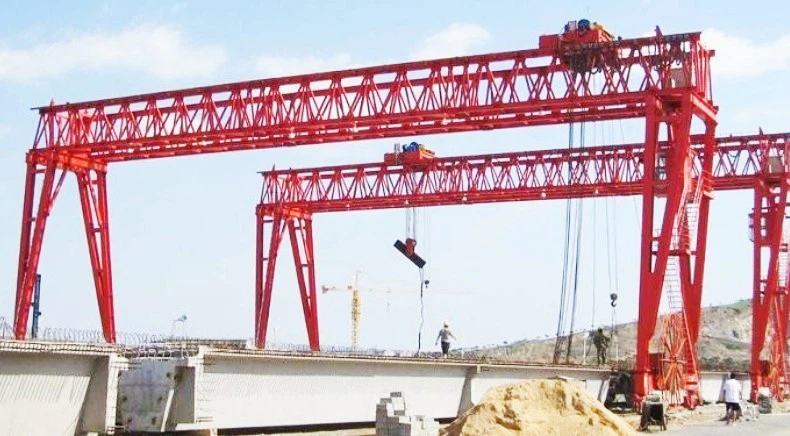
Precast Concrete Plant cranes
Precast concrete plants require the use of cranes to lift and position precast elements such as columns, beams, panels, and trusses. The cranes used in these plants are specifically designed for lifting heavy loads and have a high degree of precision when it comes to positioning the elements.
There are several types of cranes used in precast concrete plants, including overhead cranes, and gantry cranes. Tower cranes are often used in large-scale projects where heavy loads need to be lifted to great heights. Overhead cranes are typically used for smaller precast elements and have a high degree of maneuverability within the plant. Gantry cranes are used for loading and unloading large precast elements on trucks for transportation to a construction site.
In addition to lifting and positioning precast elements, cranes are also used for maintenance purposes in precast concrete plants. They can be used to move heavy machinery and equipment around the plant and to replace parts and components.
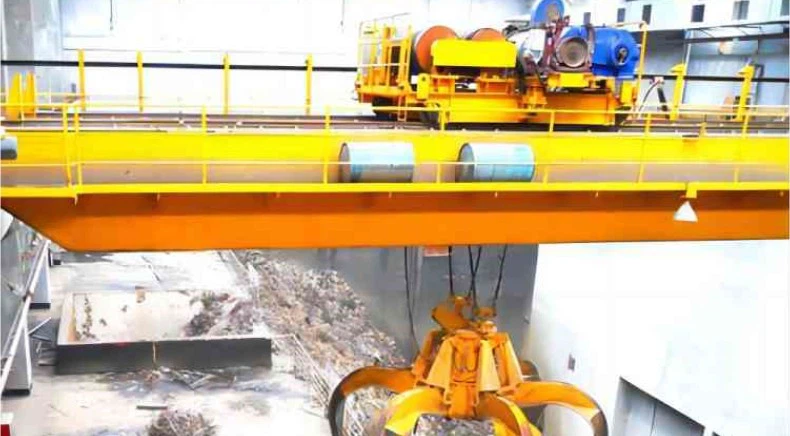
Waste To Energy And Biomass Industry
-
The Waste-to-Energy and Biomass industry refers to the use of organic waste materials to generate clean energy. It includes the production of energy through combustion, gasification, pyrolysis, and anaerobic digestion of waste materials such as agricultural residues, municipal solid waste, forestry residues, and other organic matter.
The primary goal of this industry is to provide a sustainable source of energy while reducing waste and greenhouse gas emissions. The waste-to-energy and biomass industry can be broadly classified into three main categories: thermal plants, biological plants, and landfill gas facilities.
The industry has been growing rapidly in recent years due to increased concern over climate change and the need for renewable energy sources. It presents a significant opportunity for reducing waste and greenhouse gas emissions while creating new jobs and stimulating economic growth.
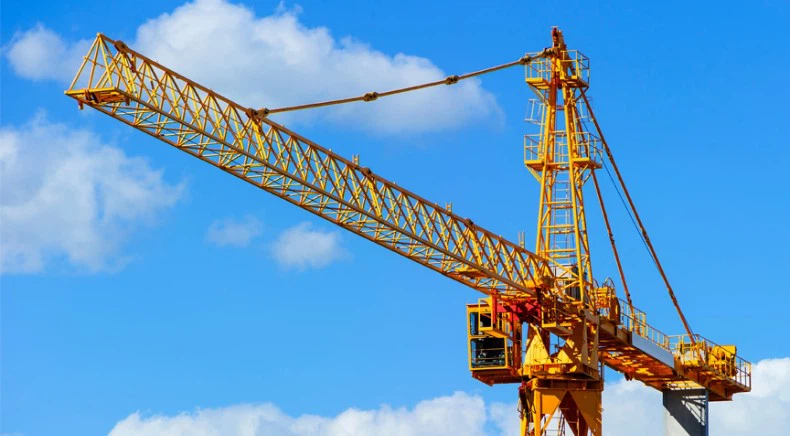
Construction Industry Cranes
The construction industry heavily relies on cranes for various tasks like lifting heavy objects, transport materials, and construction of structures like tall buildings, bridges, and dams.
The cranes used in construction vary in size, capacity, and types. Tower cranes are the most commonly used in high-rise construction projects as they have a high lifting capacity and can reach great heights. Mobile or truck-mounted cranes are ideal for smaller-scale projects or where mobility is required, and overhead cranes are used for indoor construction projects like warehouses.
A tower crane is a piece of heavy equipment used in construction sites to lift and move heavy materials and equipment. It consists of a large tower with a long horizontal arm, called a jib, at the top. The jib has a trolley that moves along its length, allowing the crane to lift and move materials horizontally and vertically.
A building hoist is also used on construction sites to move materials and equipment from the ground to higher levels of a building. It includes a platform that can carry people and materials, attached to a motorized pulley system that moves it up and down the side of the building.
Both the tower crane and building hoist require skilled operators to ensure safe and efficient use on construction sites. Safety measures must be in place and followed at all times to prevent accidents and injuries.
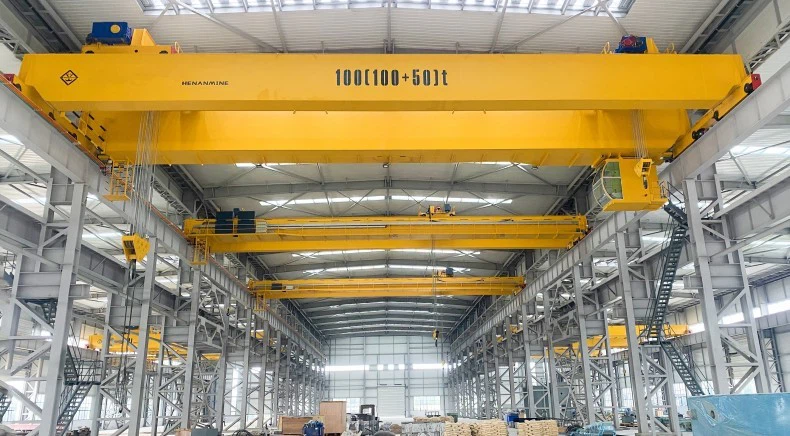
Electrolysis Multi-Purpose Crane
-
Electrolysis multi-purpose crane is a heavy-duty piece of equipment that is specifically designed for industrial use. It is used for a variety of purposes, including lifting and transporting heavy loads, as well as performing electrolysis operations. The crane is made up of a sturdy frame, a powerful hydraulic system, and an electrolysis cell.
The crane's hydraulic system is responsible for providing the power needed to lift and transport heavy loads. It has a lifting capacity of several tons, making it suitable for use in a variety of industrial settings. The crane's frame is made of high-strength steel and is designed to withstand heavy loads and extreme operating conditions.
The electrolysis cell is an integral part of the crane and is used to separate water into its component parts, hydrogen and oxygen, using an electrical current. The resulting hydrogen gas can be used as fuel, while the oxygen gas can be used for industrial applications such as metal cutting and welding.
To operate the crane, a skilled operator is required to control the crane's movements using a remote control or a control panel. The operator must also be able to monitor the electrolysis cell to ensure that it is operating correctly and safely.
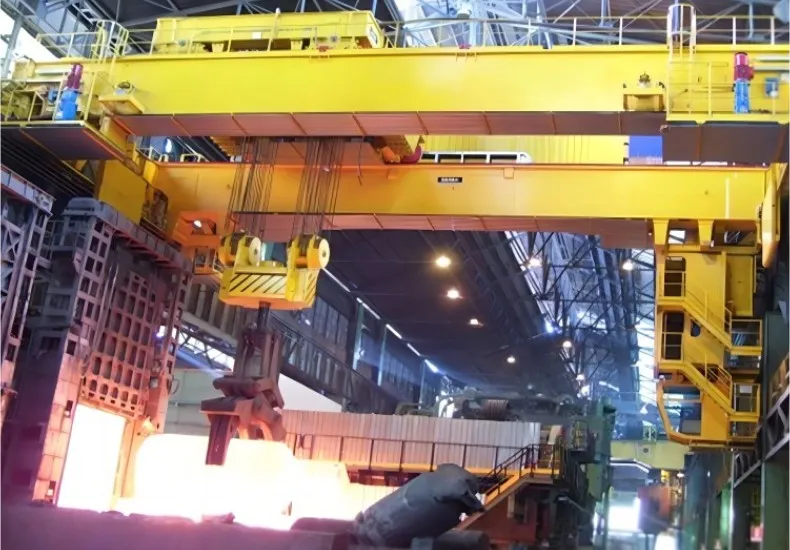
Metallurgical Casting Industry
Metallurgical casting industry cranes are specialized lifting equipment used in the metallurgical and casting process. They are specifically designed to handle heavy loads of molten metal or scrap metal in extremely high temperatures.
These cranes are commonly used in foundries, steel plants, and other types of metal production facilities that require heavy lifting.
Metallurgical casting industry cranes come in various types and sizes, depending on the type of metal being handled and the specific requirements of the facility. Some of the most common types of cranes used in this industry include ladle cranes, scrap yard cranes, charging cranes, and coil handling cranes.
Ladle cranes are used to transport and pour molten metal from the furnace to the casting molds. Scrap yard cranes are used to handle and move scrap metal around the facility. Charging cranes are used to charge the furnace with raw materials. Coil handling cranes are used to lift and transport coils of steel or other metals.
These cranes are designed to withstand the extreme heat and stress of a metallurgical environment. They are typically made from high-strength steel and feature specialized coatings and components that can withstand high temperatures and corrosive materials.
Metallurgical casting industry cranes are essential pieces of equipment for any facility involved in the production of metals. They help increase efficiency, improve safety, and reduce downtime, making them a valuable investment for any metal production company.