










Steel Mill Overhead Cranes
These cranes typically have two parallel runways with a bridge that spans the gap between them. The bridge is mounted on wheels or a trolley, allowing it to travel along the runways. The hoist and trolley system of the crane can be customized to meet the specific needs of the steel mill, such as higher load capacity, higher lifting height, or faster movements.
Steel Mill Overhead Cranes are designed to withstand harsh operating conditions, such as high temperatures, dust, and debris. They are also equipped with safety features, including emergency stop buttons and overload protection, to ensure safe and efficient operation.
Overall, Steel Mill Overhead Cranes are an essential piece of equipment in any steel mill operation. They provide a reliable and efficient means of moving heavy loads and machinery within the facility, helping to increase productivity while also ensuring worker safety.
- Capacity: 5-800/50ton
- Span length: 4-35m
- Lifting height: 3-50m
- Work duty: A4, A5, A6,A7
- Raged voltage: 220V~690V, 50-60Hz, 3ph AC
- Work environment temperature: -25℃~+50℃, relative humidity ≤85%
- Crane control mode: Floor control / Remote control / Cabin room

Pictures & Components
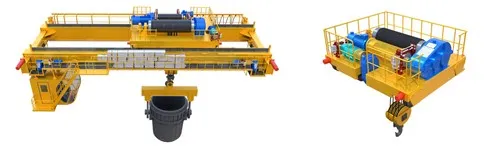
1. Whole set crane
A steel mill overhead crane is a type of industrial crane that is typically used in the steel industry. It is designed to lift and move heavy loads around a steel mill or factory. These cranes are often equipped with specialized features such as high heat tolerance and heavy-duty hoists to handle the extreme conditions of the steel production process. Steel mill overhead cranes are essential in the manufacturing process of steel products, making them an important piece of equipment for many steel mills and factories.

2. Main girder
A steel mill overhead crane main girder is the primary horizontal beam that supports an overhead crane in a steel mill. The main girder is typically made of high-strength steel and is designed to support the weight of the hoist and any material being lifted. It is supported by a trolley, which runs along the length of the girder, allowing the crane to move horizontally. The main girder is one of the most important components of an overhead crane, and its strength and durability are essential for ensuring safe and efficient operation in a steel mill environment.

3. Lifting System
A steel mill overhead crane lifting system typically consists of a crane that is mounted on a steel frame, an electric hoist or winch, and a load-bearing trolley. The crane can move the trolley along a rail, allowing it to lift heavy loads and move them around the plant. The lifting system is controlled by a cab or remote control, which operators use to move the crane and adjust the load. The crane lifting system is a critical piece of equipment in a steel mill, as it allows workers to move heavy, sometimes dangerous, materials around the plant quickly and safely.
4. End Carriages
1) End carriages are the components of a steel mill overhead crane that support and guide the crane's trolley along the runway beams. They are located at the outermost points of the overhead crane, and they attach the trolley to the runway beams. The end carriages are responsible for providing longitudinal and lateral stability to the crane, ensuring that it moves smoothly along the rails.
2) End carriages usually consist of a steel frame that is mounted on wheels, and they may be powered or manual. Powered end carriages use a motor to drive the wheels, while manual end carriages are moved by hand. The wheels of end carriages are typically made of steel or polyurethane, and they roll along the runway beams to control the horizontal movement of the crane.
3) In addition to providing stability and guidance, end carriages also support the weight of the crane and the loads it carries. They are designed to be strong and durable, and they must withstand significant forces and stresses during operation. Overall, end carriages are critical components of steel mill overhead cranes, and their performance is essential to ensure safe and efficient operation of these heavy-duty machines.
5. Crane traveling mechanism
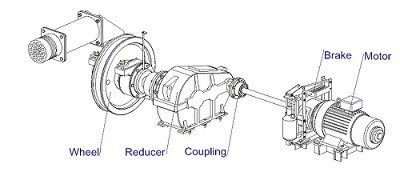
The crane traveling mechanism refers to the system of components that enable the crane to move horizontally along the steel mill. This system consists of a motor, gears, wheels, and brakes. The motor provides power for the movements of the crane, while the gears and wheels transmit this power to the wheels that are in contact with the steel mill. The brakes are used for controlling the speed and direction of the crane. The traveling mechanism allows the crane to move smoothly and efficiently along the length of the steel mill, ensuring that it can access all parts of the area it is designed to cover.
6. Trolley traversing mechanism
1) The trolley traversing mechanism of a steel mill overhead crane is the mechanism responsible for moving the trolley along the bridge of the crane. The trolley is the assembly that holds the hoist and moves along the bridge to position the hoist over the work site.
2) The trolley traversing mechanism consists of a motor, gearbox, and wheels that allow the trolley to move smoothly and precisely along the bridge. The motor provides the power to turn the gearbox which then turns the wheels that move the trolley.
3) The trolley traversing mechanism may also have a brake system to hold the trolley in position when it is not in use. Additionally, the trolley may have a limit switch to prevent over travel and ensure the trolley stays within the operating range of the crane.
4) Overall, the trolley traversing mechanism is a critical component of the steel mill overhead crane, and it should be properly maintained and inspected regularly to ensure safe and reliable operation.
7. Crane wheel
1) A steel mill overhead crane is a type of industrial crane that is used in steel mills to move heavy materials and equipment. It is typically designed to operate in harsh environments with high temperatures, dust, and other challenging conditions.
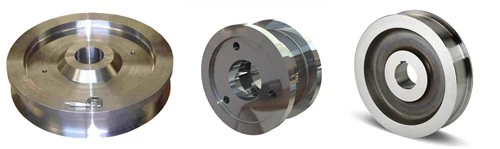
2) The crane wheel is an important component of the steel mill overhead crane. It is used to support and rotate the hoist and trolley assembly, allowing the crane to move materials in any direction. Crane wheels are typically made from high-strength steel or cast iron to withstand the heavy loads and high stress of the crane's operation. They are also equipped with bearings to reduce friction and ensure smooth operation.
3) Overall, the steel mill overhead crane with its crane wheel is a critical piece of equipment in the steel manufacturing process, allowing materials to be moved quickly and safely throughout the facility.
8. Crane hook
Steel mill overhead crane is a type of crane that is specifically designed and used for lifting and moving heavy materials in steel mills. The crane is equipped with a hook that is used to grab and lift heavy loads. The crane can be operated manually or with the help of remote control.
The crane hook is an essential part of the steel mill overhead crane. It is attached to the crane's trolley or hoist and is used for lifting and moving materials. The hook is designed to withstand heavy loads and is made of high-quality steel. The hook can be fitted with various attachments such as slings, chains, or ropes, depending on the material being lifted.
The crane hook is available in different sizes and capacities depending on the application. Hooks with a capacity of up to 500 tons are commonly used in steel mills. The hook is also designed to prevent the load from slipping or falling, ensuring the safety of workers and materials.
Overall, the steel mill overhead crane and its hook are critical components in the steel-making industry, helping to move large and heavy materials with ease and safety.

9. Motor
A steel mill overhead crane typically uses a heavy-duty motor to power its lifting and moving capabilities. The motor is designed to withstand the harsh and demanding conditions of a steel mill, which can include high temperatures, dust, and debris. The motor is typically electric, and can vary in size and power depending on the requirements of the crane. It is important that the motor is properly maintained and lubricated to ensure smooth and safe operation of the crane.

10. Sound and light alarm system & limit switch
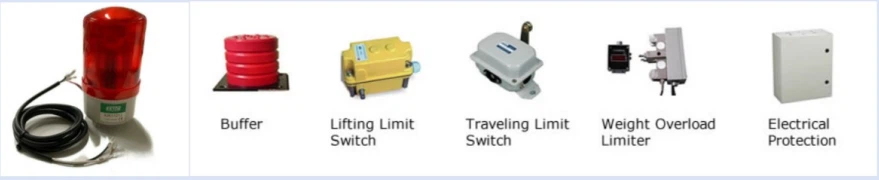
1) A steel mill overhead crane may come equipped with a sound and light alarm system, as well as limit switches for added safety measures.
2) The sound and light alarm system is designed to alert nearby workers or pedestrians of the crane's movements. This is especially important since steel mill overhead cranes are often used in busy industrial settings with heavy foot and vehicle traffic.
3) Limit switches, on the other hand, are safety devices that are designed to prevent the crane from moving beyond a certain point. These switches are typically located at both ends of the hoist or bridge, and when they are tripped, the crane will automatically shut down. This prevents the crane from crashing into other machinery or people, and it can also prevent the load from falling.
4) Overall, these safety features are essential for any steel mill overhead crane, as they help to ensure the safety of workers and prevent accidents from occurring.
11. Safety Devices
There are several safety devices that can be installed on a steel mill overhead crane to ensure safety of workers and equipment. Some of the common safety devices include:
1) Overload protection: This device is used to ensure that the crane does not lift more weight than its capacity. It is usually installed in the form of load cells, which measure the weight of the load being lifted and automatically cut off the power to the hoist when the weight limit is exceeded.
2) Limit switches: These devices are used to limit the movement of the crane in certain directions, such as preventing the crane from moving beyond the designated limits of the working area. These switches can be installed on the trolley, bridge or hoist.
3) Emergency stop buttons: These buttons are installed at strategic locations throughout the crane system and can be used to shut down the entire system in the event of an emergency.
4) Anti-collision sensors: These sensors help to prevent collisions between the crane and other objects or equipment in the work area. They are typically installed on the crane bridge and/or trolley.
5) Warning lights and alarms: These devices provide audible and visual warnings to alert workers of potential danger, such as when the crane is in motion or the load is about to be lifted or lowered.
6) Steel bumpers: These devices are used to protect the crane and other equipment from accidental collisions. They are usually installed at the ends of the crane bridge and trolley.
12. Control Mode
The control mode of a steel mill overhead crane can vary depending on the specific crane and its intended use. However, most modern steel mill overhead cranes utilize a range of control modes to ensure safe and efficient operation.
Some common control modes for steel mill overhead cranes include:
1) Pendant control: This type of control involves the use of a handheld pendant that allows the crane operator to control the movement of the crane from a safe distance.
2) Radio control: Similar to pendant control, radio control involves the use of a handheld device to remotely operate the crane. Radio control offers greater mobility and flexibility than pendant control, allowing the operator to move freely around the worksite.
3) Cabin control: Some steel mill overhead cranes come equipped with a cabin or control room where the operator can sit and control the crane. This allows for greater visibility and control over the crane movement.
4) Automated control: In some cases, steel mill overhead cranes are automated, meaning they are programmed to carry out specific tasks without the need for human intervention. Automated control can improve efficiency and safety, but requires careful programming and monitoring to ensure proper operation.
5) Regardless of the control mode used, all steel mill overhead cranes must adhere to strict safety standards and regulations to prevent accidents and injuries in the workplace.

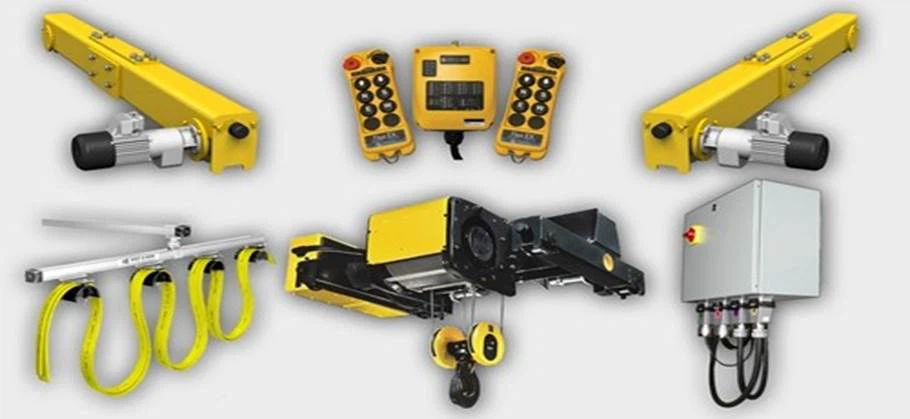
13. Sketch
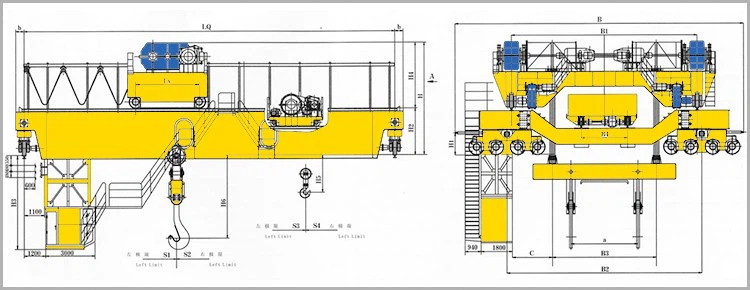
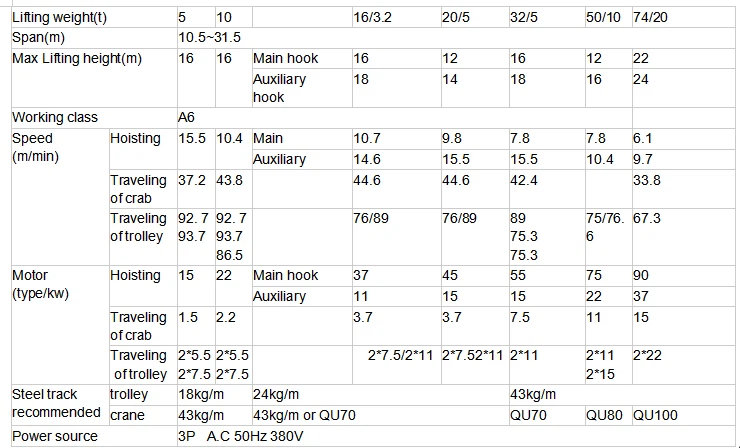
Main Technical Data
Advantages
1. Capable of lifting heavy loads: Steel mill overhead cranes are designed to handle heavy loads, making them ideal for use in steel mills where large, heavy materials are often moved.
2. Increased productivity: By using a steel mill overhead crane, workers can move heavy materials quickly and easily, resulting in increased productivity and efficiency.
3. Enhanced safety: Steel mill overhead cranes are equipped with safety features such as limit switches, emergency stop buttons, and overload protection, ensuring the safety of workers and the materials being moved.
4. Flexible movement: The crane can move along a fixed path, or it can be fitted with a trolley, allowing it to move horizontally along the length of the steel mill, providing greater flexibility in material handling.
5. Low maintenance requirements: Steel mill overhead cranes are designed to be durable and require minimal maintenance, resulting in reduced downtime and operating costs.
6. Saves on labour costs: The use of a steel mill overhead crane eliminates the need for manual labour, resulting in lower labour costs and increased efficiency.
Application
Steel mill overhead cranes are used in various applications, such as:
1. Loading and unloading of raw materials, including steel coils, ingots, and scrap metal.
2. Moving and positioning of heavy machinery and equipment.
3. Transporting finished products, such as steel pipes, bars, and plates.
4. Maintenance of the steel mill, including lifting and replacing components.
5. Handling of hazardous materials, such as molten steel and chemicals.
6. Supporting the production process by moving products through different stages of the manufacturing process.
7. Assisting in emergency response situations, such as lifting and moving debris after an accident.
Overall, steel mill overhead cranes are essential equipment in the steel manufacturing industry, helping to improve the efficiency and safety of various production processes.
Crane Production Procedure
The steel mill overhead crane production procedure involves several steps, including:
1. Design and engineering: The first step in the production procedure involves the design and engineering of the crane. This includes determining its capacity, size, and other specifications based on the requirements of the customer.
2. Material procurement: Once the design is finalized, the materials required for the crane are procured. This includes steel plates, beams, cables, motors, and electrical components.
3. Cutting and shaping: The steel plates and beams are cut and shaped to the required size using CNC plasma cutting machines, shearing machines, and other equipment.
4. Welding: The different components of the crane are welded together using MIG and TIG welding processes. The welds are inspected for quality and strength.
5. Assembly: The different components of the crane are assembled together, including the hoist, trolley, bridge, and end trucks.
6. Painting and coating: The crane is painted and coated to protect it from corrosion and other environmental factors.
7. Electrical installation: The electrical components of the crane, such as the control system and motor, are installed and tested.
8. Load testing: Once the crane is fully assembled, it is loaded with weights to test its capacity and performance.
9. Final inspection and delivery: The crane undergoes a final inspection to ensure that it meets all safety and quality standards. It is then packed and delivered to the customer.

Workshop View
The company has installed an intelligent equipment management platform, and has installed 310 sets (sets) of handling and welding robots. After the completion of the plan, there will be more than 500 sets (sets), and the equipment networking rate will reach 95%. 32 welding lines have been put into use, 50 are planned to be installed, and the automation rate of the entire product line has reached 85%.


Hot Tags: steel mill overhead cranes, China steel mill overhead cranes manufacturers, suppliers, factory, Steel Factory Overhead Crane, Ladle Foundry Bridge Crane, Casting Steel Overhead Crane, Rolling Mill Overhead Crane, Ladle Foundry and Casting Steel Mill Overhead Crane, Steel Mill Overhead Cranes
Previous
No InformationYou Might Also Like


Send Inquiry