










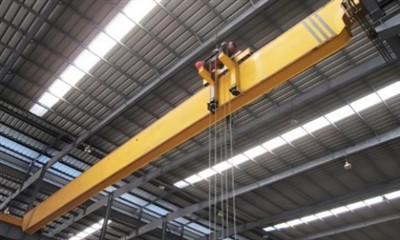
Electric Single Girder Suspension Overhead Crane
Products Description
Comparison: Single Girder Suspension vs. Other Cranes
| Feature | Single Girder Suspension | Double Girder Top-Running | Gantry Crane |
|---|---|---|---|
| Capacity | 0.5–20 tons | 5–550+ tons | 1–500 tons |
| Span | 3–15m | 10–35m+ | Adjustable |
| Installation | Ceiling-suspended | Floor-supported | Floor-supported |
| Cost | Low | High | Medium-High |
| Best For | Light/medium indoor use | Heavy industry | Outdoor/workshop |
Core Components: Gearbox, Motor, Gear
Place of Origin: Henan, China
Warranty: 1 Year
Weight (KG): 10000 kg
Video outgoing-inspection: Provided
Machinery Test Report: Provided
Selling Units: Single item
Single package size: 600X300X300 cm
Single gross weight: 200.000 kg

Pictures & Components
An electric single girder suspension overhead crane consists of several key components that work together to provide efficient and safe material handling. Below is a detailed breakdown of each part:
1. Main Components
① Single Girder (Main Beam)
Function: The primary load-bearing beam that spans the work area.
Material: Rolled steel (I-beam) or welded box girder for rigidity.
Design: Lightweight yet strong, optimized for suspension from overhead structures.

② Electric Hoist
Types:
Wire Rope Hoist (1–20 tons, for heavier loads).
Chain Hoist (0.5–10 tons, for lighter loads).
Key Parts:
Lifting Motor – Powers the hoist.
Gearbox – Reduces speed and increases torque.
Brake System – Electromagnetic or mechanical for safety.
Drum & Wire Rope/Chain – Lifts and lowers the load.
Hook Block – Attaches to the load.
 |
 |
③ Trolley (Traveling Mechanism)
Function: Moves the hoist along the girder (cross travel).
Components:
Trolley Frame – Supports the hoist.
Wheels & Drive Motor – Allows movement along the girder.
Guides & Buffers – Prevents derailment and absorbs shocks.
 |
 |
④ End Trucks (End Carriages)
Function: Allows the crane to move along the runway beams (long travel).
Components:
Wheels – Run on suspended runway tracks.
Drive Motors – Powers longitudinal movement.
Buffers – Prevents collision at travel limits.

⑤ Suspended Runway System
Function: Supports the crane from the ceiling.
Types:
Enclosed Track (Box Section) – More rigid, smoother operation.
I-Beam Runway – Economical, easier to install.
Mounting: Attached via hangers, brackets, or ceiling supports.

2. Electrical & Control System
⑥ Power Supply
3-Phase AC (Common: 380V, 480V, or 220V).
Power Delivery:
Festoon System (Cable trolley with sliding conductors).
Cable Reel (For longer travel distances).

⑦ Control System
Pendant Control (Wired handheld remote).
Radio Remote Control (Wireless operation).
Optional:
Variable Frequency Drive (VFD) – Smooth acceleration/deceleration.
PLC Automation – For advanced control.
.
⑧ Safety Devices
Limit Switches – Prevents over-travel (hoisting & traversing).
Overload Protector – Cuts power if load exceeds capacity.
Emergency Stop Button – Immediate shutdown.
Anti-Collision System (For multiple cranes).

3. Optional Accessories
Magnetic Lifter – For handling steel plates.
C-Hook or Grabber – For specialized loads.
Load Cell & Display – Real-time weight monitoring.
LED Work Lights – Improves visibility.

Sketch

Main technical

Advantages
Space-Saving Design
Suspended from ceiling structures, eliminating the need for floor-mounted support columns.
Ideal for facilities with limited floor space or low headroom.
Cost-Effective Solution
Lower initial cost compared to double girder or top-running cranes.
Reduced installation expenses (no foundation work required).
Easy Installation & Relocation
Can be mounted on existing roof structures without major modifications.
Modular design allows for quick assembly and disassembly.
Lightweight Yet Durable
Made from high-strength steel, offering good load capacity (typically 0.5–20 tons).
Suitable for light to medium-duty applications.
Smooth & Precise Operation
Electric hoist provides controlled lifting and lowering.
Optional Variable Frequency Drive (VFD) ensures jerk-free movement.
Low Maintenance
Fewer moving parts compared to hydraulic systems.
Sealed motors and enclosed tracks reduce wear and tear.
Flexibility in Application
Can be customized with different hoist types (chain or wire rope).
Adaptable for various lifting attachments (magnets, grabs, etc.).
Safety Features
Equipped with limit switches, overload protection, and emergency stop.
Anti-sway technology available for precise load positioning.
Application:
1. Warehousing & Logistics
Loading/unloading pallets, boxes, and packaged goods.
Moving heavy inventory in distribution centers.
2. Manufacturing & Assembly Lines
Handling raw materials, machinery parts, and finished products.
Used in automotive, electronics, and consumer goods industries.
3. Workshops & Repair Shops
Lifting engines, transmissions, and heavy equipment in auto garages.
Metal fabrication and welding shops for material handling.
4. Light Industrial Use
Textile factories (moving fabric rolls).
Packaging plants (positioning heavy bundles).
5. Retail & Commercial Spaces
Installing HVAC systems, lighting rigs, or stage equipment.
Used in large retail stores for stock management.
6. Food & Beverage Industry
Lifting bags of raw materials (sugar, flour, etc.).
Hygienic designs available for clean environments.
Crane production procedure
1. Design and Engineering
Initial Consultation: The process begins with discussions between the manufacturer and the customer to understand the crane's operational requirements, such as load capacity, span, lifting height, and environment (e.g., indoor or outdoor use, temperature conditions, etc.).
Engineering & Customization: The design team customizes the crane, including the structure, lifting system, and radio remote control features. Detailed engineering drawings and specifications are prepared, ensuring the crane meets all required standards and safety codes.
Control System Design: The radio remote control system is integrated into the design, with attention to ease of use, range, safety features (emergency stop, overload protection), and compatibility with the crane's other systems.
2. Material Selection and Procurement
Structural Materials: High-quality materials like steel are sourced for the crane's main beam, girder, end carriages, and other structural components. These materials are selected for their strength, durability, and ability to withstand heavy loads.
Mechanical Components: The components for the hoisting system, trolley, crane wheel, motors, gearboxes, and radio remote control system are procured from reliable suppliers.
Electrical Components: Wiring, electrical panels, switches, safety devices, and other electrical components for the crane's control system are also sourced.
3. Fabrication and Manufacturing
Main Beam Construction: The steel is cut, welded, and assembled to form the main girder (single beam) of the crane. This process often involves precision cutting, bending, and welding to meet specific design tolerances.
End Carriage Fabrication: The end carriages, which support the crane's travel mechanism, are fabricated and assembled. These components are designed for stability and strength, ensuring smooth crane movement along the tracks.
Assembly of Lifting Mechanism: The hoist, hook, and lifting mechanism are assembled, with motors, gears, and pulleys integrated into the system. The lifting system is tested for load-bearing capacity and smooth operation.
Trolley and Crane Traveling Mechanisms: The trolley and crane traveling mechanisms are built and assembled. This includes the wheels, motor, and rail system, ensuring smooth movement of the crane along the rails.
Radio Remote Control Installation: The radio remote control system is installed. This includes fitting the necessary receivers, antennas, and integrating the control system with the crane's electrical and mechanical systems.
4. Electrical and Control System Integration
Wiring and Electrical Systems: The electrical wiring is installed, connecting the hoisting system, control panel, motors, and radio remote control system. The wiring is tested for safety and compliance with electrical codes.
Control Panel Assembly: The crane's control panel is assembled and integrated with the radio remote control system. It is tested for responsiveness and safety features, including emergency stop and overload protection.
Safety Features: Safety devices such as limit switches, overload sensors, and sound and light alarms are installed and integrated into the control system. These systems ensure safe crane operation and prevent damage.
5. Testing and Quality Control
Load Testing: The crane is subjected to a load test to ensure it can handle the specified weight capacity. The test is done using calibrated weights to verify the crane's performance under operational conditions.
Operational Testing: The crane undergoes a full operational test, where it is run through its motions (lifting, lowering, traveling, etc.) using the radio remote control. The crane's response to commands, including emergency stop and safety alarms, is closely monitored.
Electrical & Mechanical Testing: All electrical systems, including the radio remote control, are tested for functionality and safety. The motors, brakes, and electrical wiring are inspected for proper operation.
Inspection for Compliance: The crane is inspected for compliance with local and international standards (such as ISO, CE, or OSHA) to ensure it meets safety regulations. The structure, load-bearing components, and safety systems are thoroughly checked.
6. Final Assembly
Final Assembly and Inspection: After testing, the crane is fully assembled, with all components securely attached and double-checked for accuracy. The radio remote control is configured, and the system is tested one last time to ensure seamless integration.
Painting & Finishing: The crane is painted with protective coatings to prevent corrosion and improve its appearance. The final finishing touches are added to the structure, including any labeling or safety markings.
Documentation: All necessary documentation, including manuals, certificates of compliance, test reports, and warranty information, are prepared for the customer.

Workshop view:
The company has installed an intelligent equipment management platform, and has installed 310 sets (sets) of handling and welding robots. After the completion of the plan, there will be more than 500 sets (sets), and the equipment networking rate will reach 95%. 32 welding lines have been put into use, 50 are planned to be installed, and the automation rate of the entire product line has reached 85%.


Hot Tags: electric single girder suspension overhead crane, China electric single girder suspension overhead crane manufacturers, suppliers, factory, Single Girder Overhead Crane, Single Girder Overhead Travelling Crane
You Might Also Like




Send Inquiry