







QB Explosion Proof Overhead Crane
Products Description
Key Features of QB Explosion-Proof Overhead Cranes:
Explosion-Proof Components:
Motors & Electrical Systems: Certified for hazardous areas (e.g., ATEX, IECEx, NEC/CEC standards).
Control Panel & Wiring: Sealed to prevent sparks.
Limit Switches & Brakes: Non-sparking materials.
Classifications:
Zone 1/21 (Gases/Dust): Frequent explosive atmospheres.
Zone 2/22: Occasional exposure.
Class I (Gases), Class II (Dust), Class III (Fibers) per NEC.
Construction Materials:
Stainless steel or coated surfaces to resist corrosion.
Spark-resistant alloys for hooks & trolleys.
Safety Mechanisms:
Overload protection.
Emergency stop functions.
Thermal protection in motors.
QB Series Specifications (Example):
Capacity: 1 ton to 50+ tons
Span: Customizable (e.g., 5m to 30m)
Voltage: 220V/380V/480V, 50/60Hz
Protection Level: IP55/IP65 (dust/water resistance)
Temperature Class: T1-T6 (based on ignition risk)
Lifting Capacity 5 tons – 550 tons (customizable)
Span 10m – 35m (extendable with modular design)
Lifting Height 6m – 30m (adjustable)
Work Duty FEM 1Am – 3m (Medium to Heavy Duty)
Ambient Temperature -20°C to +60°C (special coatings for extreme conditions)
Power Supply 3-phase, 380V/415V/480V, 50/60Hz
Control Voltage 24V/36V (intrinsically safe for hazardous zones)
Speed Options - Lifting: 0.5–15 m/min (adjustable via VFD)
- Trolley Travel: 5–30 m/min
- Crane Travel: 10–60 m/min
Protection Grade IP65 (hoist), IP55 (crane structure)

Pictures & Components
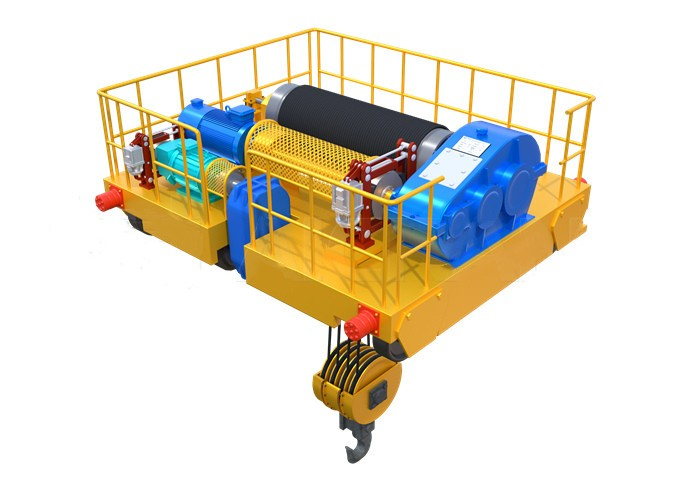
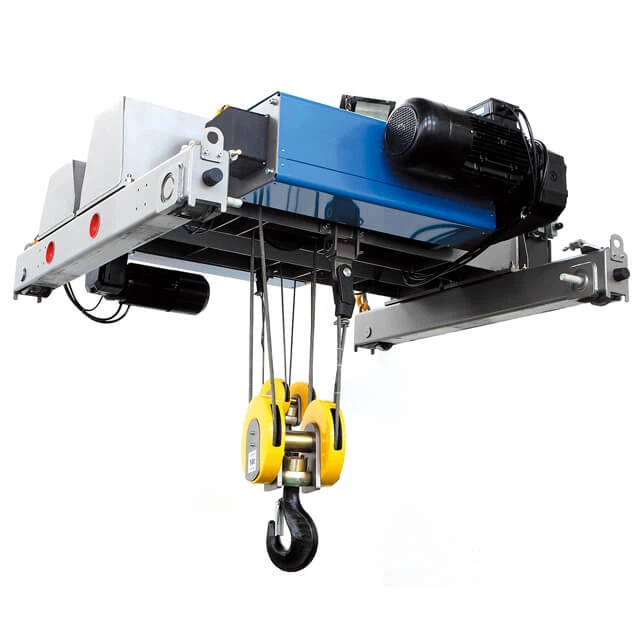
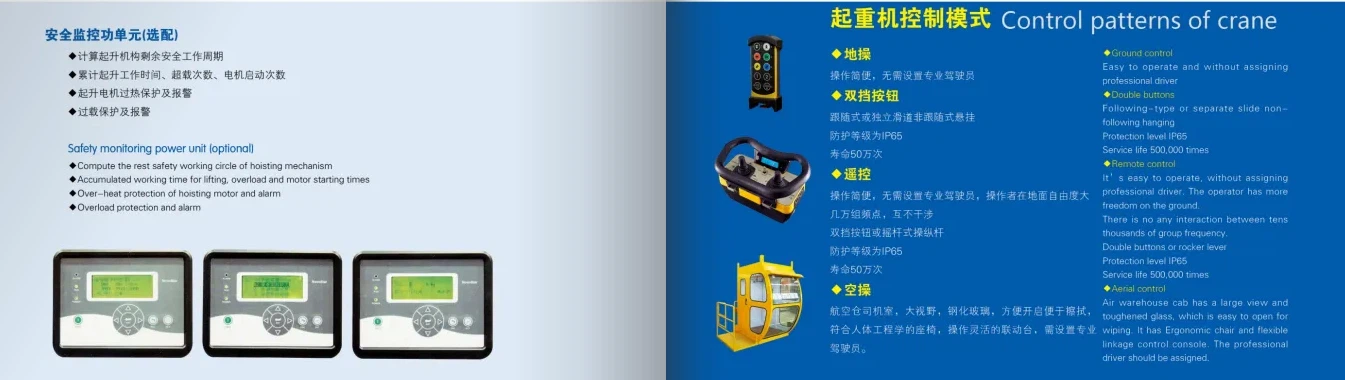
An explosion-proof overhead crane from the QB series is designed with specialized components to ensure safe operation in hazardous environments where flammable gases, vapors, or combustible dust may be present. Below is a breakdown of its key explosion-proof components:
1. Explosion-Proof Hoist Unit
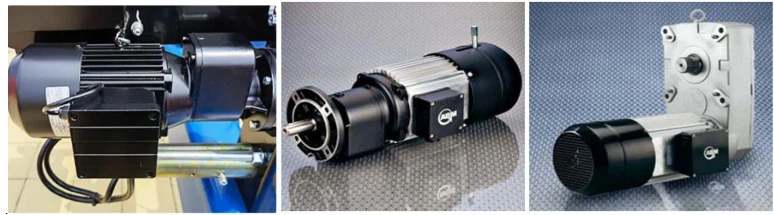
Motor: Certified for hazardous areas (e.g., Ex d, Ex e, or Ex t protection).
Gearbox: Sealed to prevent sparking.
Brake System: Non-sparking, fail-safe electromagnetic brake.
Drum & Rope/Wire Rope: Corrosion-resistant with spark-proof materials.
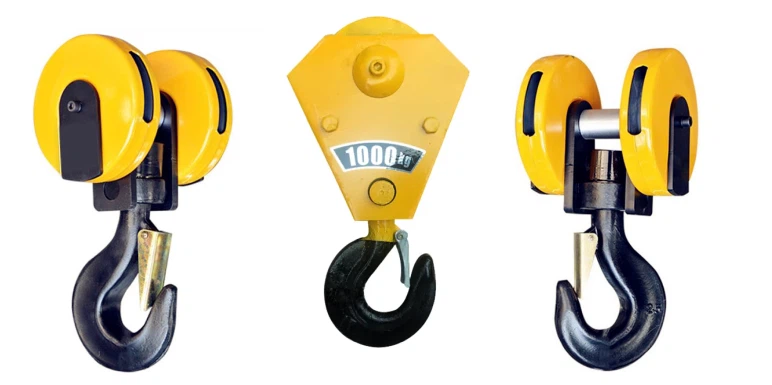
Hook Block: Made of spark-resistant alloy (e.g., stainless steel or bronze).
Standards: ATEX, IECEx, NEC 500/505 (Class I, II, III).
 |
 |
2. Explosion-Proof Trolley
Trolley Frame: Reinforced, anti-static design.
Wheels & Rails: Spark-resistant materials (e.g., non-ferrous alloys).
Travel Motor: Encapsulated to prevent ignition.
 |
 |
3. Explosion-Proof Bridge Girder & End Carriages
Steel Construction: Coated with anti-corrosive, non-sparking paint.
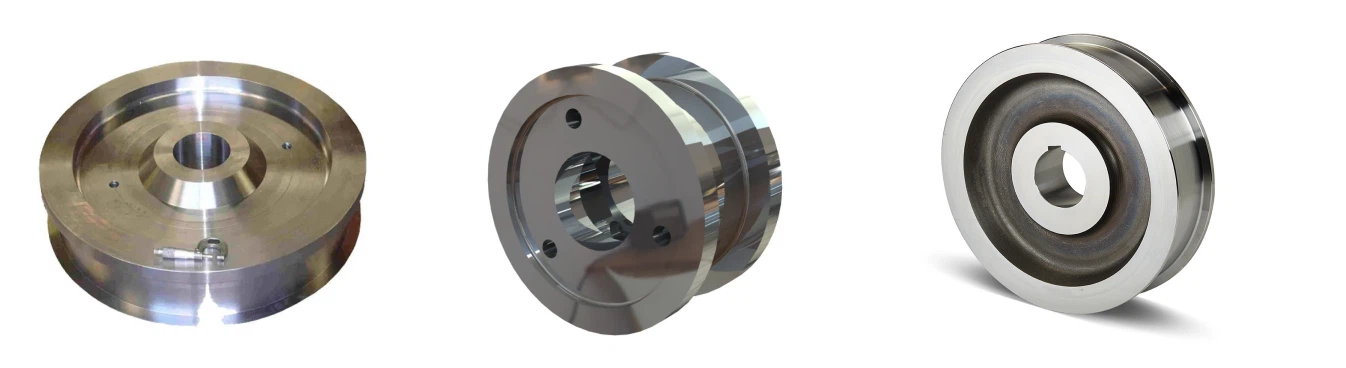
Travel Wheels: Non-sparking (aluminum bronze or stainless steel).
Buffers & Bumpers: Anti-static rubber or conductive materials.
4. Explosion-Proof Electrical System
Control Panel: Flameproof enclosure (Ex d rated).
Pendant Station/Remote Control: Intrinsically safe (Ex ia/ib).
Limit Switches: Explosion-proof housing.
Cable & Wiring: Heavy-duty, shielded, and flame-retardant.
Emergency Stop: Spark-proof button with redundant cut-off.
5. Safety & Auxiliary Components
Overload Limiter: Spark-proof sensor.
Anti-Swing System: For precise load handling.
Lighting (if applicable): Explosion-proof LED fixtures.
Grounding System: Prevents static buildup.

6. Certifications & Compliance
ATEX Directive (EU): Zones 1, 2 (gases); Zones 21, 22 (dust).
IECEx (International): Ex d, Ex e, Ex t ratings.
NEC/CEC (North America): Class I Div 1/2, Class II Div 1/2.
IP Rating: Typically IP55/IP65 for dust/water resistance.
.

7. Optional Upgrades (European Standards)
Variable Frequency Drives (VFDs) – ABB/Siemens (smooth speed control).
Automation (IoT Sensors) – Predictive maintenance, remote monitoring.
Explosion-Proof (ATEX) – For hazardous zones.
Magnetic/Grab Attachments – For scrap, coils, bulk materials.

Why These Components Matter
Prevent Ignition Sources: Every electrical/mechanical element eliminates sparks, heat, or static
Zone-Specific Design: Components match the exact hazard classification (Gas Group IIC/IIB, T1-T6)
Fail-Safe Redundancy: Critical systems have backup circuits and mechanical overrides
For your specific application (oil/gas, chemicals, etc.), we can customize:
Gas Group (IIA/IIB/IIC)
Temperature Class (T1-T6)
Special Coatings (acid-resistant, cryogenic, etc.)
SKETCH

Main technical

Advantages
QB explosion-proof overhead cranes are engineered for hazardous environments where flammable gases, vapors, or combustible dust are present. Their design ensures maximum safety, durability, and efficiency in high-risk industries.
1. Enhanced Safety Features
Explosion-proof motors, electrical components, and controls prevent sparks or overheating.
ATEX, IECEx, UL, and NEC compliance for global hazardous area standards.
Fail-safe brakes and overload protection minimize accident risks.
2. Robust & Corrosion-Resistant Construction
Stainless steel or coated structural parts resist rust and chemical exposure.
Spark-resistant materials (e.g., bronze/aluminum wheels, non-ferrous hooks).
3. High Efficiency & Reliability
Smooth operation with explosion-proof variable frequency drives (VFDs) for precise control.
Low maintenance due to sealed, durable components.
4. Customizable for Hazardous Zones
Adaptable for Zone 1/2 (gases) & Zone 21/22 (dust).
Options for remote control or automated operation to reduce worker exposure.
5. Long Service Life
Designed for harsh industrial conditions (high humidity, chemicals, extreme temps).
Application:
Applications of QB Explosion-Proof Overhead Cranes
These cranes are critical in industries where flammable substances are present:
1. Oil & Gas Industry
Refineries, petrochemical plants, offshore platforms.
Handling fuel tanks, pipelines, and drilling equipment.
2. Chemical & Pharmaceutical Manufacturing
Transporting flammable solvents, powders, and reactive chemicals.
Compliance with GMP & explosive atmosphere regulations.
3. Grain & Food Processing
Flour mills, sugar plants, grain silos (combustible dust risks).
Explosion-proof hoists prevent dust ignition.
4. Mining & Coal Handling
Underground mines, coal preparation plants.
Spark-resistant components for methane (CH₄) and coal dust.
5. Aerospace & Paint Booths
Handling fuel, solvents, and flammable coatings.
Static-dissipative features prevent sparks.
6. Waste Treatment & Recycling
Biogas plants, hazardous waste facilities.
Crane production procedure
1.Design and Engineering
Requirements Gathering:
Load capacity (e.g., 10T, 50T, 100T, etc.), span, lifting height, and operational environment are defined.
Customization needs are assessed, such as control modes (pendant, wireless, cabin) and special features (e.g., anti-collision, overload protection).
Preliminary Design:
Structural engineers and crane designers create the crane's initial design, including the main beam, end carriage, lifting system, trolley system, travel mechanism, and other components.
Calculation and Simulation:
Load calculations are performed to ensure the crane can handle the specified capacity.
Finite element analysis (FEA) may be used to simulate stresses and deflections in the structure to ensure safety and stability.
Detailed Design:
After approval, detailed drawings for each part are made, including the main girder, end carriage, hoist system, motors, control systems, and safety features.
2. Material Procurement
Raw Material Selection:
High-quality materials like steel, alloyed steel, forged steel, and electrical components are sourced according to specifications.
Materials are inspected for quality certification and compliance with industry standards (e.g., ISO, CE).
Component Sourcing:
Standard components such as motors, hoists, control panels, limit switches, and safety devices are sourced from reliable suppliers.
3. Fabrication of Components
Main Girder:
Cutting and welding of steel plates to form the bridge girder.
The girder is assembled by welding or bolting sections, ensuring it meets the required strength and precision.
End Carriage Assembly:
The end carriage is fabricated and assembled to hold the crane on the runway rails.
Wheel assemblies are installed to ensure smooth travel along the rails.
Hoist and Trolley System:
The hoist unit (electric or manual) is assembled, including the drum, wire rope, hook, and motor.
The trolley system is built to transport the hoist across the bridge, including trolley wheels and drive mechanisms.
Crane Traveling Mechanism:
The crane wheels are mounted on the end carriages, ensuring smooth horizontal movement.
The drive system is installed to control travel speed.
4. Assembly of Crane
Main Beam Installation:
The assembled main girder is lifted and positioned onto the end carriages.
The girder is aligned to ensure structural integrity.
Trolley and Hoist Installation:
The trolley system is mounted onto the main girder, and the hoist is mounted to the trolley.
The load chain or wire rope is installed and tested for smooth operation.
Travel Mechanism Setup:
The crane wheels are fitted, and the drive mechanism is connected to the control system for horizontal movement.
5. Electrical and Control System Installation
Wiring and Control Panel:
The control panel is installed and wired to manage all crane movements (hoisting, trolley, crane travel).
Limit switches, emergency stop buttons, and safety alarms are integrated into the control system.
Motor and Gear Installation:
Motors for hoisting, traveling, and the trolley are installed and connected to their respective gear systems.
Testing of Control Systems:
Control systems are checked to ensure proper integration of pendant control, wireless remote, or cabin control options.
6. Testing and Quality Control
Load Testing:
The crane undergoes static load testing (to check stability) and dynamic load testing (to check operational performance under actual working conditions).
Overload protection and limit switches are tested to ensure they function correctly.
Safety System Testing:
The sound and light alarms, limit switches, emergency stop buttons, and safety devices are all tested for functionality.
Movement Testing:
All movements-hoisting, trolley movement, bridge travel, and sway control-are tested for smooth operation and precision.
Electrical Testing:
All electrical components are tested for proper wiring, grounding, and communication between systems.
Documentation and Certification:
The crane is inspected according to international safety standards and undergoes certification by relevant authorities (e.g., CE, ISO).
Test certificates for motors, cranes, and load testing are prepared.
7. Final Inspection and Painting
Visual Inspection:
A thorough inspection is carried out to ensure that the crane meets design specifications and safety requirements.
Painting:
The crane is painted with high-quality anti-corrosion coatings to protect it from environmental conditions.
Marking and Labeling:
Safety labels, warnings, and capacity markings are applied to the crane for proper identification.
8. Delivery and Installation
Shipping:
The crane is carefully disassembled into transportable parts (if needed) and shipped to the customer's location.
Installation:
The crane is installed on-site, and all connections (power, mechanical, control) are made.
Final Commissioning:
The crane is commissioned by running it through a series of operational tests to ensure it works properly.
Operator training is conducted, if necessary, for safe and efficient use.
9. Post-Installation Support
Customer Training:
Operator training on how to use the crane safely and effectively.
Maintenance Schedule:
Providing a maintenance plan for the crane's continued operation, including regular inspections, lubrication, and testing.
After-Sales Support:
Offering spare parts, troubleshooting, and repair services.
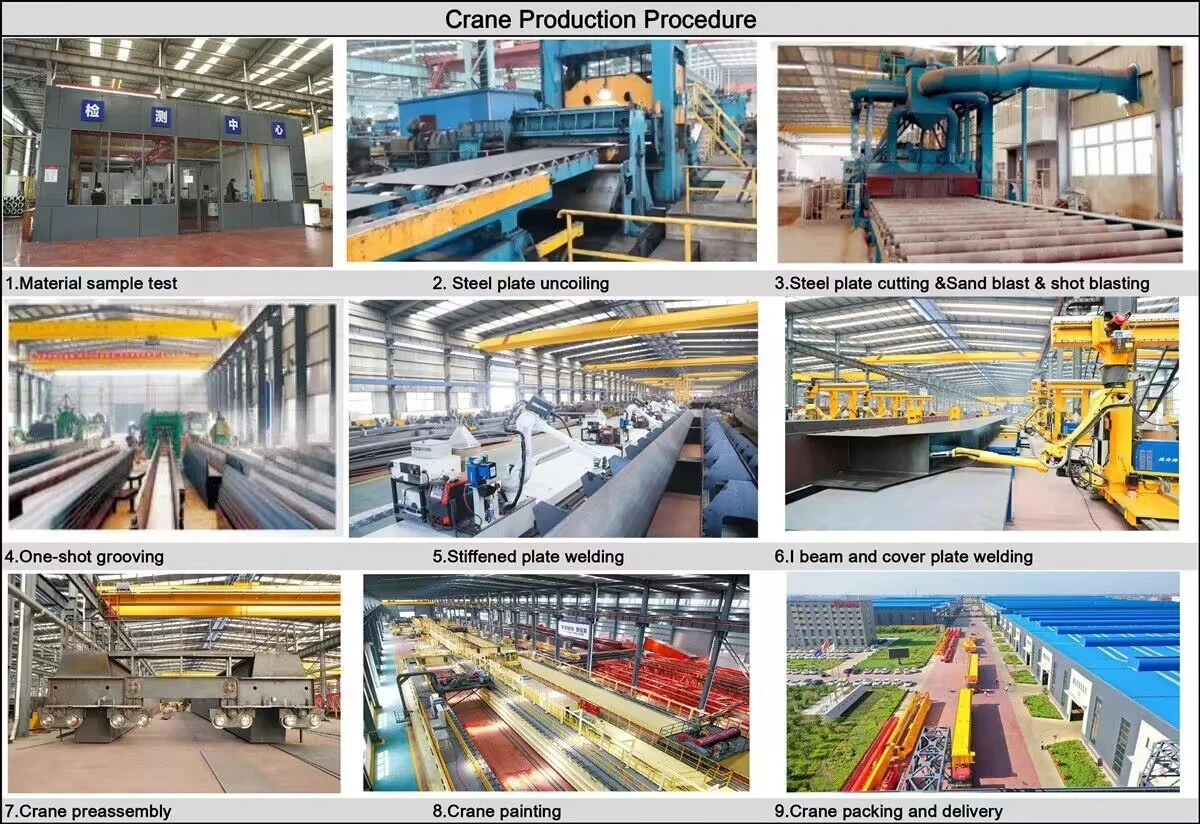
Workshop view:
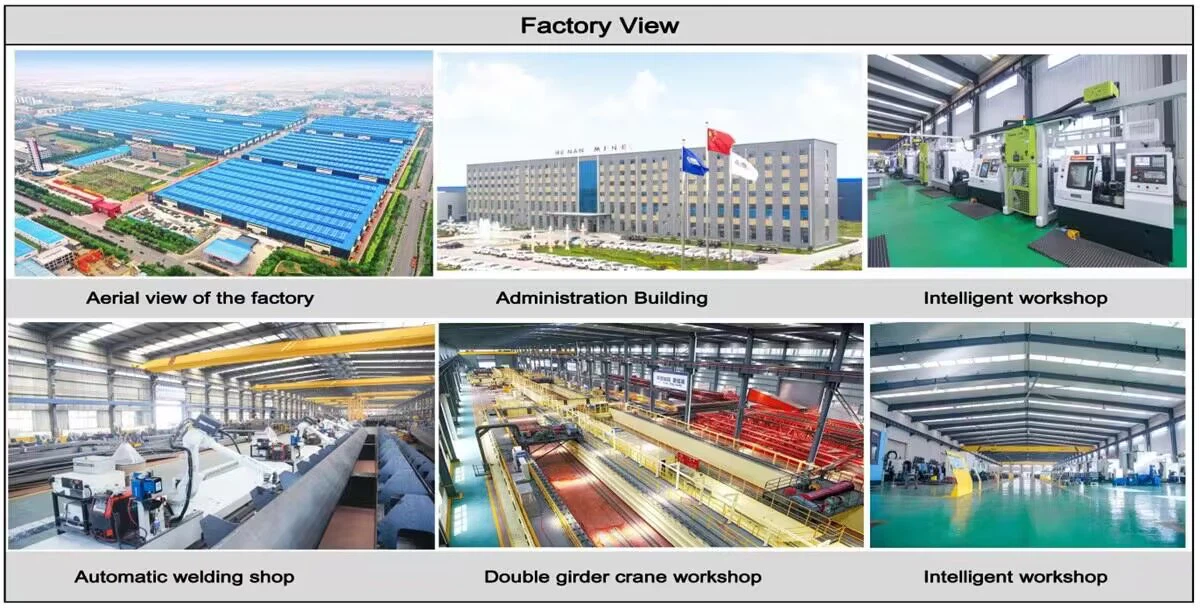
The company has installed an intelligent equipment management platform, and has installed 310 sets (sets) of handling and welding robots. After the completion of the plan, there will be more than 500 sets (sets), and the equipment networking rate will reach 95%. 32 welding lines have been put into use, 50 are planned to be installed, and the automation rate of the entire product line has reached 85%.


Hot Tags: qb explosion proof overhead crane, China qb explosion proof overhead crane manufacturers, suppliers, factory, Double Girder Overhead Travelling Crane, Double Girder Overhead Crane
You Might Also Like


Send Inquiry