








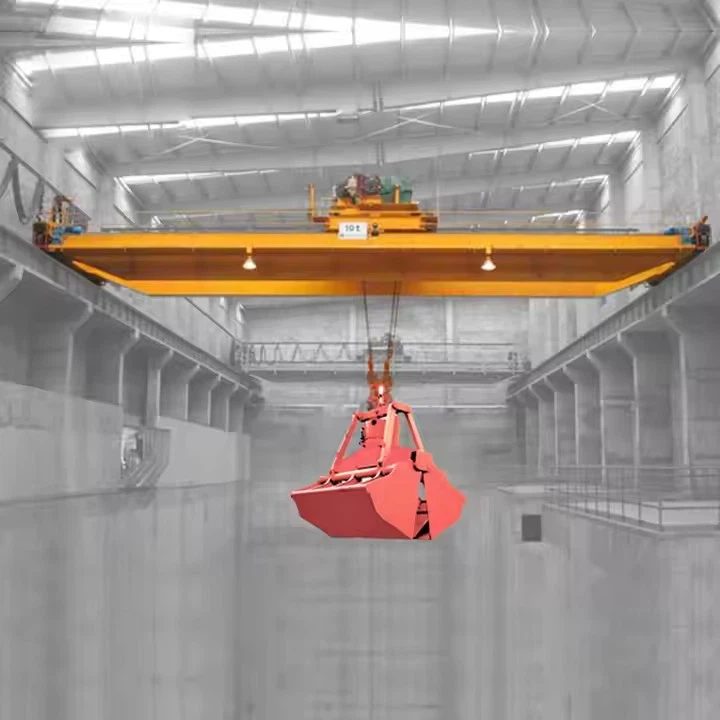

Double Beam Overhead Crane With Electric Bucket Grab
Products Description
What is it?
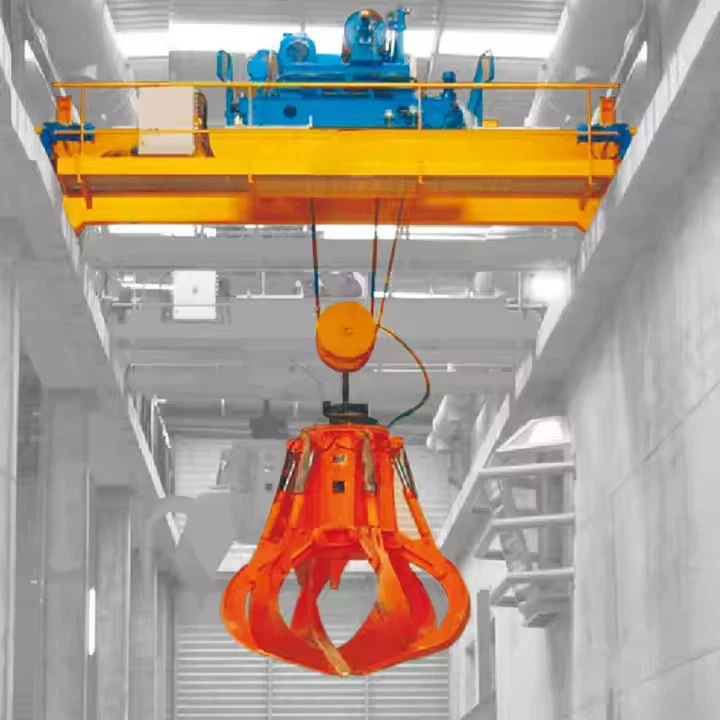
A Double Beam Overhead Crane with an Electric Bucket Grab is an integrated material handling system designed for high-volume, high-cycle grabbing, lifting, and dumping of bulk materials. It consists of two main parts:
Double Girder Overhead Crane: Provides the structural framework and mobility (lifting, cross travel, long travel).
Motorized Electric Grab Bucket: The specialized "hand" that opens, closes, and digs into material using its own built-in electric motor.
This combination creates a highly efficient and automated solution for moving loose materials like scrap metal, grain, coal, and more.
Comparison: Electric Grab vs. Rope-Operated Grab
| Feature | Electric Motorized Grab | 4-Rope Grab |
|---|---|---|
| Operation | Single hoist. Grab has its own motor to open/close. | Requires two hoists (main & auxiliary) on one trolley. |
| Control | Precise, proportional control over opening/closing. | Less precise; control depends on rope coordination. |
| Rigging | Simpler (one set of hoist ropes). | More complex (two independent rope systems). |
| Digging Force | Consistent, powerful motor-driven force. | Force relies on grab weight and rope geometry. |
| Maintenance | Focus on the grab motor and electrical connections. | Focus on wire rope wear and sheave alignment. |
| Best For | Most industrial applications (scrap, coal, grain). | Very deep digging (e.g., unloading ship holds). |
Core Components:Bearing, Gearbox, Motor, Pump
Place of Origin:Henan, China
Warranty:1 Year
Weight (KG):2000 kg
Video outgoing-inspection:Provided
Machinery Test Report:Provided
Design:Double beam
Effectiveness:high efficiency
Operating speed:High speed operation
Stability:Anti-swing function
Color:Optional
Power Source:110V/220V/230V/380V/440V,customized
Span:7.5-31.5m

Pictures & Components
Of course. Here is a detailed breakdown of the components of a Double Beam Overhead Crane with an Electric Bucket Grab.
This system is an integrated combination of two major subsystems: the double girder crane structure and the electrically motorized grab attachment. Understanding the components requires looking at both.
1. Double Girder Overhead Crane Components
This provides the structural support and mobility.
A. Structural System
Main Bridge Girders (x2): The primary horizontal beams, typically fabricated as robust box girders from steel plate. They are designed for minimal deflection under the dynamic load of the moving grab.

End Trucks: Assemblies at each end of the bridge that house the components for longitudinal movement.
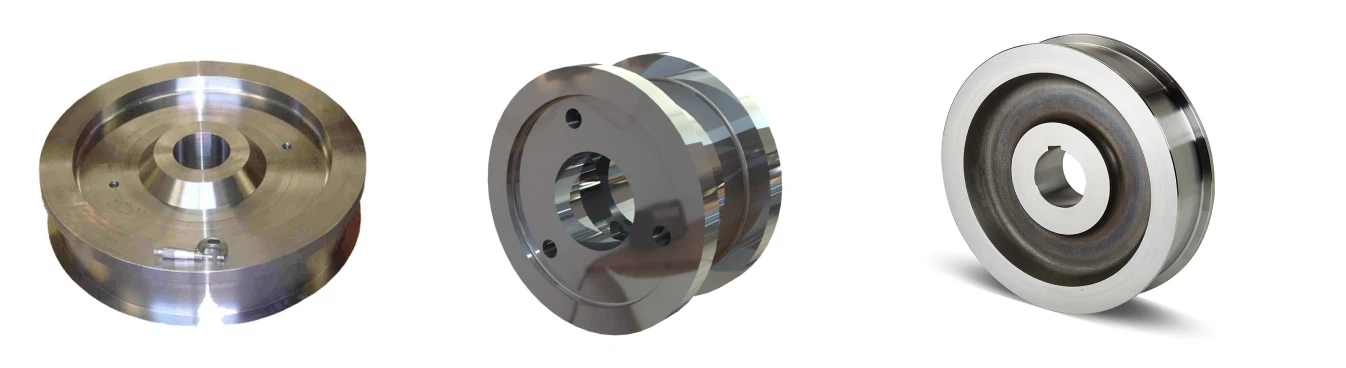
Travel Wheels: Large-diameter, double-flanged wheels that run on the runway rails.
Travel Drive Motors: Electric motors that power the wheels to move the entire crane along the runway.
Brakes: Fail-safe brakes that engage automatically if power is lost.
Runway System: The fixed track installed on the building structure, consisting of heavy-duty runway beams and rails.
 |
 |
B. Hoisting and Trolley System
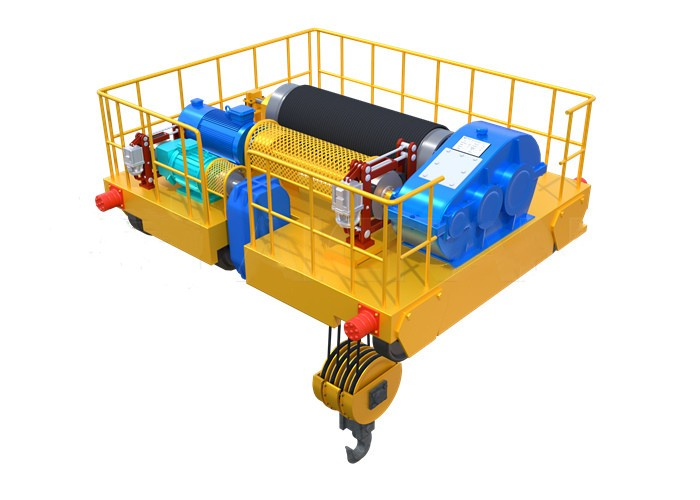
Trolley Frame: The structure that carries the hoist and travels across the top of the two main girders.
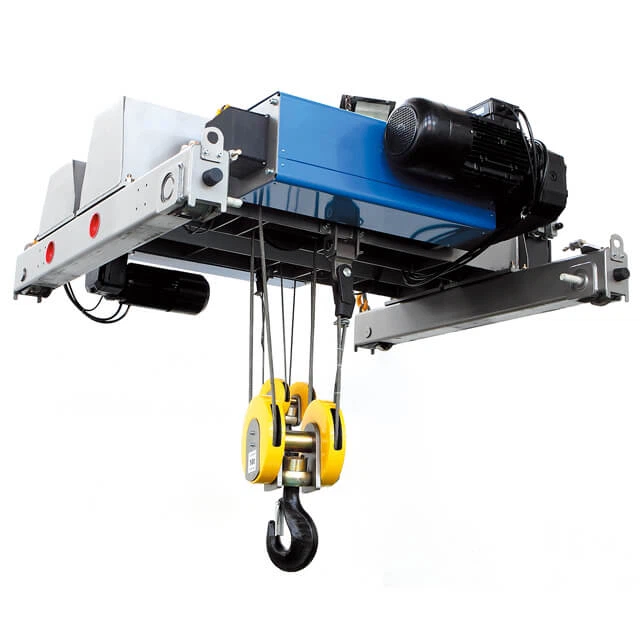
Main Hoist Unit: A heavy-duty electric wire rope hoist responsible for lifting and lowering the entire grab assembly.
Hoist Motor: Provides the lifting power.
Hoist Gearbox: Reduces motor speed to increase lifting torque.
Drum: The cylindrical unit around which the wire rope is wound.
Wire Rope: High-strength, flexible cable that connects the hoist to the grab.
Hoist Brakes: Primary and secondary braking systems for safe load holding.
 |
 |
Trolley Drive: The mechanism that moves the trolley along the bridge girders.
Trolley Drive Motor
Trolley Wheels
C. Electrical System (Crane Side)
Conductor Bar System / Festoon System: Provides power to the crane's trolley as it moves along the bridge. Enclosed conductor bars are preferred for dusty environments.
Control Panel: Houses electrical components like contactors, overload protectors, and Variable Frequency Drives (VFDs) for smooth control of all crane motions.
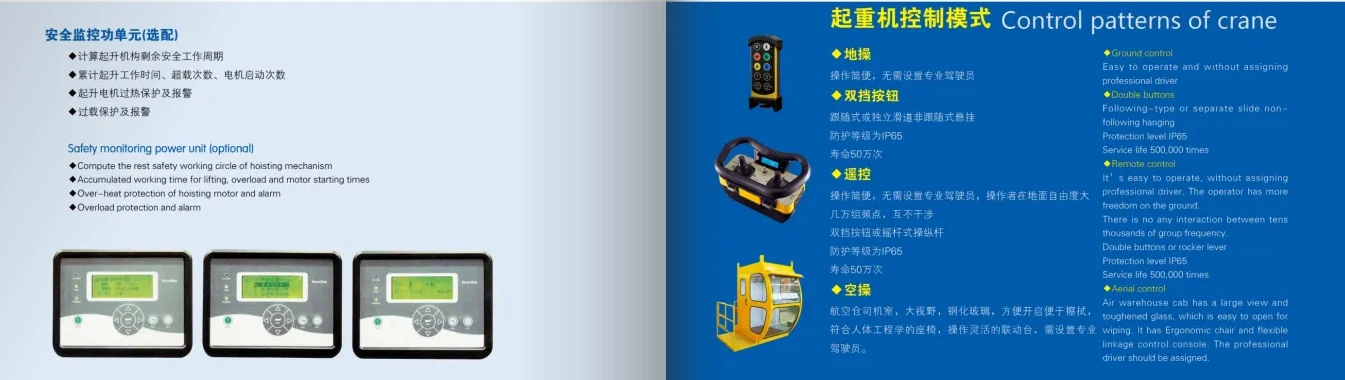
Radio Remote Control: The primary user interface, allowing the operator to control all crane and grab functions from a safe, vantage point.
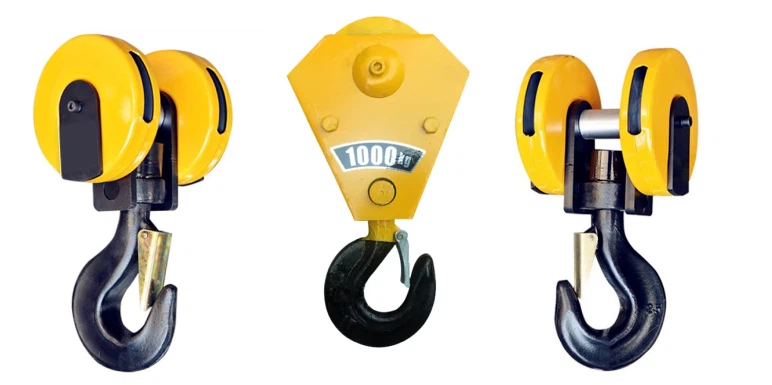
2. Electric Bucket Grab System Components
This is the specialized "hand" that performs the grabbing function.
A. Grab Mechanics
Grab Shell (Jaws): The actual buckets that enclose the material. Typically made from abrasion-resistant steel (e.g., HARDOX) to withstand wear from materials like scrap metal or rock. Design can be clamshell (2 jaws) or orange-peel (4-6 jaws).
Frame & Hanger: The top structure that connects the grab to the crane's hoist and rotator.
Linkage System: A series of levers and pins that translate the force from the closing motor into the opening and closing motion of the jaws.

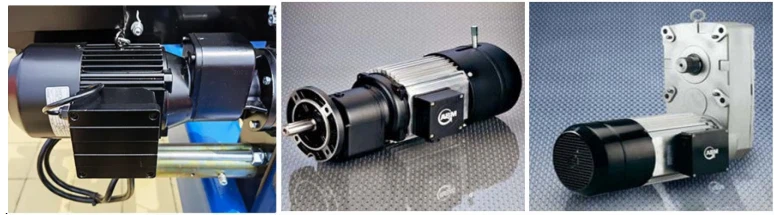
B. Grab Power & Drive System
Electric Grab Motor: The heart of the system. A sealed, high-torque electric motor mounted directly on the grab frame. It provides the positive power to open and close the jaws.
Gear Reducer: Attached to the motor, it reduces the high-speed motor output to the high-torque, low-speed rotation needed to drive the linkage and close the jaws with immense force.
Electrical Connection Box: Located on the grab, it receives power from the crane through a flexible cable.

C. Integration and Control Components
Motorized Rotator: A crucial component mounted between the hoist hook and the grab. It allows the grab to be rotated 360 degrees for precise positioning when dumping. This is a separate motorized unit.
Flexible Power Cable: A heavy-duty, reinforced flexible cable that delivers electricity from the crane's trolley down to the grab's connection box. It is managed by a cable reeling drum or festoon on the trolley to prevent damage.
Control Integration: The grab's open/close commands are integrated into the crane's radio remote control. The operator has dedicated buttons for all functions: Hoist Up/Down, Trolley Travel, Crane Travel, Grab Open/Close, Rotate Left/Right.
Sketch

Main technical

Advantages
The synergy between the robust double girder crane and the intelligent electric grab creates a system with unparalleled advantages:
1. Superior Efficiency and Productivity
High-Speed Cycling: The system automates the entire process-grabbing, lifting, traveling, rotating, and dumping-significantly faster than manual methods or mobile equipment like front-end loaders.
Continuous Operation: Designed for 24/7 severe-duty (Class D & E) cycles, maximizing throughput in demanding environments like scrap yards and power plants.
Reduced Cycle Time: The electric grab provides positive and rapid opening and closing action, unlike rope-operated grabs which rely on gravity and can be slower.
2. Exceptional Operational Control and Precision
Proportional Control: The electric grab motor allows for gradual, metered opening and closing. The operator can grab a partial load, shake the bucket to settle material, and ensure complete discharge without jerking.
360-Degree Rotation: The integrated motorized rotator allows the operator to position the grab at the exact optimal angle for both grabbing and precise dumping into a hopper, truck, or shredder, minimizing spillage.
Excellent Digging Force: The dedicated electric motor on the grab provides consistent, high torque to break into compacted, frozen, or heavy piles (e.g., scrap metal, ore) that other grabs might struggle with.
3. Enhanced Safety
Radio Remote Control: Operators can control the entire system from a safe, strategic vantage point, away from dust, falling debris, and potential splash zones.
Elimination of Manual Labor: Automates the most hazardous aspects of bulk material handling, keeping workers out of danger.
Fail-Safe Brakes: The crane's hoist and drives are equipped with fail-safe brakes that engage automatically in case of a power failure, securing the load.
Stable Platform: The double girder design provides immense stability, preventing sway and ensuring controlled movement of heavy, swinging loads.
4. Reduced Operating Costs and Labor
One-Person Operation: A single operator replaces multiple pieces of mobile equipment and their operators, significantly reducing labor costs.
Lower Maintenance: The system has simpler rigging than a 4-rope grab (only one set of hoist ropes), reducing maintenance complexity and wire rope replacement costs.
High Durability: Constructed with abrasion-resistant steels (e.g., HARDOX) on the grab and robust crane components, leading to a longer lifespan and less downtime for repairs in abrasive environments.
Energy Efficiency: Electric operation is generally more efficient and cheaper than running multiple diesel-powered mobile machines.
5. Versatility and Space Optimization
Overhead Operation: The crane operates in unused overhead space, keeping the floor clear for other traffic, storage, and equipment, unlike mobile equipment that requires wide aisles.
Adaptable Grab: While often configured for a primary material (e.g., scrap metal), the grab can often be changed or modified to handle different types of bulk solids.
Application:
This system is the workhorse of choice for industries that need to move massive volumes of loose, bulk materials efficiently and reliably.
1. Scrap Metal Recycling (Primary Application)
Use: Loading and feeding shredders, shears, and balers; sorting and moving fragmented ferrous and non-ferrous scrap; unloading delivery vehicles.
Why it's Ideal: The electric grab's power is essential for digging into and grappling with dense, irregular scrap piles. The double girder structure handles the extreme loads and dynamic forces.
2. Power Generation Plants
Use: Moving coal, biomass, or other solid fuels from storage piles to conveyor belts that feed the plant's boilers.
Why it's Ideal: Provides precise fuel measurement and blending capabilities by grabbing from different parts of the pile. Operates reliably in all weather conditions.
3. Ports and Bulk Terminals
Use: Unloading bulk carrier ships and transferring cargo like grain, coal, fertilizer, and ore into shore-based storage or onto conveyors/ trucks.
Why it's Ideal: The combination of high lifting capacity, long span, and precise control makes it efficient for ship unloading operations.
4. Mining and Aggregate Processing
Use: Handling ore, gravel, crushed rock, and sand from stockpiles to crushers, screens, or loading areas.
Why it's Ideal: The abrasion-resistant construction of the grab withstands the punishing environment, and the digging force breaks up compacted piles.
5. Foundries and Steel Mills
Use: Charging furnaces with raw materials like coke, limestone, and pig iron; handling sand for casting; moving slag.
Why it's Ideal: The precision control allows for accurate charging of furnace ingredients, and the system can handle high-temperature environments.
6. Waste Management and Recycling
Use: Feeding waste-to-energy incinerators with Municipal Solid Waste (MSW); moving and turning compost; handling recyclables like paper and cardboard.
Why it's Ideal: The automated grapple system efficiently handles large volumes of heterogeneous materials.
Crane production procedure
The manufacturing process of a QDY metallurgical casting bridge crane involves strict quality control and specialized engineering to ensure durability, heat resistance, and safety. Below is a step-by-step breakdown of the production procedure:
1. Design & Engineering
Load & Environment Analysis – Calculations for lifting capacity (5–500+ tons), span, and heat resistance.
CAD/3D Modeling – Structural design, stress simulations (FEA), and compliance with ISO, FEM, or GB standards.
Customization – Optional features (explosion-proofing, insulated hoists, automation) are integrated.
2. Material Selection & Preparation
Main Girders & End Carriages – High-strength steel (Q345B, Q460C) or heat-resistant alloy steel.
Wire Ropes & Hooks – Special heat-treated alloy steel (for molten metal handling).
Electrical Components – High-temperature-resistant cables, motors, and insulation materials.
3. Fabrication of Key Components
A. Bridge Girder Construction
Cutting & Welding – CNC plasma/laser cutting for precision; submerged arc welding (SAW) for high-strength joints.
Heat Treatment – Stress-relieving annealing to prevent deformation.
Machining – Drilling, milling, and surface grinding for assembly accuracy.
B. Hoist & Trolley Assembly
Hoist Drum & Gearbox – Machined for smooth operation; tested under 1.25x rated load.
Heat-Resistant Brakes – Dual-disc or electromagnetic brakes for fail-safe holding.
Ladle Hook & Safety Latch – Forged and ultrasonically tested for cracks.
C. End Trucks & Runway System
Wheel & Rail Machining – Hardened steel wheels for long wear life.
Drive Motors & Reducers – Equipped with anti-skid mechanisms for heavy loads.
4. Electrical & Control System Integration
Festoon/Conductor Bar System – For power supply along the runway.
Variable Frequency Drives (VFDs) – For smooth speed control and energy efficiency.
Safety Circuits – Overload sensors, limit switches, and emergency stop.
Operator Controls – Pendant, cabin, or remote/automated systems.
5. Surface Treatment & Corrosion Protection
Sandblasting (SA 2.5 Grade) – Removes rust and improves paint adhesion.
High-Temp Paint/Coating – Zinc-rich primer + heat-resistant topcoat (up to 800°C).
Critical Component Insulation – Ceramic fiber or refractory coatings on hooks and ropes.
6. Assembly & Testing
A. Pre-Assembly Checks
Dimensional inspection of girders, trolley, and end carriages.
Alignment of runway rails and crane tracks.
B. Load Testing (Per ISO 4310 / GB Standards)
No-Load Test – Checks motor, brake, and travel functions.
Static Load Test – 1.25x rated capacity for 10+ minutes.
Dynamic Load Test – 1.1x rated capacity with repeated movements.
Emergency Brake Test – Verifies fail-safe mechanisms.
C. Heat Resistance Validation (For Foundry Cranes)
Simulated high-temperature exposure (if required).
7. Packaging & Delivery
Disassembly (if needed) – For large cranes, components are shipped separately.
Anti-Corrosion Packaging – VCI film or desiccant for overseas transport.
Documentation – Manuals, test reports, and certifications (CE, ISO, GOST, etc.).
8. Installation & Commissioning (On-Site)
Runway alignment and crane reassembly.
Final load testing and operator training.
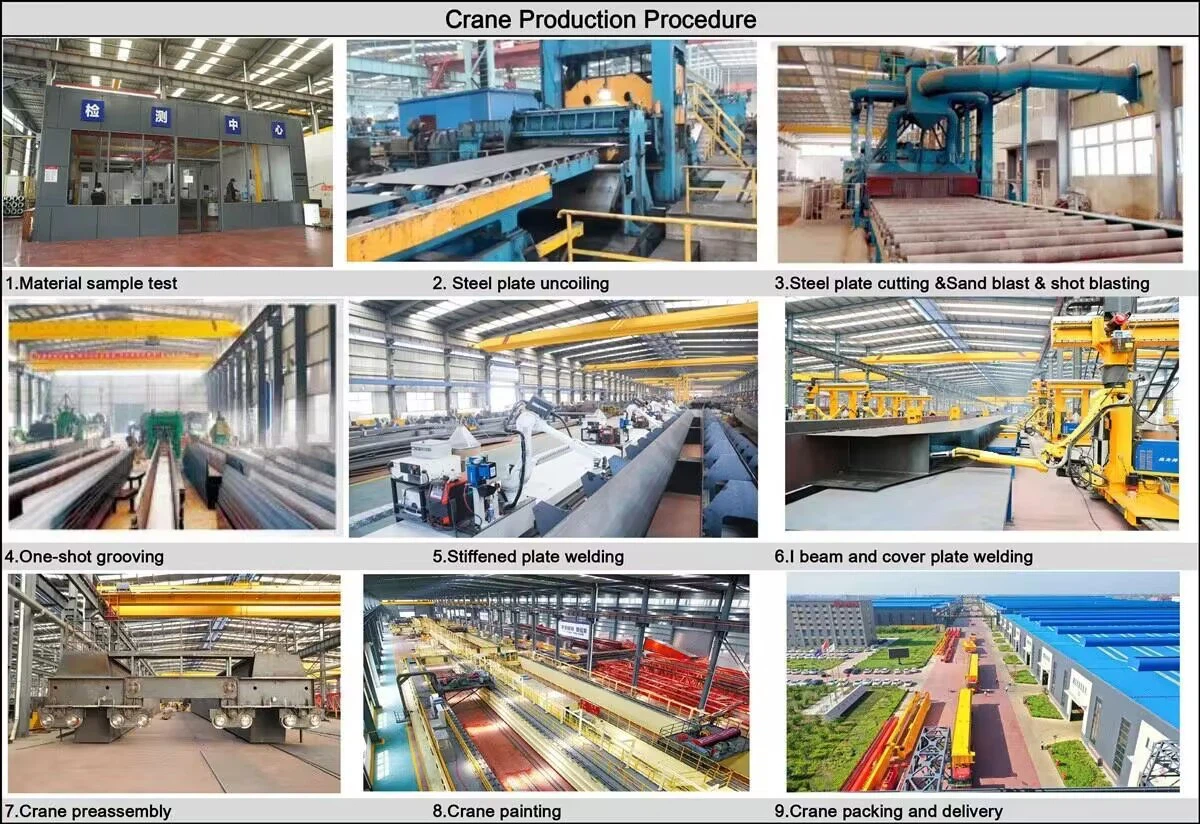
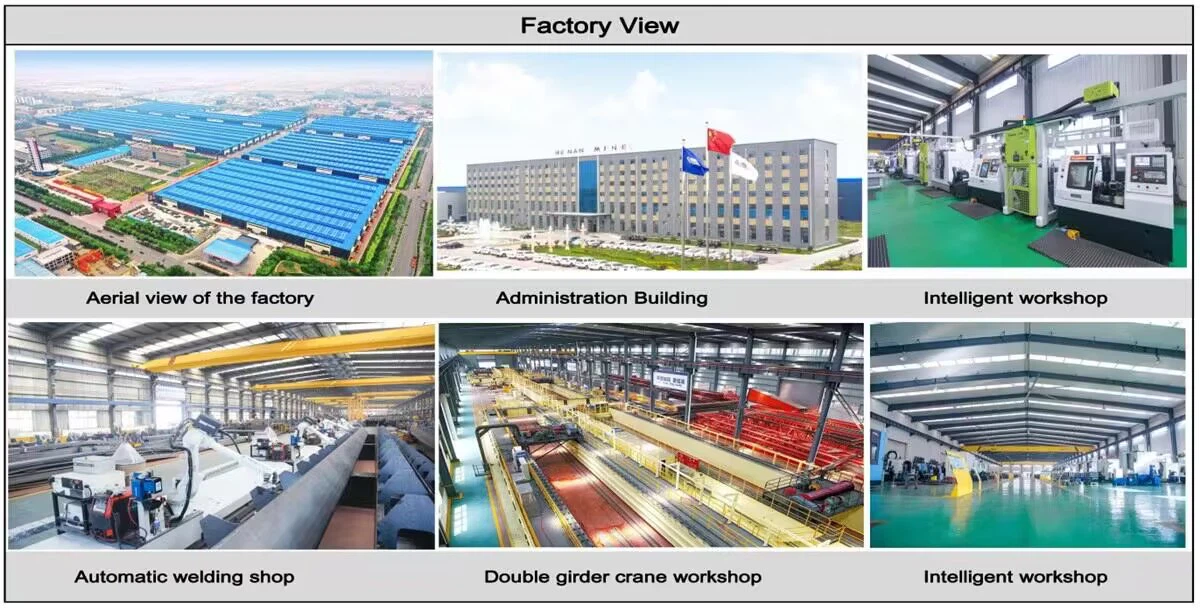
Workshop view:
The company has installed an intelligent equipment management platform, and has installed 310 sets (sets) of handling and welding robots. After the completion of the plan, there will be more than 500 sets (sets), and the equipment networking rate will reach 95%. 32 welding lines have been put into use, 50 are planned to be installed, and the automation rate of the entire product line has reached 85%.


Hot Tags: double beam overhead crane with electric bucket grab, China double beam overhead crane with electric bucket grab manufacturers, suppliers, factory, Double Girder Overhead Crane, Double Girder Overhead Travelling Crane
You Might Also Like


Send Inquiry