








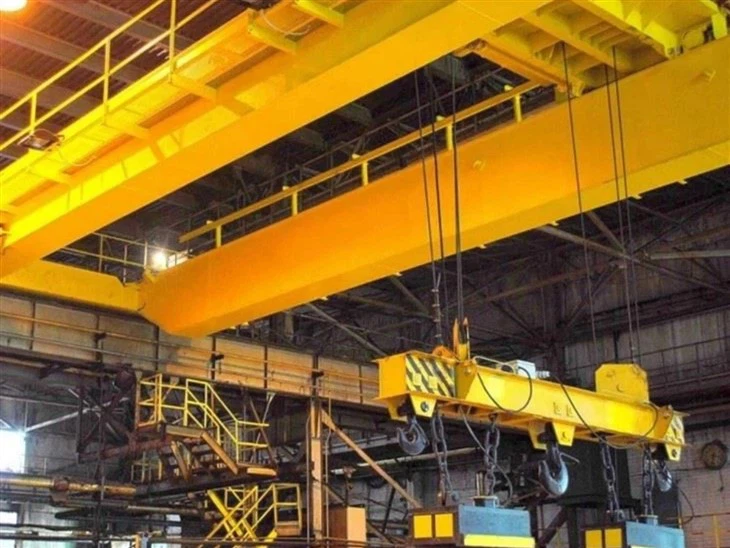


Electromagnet Crane
An electromagnet crane is a type of crane equipped with an electromagnet for lifting and moving heavy metallic objects. The electromagnet is powered by electricity, and when the current is applied, it generates a magnetic field that allows the crane to pick up and move ferrous materials like steel, scrap metal, and other magnetic metals. These cranes are often used in industries such as recycling, steel mills, and warehouses where large quantities of scrap metal need to be handled.
Key Features:
- Electromagnet Technology: The electromagnet is activated and deactivated via electrical power, which makes it more efficient compared to traditional mechanical lifting methods.
- High Lifting Capacity: Electromagnet cranes are designed to lift heavy loads, ranging from small scrap metal pieces to large steel beams or industrial components.
- Durability and Reliability: Built to withstand tough environments, these cranes are highly durable and can operate continuously without significant wear and tear.
- Precision Control: The crane is equipped with controls for fine-tuning the electromagnet's lifting power, ensuring precise handling of materials.
- Safety: Most modern electromagnet cranes are equipped with safety features such as overload protection, emergency stop systems, and automatic deactivation of the electromagnet when it is not in use.
- Energy-Efficient: The crane's electromagnetic system is designed to consume power efficiently, reducing operational costs.

Weight (KG):32000 kg
Max. Lifting Load:32 ton
Span:10.5~31.5m
Product Name:popular selling electric lift magnet 32 ton bridge overhead crane
Control method:Cabin Control
Power Source:3 Phase 380V 50hz
Lifting speed:1-15m/min
Lifting mechanism:Electric Trolley
Color:Optional
Trolley running speed:5-40m/min
Crane running speed:5-100m/min
Pictures & Components

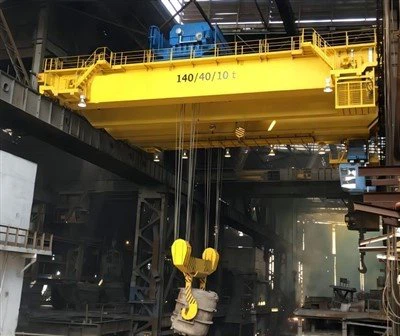
Double Beam (Girder): A Double Beam Electromagnet Crane is a type of crane used in material handling applications, particularly for lifting ferrous materials such as scrap metal. This crane utilizes two beams (typically referred to as "main beams") and an electromagnet to handle heavy loads.

End beam:The end beam of an electromagnet crane is a critical structural component that supports the electromagnet assembly. It is typically located at the front of the crane and connects the crane's main girder or bridge to the electromagnet. The electromagnet itself is used to lift and move ferromagnetic materials, such as steel or scrap metal.
Hoist: A hoist for an electromagnet crane is a device used to lift and lower heavy materials using an electromagnet. This setup is commonly used in industries like scrap metal handling, steel mills, and construction sites for lifting ferromagnetic materials. The hoist is typically powered by an electric motor and uses a winch or drum mechanism to control the lifting and lowering of the load.

Trolley: A trolley of an electromagnet crane is the part that moves the electromagnet along the crane's overhead track. It is essentially a wheeled platform that travels on rails or beams and is responsible for positioning the electromagnet precisely over the load to be lifted.
The electromagnet itself is a large, electrically-powered magnet that can be turned on and off, allowing it to attract and release metal objects. The trolley carries the electromagnet along a horizontal plane, and in combination with the crane's hoist and vertical movement, the electromagnet can lift and move heavy metal materials (like scrap metal) in industrial settings.

Magnet: An electromagnet crane uses a large electromagnet to lift and move heavy ferrous materials (such as steel scrap, iron, or metal components) in industrial settings. The magnet works by creating a magnetic field when an electric current is passed through a coil of wire, typically made from copper, wrapped around a ferrous core (often made of iron or steel).

Control system: The control system of an electromagnet crane is designed to manage the operation of the crane's electromagnet, which is used to lift and transport heavy ferrous objects.

Sketch:

Main Technical Data

Advantages

- Efficient Handling of Magnetic Materials: Electromagnetic cranes are particularly suited for lifting ferrous materials like steel, scrap metal, and iron. The magnetic field generated by the electromagnet allows for easy attachment and detachment of materials without manual intervention.
- Increased Productivity: These cranes allow for faster loading and unloading of materials, reducing downtime and improving overall productivity in warehouses, construction sites, and recycling centers.
- Reduced Labor Costs: Since the crane can automatically lift and move materials using magnetic fields, the need for manual labor is minimized, leading to cost savings on labor.
- Improved Safety: Electromagnetic cranes reduce the need for workers to be in close proximity to heavy loads, minimizing the risk of accidents. The automated lifting process is more stable and reduces the chances of manual errors during lifting.
- Energy Efficiency: Electromagnetic cranes are energy-efficient because the electromagnet only uses energy when it is activated. This makes them more energy-efficient than other types of cranes that might require continuous power for operation.
- Durability and Low Maintenance: Electromagnetic cranes are built to handle heavy-duty lifting with less wear and tear. The absence of mechanical grippers or hooks reduces the potential for damage or malfunction, leading to lower maintenance costs.
- Versatility: These cranes can be used in a variety of settings, from warehouses to scrapyards, to ports. The ability to adjust the strength of the magnetic field means they can lift various weights, providing flexibility in handling different loads.
- Space-Saving: The compact design of an electromagnetic crane allows for efficient use of space, making it ideal for areas with limited room for traditional lifting equipment.

Application

- Scrap Metal Handling: Electromagnetic cranes are widely used in scrap yards to lift and move scrap metal. The crane's magnet can pick up large quantities of metal, such as steel, iron, and aluminum, and transport them to sorting or processing areas.
- Steel Mills: In steel plants, electromagnetic cranes are used to move heavy steel products, such as beams, rods, and billets, from one part of the facility to another. These cranes can handle large, heavy metal loads safely and efficiently.
- Construction: Electromagnetic cranes are also used on construction sites to transport steel beams, rebar, and other ferrous materials needed in the building process.
- Shipping and Ports: In ports, electromagnetic cranes are employed to load and unload scrap metal or other metal goods from ships and containers. This speeds up the loading process and reduces the need for manual labor.
- Automobile Recycling: Electromagnetic cranes can be used in car recycling facilities to lift and transport vehicles, parts, and scrap metal.
- Mining and Quarrying: In mining operations, electromagnetic cranes can be used to handle ore, scrap metal, or other ferrous materials that need to be transported or processed.
Crane Production Procedure
1. Design and Engineering
Requirement Analysis: The first step is to understand the application and capacity requirements, such as load-bearing capacity, span, and lifting height.
Detailed Design: This includes the crane's structural design, electromagnet design, electrical system, and safety features. CAD (Computer-Aided Design) software is often used for creating the detailed design and simulation.
Magnet Design: The electromagnet is designed based on the size and type of materials it will lift. The magnet's core, coil, and current specifications are determined to generate the required lifting force.
2. Material Procurement
Frame Materials: Steel or other high-strength materials are selected for the crane's frame and structural components.
Electromagnet Components: Copper wire for winding coils, steel sheets for the core, insulation materials, and other necessary components for the electromagnet.
3. Fabrication of Structural Components
Welding and Cutting: The frame, boom, and other structural parts of the crane are fabricated using welding, cutting, and bending techniques.
Surface Treatment: The frame components are often treated to prevent rust, which includes galvanizing or painting.
4. Electromagnet Manufacturing
Core Assembly: The core of the electromagnet is assembled, typically from laminated steel sheets to reduce energy losses.
Coil Winding: Copper wire is wound around the core to create the coil. The number of turns in the coil is determined by the required strength of the magnetic field.
Magnet Assembly: The coil is mounted onto the core, and the necessary electrical connections are made.
5. Electrical System Integration
Power Supply Setup: A suitable power source (AC or DC) is provided for the electromagnet to generate the magnetic field.
Control Panel: A control panel is integrated with the system for operation. It includes switches, variable resistors, and safety systems like overload protection.
Wiring and Testing: The crane's wiring, including the power lines, control lines, and safety connections, are laid out and tested for correct functionality.
6. Assembly of Crane Components
Assembly of Crane Frame: The crane frame is assembled with its components such as the jib, hoist, trolley, and rails.
Mounting of Electromagnet: The electromagnet is mounted securely on the crane's lifting mechanism.
Hydraulic or Electric Hoist Integration: The hoist, which powers the lifting mechanism, is connected to the crane's structural system.
7. Testing and Calibration
Load Testing: The crane is tested under load conditions to ensure it can lift and carry the specified weight safely.
Magnetic Testing: The electromagnet's lifting power is tested to ensure that it is capable of lifting the required materials.
Electrical Testing: The electrical system is checked for safety and correct operation, ensuring that the current supplied to the electromagnet is stable and within the required limits.
Operational Testing: The crane's overall functionality, including hoisting, moving, and stopping, is tested to ensure smooth operation.
8. Safety Checks
Overload Protection: The system is equipped with overload protection to ensure the crane does not exceed its safe lifting capacity.
Magnet Release: The magnet release system is tested to ensure safe detachment of the load once the crane is in position.
Emergency Stop and Fail-Safes: Emergency stop systems are checked, and fail-safe mechanisms are verified to avoid accidents during operation.
9. Painting and Finishing
Final Surface Treatment: After testing, the crane is painted or coated for aesthetic appeal and to prevent corrosion.
Labeling and Marking: Safety labels, operating instructions, and other important information are added to the crane.
10. Delivery and Installation
Transportation: Once fully assembled, the crane is prepared for shipment to the client.
Installation: The crane is installed at the client's location, including any necessary adjustments to the structure or environment.
Final Inspection and Commissioning: A final inspection is conducted, and the crane is commissioned to verify its performance on-site.

Workshop View
The company has installed an intelligent equipment management platform, and has installed 310 sets (sets) of handling and welding robots. After the completion of the plan, there will be more than 500 sets (sets), and the equipment networking rate will reach 95%. 32 welding lines have been put into use, 50 are planned to be installed, and the automation rate of the entire product line has reached


Hot Tags: electromagnet crane, China electromagnet crane manufacturers, suppliers, factory, Double Girder Overhead Cranes, Electric Hoist Single Girder Gantry Crane, Steel Rail Wheels, Forged Train Wheels, Steel Mill Overhead Cranes, Train Wheels
Previous
Single Girder EotYou Might Also Like


Send Inquiry