










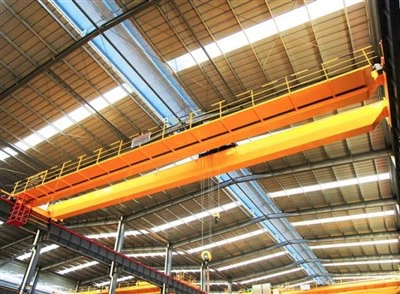
Metallurgical Casting Overhead Crane
Metallurgical Casting Overhead Cranes are specifically engineered to handle molten metal, heavy castings, and other materials used in metallurgical processes, providing reliable and safe lifting solutions in extreme conditions.
Key Features:
High Load Capacity: Designed to lift and transport heavy loads, including molten metal ladles, steel billets, and large casting molds.
Heat Resistance: The crane components, such as the hooks, ropes, and lifting mechanisms, are built to withstand high temperatures commonly encountered in foundries and steel plants.
Durability and Strength: Constructed with high-strength materials to handle the demanding environment of the metalworking industry, ensuring long-term performance.
Precision Control: Equipped with advanced control systems for smooth and precise lifting and lowering operations, essential for safety in environments with molten metal.
Safety Features: Includes redundant safety mechanisms, such as overload protection, emergency stop systems, and fail-safe braking, to protect both operators and materials.
Customization Options: Cranes can be customized to suit the specific needs of the metallurgical process, with different configurations for lifting molten metal, steel products, or heavy castings.
Max. Lifting Height:25M, 15M, 20M
Warranty of core components:1 Year
Warranty:1 Year
Weight (KG):45000 kg
Rated Lifting Moment:3200KN
Max. Lifting Load:320ton
Span:22m-31.5 m
Duty:A7~A8
Protection class:IP55
PLC:Support
Power Source:380~480V 50hz

Pictures & Components
1.Main beam
The main beam of a metallurgical casting overhead crane is one of the crucial structural components that supports the weight of the crane and the load being lifted. It is designed to carry heavy and often molten metal or other hot materials in a metallurgical environment. Here are key features and functions of the main beam in this type of crane:
- Material Strength: The main beam is typically made from high-strength steel or other durable materials to withstand the heavy load and high temperatures found in metallurgical applications.
- Design: The beam usually has an I-beam or box girder design for optimal strength and rigidity. Its shape allows it to bear the loads while minimizing weight.
- Size and Load Capacity: Metallurgical cranes are built to handle heavy loads, sometimes exceeding hundreds of tons. The main beam is designed to bear these extreme weights while maintaining stability and safety.
- Heat Resistance: Given the hot working environment, the main beam is often designed with heat-resistant coatings or materials to prevent warping or damage due to exposure to molten metal or high temperatures.
- Fatigue Resistance: The crane must be durable over long periods of operation. The main beam is designed to resist fatigue due to constant loading, unloading, and possible shock loads in a manufacturing or smelting environment.
- Safety Considerations: In addition to structural integrity, the main beam will include features like limit switches, overload sensors, and safety brakes to ensure that the crane operates safely under heavy loads.
- Maintenance and Inspection: The main beam requires regular maintenance and inspection, especially in harsh environments like metallurgical plants where high temperatures and abrasive materials can cause wear and tear.
2.Lifting System
The lifting system of a metallurgical casting overhead crane is designed to handle heavy loads, often molten metal, molds, and other materials associated with casting processes in a metallurgical plant. It includes several key components:
1. Hoist Mechanism:
The hoist mechanism is the core of the lifting system. It includes the hoist motor, gears, and drum or trolley that control the lifting and lowering of loads.
In metallurgical applications, hoists are typically heavy-duty, designed to handle extremely high loads with precision.
2. Lifting Hooks or Grabs:
The lifting hooks or grabs are specifically designed for the type of material being lifted, whether it's molten metal, ladles, or ingots.
For molten metal handling, special designs such as ladle hooks or electromagnetic grabs are often used for safety and efficiency.
3. Overhead Crane Structure:
The crane structure itself consists of rails, girders, and beams that allow the hoist mechanism to travel along the length of the crane. These structures are usually reinforced to handle the extreme weights of the materials being lifted.
4. Control System:
The control system of the crane typically includes a pendant control, radio control, or automated system that allows operators to control lifting, lowering, and lateral movement with precision.
Safety features such as load limiters, over-speed protection, and anti-sway systems are integral to ensure safety during operation.
5. Drive Mechanism:
The drive mechanism consists of motors, gearboxes, and drives that power the crane's trolley and bridge motions. These motors are specially designed to handle heavy loads and extreme temperatures in the metallurgical environment.
6. Safety Features:
Given the hazardous nature of metallurgy and casting, these cranes include robust safety systems. These may include load sensors, emergency brakes, overload protection, and systems that prevent the crane from operating if it exceeds set parameters.
7. High-Temperature Tolerance:
In a metallurgical plant, the crane and lifting system must tolerate high temperatures, especially when handling molten metal. Materials used in the crane's construction, such as high-temperature resistant steels, are selected for their durability and strength at elevated temperatures.
8. Electromagnetic Lifting (for Molten Metal):
In cases where molten metal is being handled, electromagnetic lifting systems might be used instead of conventional hooks or grabs. Electromagnetic lifting can safely handle the molten metal in ladles, as it avoids direct contact with the metal and reduces the risk of spills.

3.End carriage
The end carriage of a metallurgical casting overhead crane refers to the part of the crane that supports the entire crane structure and facilitates its movement along the tracks. In this context, the end carriage plays a critical role in the lifting and handling of molten metal and heavy casting loads, which require high-strength materials and precise engineering.
Key characteristics of the end carriage for metallurgical casting overhead cranes typically include:
Heavy-duty design: End carriages must be built to withstand high loads and harsh working conditions, such as extreme temperatures and heavy vibrations.
Material selection: High-strength steel or other durable materials are often used to ensure the end carriage can endure the stresses from lifting molten metal or large castings.
Motor and drive system: The end carriage houses the motors, wheels, and drive systems necessary to move the crane along its track. This includes precise gearing and braking systems.
Alignment and stability: Proper alignment is crucial to ensure smooth movement of the crane and prevent wear or damage to the tracks and other crane components.
Safety features: Due to the heavy loads and hazardous environment in metallurgical facilities, safety systems such as overload protection, limit switches, and emergency brakes are incorporated.
4.Crane travelling mechanism
The crane traveling mechanism in a Metallurgical Casting Overhead Crane is a critical component that allows the crane to move horizontally across the workshop or factory floor. This system ensures that the load is transported efficiently and precisely.
1. Traveling Motor
The motor provides the necessary power to drive the crane along the runway. These motors are usually high-performance, heavy-duty types designed to handle the weight and operational demands of industrial environments.
The motor's speed can be variable to offer precise control over the crane's movement.
2. Reduction Gear
The motor is connected to a reduction gear, which reduces the high speed of the motor to a more manageable speed for the crane's travel. It also increases the torque, allowing the crane to carry heavier loads.
3. Drive Wheels
The drive wheels are mounted on the crane's traveling mechanism and are responsible for making contact with the runway rails, enabling the crane to move along its path.
These wheels are usually fitted with high-strength bearings to ensure smooth movement and reduce wear over time.
4. Trolley Girder and Rail System
The overhead crane typically travels along a set of rails mounted on the building structure or gantry frame.
The girder, which forms the main horizontal part of the crane, is supported by trolley wheels that run along these rails.
5. Braking Mechanism
Overhead cranes, especially in heavy-duty applications like metallurgy and casting, need reliable brakes to stop or hold the crane safely in place when needed. Typically, electromagnetic brakes or drum brakes are used for this purpose.
These brakes are designed to handle the high loads and the potential for sudden stops in the operation.
6. Control System
The crane traveling mechanism is often equipped with a control system, which can include a pendant, radio control, or even automated control systems for precise operation.
For heavy-duty cranes used in metallurgical casting, the control system needs to be highly responsive, often integrated with load cells and safety mechanisms to avoid overloads.
7. Safety Features
Limit Switches: Prevent the crane from moving beyond certain points, protecting the structure and load.
Anti-collision Systems: These are particularly important in environments like casting shops, where multiple cranes may be operating simultaneously.
Load Sway Dampening: Since overhead cranes often handle large, heavy molten metal or raw material, sway dampening systems are used to reduce the oscillation of the load during movement.
8. Structural Design
The frame that supports the traveling mechanism must be robust to withstand the extreme environmental conditions in metallurgical plants, including high temperatures, corrosive elements, and heavy shock loads.
5.Trolley travelling mechanism
The trolley travel mechanism of a metallurgical casting overhead crane is an essential component that ensures the crane moves along its track and properly positions the hoist for lifting or placing materials, such as molten metal, molds, or steel products, in a casting process.
1. Trolley Structure:
The trolley is a wheeled structure that runs on a rail or beam system, which is part of the overhead crane. It carries the hoist and is mounted on the crane bridge, typically moving perpendicular to the crane's main girder.
The trolley houses the hoist drum or lifting mechanism and the motor that drives it.
2. Drive Mechanism:
The trolley is usually driven by an electric motor that operates through a reduction gearbox and a set of drive wheels. The wheels are usually powered by a direct current (DC) or alternating current (AC) motor, depending on the crane's design and the specific application.
The drive system is connected to the trolley wheels, which run along the crane rails. The trolley motor typically operates via a frequency inverter that controls the speed and direction of the trolley.
3. Trolley Rails and Bearings:
The trolley travels along rails mounted on the crane bridge. These rails are designed to ensure smooth and efficient motion, and often rail bearings or rollers are used to reduce friction and wear.
To handle high-speed or heavy-duty operations in metallurgical settings, these rails and bearings are usually high-strength, heat-resistant materials to withstand the harsh operating conditions, such as high temperatures from molten metal handling.
4. Control System:
The movement of the trolley is controlled by the operator through a control panel or remote control. The operator can adjust the speed and direction of the trolley depending on the positioning needs of the load.
Some overhead cranes also feature programmable logic controllers (PLCs) that can automate the trolley travel based on certain parameters (such as position or speed), ensuring precise and repeatable movements.
5. Safety Mechanisms:
Given the heavy loads and hazardous materials (like molten metal) in metallurgical casting, the trolley is often equipped with safety features, such as:
Limit switches to prevent over-travel at both ends of the track.
Overload sensors to protect the trolley and hoist from excessive weight.
Emergency stop buttons to halt motion in case of malfunctions.
6.Crane wheel
The crane wheel of a metallurgical casting overhead crane plays a vital role in supporting the crane's movement along the rail track. These wheels are specifically designed to withstand the high stresses, heavy loads, and elevated temperatures typically encountered in steel mills, foundries, or any other industrial environment where molten metal is being handled.
Some key considerations for crane wheels in this setting are:
- Material Selection: High-quality forged steel or other durable alloys are used to withstand the high temperature and heavy loading conditions.
- Heat Resistance: Metallurgical casting overhead cranes are exposed to extreme temperatures, so the crane wheels need to be heat-resistant, often made from materials with high thermal stability.
- Load Capacity: These wheels must support the weight of both the crane itself and the loads it is carrying, which can be substantial in a metallurgical plant.
- Durability: The harsh working environment means the crane wheels need to be extremely durable and wear-resistant to reduce maintenance costs and downtime.
- Precision: Accurate alignment of the wheels is critical for smooth operation and to prevent issues like wear or misalignment, which could affect the crane's performance.
 |
 |
 |
7.Crane Hook
A crane hook in a metallurgical casting overhead crane is a critical component used to lift and move heavy loads, typically in environments like steel mills or foundries where molten metal is handled. Here's a more detailed breakdown of what this component involves:
1. Design & Material
Material: Crane hooks in metallurgical cranes are typically made from high-strength steel alloys, often with heat-resistant and wear-resistant properties. This ensures that they can handle the high temperatures and heavy loads common in metallurgy.
Shape: The hooks are usually designed with a curved shape to secure loads safely and prevent them from slipping off. Some hooks are designed with an additional locking mechanism for extra safety.
2. Features
Heat Resistance: Metallurgical casting overhead cranes often operate in high-temperature environments, so the crane hooks are designed to resist thermal stress. This might involve the use of specialized coatings or heat-treated steel.
Load Capacity: These hooks are built to handle extremely heavy loads, from several tons to more, depending on the capacity of the crane. The load capacity often varies depending on the design of the hook and the crane's lifting mechanism.
Wear Resistance: Since the hook may interact with abrasive materials, including molten metal, slag, and other heavy materials, wear resistance is an important feature. Some hooks have additional layers of hardened steel or coatings for longer service life.
3. Safety Features
Anti-Slip: Many crane hooks come with safety features like anti-slip coatings or devices to ensure that the load remains secure during transportation.
Load Limiters: In some cases, hooks might be equipped with load-limiting devices to prevent lifting loads that exceed the hook's rated capacity.
4. Maintenance & Inspection
Regular inspections and maintenance are essential for metallurgical crane hooks due to the harsh working conditions. This includes checking for signs of wear, deformation, or cracks that could lead to failure.
Lubrication of the moving parts and ensuring that safety features, like locking mechanisms, are functioning correctly is crucial.
 |
 |
 |
Motor
A motor for a metallurgical casting overhead crane is a crucial component responsible for driving the crane's lifting, traveling, and hoisting functions in heavy-duty industrial environments like steel mills or foundries. These cranes are designed to handle extremely heavy loads and operate in high-temperature environments, so the motors used are built for robustness and reliability.
Here are some key aspects of motors for metallurgical casting overhead cranes:
Type of Motor:
Squirrel Cage Induction Motors are commonly used due to their ruggedness and simplicity.
Slip Ring Motors may be used for higher starting torque requirements.
Variable Frequency Drive (VFD) Motors offer adjustable speed control and energy efficiency.
Power Rating: The motor's power rating will depend on the weight of the load being lifted, the speed required, and the operational environment. Larger cranes may require motors with power ratings ranging from tens of kilowatts (kW) to several hundred kW.
Thermal Protection: The high-temperature environment, especially near metal casting operations, requires motors to have thermal protection like temperature sensors to avoid overheating.
Braking Systems: Motors in overhead cranes often come with electromagnetic or dynamic braking systems to ensure safe and controlled stopping of the load.
Efficiency: Motors with higher energy efficiency are preferred as they reduce operational costs and the environmental impact of crane operations.
Cooling: Since the motor will often be exposed to extreme heat, advanced cooling methods (forced air or liquid cooling) might be integrated.

.
Sound and light alarm system & limit switch
Sound and Light Alarm System:
This system is typically installed on cranes to alert operators and nearby personnel of potential hazards, malfunctions, or specific operational conditions. It includes:
Sound Alarms: These are audible alerts that notify operators of issues such as an overload, safety protocol breaches, or mechanical problems.
Light Alarms: These visual signals complement sound alarms, often using flashing lights (e.g., red, yellow, or green) to visually communicate warnings, crane status, or emergency conditions.
These systems help prevent accidents by providing clear and immediate warnings to everyone in the vicinity, especially in noisy industrial environments where auditory cues might be missed.
Limit Switches:
Limit switches are safety devices designed to stop the crane's motion if it exceeds a certain preset limit, thus preventing damage to the crane, the load, or surrounding infrastructure. They can be used to:
Prevent Overtravel: Automatically halts the crane's movement if it moves too far in any direction, ensuring the crane doesn't run into other objects or cause mechanical failure.
Protect Equipment: For example, in casting operations, they help prevent the crane from exceeding height or weight limits, which could damage the equipment or the material being handled.
These systems are particularly important in the hazardous environments typical of metallurgical plants, where molten metals and heavy equipment create significant risks.

10.Safety Devices
1. Overload Protection
Purpose: Prevents the crane from lifting loads that exceed its rated capacity, which can lead to structural damage or failure.
Function: An overload limiter or sensor monitors the load on the crane and triggers an alarm or automatic shutdown if the load exceeds safe limits.
2. Limit Switches
Purpose: Ensures that the crane does not travel beyond its designated travel limit, which could damage the crane or cause dangerous situations.
Function: These switches are placed at the end of the crane's travel paths (hoist, trolley, and bridge). They stop the crane's movement when it reaches its maximum travel position.
3. Emergency Stop Button
Purpose: Provides a quick way to stop the crane in case of an emergency.
Function: A large, easily accessible button that can cut off power to the crane, stopping all motions immediately.
4. Anti-Sway System
Purpose: Reduces the swinging of the load, especially during movement, to prevent accidents or damage.
Function: This system adjusts the crane's movements to control and reduce swinging when hoisting or moving loads.
5. Crane Locking Mechanism
Purpose: Ensures the crane's movements are halted when needed, particularly in case of a malfunction or for maintenance.
Function: The crane may have mechanical locks or brakes that prevent unintended movement during idle periods or in case of power loss.
6. Warning Lights and Audible Alarms
Purpose: Alerts operators and nearby personnel of potential hazards.
Function: Flashing lights, horns, or sirens can warn of crane movement, load lifting, or an emergency situation.
7. Overheat Protection
Purpose: Protects the crane's motors and electrical components from overheating.
Function: Temperature sensors can monitor the crane's motor and electrical systems, triggering a shutdown or warning when temperatures exceed safe limits.
8. Safety Hooks
Purpose: Prevents the load from unintentionally detaching from the crane.
Function: These hooks are designed with mechanisms like latches or safety pins that ensure the load remains securely attached during lifting and moving operations.
11.Control Mode
1. Manual Control Mode:
This is the most basic form of control where the crane operator uses a control panel to manually operate the crane's movements, such as hoisting, trolley movement, and bridge movement.
Typically used for smaller operations or when more precise, hands-on control is needed.
2. Semi-Automatic Control Mode:
In this mode, some functions of the crane, like speed control, load positioning, or movement patterns, are automated, but the operator still has control over certain actions.
This can reduce operator fatigue and improve safety by automating some of the repetitive tasks.
3. Fully Automatic Control Mode:
The crane is controlled by a programmable logic controller (PLC) or other advanced automation systems.
This mode is used in modern, high-efficiency plants and is capable of handling complex tasks, such as loading and unloading molten metal or transporting materials with minimal human intervention.
Typically integrates sensors, cameras, and other technologies to ensure safety, accuracy, and efficiency.
4. Wireless Control Mode:
In some cases, the crane may be controlled remotely using wireless controls, which gives operators more flexibility in monitoring and controlling operations from a distance.
This control mode is typically employed in high-risk areas, such as when the crane is operating over molten metal or in other hazardous environments, reducing the risk to human workers.
5. Programmed Control Mode (Pre-set Program):
Cranes with programmed control can operate based on pre-set programming, such as specific paths or processes.
For example, once the crane is set for a certain operation (like lifting a specific load type), it can be programmed to follow specific movements without needing operator intervention.
6. Safety Control Mode:
Given the nature of metallurgical cranes handling hot, heavy materials, there are typically several built-in safety modes to protect operators, such as load sensors, emergency stop features, and overload protection systems.
Automatic systems may include features that prevent movement when the crane detects an obstruction or when operating conditions are unsafe (e.g., exceeding weight limits or malfunctioning components).

12.Sketch

Main technical data

Advantages
- Enhanced Efficiency: Reduces manual labor and speeds up the material handling process in heavy industries.
- Safety: Specially designed to handle hazardous materials and environments safely, minimizing risks associated with high temperatures and heavy loads.
- Improved Productivity: With high-speed lifting capabilities and accurate positioning, these cranes help increase operational throughput.
Application:
- Steel Mills: Transporting molten steel, billets, and large molds.
- Foundries: Moving molten metal between furnaces, ladles, and pouring stations.
- Casting Plants: Handling heavy castings and raw materials in the production of metal components.
- Forging and Heat Treatment Facilities: Used for lifting heavy components during forging, heat treatment, and other metallurgical processes.
Crane production procedure
The production procedure for a metallurgical casting overhead crane involves several key steps to ensure that the crane is robust, reliable, and capable of handling heavy-duty loads typical in metallurgical environments. Below is a general outline of the production process:
1. Design and Engineering
Preliminary Design: Based on the customer's specifications, including load capacity, span, lifting height, and other operational requirements.
Detailed Engineering: Once the preliminary design is approved, engineers prepare detailed drawings and specifications for all crane components (e.g., trolley, hoist, lifting mechanism).
Load and Stress Analysis: The crane structure is analyzed for stress and load distribution, especially considering the extreme conditions in metallurgical environments (high temperatures, heavy loads, etc.).
2. Material Procurement
High-Strength Steel: For the crane's frame, components like the girder, trolley, and hoist, high-strength structural steel is typically used. Special steel may be used for components that will be exposed to extreme temperatures.
Specialized Parts: Other parts like motors, wheels, control systems, and lifting mechanisms are sourced from reliable suppliers.
3. Fabrication of Crane Components
Welding and Cutting: The steel parts for the frame and other components are cut, welded, and assembled according to the design specifications. Precision is critical to ensure that all components are correctly aligned and fit together.
Machining: Components such as shafts, gears, and wheels are machined to precise dimensions.
Surface Treatment: Some components may undergo surface treatment, such as galvanizing or painting, to prevent corrosion, especially in harsh environments.
4. Assembly of the Crane
Main Girder Assembly: The main beams or girders of the crane are assembled first. These are the primary load-bearing elements of the crane.
Installation of Trolley and Hoist: The trolley and hoist mechanism are installed on the main girder. These components must be precisely aligned to ensure smooth movement.
Installation of Electrical and Control Systems: Electrical wiring and control panels are set up, including safety features like overload protection, limit switches, and variable speed drives.
Testing of Movement: The crane is tested for smooth movement of the trolley, hoist, and other parts to ensure they function correctly under normal operating conditions.
5. Testing and Inspection
Load Testing: The crane is subjected to load testing to verify that it can handle the rated lifting capacity. This may involve lifting a controlled load multiple times to check for proper functioning.
Safety and Performance Checks: Detailed inspection of the crane's mechanical and electrical systems, as well as safety features, to ensure compliance with relevant industry standards.
Final Inspection: A thorough final inspection of the crane, ensuring that all parts are installed correctly and that it functions as expected.
6. Painting and Final Assembly
Corrosion Protection: After assembly, the crane is cleaned and painted with a protective coating to prevent rust and wear, particularly for cranes used in harsh environments like metallurgical plants.
Final Assembly Checks: All remaining small components, such as hook blocks, suspension systems, and accessories, are installed.
7. Commissioning and Delivery
On-Site Installation: Once the crane is transported to the site, it is assembled and installed. This might include final wiring and system setup.
Operational Training: Operators are trained on how to use the crane safely and efficiently.
Final Acceptance Testing: The crane undergoes a final round of testing at the installation site to ensure everything works as per the design specifications.
8. Maintenance and Support
Maintenance Plan: A maintenance schedule is provided, and routine maintenance is recommended to ensure the crane's longevity and continued safe operation.
Spare Parts Availability: The manufacturer typically ensures that spare parts are available for future repairs and upgrades.

Workshop view
The company has installed an intelligent equipment management platform, and has installed 310 sets (sets) of handling and welding robots. After the completion of the plan, there will be more than 500 sets (sets), and the equipment networking rate will reach 95%. 32 welding lines have been put into use, 50 are planned to be installed, and the automation rate of the entire product line has reached.


Hot Tags: metallurgical casting overhead crane, China metallurgical casting overhead crane manufacturers, suppliers, factory, Bridge Crane, Double Girder Bridge Crane with Electric Hoist
Previous
Metals And Metallurgy CraneNext
Box Girder CraneYou Might Also Like


Send Inquiry