










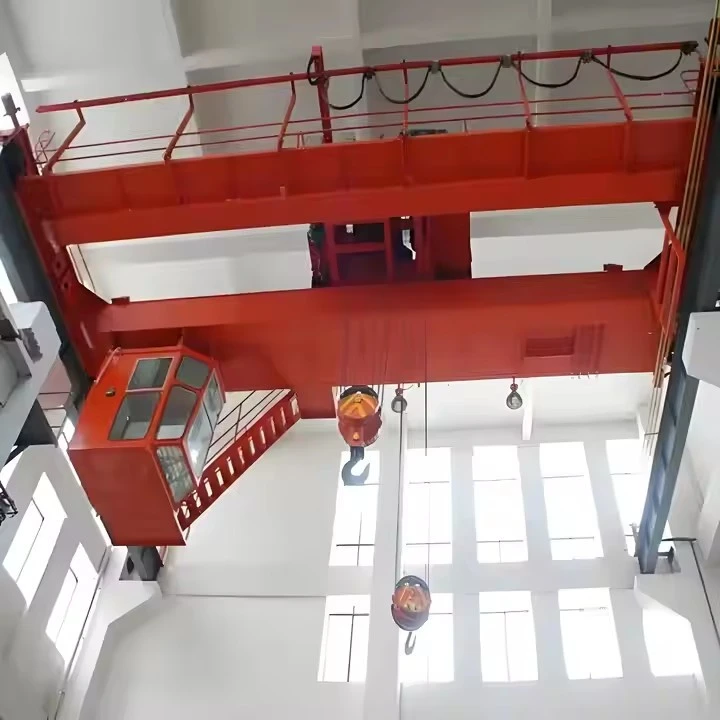
QC Type Overhead Crane
Products Description
Key Features of QC Type Overhead Crane:
Hoisting Mechanism
Equipped with an electric hoist (wire rope or chain) for lifting and lowering loads.
Common capacities range from 1 ton to 550 tons or more.
Bridge Girder Structure
Single Girder (QD type): Cost-effective, suitable for light to medium-duty applications (up to ~20 tons).
Double Girder (QE type): More robust, used for heavy-duty lifting (above 20 tons).
Traveling Mechanism
The crane moves along runway beams installed on building columns or support structures.
End trucks with wheels allow longitudinal movement (crane travel).
The hoist trolley moves horizontally across the bridge (cross travel).
Power Supply
Operates on 3-phase AC power (380V, 415V, 480V, etc., depending on region).
Power is delivered via festoon system, cable reels, or conductor bars.
Control System
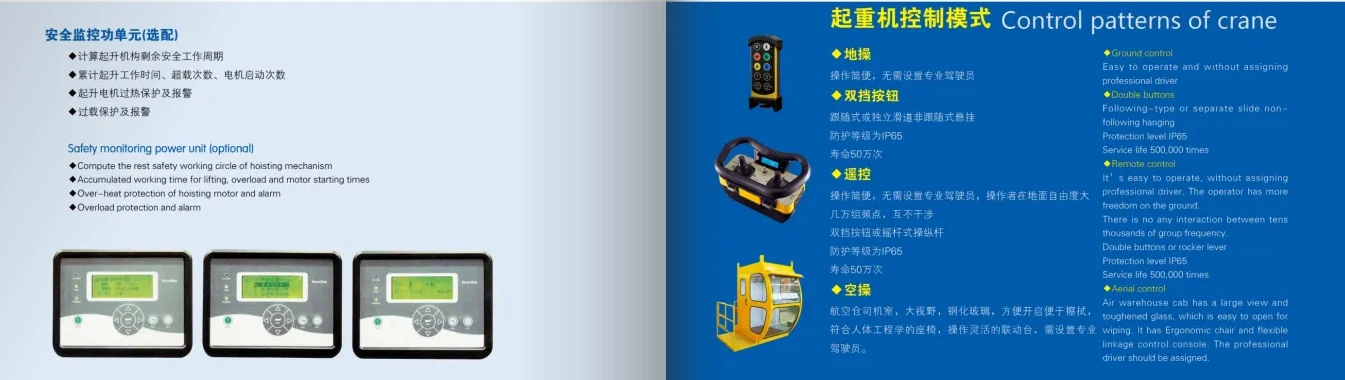
Pendant control (push-button pendant): Operator controls the crane via a hanging control box.
Radio remote control: Wireless operation for flexibility.
Cabin control: For heavy-duty or high-precision applications, an operator sits in a cabin.
Safety Features
Overload protection (limit switches).
Emergency stop buttons.
Anti-collision systems (for multiple cranes).
Limit switches for hoisting and travel motions.
Comparison with Other Crane Types
| Feature | QC Overhead Crane | Gantry Crane | Jib Crane |
|---|---|---|---|
| Mobility | Fixed on runway | Movable on ground | Fixed/Rotary |
| Coverage | Full workshop span | Limited by legs | Small area |
| Load Capacity | Up to 550+ tons | Up to 500 tons | Up to 20 tons |
| Cost | Moderate | High (for large) | Low |
Lifting Capacity 5 – 50 tons (up to 100+ tons for heavy-duty)
Span 10 – 35 meters (adjustable)
Lifting Height 10 – 30 meters
Work Duty Class A6 (Heavy Duty) or A7 (Severe Duty)
Operating Speed - Hoisting: 5 – 20 m/min
-Trolley Travel: 20 – 45 m/min
- Crane Travel: 30 – 60 m/min
Voltage 380V/50Hz or 480V/60Hz (3-phase)
Protection Grade IP55 (dust/water-resistant)
Safety Devices Overload limiter, emergency stop, limit switches, collision avoidance.

Pictures & Components
A QC type overhead crane consists of several key mechanical and electrical components that work together to enable safe and efficient lifting and movement of loads. Below is a detailed breakdown of its major components:
1. Bridge Girder (Main Load-Bearing Structure)
Single Girder (QD type): A single box-section or I-beam for lighter loads (up to ~20 tons).
Double Girder (QE type): Two parallel girders for heavier loads (20+ tons), providing better stability.
End Trucks: Wheeled assemblies at both ends of the girder that allow the crane to travel along the runway rails.

2. Hoisting Mechanism
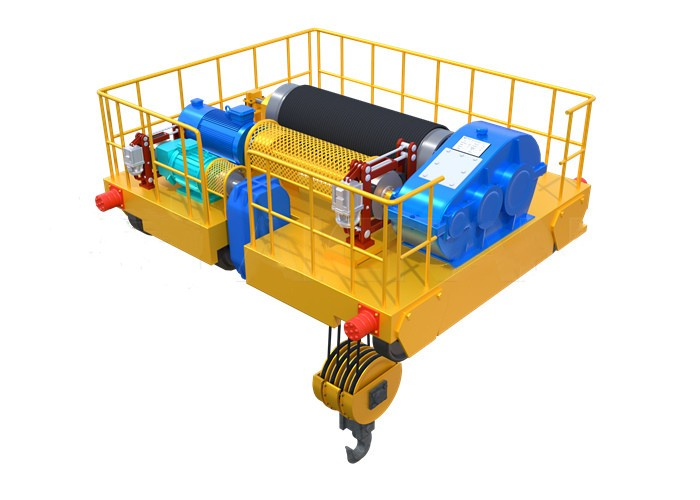
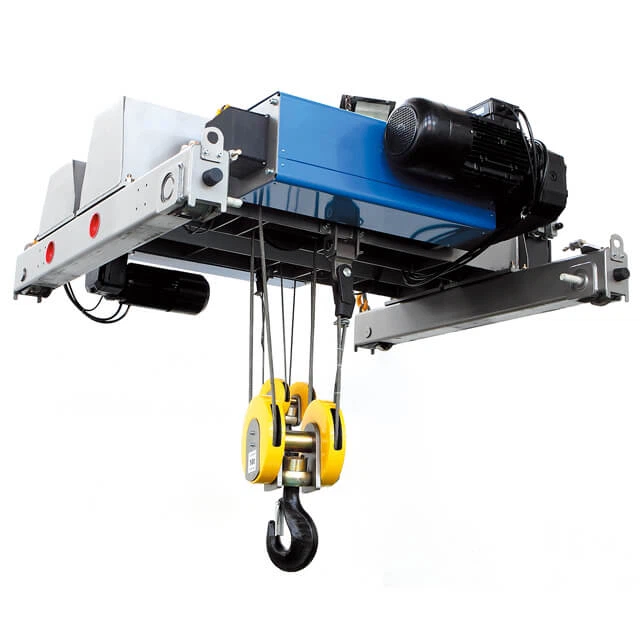
Electric Hoist (Wire Rope or Chain Hoist):
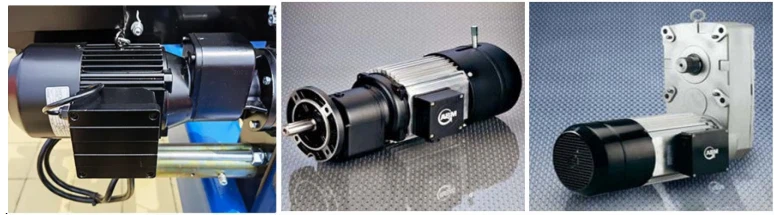
Motor: Powers the hoisting motion (usually AC or DC).
Drum or Chain Sprocket: Winds/unwinds the lifting medium.
Wire Rope/Chain: Lifts the load via a hook or other attachment.
Hook Block: The assembly that holds the load (may include a swivel hook).
Brake: Ensures safe stopping and holding of the load.
 |
 |
3. Trolley (Carries the Hoist Along the Girder)
Trolley Frame: Supports the hoist and moves along the girder.
Trolley Wheels: Roll on the girder's lower flange or rails.
Trolley Drive Motor: Powers the cross-travel motion (left/right movement).
 |
 |
4. Runway System (Supports Crane Movement)
Runway Beams: Installed on building columns or freestanding supports.
Runway Rails: Guide the crane's movement (usually PFC, I-beam, or square rails).
Rail Clamps: Secure the crane when not in use (optional).
5. Traveling Mechanism (Crane Movement)
Drive Motors: Power the crane's longitudinal movement (along the runway).
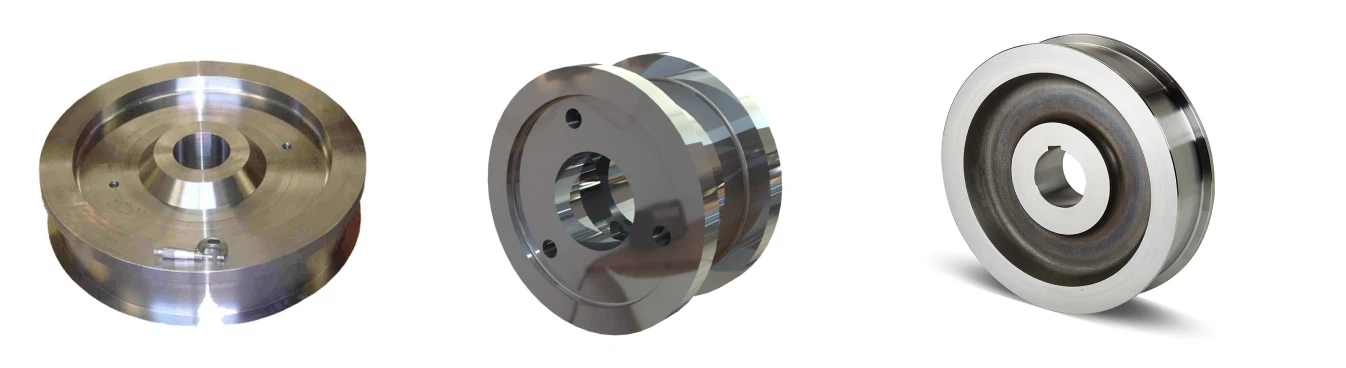
Wheels & Axles: Mounted on end trucks for smooth travel.
Buffers/Shock Absorbers: Reduce impact when the crane reaches limits.
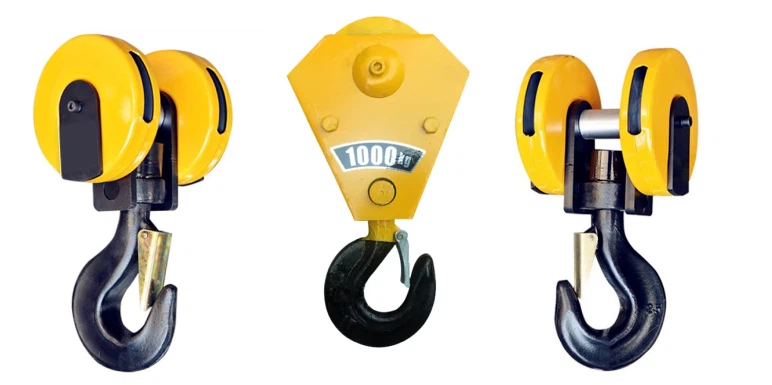
6. Electrical & Control System
Power Supply:
Festoon System (sliding cable tracks).
Cable Reel (for long-travel cranes).
Conductor Bars (for heavy-duty applications).
Control Devices:
Pendant Control (handheld push-button station).
Radio Remote Control (wireless operation).
Cabin Control (for operator cabs).
Limit Switches:
Hoisting Limit Switch (prevents over-lifting).
Travel Limit Switch (stops crane at runway ends).
Variable Frequency Drive (VFD): For smooth speed control (optional).

7. Safety Components
Overload Limiter: Prevents lifting beyond rated capacity.
Emergency Stop Button: Instantly cuts power.
Anti-Collision System: For multiple cranes in the same area.
Warning Devices: Buzzer or beacon for alerts.

8. Optional Accessories
Magnetic Lifter (for steel plates).
Grab Bucket (for bulk materials like coal, sand).
Crane Scales (weighing while lifting).
Crane Cameras (for blind-spot monitoring).
Sketch

Main technical

Advantages
QC type overhead cranes (Electric Overhead Traveling Cranes) are widely used in industrial and construction settings due to their efficiency, reliability, and versatility. Here are their key advantages:
1. High Load Capacity & Lifting Efficiency
Can handle loads from 1 ton to 550+ tons, making them suitable for various industries.
Faster lifting and moving compared to manual hoists or forklifts.
2. Wide Coverage & Flexibility
Moves loads horizontally (along the runway) and vertically (hoisting).
Can cover the entire workspace, unlike fixed cranes.
3. Energy-Efficient & Cost-Effective
Electric operation reduces fuel costs compared to diesel cranes.
Low maintenance compared to mobile cranes.
4. Safe & Reliable Operation
Equipped with overload protection, limit switches, and emergency brakes.
Reduces manual labor risks (fewer accidents than forklifts).
5. Customizable Configurations
Available in single girder (QD type, lighter loads) or double girder (QE type, heavy-duty).
Can be fitted with magnets, grabs, or special hooks for different materials.
6. Smooth & Precise Control
Variable Frequency Drives (VFDs) allow smooth acceleration/deceleration.
Options for pendant control, remote control, or cabin operation.
7. Long Service Life
Robust steel construction ensures durability (20+ years with proper maintenance).
Application:
QC cranes are used in almost every heavy industry for material handling. Common applications include:
1. Manufacturing & Assembly Plants
Moving raw materials (steel, pipes, machinery).
Positioning heavy parts in automotive/aerospace industries.
2. Steel & Metal Industries
Handling steel coils, ingots, and molten metal (with special foundry cranes).
Loading/unloading in rolling mills and forging shops.
3. Warehousing & Logistics
Stacking and transporting heavy goods in distribution centers.
Loading/unloading trucks and containers.
4. Power Plants & Energy Sector
Maintenance of turbines, generators, and transformers.
Handling fuel rods in nuclear plants (with specialized cranes).
5. Construction & Heavy Engineering
Lifting precast concrete, steel beams, and construction materials.
Used in shipyards for assembling large structures.
6. Mining & Bulk Material Handling
Equipped with grabs or buckets for coal, ore, and aggregates.
7. Paper & Chemical Industries
Moving large rolls of paper or chemical containers.
Crane production procedure
The production procedure for a 45-ton Double Girder Overhead Crane involves several key stages, from design to final testing. Below is a detailed step-by-step overview:
1. Design & Engineering
Load & Span Calculation: Determine crane capacity (45 tons), span (distance between rails), lifting height, and duty cycle (FEM/ISO classification).
Structural Design:
Main girders (box-type or truss design)
End carriages (for movement along rails)
Hoist and trolley mechanism
Electrical & Mechanical Design:
Motor power, gearbox, brakes, and control system
Wiring, pendant/radio remote control, or cabin operation
Software & Simulation: Finite Element Analysis (FEA) for stress testing.
2. Material Procurement
Steel Plates & Profiles: High-quality Q235B/Q345B steel for girders.
Electrical Components: Motors (hoist/travel), brakes, limit switches, and control panels.
Mechanical Parts: Wheels, gears, wire ropes, hooks, and bearings.
3. Fabrication of Main Components
A. Double Girder Fabrication
Cutting & Welding: CNC plasma cutting for precision; automatic submerged arc welding (SAW) for girders.
Assembly: Align and weld girders with end carriages.
Shot Blasting & Painting: Anti-rust treatment (primer + topcoat).
B. Hoist & Trolley Assembly
Hoist Mechanism:
45-ton electric wire rope hoist (or chain hoist).
Drum, motor, gearbox, and brake assembly.
Trolley Frame: Fabrication and mounting of wheels, motors, and rails.
C. End Carriages
Frame Construction: Welded steel with wheel assemblies.
Buffers & Bumpers: Installation for collision protection.
4. Electrical System Installation
Wiring & Controls:
Power supply (3-phase AC)
Variable Frequency Drives (VFDs) for smooth operation
Pendant/remote control system
Safety Devices:
Overload limiter
Limit switches (upper/lower travel)
Emergency stop
5. Assembly & Integration
Erection of Girders: Mount double girders onto end carriages.
Trolley & Hoist Installation: Position trolley between girders; secure hoist.
Rail Alignment: Ensure runway rails are level and parallel.
6. Testing & Quality Control
A. Factory Testing (Before Shipment)
No-Load Test: Run crane without load to check movement, brakes, and controls.
Load Test:
Static Test: 1.25 × rated load (56.25 tons) for 10 mins.
Dynamic Test: 1.1 × rated load (49.5 tons) with movements.
Safety Checks: Verify limit switches, emergency stop, and overload protection.
B. On-Site Testing (After Installation)
Re-run load tests under customer supervision.
7. Painting & Corrosion Protection
Final Coating: Weather-resistant paint (e.g., epoxy zinc-rich primer).
Markings: Labels for load capacity, warnings, and manufacturer info.
8. Packaging & Delivery
Disassembly (if needed): For easy transport.
Packaging: Waterproof wrapping for sea/land shipping.
9. Installation & Commissioning (On-Site)
Runway Beam Inspection: Ensure proper alignment and strength.
Crane Assembly: Reassemble girders, hoist, and electrical systems.
Final Testing: Conduct load tests and operator training.
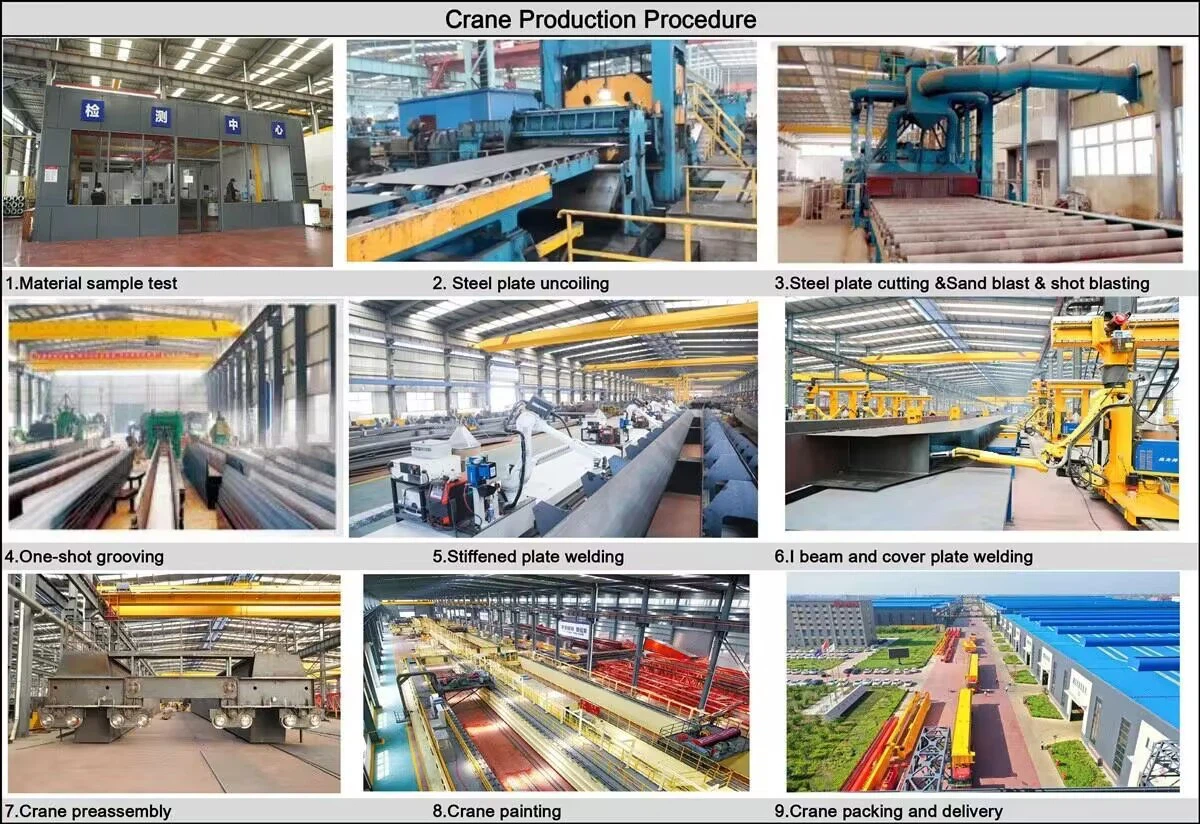
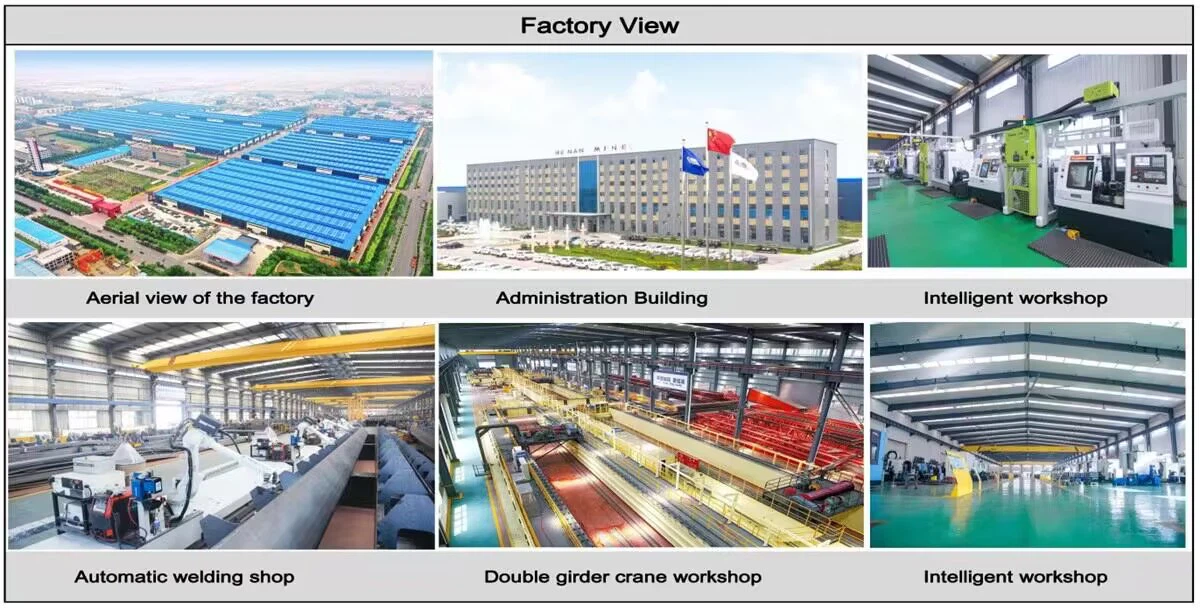
Workshop view:
The company has installed an intelligent equipment management platform, and has installed 310 sets (sets) of handling and welding robots. After the completion of the plan, there will be more than 500 sets (sets), and the equipment networking rate will reach 95%. 32 welding lines have been put into use, 50 are planned to be installed, and the automation rate of the entire product line has reached 85%.


Hot Tags: qc type overhead crane, China qc type overhead crane manufacturers, suppliers, factory, Double Girder Overhead Crane, Double Girder Overhead Travelling Crane
You Might Also Like


Send Inquiry