








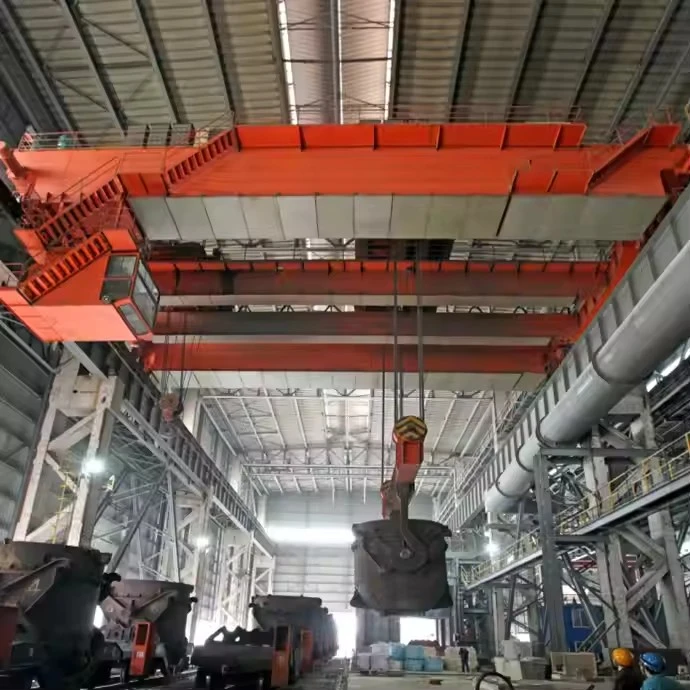

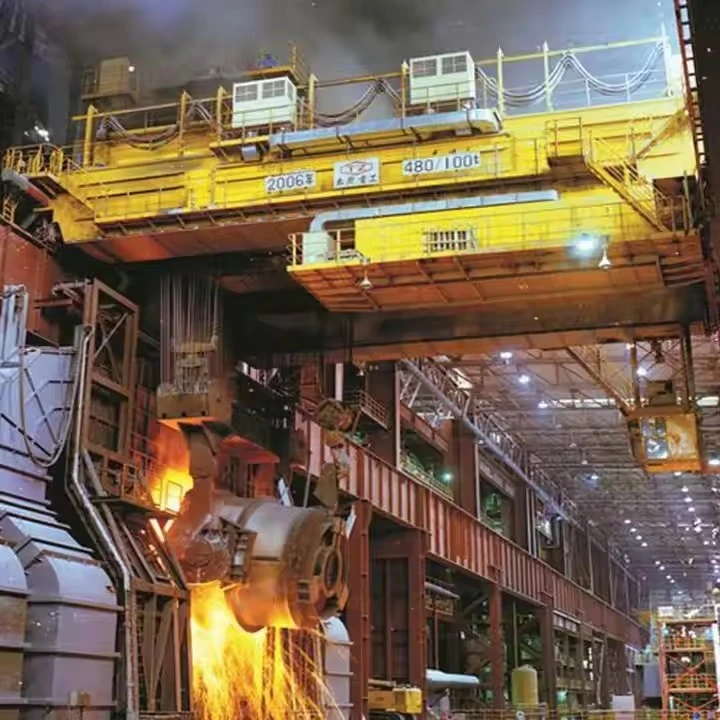
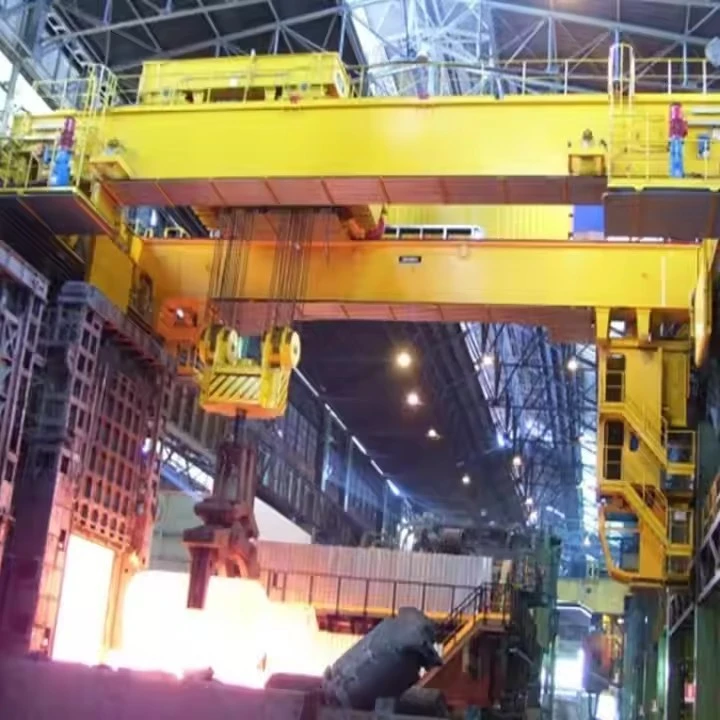
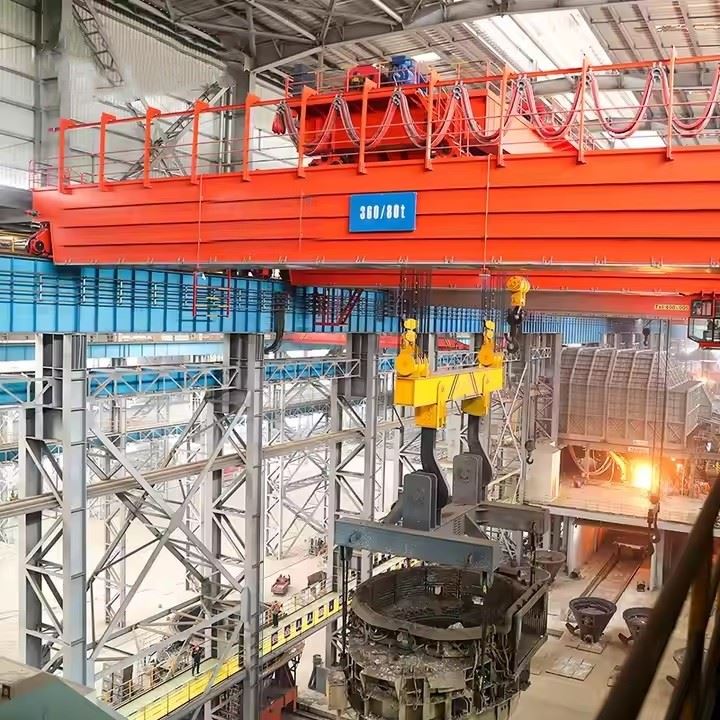
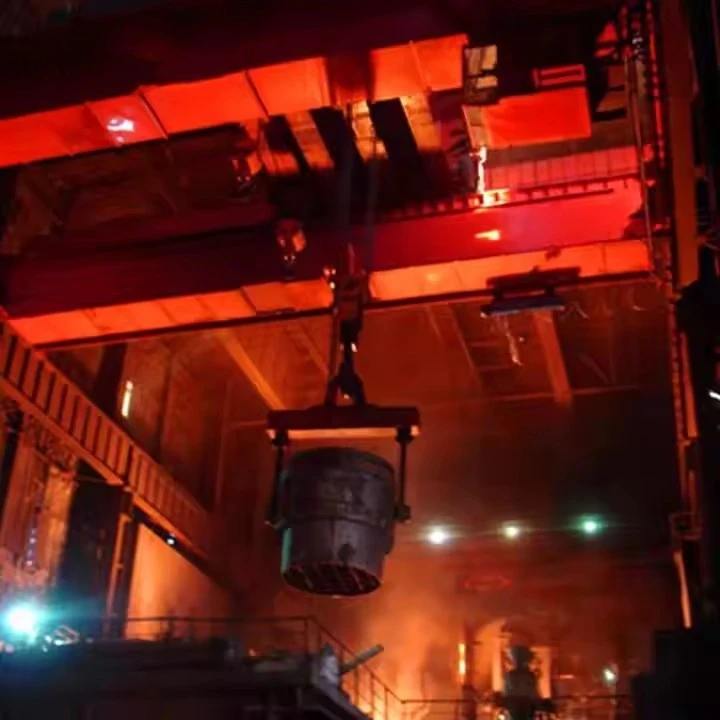
Qb Explosion-proof Double Girder Overhead Crane
Products Description
Key Characteristics and Design Philosophy
The core principle is prevention of ignition. This is achieved by modifying or enclosing all components that could potentially generate a spark, arc, or dangerous surface temperature.
Double Girder Design: Provides the structural strength needed for heavy capacities and the space to house protected components.
Explosion-proof Construction: Every electrical and mechanical component is specifically designed or modified to meet stringent explosion-proof standards.
Hazardous Location Ratings: These cranes are built to comply with international standards for specific hazardous (classified) locations, such as:
Class I, Division 1 & 2: Environments with flammable gases or vapors (e.g., petrochemical plants, refineries).
Class II, Division 1 & 2: Environments with combustible dust (e.g., grain elevators, flour mills, coal handling).
Class III, Division 1 & 2: Environments with ignitable fibers or flyings (e.g., textile mills, woodshops).
Core Components:Bearing, Gearbox, Motor, Pump
Place of Origin:Henan, China
Warranty:1 Year
Weight (KG):2000 kg
Video outgoing-inspection:Provided
Machinery Test Report:Provided
Design:Double beam
Effectiveness:high efficiency
Operating speed:High speed operation
Stability:Anti-swing function
Color:Optional
Power Source:110V/220V/230V/380V/440V,customized
Span:7.5-31.5m

Pictures & Components
This is a highly specialized crane where every single component is designed, modified, or enclosed with one primary goal: to prevent ignition in environments where flammable gases, vapors, dust, or fibers are present.
The components can be categorized by their critical explosion-proof modifications:
1. Structural & Mechanical Components (Non-Sparking Modifications)
These components are modified to prevent mechanical sparks caused by friction or impact.
Main Girders (2): Standard double box girders. While not a direct ignition risk, they provide the robust frame that supports all protected components.
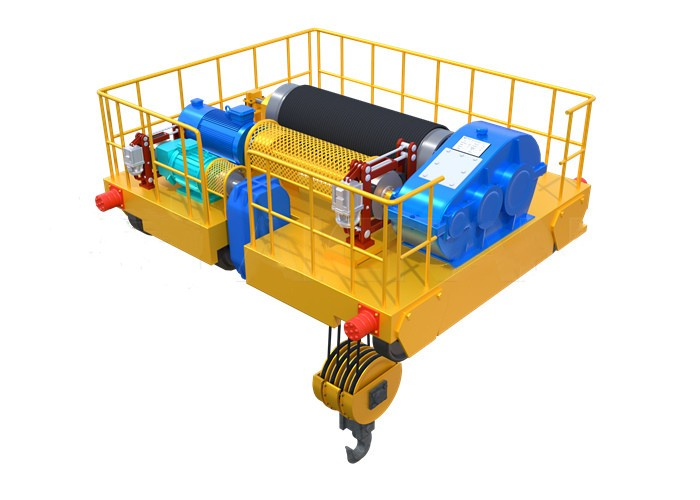
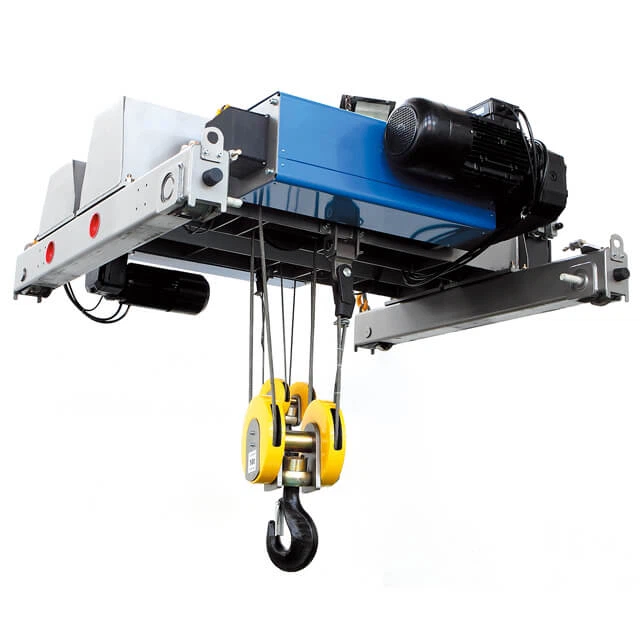
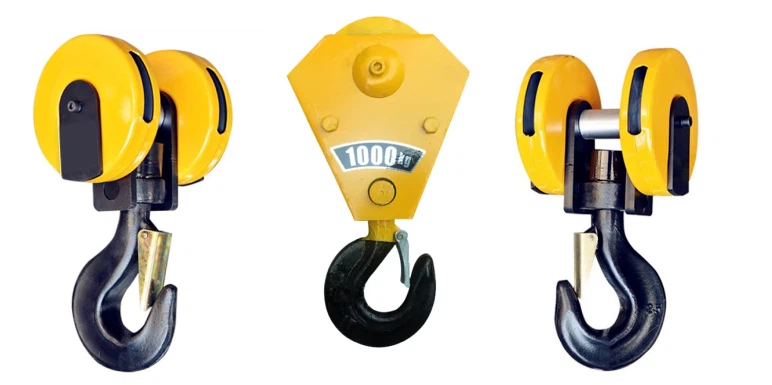
Hook & Hook Block: Made from non-sparking metals like bronze, beryllium copper, or aluminum-bronze alloys. This prevents sparks if the hook accidentally strikes another metal object.

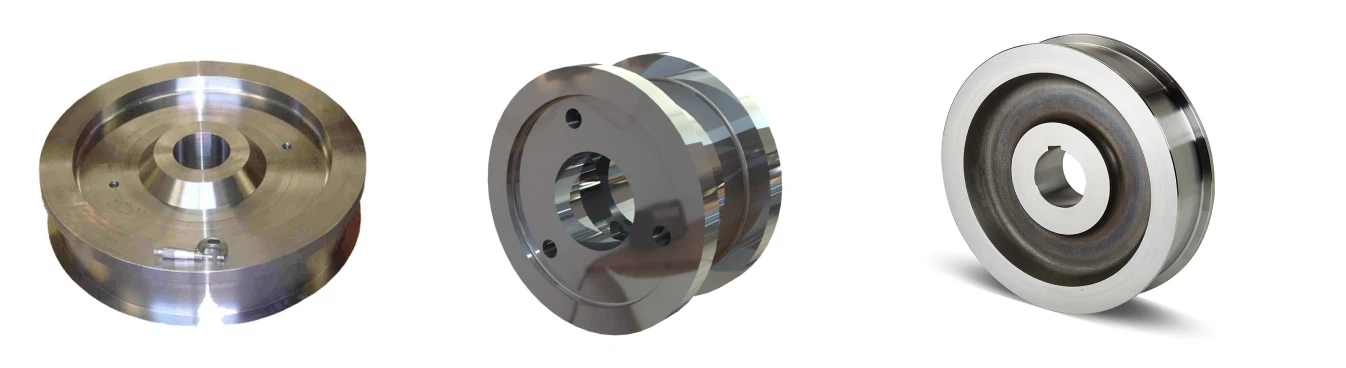
Wheels (Trolley & Bridge Travel):
Option 1: Wheels with non-sparking rims (e.g., bronze rims) pressed onto a steel hub.
Option 2: Entire wheels made from non-sparking materials.
Brake Systems:
Brake Discs/Drums: Made from non-sparking alloys.
Brake Pads/Shoes: Made from specialized non-sparking friction materials.
 |
 |
Rails & Runway: The crane runs on standard steel rails. The spark prevention is handled by the crane's wheels, not the fixed runway.
Anti-Static Wire Rope: The hoist wire rope is often treated or designed to dissipate static electricity and prevent its build-up, which could create a spark.
 |
 |
2. Electrical Components (Explosion-Proof Enclosures & Certified Devices)
This is the core of the QB crane's design. Every electrical device is isolated from the hazardous atmosphere.
Explosion-Proof Enclosures:
Housing: All electrical components are housed in heavy-duty, cast stainless steel or aluminum alloy enclosures.
Flame Path Design: These enclosures have precisely machined flanges. If an explosion occurs inside the box, the flames are cooled as they escape through the narrow gaps (flame paths), preventing them from igniting the external atmosphere.
Components Inside: These enclosures house the control panel, contactors, overload relays, transformers, and terminal blocks.
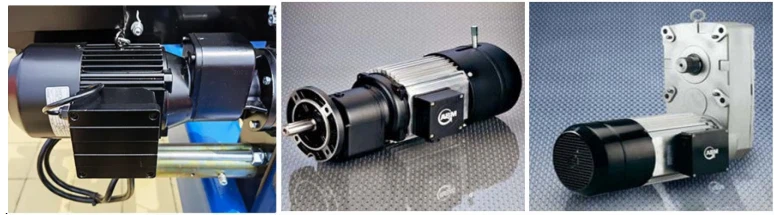
Certified Motors (Hoist, Trolley, Bridge):
Construction: Motors are specifically designed with reinforced casings to contain an internal explosion.
Temperature Rating (T-Code): Motors are certified to have a maximum surface temperature that will not ignite the specific gases or dusts in the operating environment (e.g., T4 rating for a max surface temp of 135°C).
Non-Sparking Cooling Fans: Fan blades are made from non-sparking materials.
Explosion-Proof Festoon System / Conductor Bars:
The power delivery system along the runway is fully enclosed in a protective housing to prevent sparking from sliding contacts or cable movement.
Explosion-Proof Limit Switches & Sensors:
All position sensors (for hoist limit, end-of-travel) are housed in their own certified, sealed enclosures.

3. Control & Operator Interface Components
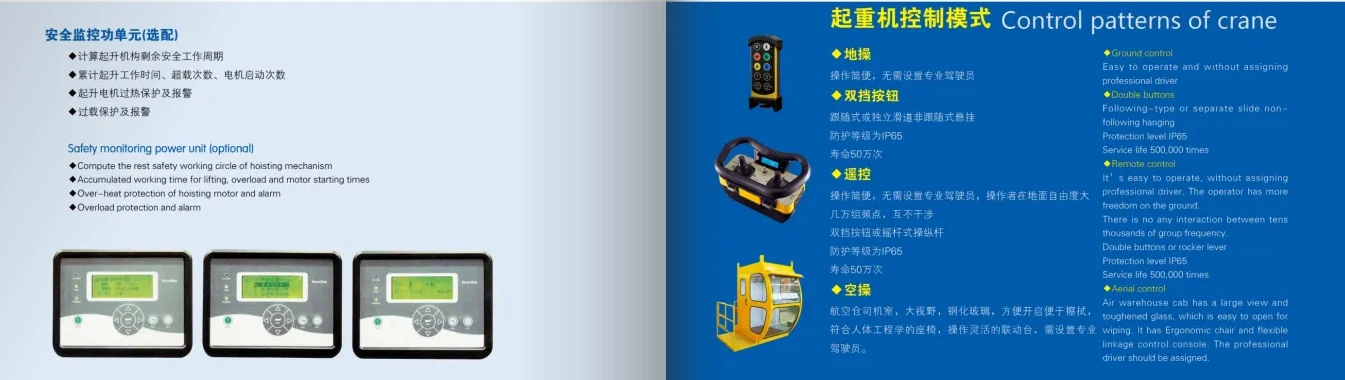
Explosion-Proof Pendant Control Station:
The push-button pendant is a heavy, sealed cast box with a thick glass or polycarbonate window. Buttons are robust and designed to prevent arcing internally.
Certified Radio Remote Control System:
The handheld transmitter must be intrinsically safe or explosion-proof certified for the specific hazardous area classification.
The receiver unit on the crane is housed in an explosion-proof enclosure.
Operator's Cab (if used): The cab itself would be purged with clean air to create a positive pressure safe zone, preventing hazardous atmosphere from entering.

4. Safety & Protection Systems
Earthing / Grounding System:
A meticulous and low-resistance grounding system is installed for the entire crane structure. This is critical to safely dissipate any static electricity build-up and prevent static sparks.
Specialized Paint:
The entire crane is coated with anti-static paint to prevent the build-up of static charge on painted surfaces. It is also highly corrosion-resistant to withstand harsh environments.
Overload Limiter: This critical safety device is also housed in an explosion-proof enclosure.
Sketch

Main technical

Advantages
Advantages of QB Explosion-proof Double Girder Overhead Crane
The advantages are overwhelmingly centered on risk mitigation, safety, and operational integrity in the most challenging industrial settings.
1. Ultimate Safety and Hazard Prevention
Elimination of Ignition Sources: This is the core advantage. Every component is designed to prevent sparks, arcs, and hot surfaces that could ignite flammable substances, protecting personnel, infrastructure, and the environment from catastrophic events.
Comprehensive Protection: Safety is not an add-on but is built into the entire design, from non-sparking mechanical parts to sealed electrical systems.
2. Regulatory Compliance and Risk Mitigation
Meets Stringent Standards: It is designed and certified to comply with rigorous international standards for hazardous locations (e.g., ATEX in Europe, NEC/NEMA in North America, IECEx globally). This allows businesses to operate legally in these high-risk industries.
Reduces Liability: Using certified equipment significantly reduces the company's legal and financial liability in the event of an incident.
3. Uninterrupted Operations in Critical Processes
Enables Production: Many processes in chemical, pharmaceutical, or paint plants cannot function without overhead lifting. The QB crane makes it safe to continue these operations without shutdowns mandated by unsafe equipment.
High Reliability: The components used in explosion-proof designs are inherently more robust, durable, and often offer higher ingress protection (IP ratings) against dust and moisture, leading to greater uptime and reduced failure rates.
4. Long-Term Cost Efficiency
Prevents Catastrophic Loss: The cost of a single explosion dwarfs the higher initial investment in an explosion-proof crane. It is a proactive investment in asset protection.
Durability: Built with corrosion-resistant materials and superior components, these cranes have a long service life even in harsh, corrosive environments common in chemical processing.
5. Environmental Protection
Prevents the release of toxic or flammable materials into the environment that could result from an ignition event.
Application:
Applications of QB Explosion-proof Double Girder Overhead Crane
This crane is mandatory in any industry where explosive atmospheres are present, classified as Class I (Gases/Vapors), Class II (Dust), or Class III (Fibers).
1. Oil & Gas and Petrochemical Industries
Use Case: Refineries, offshore platforms, and petrochemical plants. Handling equipment, pipes, and vessels in areas where flammable gases and vapors like methane, propane, benzene, or hydrogen are present.
2. Chemical and Pharmaceutical Manufacturing
Use Case: Processing plants where flammable solvents (e.g., alcohol, ether, acetone) are used, or where combustible chemical powders are mixed, processed, or handled.
3. Paint and Coatings Manufacturing
Use Case: Facilities producing paint, ink, or adhesive. These environments are saturated with flammable solvent vapors from mixing, filling, and cleaning processes.
4. Grain and Food Processing
Use Case: Grain elevators, flour mills, sugar silos, and spice processing plants. The airborne dust from these materials is highly combustible and can form explosive atmospheres.
5. Wastewater Treatment and Biogas Facilities
Use Case: Areas where methane (CH4) and hydrogen sulfide (H2S) gases are produced and can accumulate, creating a significant explosion risk.
6. Aerospace and Military
Use Case: Fueling areas, hangars, and facilities handling rocket propellants or other volatile substances.
7. Plastics and Woodworking
Use Case: Facilities where plastic powders or wood dust create a combustible dust environment.
Crane production procedure
The manufacturing process of a QDY metallurgical casting bridge crane involves strict quality control and specialized engineering to ensure durability, heat resistance, and safety. Below is a step-by-step breakdown of the production procedure:
1. Design & Engineering
Load & Environment Analysis – Calculations for lifting capacity (5–500+ tons), span, and heat resistance.
CAD/3D Modeling – Structural design, stress simulations (FEA), and compliance with ISO, FEM, or GB standards.
Customization – Optional features (explosion-proofing, insulated hoists, automation) are integrated.
2. Material Selection & Preparation
Main Girders & End Carriages – High-strength steel (Q345B, Q460C) or heat-resistant alloy steel.
Wire Ropes & Hooks – Special heat-treated alloy steel (for molten metal handling).
Electrical Components – High-temperature-resistant cables, motors, and insulation materials.
3. Fabrication of Key Components
A. Bridge Girder Construction
Cutting & Welding – CNC plasma/laser cutting for precision; submerged arc welding (SAW) for high-strength joints.
Heat Treatment – Stress-relieving annealing to prevent deformation.
Machining – Drilling, milling, and surface grinding for assembly accuracy.
B. Hoist & Trolley Assembly
Hoist Drum & Gearbox – Machined for smooth operation; tested under 1.25x rated load.
Heat-Resistant Brakes – Dual-disc or electromagnetic brakes for fail-safe holding.
Ladle Hook & Safety Latch – Forged and ultrasonically tested for cracks.
C. End Trucks & Runway System
Wheel & Rail Machining – Hardened steel wheels for long wear life.
Drive Motors & Reducers – Equipped with anti-skid mechanisms for heavy loads.
4. Electrical & Control System Integration
Festoon/Conductor Bar System – For power supply along the runway.
Variable Frequency Drives (VFDs) – For smooth speed control and energy efficiency.
Safety Circuits – Overload sensors, limit switches, and emergency stop.
Operator Controls – Pendant, cabin, or remote/automated systems.
5. Surface Treatment & Corrosion Protection
Sandblasting (SA 2.5 Grade) – Removes rust and improves paint adhesion.
High-Temp Paint/Coating – Zinc-rich primer + heat-resistant topcoat (up to 800°C).
Critical Component Insulation – Ceramic fiber or refractory coatings on hooks and ropes.
6. Assembly & Testing
A. Pre-Assembly Checks
Dimensional inspection of girders, trolley, and end carriages.
Alignment of runway rails and crane tracks.
B. Load Testing (Per ISO 4310 / GB Standards)
No-Load Test – Checks motor, brake, and travel functions.
Static Load Test – 1.25x rated capacity for 10+ minutes.
Dynamic Load Test – 1.1x rated capacity with repeated movements.
Emergency Brake Test – Verifies fail-safe mechanisms.
C. Heat Resistance Validation (For Foundry Cranes)
Simulated high-temperature exposure (if required).
7. Packaging & Delivery
Disassembly (if needed) – For large cranes, components are shipped separately.
Anti-Corrosion Packaging – VCI film or desiccant for overseas transport.
Documentation – Manuals, test reports, and certifications (CE, ISO, GOST, etc.).
8. Installation & Commissioning (On-Site)
Runway alignment and crane reassembly.
Final load testing and operator training.
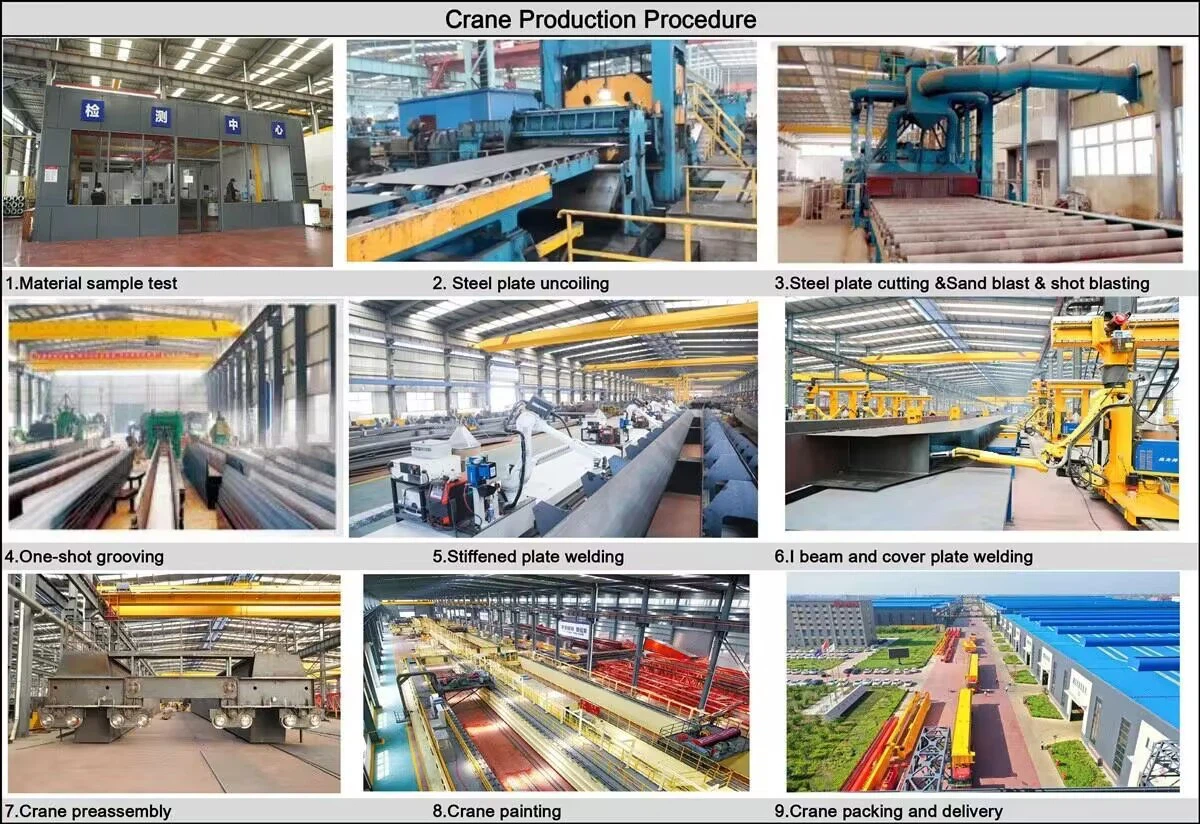
Workshop view:
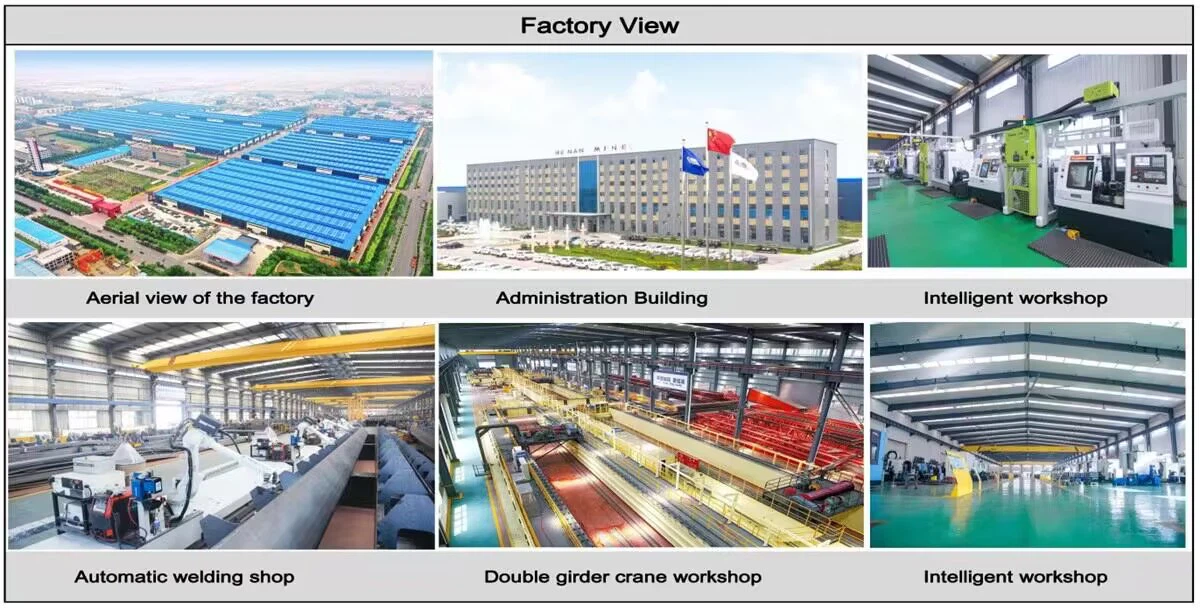
The company has installed an intelligent equipment management platform, and has installed 310 sets (sets) of handling and welding robots. After the completion of the plan, there will be more than 500 sets (sets), and the equipment networking rate will reach 95%. 32 welding lines have been put into use, 50 are planned to be installed, and the automation rate of the entire product line has reached 85%.


Hot Tags: qb explosion-proof double girder overhead crane, China qb explosion-proof double girder overhead crane manufacturers, suppliers, factory, Double Girder Overhead Travelling Crane, Double Girder Overhead Crane
You Might Also Like


Send Inquiry