





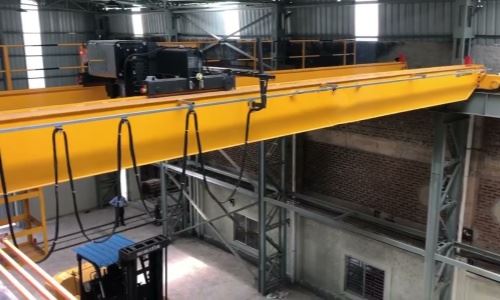


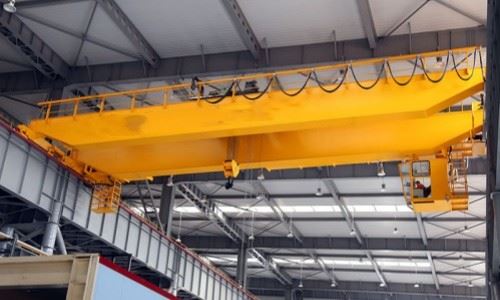
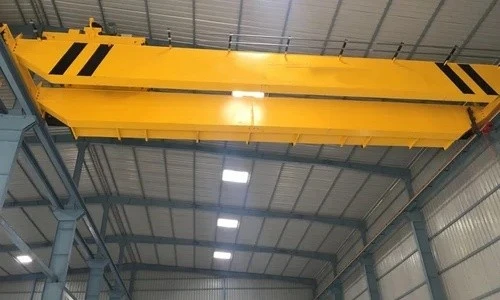

30T Overhead Crane Two Beams
Products Description
Main Features:
Rated Lifting Capacity: 30 tons
Crane Type: Double girder (two-beam) overhead/bridge crane
Span: Usually between 10.5 m and 35 m (customizable)
Lifting Height: 6 m to 30 m or customized
Working Class: A5–A7 (medium to heavy duty) per FEM/ISO
Control Mode: Cabin control, pendant control, or radio remote control
Core Components:Bearing, Gearbox, Motor, Pump
Place of Origin:Henan, China
Warranty:1 Year
Weight (KG):2000 kg
Video outgoing-inspection:Provided
Machinery Test Report:Provided
Design:Double beam
Effectiveness:high efficiency
Operating speed:High speed operation
Stability:Anti-swing function
Color:Optional
Power Source:110V/220V/230V/380V/440V,customized
Span:7.5-31.5m
Pictures & Components
1.Main beam
Structure & Design
Type: Welded box-girder or H-beam structure (box-girder is most common for 30T and above).
Quantity: 2 main beams (parallel), forming the upper part of the bridge.
Steel Material:
Q235B / Q345B carbon structural steel
Optional high-strength steel if span or lifting height is large
Design Standard:
FEM, ISO, or GB depending on your region/requirement
Finite Element Analysis (FEA) used for stress distribution and load safety
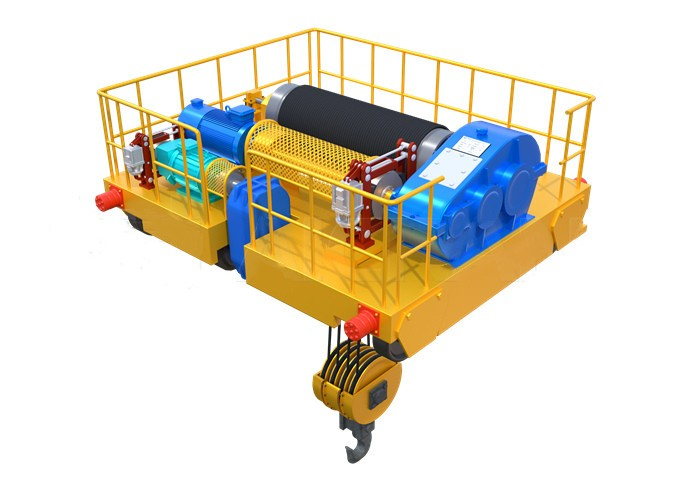
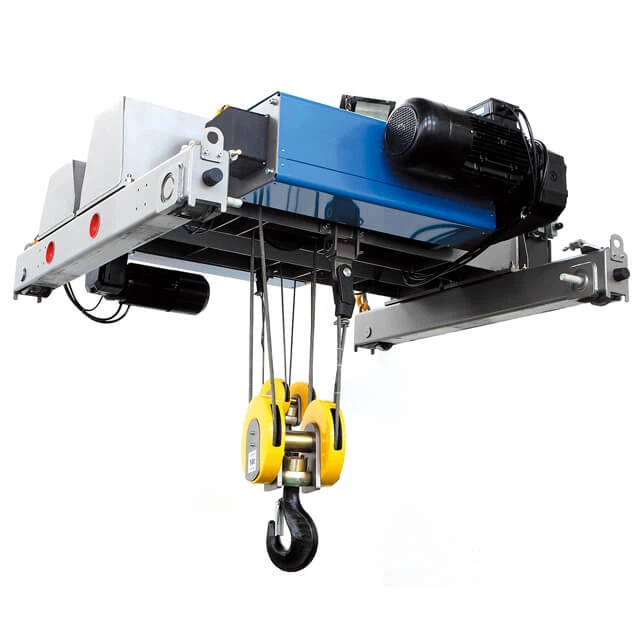
2.Lifting System
Working Principle
When the lifting motor is activated, it rotates the drum via the gearbox, winding or unwinding the wire rope.
The hook block raises or lowers depending on the drum rotation.
The braking system ensures the load stays suspended when not in motion.
Limit switches stop lifting automatically at max height or bottom travel.
 |
 |
3.End carriage
Material:Made of Q235B/Q345B carbon steel (rectangular box beam structure)
Welding:High-precision welded structure, stress-relieved to avoid deformation
Connection to Main Beam:Flange plate bolted or welded to main girders with machined surfaces
Precision Machining:Wheel bases and connection holes are CNC-machined for perfect alignment
 |
 |
4.Crane travelling mechanism
End Carriages:Located at both ends of the crane bridge; support wheels and drives
Travel Wheels:Steel wheels mounted on end carriages that roll along runway rails
Drive Motors:Power the movement of the crane along the rails
Gear Reducers:Match the motor speed to torque requirements
Brakes:Electromagnetic or hydraulic, automatically engage when motor stops
Control System:Operated via pendant, remote, or cabin
Frequency Inverter (VFD):Allows smooth acceleration and deceleration, protects the mechanism
5.Trolley travelling mechanism
Drive Mechanism
Motor Type:
Standard: Squirrel-cage or wound-rotor motor
Euro-style: Compact three-in-one motor (motor + brake + reducer)
Drive Mode:
One motor with cross shaft (for light-duty trolleys)
Two-motor drive (more stable for 30T and above)
Travel Speed: Typically 2–30 m/min, adjustable with VFD (inverter) for smooth acceleration and deceleration
Motor Power: Usually between 3–7.5 kW, depending on load and required speed
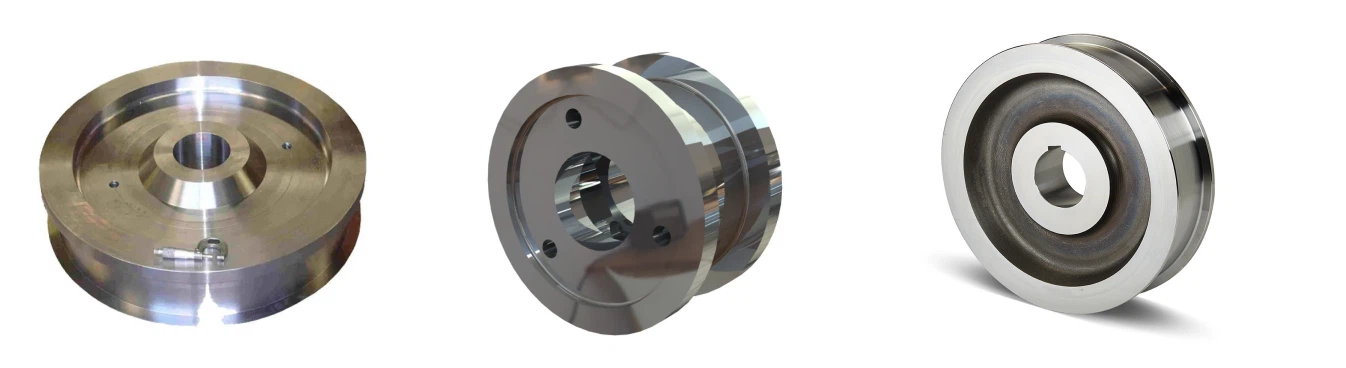
6.Crane wheel
Bridge Travel Wheels:Mounted on the end carriages, ride on runway rails
Trolley Travel Wheels:Mounted under the hoisting trolley, run on rails atop the main girders
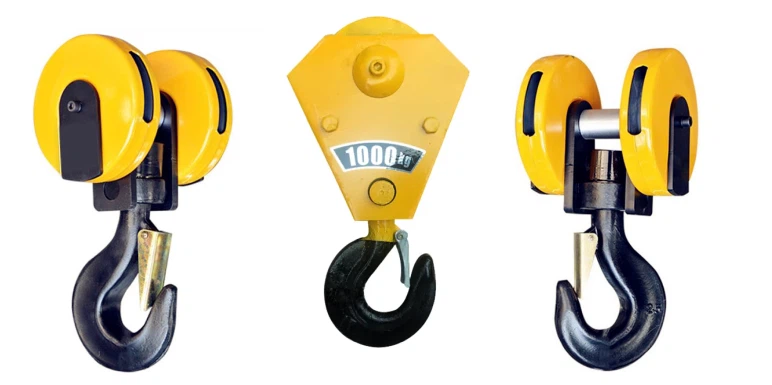
7.Crane Hook
Forged Hook:Main lifting element, typically single or double hook
Hook Block:Steel assembly that houses the hook, pulleys, bearings, and frame
Pulley Sheaves:Guide the wire rope; reduce lifting effort through mechanical advantage
Swivel Mechanism:Allows hook rotation (manual or motorized) to align with the load
Safety Latch:Spring-loaded latch prevents the sling or load from slipping off the hook
Bearings:Ensure smooth hook rotation and load movement
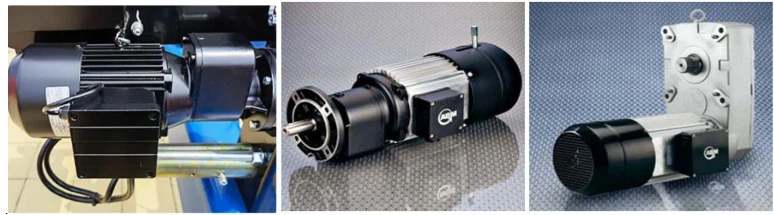
8.Motor
Hoisting Motor
Drives the lifting drum to raise and lower loads.
Requires high torque at low speeds, often with a brake.
Trolley Traveling Motor
Moves the hoisting trolley across the main girders.
Medium power motor, designed for smooth acceleration and deceleration.
Crane Traveling Motor
Moves the entire crane bridge along runway rails.
High power motor with stable, controlled movement.

.
9.Sound and light alarm system & limit switch
1)Sound and Light Alarm System
Purpose:
To warn personnel in the working area whenever the crane is in operation or about to start moving.
Enhances workplace safety by alerting workers to crane movements, reducing accident risks.
2)Limit Switches
Purpose:
To prevent crane or trolley from moving beyond designated safe zones.
Protects crane structure and surrounding environment from collision and damage.
Acts as a safety interlock by stopping motion automatically.

10.Safety Devices
1)Overload Protection Device
Prevents lifting loads beyond the crane's rated capacity (30 tons).
Uses load sensors or strain gauges on the hoisting mechanism.
Automatically stops hoisting if overload is detected, protecting the crane and load.
2)Emergency Stop (E-Stop) Button
Large, easily accessible red push-button switches installed on crane control panels, pendant controls, or operator cabin.
Instantly cuts power to crane motors when pressed.
Allows quick shutdown in case of any unsafe condition.
3)Anti-Collision Device
Prevents collision with other cranes or obstacles in the working area.
May use radar, ultrasonic sensors, or infrared sensors.
Automatically slows down or stops the crane when objects are detected within a preset range.
4)Travel and Hoist Limit Switches
Mechanical or proximity switches that stop travel or hoisting when movement exceeds safe boundaries.
Protects crane from running off rails or hoisting too high/low.
5)Slack Rope Detector
Detects slack or slackening in the wire rope during hoisting.
Prevents damage caused by rope entanglement or dropping the load.
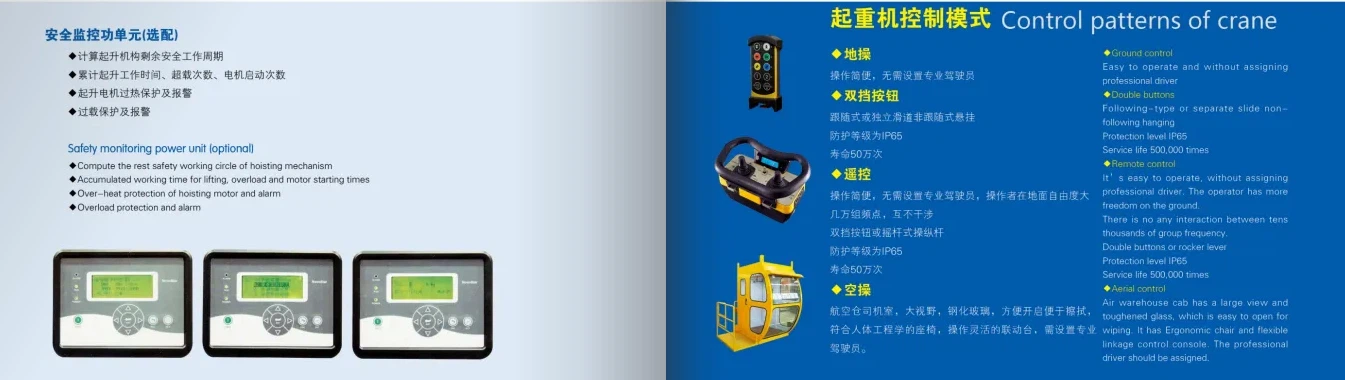
11.Control Mode
1)Pendant Control (Wired Remote Control)
A handheld control box connected to the crane by a cable.
Operator controls crane movements by pressing buttons or toggles.
Safe for close-range operation, especially in controlled environments.
Usually includes emergency stop and multiple function buttons (hoist up/down, trolley travel, bridge travel).
2)Radio Remote Control (Wireless Control)
Wireless controller allowing the operator to control the crane from a distance (up to 100+ meters).
Provides greater mobility and better visibility of the load and surrounding area.
Includes emergency stop and safety features to avoid signal loss.
Popular in outdoor or large warehouse environments.
3)Cabin Control
Operator sits inside a cabin mounted on the crane bridge.
Provides direct, all-around visibility and ergonomic control.
Usually equipped with joystick or control levers, display panels, and safety systems.
Suitable for heavy-duty and precise operations, especially in large or complex facilities.
4)PLC and Touchscreen Control
Modern cranes may use a Programmable Logic Controller (PLC) with touchscreen Human-Machine Interface (HMI).
Allows programmable functions, automation, and diagnostics.
Can integrate multiple input types (pendant, radio, cabin).
Supports safety interlocks and advanced operational modes.
5)Automatic or Semi-Automatic Control (Advanced)
Some cranes have automation features for repetitive tasks.
Uses sensors, cameras, or RFID systems for load positioning and movement.
Reduces operator workload and increases precision.
12.Sketch

Main technical

Advantages
1. High Load Capacity & Stability
Designed specifically to handle heavy loads up to 30 tons safely and efficiently.
Double girder structure provides excellent strength and rigidity, reducing deflection and vibration under load.
2. Wide Span & Large Working Area
Suitable for wide workshops and large bays thanks to longer main girders and higher lifting height.
Provides a bigger working envelope compared to single girder cranes.
3. Improved Lifting Height
Double girder design allows the trolley to run on top of the girders, maximizing the lifting height (hook path).
Useful when working in facilities with height constraints.
4. Enhanced Safety
Equipped with multiple safety devices: overload protection, limit switches, emergency stop, sound and light alarms.
Stronger structural components reduce the risk of mechanical failure.
5. Durability & Longevity
Heavy-duty design with robust materials and components for extended service life.
Can withstand harsh industrial environments, including steel mills, factories, and shipyards.
6. Smooth & Precise Operation
Uses advanced motors and control systems (VFDs, PLCs) for smooth starts/stops and precise positioning.
Reduces wear on mechanical parts and improves operator control.
7. Versatility
Suitable for various industries such as manufacturing, metalworking, construction, shipping, and logistics.
Can be customized with different control modes, safety features, and lifting attachments.
Application:
1)Heavy Manufacturing Plants
Used to lift and transport heavy machinery parts, molds, and equipment.
Common in automotive, aerospace, and heavy machinery manufacturing.
2)Steel Mills and Metal Processing
Handles heavy steel coils, sheets, and structural steel components.
Facilitates loading/unloading, assembly, and material movement in rolling mills and fabrication shops.
3)Construction Industry
Lifts large construction materials like steel beams, concrete blocks, and prefabricated elements.
Used in precast concrete plants and on-site assembly yards.
4)Shipbuilding and Repair Yards
Moves heavy ship components, engines, and large assemblies during construction and repair.
Provides precise load handling in tight shipyard spaces.
5)Logistics and Warehousing
Handles large containers, pallets, and bulk goods in heavy-duty storage and distribution centers.
Streamlines loading/unloading processes for trucks and trains.
6)Power Plants and Energy Sector
Lifts heavy turbines, generators, transformers, and other equipment during installation and maintenance.
Used in thermal, hydroelectric, and nuclear power plants.
7)Railway and Automotive Workshops
Lifts engines, chassis, and heavy parts for repair, assembly, and maintenance.
Facilitates efficient movement of large components in workshop bays.
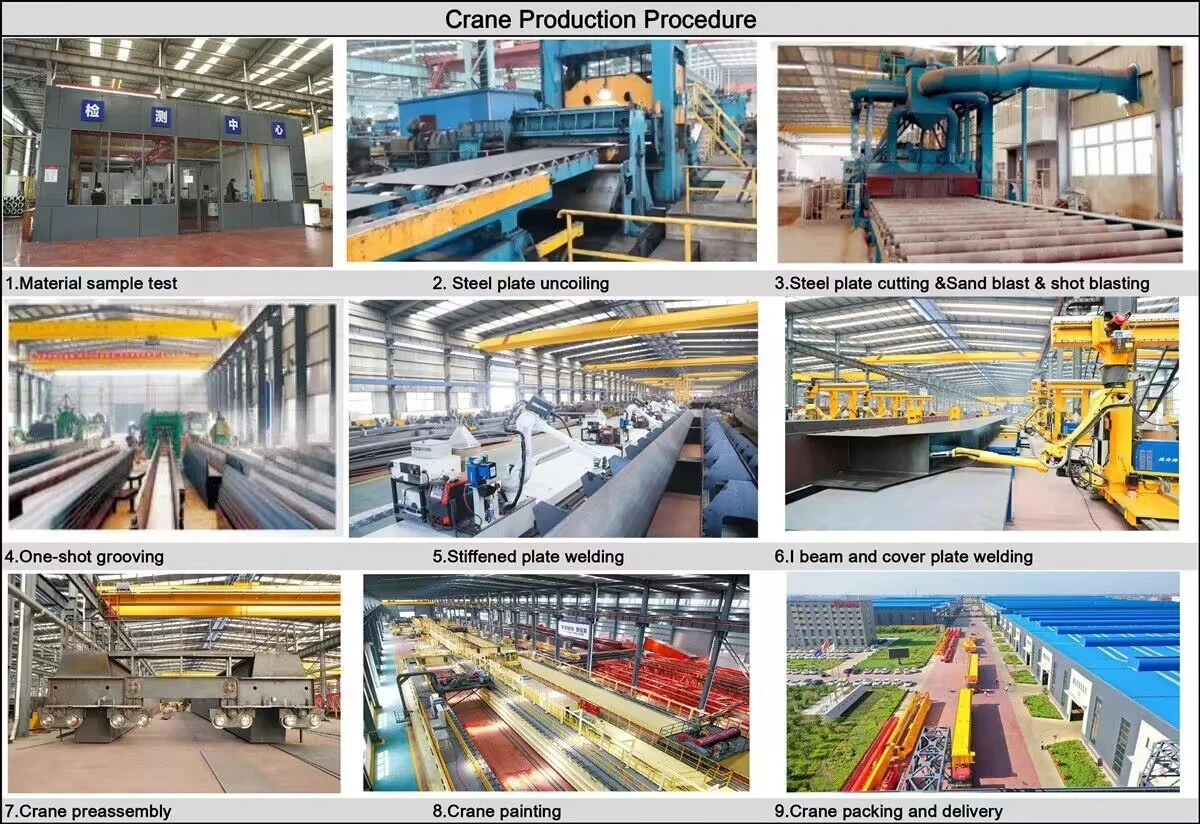
Crane production procedure
1)Design and Engineering
Assess customer requirements: load capacity, span, lifting height, working environment.
Create detailed design drawings and 3D models using CAD software.
Perform structural analysis and stress calculations to ensure safety and compliance with standards (ISO, FEM, etc.).
2)Material Procurement
Source high-quality steel plates, beams, motors, electrical components, and safety devices from certified suppliers.
Verify materials meet required specifications.
3)Cutting and Preparation
Steel plates and sections cut to size using CNC cutting machines or plasma cutters.
Prepare parts for welding and assembly, including drilling, beveling, and surface treatment.
4)Welding and Assembly of Main Components
Weld main girders (double beams) using robotic or manual welding, ensuring precision and strength.
Assemble end carriages, trolley frames, and other structural parts.
Conduct dimensional inspections to maintain tolerances.
5)Surface Treatment
Perform sandblasting or shot blasting to clean steel surfaces.
Apply primer and anti-corrosion paint layers to protect against rust and wear.
6)Manufacturing of Hoisting Mechanism
Assemble hoisting motor, gearbox, drum, wire rope, and hook block.
Test hoisting system for smooth operation and load capacity.
7)Assembly of Crane Components
Install trolley traveling system (motors, wheels, brakes).
Mount crane traveling system on end carriages.
Fit electrical wiring, control panels, limit switches, alarms, and safety devices.
8)Electrical Installation and Testing
Connect motors, control systems, and power supply components.
Perform electrical tests including insulation resistance, continuity, and function tests.
Program PLC or control units if applicable.
9)Load Testing and Commissioning
Conduct static and dynamic load tests to verify lifting capacity and stability.
Test all safety devices, alarms, and limit switches.
Adjust and calibrate controls for smooth operation.
10)Final Inspection and Quality Assurance
Perform thorough inspection according to standards and customer specifications.
Issue test reports and certification documents.
11)Packaging and Delivery
Disassemble parts if necessary for transport.
Package components securely to prevent damage during shipment.
Arrange delivery and installation instructions.
12)Installation and After-sales Support
Supervise on-site installation and commissioning if required.
Provide operator training, manuals, and maintenance guidance.
Offer technical support and spare parts supply.
Workshop view:
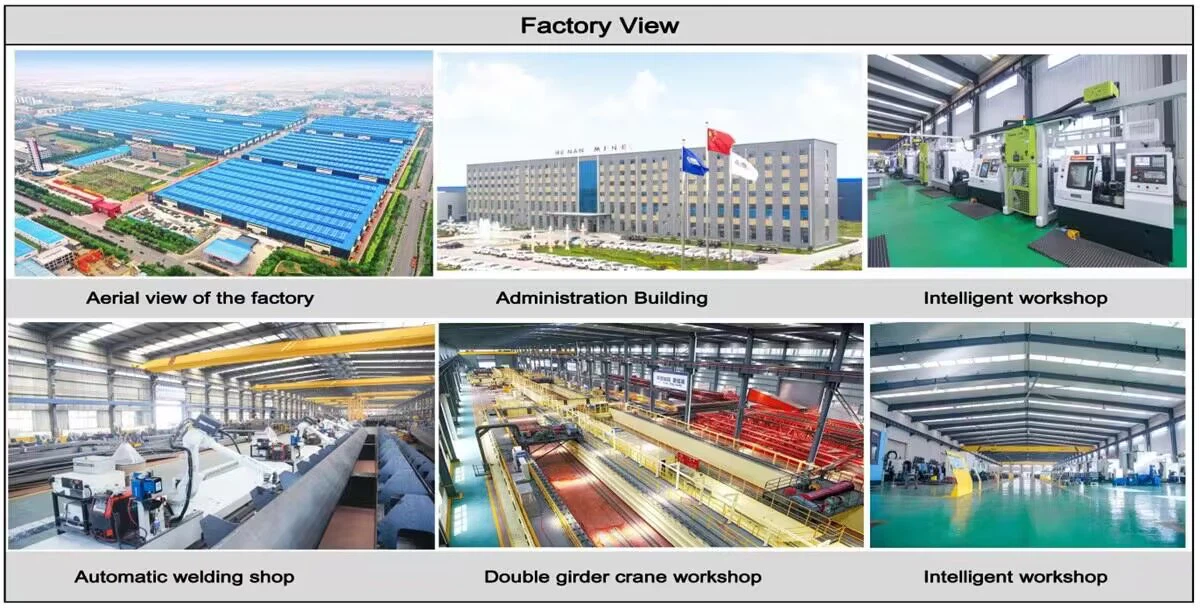
The company has installed an intelligent equipment management platform, and has installed 310 sets (sets) of handling and welding robots. After the completion of the plan, there will be more than 500 sets (sets), and the equipment networking rate will reach 95%. 32 welding lines have been put into use, 50 are planned to be installed, and the automation rate of the entire product line has reached 85%.


Hot Tags: 30t overhead crane two beams, China 30t overhead crane two beams manufacturers, suppliers, factory, Double Girder Overhead Travelling Crane, Double Girder Overhead Crane
You Might Also Like


Send Inquiry