










European Explosion-proof Bridge Crane
Products Description
Key Features of European Explosion-Proof Bridge Cranes
Explosion-Proof Design
ATEX/IECEx-certified motors, controls, and electrical components (e.g., Ex d, Ex e, or Ex de rated).
Spark-resistant materials (stainless steel, bronze, or coated surfaces).
Sealed wiring & junction boxes to prevent gas/dust ingress.
Structural Types
Single-Girder: Lighter loads (1–20 tons), cost-effective for smaller spans.
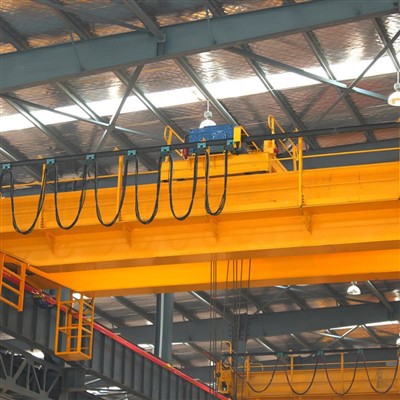
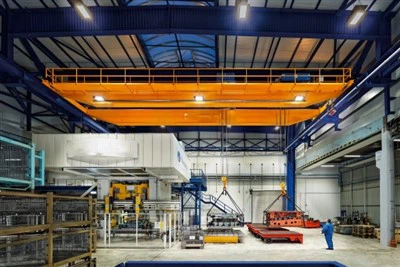
Double-Girder: Heavy-duty (5–500+ tons), better stability for long spans.
Safety Systems
Explosion-proof limit switches (prevents over-travel).
Emergency stop & fail-safe brakes.
Overload protection (mechanical or electronic).
Control Options
Explosion-proof pendant control (wired).
ATEX-certified wireless remote control (infrared or radio).
Frequency-controlled drives (VFD) for smooth acceleration/deceleration.
Corrosion & Environmental Protection
Stainless steel or epoxy-coated parts for chemical resistance.
IP65/IP66-rated enclosures (dustproof/waterproof).
Selection Guide
Define Hazardous Zone (Zone 1, 2, 21, or 22).
Choose Capacity & Span (single/double girder).
Select Controls (pendant, remote, or cabin-operated).
Verify Certifications (ATEX, IECEx, EN 15011).
Comparison: Standard vs. Explosion-Proof Components
| Component | Standard Crane | Explosion-Proof Crane |
|---|---|---|
| Motor | Standard TEFC motor | ATEX Ex d/Ex e motor |
| Controls | Basic pendant | Explosion-proof pendant/remote |
| Wiring | Standard insulation | Sealed, flame-retardant cables |
| Hooks/Sheaves | Carbon steel | Bronze/stainless steel |

Pictures & Components
A European explosion-proof bridge crane is a complex system designed for safe operation in hazardous environments (ATEX/IECEx Zones 1, 2, 21, 22). Below is a detailed breakdown of its critical components:
1. Structural Components
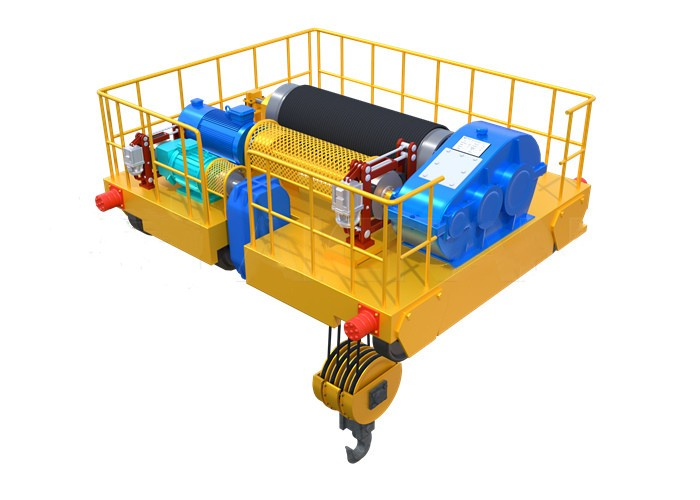
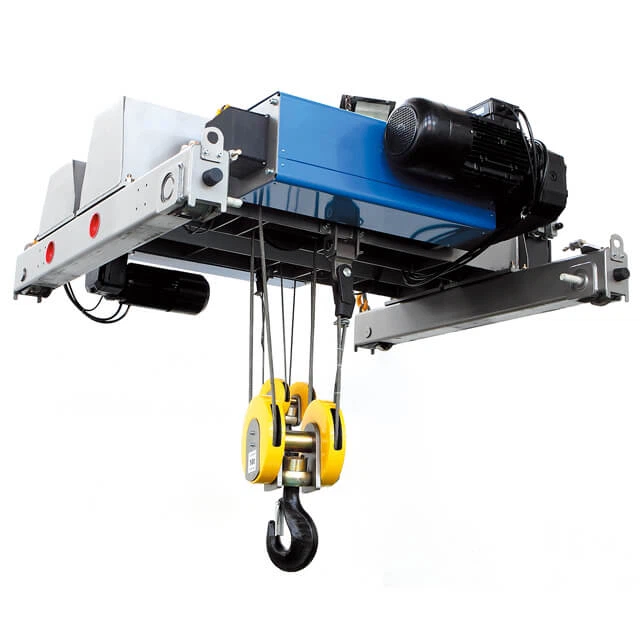
a) Bridge Girder (Single or Double Girder)
Material: High-strength steel with anti-corrosion coatings (epoxy, galvanized, or stainless steel).
Design: Box girder (for heavy loads) or truss girder (for long spans).
Explosion-proof modifications: Smooth surfaces to prevent dust accumulation; spark-resistant fasteners.
 |
 |
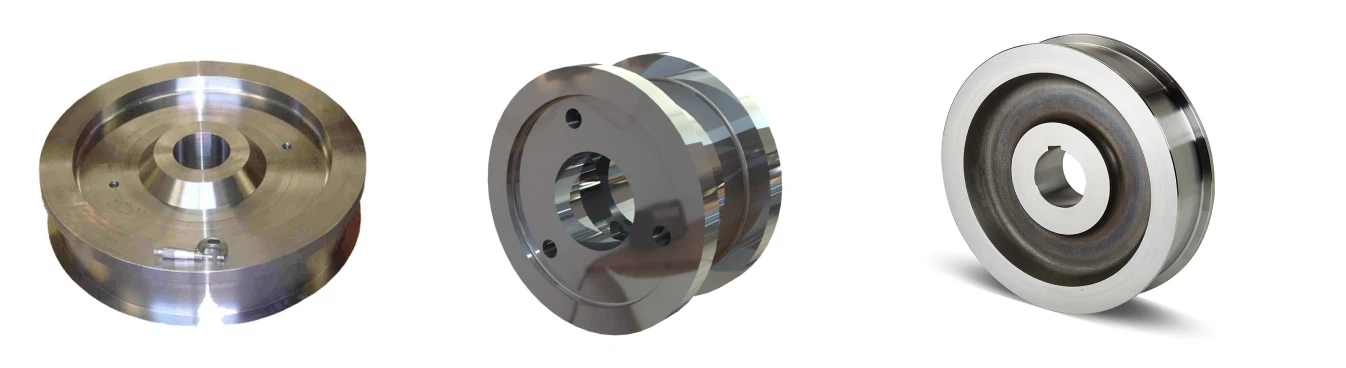
b) End Trucks & Wheels
Wheels: Made of non-sparking materials (e.g., phosphor bronze or nickel-aluminum alloy).
Bearings: Sealed or lubricated-for-life to prevent friction sparks.
Bumpers: Flame-resistant rubber or polyurethane to absorb impacts.
c) Runway Beams & Rails
Heavy-duty steel rails with precise alignment for smooth travel.
Explosion-proof rail clamps to secure the crane in place during seismic events.
 |
 |
2. Explosion-Proof Hoisting Mechanism
a) Explosion-Proof Hoist (Electric or Hydraulic)
ATEX-certified motors (Ex d, Ex e, or Ex de rating).
Wire rope or chain hoist options (stainless steel or non-sparking alloys).
Thermal protection to prevent overheating.
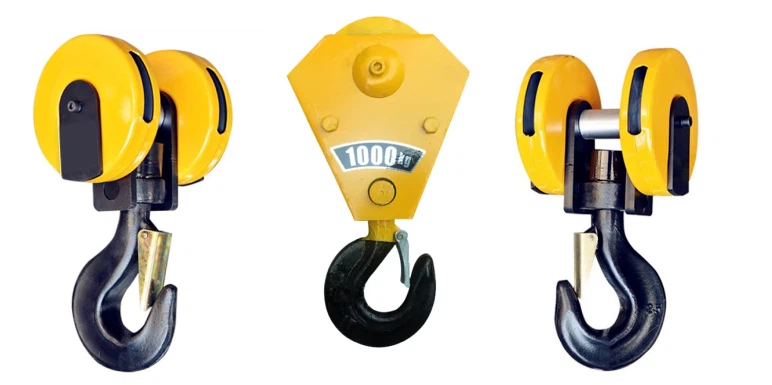
b) Hook Block & Sheaves
Non-sparking sheaves (bronze or composite materials).
Safety latch hooks to prevent load slippage.
c) Rope/Chain
Stainless steel wire rope or explosion-proof chain (ISO 3077).
3. Electrical & Control Systems
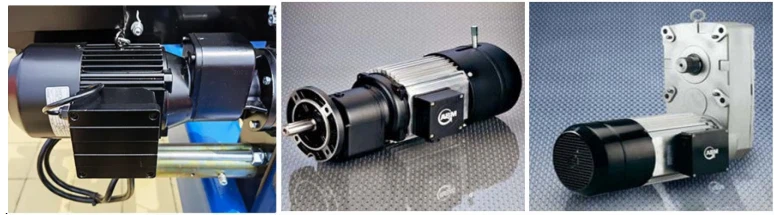
a) Explosion-Proof Motor & Gearbox
Encapsulated motors (Ex e) or flame-proof enclosures (Ex d).
Spark-resistant gearbox with special lubricants.
b) Explosion-Proof Control Panel
IP66-rated enclosure (dust-tight and water-resistant).
Intrinsically safe circuits (Ex i) to limit electrical energy below ignition levels.

c) Operator Controls
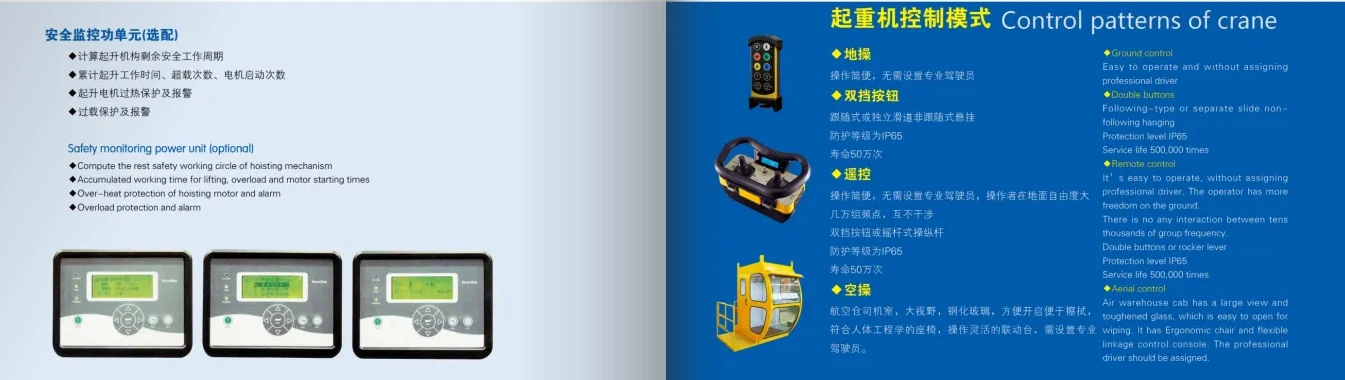
Explosion-proof pendant control (Ex d certified).
ATEX radio remote control (infrared or wireless).
Emergency stop button with mechanical backup.
d) Limit Switches & Sensors
Spark-proof limit switches for upper/lower travel limits.
Overload sensors with automatic shutdown.
.

4. Safety & Auxiliary Components
a) Explosion-Proof Lighting
LED work lights (Ex de certified) for hazardous zones.
b) Cable Management
Trailing cable systems with flame-retardant insulation.
Slip rings (for rotating connections) with spark-proof contacts.
c) Anti-Collision & Monitoring
Laser/ultrasonic sensors to prevent collisions.
Temperature & vibration sensors for predictive maintenance.

5. Compliance & Certifications
ATEX 2014/34/EU (EU Directive).
IECEx (International).
EN 15011 (Crane safety standard).
ISO 13849-1 (Functional safety).
SKETCH

Main technical

Advantages
Hazardous Area Safety
ATEX/IECEx certified components prevent ignition in Zones 1,2 (gases) and 21,22 (dust)
Spark-resistant construction (non-ferrous metals, sealed electricals)
Enhanced Durability
Corrosion-resistant materials (stainless steel/epoxy coatings)
IP66-rated enclosures for dust/water protection
Heavy-duty construction for harsh industrial environments
Superior Performance
Precise load handling with VFD controls
Higher load capacity (up to 500+ tons for double girder)
Smooth operation with explosion-proof brakes/limit switches
Regulatory Compliance
Meets strict EU directives (ATEX, Machinery Safety)
EN 15011 and ISO 13849 certified
Globally recognized IECEx standards
Operational Efficiency
Low-maintenance design (sealed bearings, lubricated-for-life)
Energy-efficient motors with thermal protection
Customizable automation options
Application:
| Industry | Typical Uses | Hazard Zone |
|---|---|---|
| Oil & Gas | Refinery maintenance, pipeline handling | Zone 1/2 |
| Chemical | Solvent/powder transfer, reactor handling | Zone 1/21 |
| Pharmaceutical | Flammable material processing | Zone 2/22 |
| Food Processing | Grain, flour, sugar dust environments | Zone 21/22 |
| Mining | Underground equipment handling | Zone 1 (methane) |
| Waste Management | Biogas plant operations | Zone 1/2 |
| Aerospace | Fuel tank handling | Zone 1 |
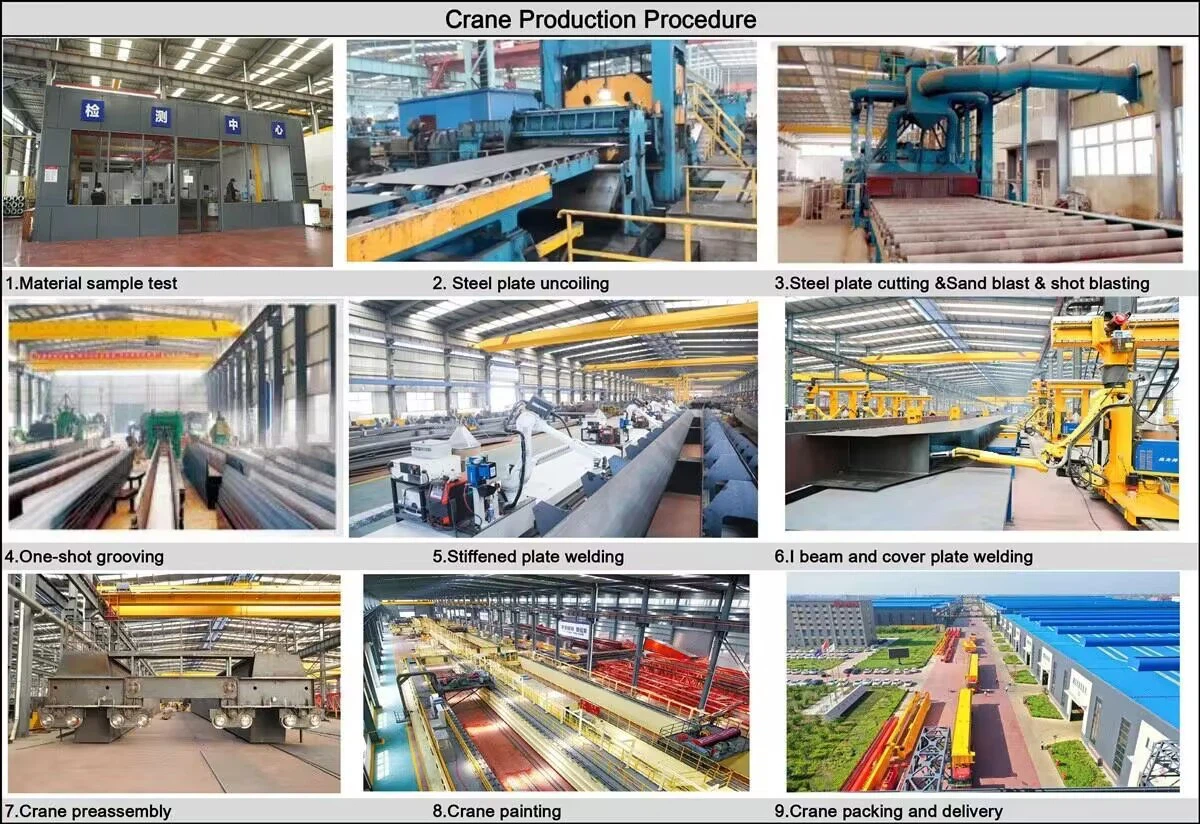
Crane production procedure
The production procedure for an Electric Hoist Double Beam Bridge Crane involves several key stages, from design and material procurement to assembly and testing. Below is a general step-by-step outline of the manufacturing process:
1. Design & Engineering
Customer Requirements Analysis: Determine load capacity, span, lifting height, duty cycle (FEM/ISO classification), and environmental conditions.
Structural Design:
Design the double girder bridge (main beams, end carriages) using CAD software (e.g., AutoCAD, SolidWorks).
Calculate stresses, deflection, and fatigue life per standards (ISO, DIN, FEM, or ASME).
Electrical & Mechanical Design:
Select hoist type (wire rope/electric chain hoist), motor power, control system, and safety devices (limit switches, overload protection).
Approval: Finalize drawings and get client/regulatory approval.
2. Material Procurement
Main Beams: Steel plates (Q235B, Q345B) or prefabricated I-beams.
End Carriages: Fabricated from steel sections (channels, angles) or welded plates.
Electrical Components: Hoist, motors, gearboxes, wheels, brakes, cables, and pendant/radio remote control.
Other Components: Rails, buffers, hooks, and safety devices.
3. Fabrication of Main Components
A. Double Girder Fabrication
Cutting: Steel plates are cut to size (laser/plasma/oxyfuel cutting).
Welding:
Fabricate box-type or I-section girders via submerged arc welding (SAW) or MIG/MAG welding.
Stress-relieving (heat treatment) to prevent distortion.
Machining: Drill holes for connections and surface machining (if required).
B. End Carriage Assembly
Welded Construction: Fabricate end carriages with wheels, buffers, and drive mechanisms.
Wheel Installation: Mount forged steel wheels with bearings for bridge movement.
C. Hoist Trolley Assembly
Frame Construction: Build trolley frame to mount the electric hoist.
Drive Mechanism: Install motors, gearboxes, and wheels for trolley travel along the girders.
4. Surface Treatment & Painting
Blasting: Shot-blasting to remove rust and improve paint adhesion.
Priming/Painting: Apply anti-corrosion primer and topcoat (usually epoxy or polyurethane).
Curing: Bake or air-dry painted components.
5. Electrical System Installation
Wiring: Install power supply systems (festoon/cable reels), control panels, and sensors.
Hoist Integration: Mount the electric hoist (wire rope or chain) onto the trolley.
Safety Devices: Install limit switches, overload protection, and emergency stop.
6. Assembly & Testing
A. Bridge Assembly
Girder-End Carriage Joining: Bolt or weld girders to end carriages.
Alignment Check: Ensure parallel girders and proper wheel alignment.
B. Functional Tests
No-Load Test: Run crane without load to check movement (hoisting, trolley, bridge travel).
Load Test:
Static Test: 125% of rated load (held for 10+ minutes to check deformation).
Dynamic Test: 110% of rated load to verify performance under motion.
Safety Checks: Verify brakes, limit switches, and emergency stops.
7. Quality Inspection & Certification
Dimensional Checks: Verify span, lift height, and alignment.
NDT Testing: Ultrasonic/X-ray welding inspections (if required).
Certification: Issue compliance certificates (CE, ISO, OSHA, or local standards).
8. Disassembly & Packaging
Modular Dismantling: Break down into transportable sections (girders, end carriages, hoist).
Packaging: Protect components with waterproof wrapping and secure for shipping.
9. Installation & Commissioning (On-Site)
Reassembly: Erect runway rails, assemble bridge, and mount hoist/trolley.
Final Testing: Perform on-site load tests and operator training.
10. Documentation & Delivery
Provide manuals (operation, maintenance), test reports, and warranty documents.
Workshop view:
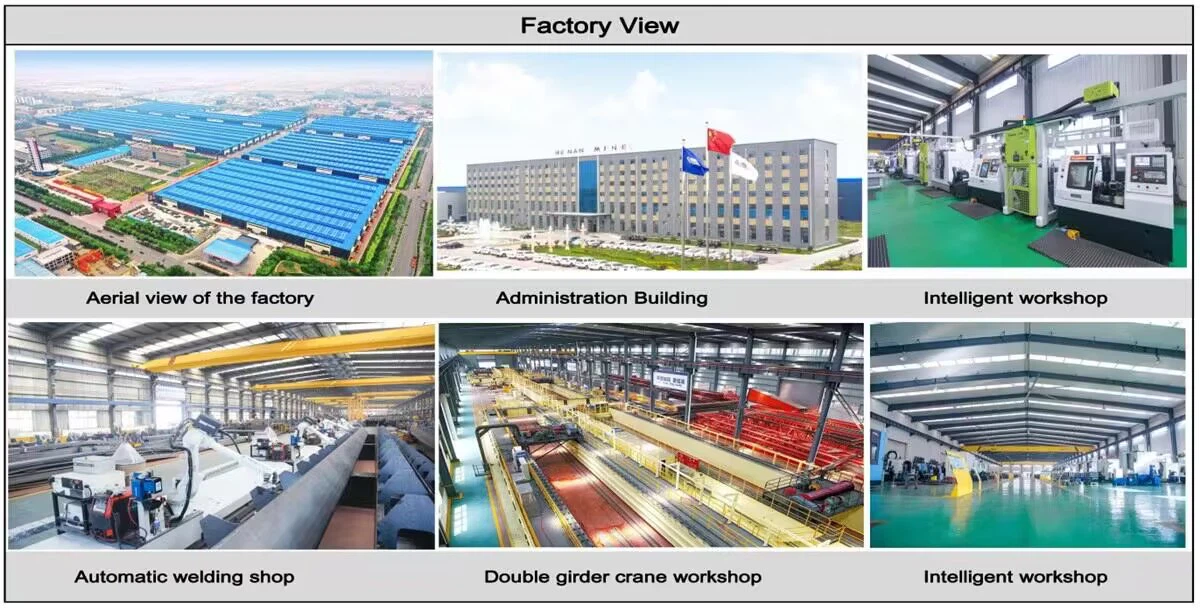
The company has installed an intelligent equipment management platform, and has installed 310 sets (sets) of handling and welding robots. After the completion of the plan, there will be more than 500 sets (sets), and the equipment networking rate will reach 95%. 32 welding lines have been put into use, 50 are planned to be installed, and the automation rate of the entire product line has reached 85%.


Hot Tags: european explosion-proof bridge crane, China european explosion-proof bridge crane manufacturers, suppliers, factory, Double Girder Overhead Travelling Crane, Double Girder Overhead Crane
You Might Also Like




Send Inquiry