



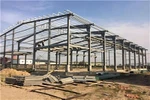
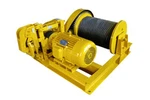


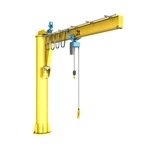


Warehouse Overhead Crane
Products Description
A warehouse overhead crane, also known as a bridge crane, is an essential material handling equipment designed to transport heavy or bulky loads within a warehouse or industrial facility. This crane consists of parallel runways with a traveling bridge that spans the gap. The bridge supports a hoist, which is the component that lifts, lowers, and moves the load horizontally across the workspace. Overhead cranes come in different configurations, including single-girder or double-girder designs, depending on the weight capacity and operational requirements.
Key Components:
· Bridge: The horizontal beam that moves along the runway, supporting the hoist.
· Runway: The tracks on either side of the crane that allow the bridge to move forward and backward.
· Hoist: The lifting mechanism that can raise, lower, and move loads. It can be electric or manual.
3.Applications:
· Manufacturing Facilities: For moving raw materials, semi-finished products, or assembly components.
· Warehousing and Storage: Used to organize, store, and retrieve large items efficiently.
· Shipyards and Ports: For transferring cargo between ships and storage areas.
· Construction Sites: For lifting and positioning heavy construction materials.
4.In summary, Overhead cranes in warehouses increase productivity, reduce the risk of injuries, and optimize the space by moving materials overhead instead of relying on ground transportation like forklifts.
Max. Lifting Height:10M, 15M, 6m, 20M, Other
Warranty of core components:1 Year
Warranty:1 Year
Weight (KG):2000 kg
Lifting speed:5-15M/MIN
Lifting Capacity:1 Ton-20 Ton
Power Source:3 Phase 380V 50hz
Core Components:PLC, Engine, Bearing, Gearbox, Motor, Pressure vessel, Gear, Pump
Place of Origin:Henan, China
Feature:Overhead Crane
Condition:New

Pictures & Components
1.Main beam
1.The main beam of a warehouse overhead crane, also known as the bridge girder or simply the bridge, is a horizontal structural member that spans the width of the crane's work area and supports the hoisting mechanism, trolley, and other components. It is typically made of steel or aluminum and can be either a single-beam or double-beam design, depending on the lifting capacity and overall size of the crane.
2.The main beam is supported at each end by columns or legs that are anchored to the floor or foundation of the warehouse. The crane moves along the length of the warehouse by traveling wheels or rails mounted on top of the main beam. The hoisting mechanism, which includes the hoist motor, drum, and wire ropes, is mounted on a trolley that travels along the bottom flange of the main beam.
3.The main beam is designed to withstand the forces generated by the lifting and moving of heavy loads, including bending moments, shear forces, and torsional stresses. It must also have sufficient stiffness to prevent excessive deflection or sagging under load, which could affect the accuracy and safety of the crane's operation. The main beam is often one of the most critical and expensive components of an overhead crane, and its design and construction must comply with strict engineering standards and quality control procedures.

Lifting System
The lifting system of a warehouse overhead crane is a crucial component that enables the crane to perform its primary function: lifting and moving heavy loads within a storage or manufacturing facility. The lifting system typically consists of several key components working together to provide smooth, controlled lifting and lowering of goods.
Here's an overview of the main components and their functions:
Hoist Motor: The hoist motor is the power source for the lifting mechanism. It generates the force required to lift and lower the loads. Hoist motors can be electric or pneumatic, depending on the crane's design and the specific requirements of the application. Electric motors are commonly used due to their efficiency and controll ability.
Drum(s) or Winding Drum(s): The drum is a cylindrical device around which wire ropes or cables are wound. As the hoist motor turns the drum, the rope or cable wraps around or unwraps from it, raising or lowering the attached load. Some cranes may use a single drum, while others may have two drums for increased stability and capacity.
Wire Ropes or Cables: These elements connect the drum to the load hook or block. They must be strong enough to withstand the forces involved in lifting the maximum intended load, as well as any shock or impact loads that may occur during operation.
Hook or Grapple: This is the component at the end of the wire ropes or cables that actually attaches to the load. It may be a simple hook for lifting packages or bales, or it may be a more complex grapple or magnet for lifting loose materials or metals.
3.In summary, the lifting system of a warehouse overhead crane is a sophisticated assembly of components designed to work together seamlessly for efficient and safe material handling. Proper maintenance and regular inspections are critical to ensuring the reliability and longevity of these systems in demanding warehouse environments.


3.End carriage
1.The end carriage of a warehouse overhead crane, also known as the end truck or end trolley, is a movable unit that runs along the crane's main beam or rail. It typically consists of wheels or rollers that engage with the beam or rail, allowing the end carriage to move horizontally along the length of the crane.
2.The end carriage's primary function is to provide mobility along the crane's beam. This movement allows the crane to transport loads across the width of the warehouse or work area.It supports the hoist and trolley system, which in turn supports the load. The end carriage ensures that the hoisting mechanism can be positioned accurately above any point within the crane's operational area.The end carriage helps maintain the stability of the crane during operation, especially when heavy or large loads are being moved.In some crane configurations, the end carriage may be designed to handle loads directly, especially in smaller cranes or those used for light-duty applications.
3.The end carriage of a warehouse overhead crane is a crucial component of the overhead crane's functionality, enabling precise positioning and efficient load handling across the crane's span. Its design and construction must ensure smooth operation, minimal wear, and longevity to support the crane's overall performance and reliability.


4.Crane travelling mechanism
1.The crane travelling mechanism of a warehouse overhead crane is the part that moves the entire crane along the width of the warehouse. It consists of two electric motors, one on each side of the crane, which drive wheels or tires that run along a rail or floor. The motors are synchronized to move at the same speed and direction, allowing the crane to move smoothly along the width of the warehouse. The speed and direction of the crane can be controlled by adjusting the motors' speed and direction. Some crane travelling mechanisms also have brakes to stop the movement of the crane when needed. Additionally, some cranes may have a gantry that supports the crane and moves along with it, providing additional stability and support for heavy loads.
5.Trolley travelling mechanism
The trolley travelling mechanism of a warehouse overhead crane is the part that moves a hoisted load horizontally along the length of the crane. It consists of an electric motor, gearbox, and wheels that run along a rail or beam. The motor drives the gearbox, which in turn rotates the wheels, causing the trolley to move along the rail or beam. The speed and direction of the trolley can be controlled by adjusting the motor's speed and direction. Some trolley travelling mechanisms also have brakes to stop the movement of the load when needed.
6.Crane wheel
The crane wheel of a warehouse overhead crane is a critical component that allows the crane to move along its tracks or floor. These wheels are typically made of steel or another durable material and are designed to withstand the weight and movement of the crane. The wheels are mounted on bearings and are attached to the crane's frame. As the crane moves, the wheels roll along the rails or floor, providing stability and support for the crane. The size and number of wheels on a crane can vary depending on the crane's capacity and the specific application. Some cranes may also have additional wheels or casters to provide added stability and maneuverability. Proper maintenance and inspection of the crane wheels are essential to ensure the safe and efficient operation of the crane.
 |
 |
 |
7.Crane Hook
The crane wheel of a warehouse overhead crane is a critical component that allows the crane to move along its tracks or floor. These wheels are typically made of steel or another durable material and are designed to withstand the weight and movement of the crane. The wheels are mounted on bearings and are attached to the crane's frame. As the crane moves, the wheels roll along the rails or floor, providing stability and support for the crane. The size and number of wheels on a crane can vary depending on the crane's capacity and the specific application. Some cranes may also have additional wheels or casters to provide added stability and maneuverability. Proper maintenance and inspection of the crane wheels are essential to ensure the safe and efficient operation of the crane.
 |
 |
 |
Motor
1.The motor of a warehouse overhead crane is the component that powers the crane's various movements and functions. There are typically several motors on a crane, each responsible for a specific function. For example:
Trolley Motor: This motor moves the trolley, which carries the hoist mechanism, along the bridge or beam of the crane. It controls the lateral movement of the load.
Hoist Motor: This motor raises and lowers the hook or grab used to pick up materials. It controls the vertical movement of the load.
Travel Motor: This motor moves the entire crane structure along the runway or rails on which it sits. It controls the crane's longitudinal movement.
Gantry Motor: In some crane designs, there may be a gantry that supports the bridge and moves perpendicular to the travel direction. A gantry motor powers this movement.
2.These motors can be electric or, in some cases, hydraulic. Electric motors are more common in modern warehouse overhead cranes due to their efficiency, controllability, and ease of maintenance. The motors are controlled by a crane operator using a pendant station or remote control, allowing precise positioning and speed adjustments for the crane's various movements. Proper maintenance and regular inspection of these motors are crucial for the safe and reliable operation of the crane.


Sound and light alarm system & limit switch
1.The sound and light alarm system and limit switches are essential safety features of a warehouse overhead crane.
2.Sound and Light Alarm System:
The sound and light alarm system is designed to alert personnel in the vicinity of the crane about its operation, especially when the crane is moving or when there is a potential hazard. This system typically includes:
Warning lights: These are usually mounted on the crane and are visible from all directions. They flash on and off to indicate that the crane is in operation.
Audible alarms: These can include horns, bells, or sirens that emit a loud sound to warn people of the crane's movement.
Emergency stop signals: In case of an emergency stop or a critical fault, the system may produce a distinctive signal to indicate that the crane has stopped unexpectedly.
3.Limit Switches:
Limit switches are electronic devices that serve as safety mechanisms to prevent the crane from exceeding its physical limits of travel. They are typically installed at the extreme ends of the crane's travel path and at the maximum height and depth of the hoist mechanism. Their functions include:
Travel limit switches: These are located at each end of the crane's rail or runway. If the crane approaches these points, the limit switches trigger, stopping the crane's movement to prevent it from running off the tracks or colliding with obstacles.
Hoist limit switches: These are installed at the maximum and minimum heights that the hook or grab can reach. They prevent the hoist from raising or lowering the hook beyond its safe operating range, avoiding potential damage to the load, the hook, or the crane structure.
Load sensors: Some cranes may also have limit switches that detect overload conditions. If the load exceeds the crane's capacity, these switches will trigger, preventing further hoisting and potentially avoiding structural damage to the crane.
4.Both the sound and light alarm system and the limit switches are crucial for ensuring the safe operation of a warehouse overhead crane. They help prevent accidents, warn nearby personnel, and protect the crane and its surroundings from damage. Regular maintenance and testing of these systems are essential to ensure they function properly when needed.

10.Safety Devices
Emergency stop switches: These are critical safety features that allow operators to immediately stop all movements of the crane in case of an emergency.
Limit switches: As mentioned earlier, these are electronic devices that prevent the crane from exceeding its physical limits of travel, such as the end of the rail or the maximum height of the hoist.
Overload protection: This system detects when the crane is lifting a load beyond its rated capacity and automatically stops the hoist to prevent structural damage or drop of the load.
Anti-collision systems: These systems use sensors to detect the presence of other cranes or obstacles in the path of the crane and prevent collisions.
Load hook positioning devices: These devices ensure that the hook is positioned correctly before lifting a load, reducing the risk of the load slipping or falling.
Travel barriers: Barriers or gates at the ends of the crane's travel path prevent the crane from moving beyond safe areas.
Crane locks: Automatic locks engage when the crane is not in use, preventing any unintended movement.
Warning lights and sound alarms: These signal the crane's operational status and warn nearby personnel of its movements.
Rail brakes: These brakes secure the crane in place when not in operation, preventing it from moving due to gravity or external forces.
Dynamic monitoring systems: Some cranes may have sensors that monitor the crane's movements in real-time, providing feedback on speed, direction, and load conditions.
Load blocks: These devices prevent the load from swinging, which can cause instability and accidents.
11.Control Mode
Pendant Control: In this mode, the crane operator uses a hand-held device called a pendant, which contains switches, buttons, or joysticks to control the crane's movements. The pendant is connected to the crane via an electrical cable and allows precise control of the crane's functions, including hoisting, trolley movement, and travel along the runway.
Remote Control: Similar to pendant control, remote control uses a hand-held device but operates wirelessly, typically through radio signals. This allows the operator more freedom of movement and can be especially useful in environments where the operator needs to move around the crane or work at a distance from it.
Joystick Control: Some cranes may use joysticks instead of switches or buttons for a more intuitive and responsive control. Joysticks can be incorporated into pendants or remote controls, offering a more natural way to direct the crane's movements.
Radio Frequency (RF) Control: This is a type of remote control that uses radio frequencies to communicate between the control unit and the crane. It offers greater range and reliability compared to simple remote controls.
Wireless Network Control: Modern cranes may be equipped with wireless network capabilities, allowing them to be controlled and monitored using smart devices like tablets or smartphones. This can integrate the crane's operation with other warehouse management systems.
Automatic Control: In some highly automated warehouses, cranes may operate without a human operator. These cranes are programmed to perform specific tasks automatically, such as retrieving and storing items in designated locations.
Computer Control: Some cranes may be connected to a computer system that manages their operations. The computer can optimize routes, schedule tasks, and coordinate multiple cranes in a warehouse.
Semi-Automatic Control: This mode combines manual and automatic elements. The operator initiates certain actions, and the crane automatically completes them, such as moving to preset locations or performing standardized tasks.

12.Sketch

Main technical

Advantages
Space-Efficiency: Overhead cranes are designed to operate vertically, suspending loads above the ground, which allows for better use of floor space. This is especially advantageous in warehouses and manufacturing facilities where space is limited.
Heavy Lifting Capacity: These cranes are capable of lifting very heavy items that would otherwise be too difficult or dangerous to move by hand or with other types of lifting equipment.
Precise Placement: Overhead cranes offer precise control over load positioning, which is crucial when handling fragile or valuable materials that require careful manipulation.
Increased Productivity: Cranes can significantly speed up the loading and unloading processes, as well as the movement of goods within a warehouse or factory, leading to increased productivity and efficiency.
Reduced Labor Costs: By automating heavy lifting tasks, overhead cranes reduce the need for manual labor, which can lead to long-term cost savings for the business.
Enhanced Safety: When used correctly and maintained properly, overhead cranes enhance safety by reducing the risk of manual lifting injuries and accidents.
Versatility: Overhead cranes can be designed to handle a wide range of loads, from small packages to large machinery, making them adaptable to various industrial applications.
Integration with Other Systems: Modern overhead cranes can be integrated with other automation systems in the warehouse, such as automated inventory management or logistics software, further enhancing efficiency.
Application:
Manufacturing Plants: In production lines, overhead cranes handle raw materials, components, and finished products, moving them between processing stations and storage areas.
Warehouses and Distribution Centers: Cranes are used to load and unload shipping containers, move pallets, and stack products efficiently in racks or shelves.
Recycling Facilities: Overhead cranes lift and sort recyclable materials, such as metals, plastics, and paper, facilitating their processing and reuse.
Automotive Industry: In assembly plants, overhead cranes move heavy components like engines and car bodies to different stages of the assembly line.
Construction Sites: Although mobile cranes are more common here, overhead cranes can be found in indoor construction sites or for loading and unloading construction materials.
Metalworking and Steel Mills: Cranes handle large rolls of metal, steel beams, and other heavy materials, moving them for processing or storage.
Shipyards and Dockyards: In enclosed areas of shipyards, overhead cranes are used for loading and unloading ships, moving equipment, and maintaining vessels.
Power Plants: In nuclear or conventional power plants, overhead cranes are used to move heavy machinery, fuel rods, and other equipment.
Textile Industry: Cranes are used to move large rolls of fabric or textile materials within factories.
Food Processing Plants: In some instances, overhead cranes may be used to move large containers or processing equipment.
Paper Mills: Cranes are essential for moving large rolls of paper or other materials within the factory.
Crane production procedure
1. Design and Engineering
Detailed Engineering: Develop detailed engineering drawings and specifications, including the main beam, hoist, trolley, end carriages, and other components.
Simulation and Modeling: Use computer-aided design (CAD) and simulation tools to model the crane's performance and optimize its design.
2. Material Selection
Material Specifications: Select high-quality materials that meet the requirements for strength, durability, and heat resistance. Common materials include high-strength steel, alloys, and specialized coatings.
Procurement: Source materials from approved suppliers, ensuring they meet the necessary quality and certification standards.
3. Component Fabrication
Cutting and Shaping: Cut and shape raw materials into the required components, such as beams, columns, and brackets. This may involve processes like plasma cutting, laser cutting, and machining.Welding and Assembly: Weld components together to form the crane's structural elements. This includes welding the main beam, end carriages, and other load-bearing parts.
4. Assembly
Sub-Assembly: Assemble individual components, such as the hoisting system, trolley, and end carriages, into sub-assemblies. This involves fitting parts together and ensuring proper alignment.Main Assembly: Combine sub-assemblies to construct the complete crane structure. This includes mounting the hoist and trolley on the main beam, attaching the end carriages, and installing the control systems.
5. Integration of Systems
Electrical Systems: Install electrical components, including motors, control panels, wiring, and sensors. Ensure that the crane's electrical systems are properly integrated and tested.
Control Systems: Implement and configure control systems, such as programmable logic controllers (PLCs), remote controls, and safety devices. Verify that the control systems function correctly and are calibrated.
6. Testing and Quality Assurance
Pre-Operational Testing: Conduct pre-operational tests to check the crane's functionality, including load testing, operational testing of the lifting and traveling mechanisms, and control system checks.
Safety Testing: Verify that safety features, such as limit switches, alarms, and emergency stops, are working correctly and meet safety standards.
Inspection: Perform a detailed inspection of the crane's structure and components to ensure compliance with design specifications and quality standards.
7. Final Adjustments and Calibration
Fine-Tuning: Make any necessary adjustments to optimize the crane's performance and ensure smooth operation. This may include calibrating sensors, adjusting controls, and fine-tuning the lifting system.
Documentation: Prepare and review documentation, including operation manuals, maintenance guides, and safety instructions.
8. Delivery and Installation
Transport: Arrange for the transport of the crane to the installation site, ensuring that it is handled and shipped safely to prevent damage.
Installation: Oversee the installation of the crane at the customer's facility, including assembly, alignment, and connection to power sources and control systems.
Training: Provide training for operators and maintenance personnel to ensure they are familiar with the crane's operation and safety procedures.
9. Commissioning and Handover
Commissioning: Conduct final commissioning tests to verify that the crane operates correctly under real-world conditions and meets performance specifications.
Handover: Officially hand over the crane to the customer, providing all necessary documentation, including certificates of compliance, warranty information, and maintenance schedules.


Workshop view
Material Inspection
Quality Inspection: Strict quality inspection is carried out on the purchased raw materials to ensure that they meet the design requirements and national standards.
Material Storage: Qualified materials are stored according to classification to prevent corrosion or damage.
Cutting and Forming
Steel Cutting: Use plasma cutting, laser cutting or flame cutting and other technologies to cut the steel according to the size of the design drawing.
Forming Processing: Form the steel plate through bending, rolling, welding and other processes to manufacture the main beam, end beam and other structural parts.
Welding
Component Welding: The cut and formed steel parts are welded into the main structures such as the main beam, end beam and trolley. The welding process needs to be strictly controlled to ensure the structural strength and welding quality.
Weld Inspection: Use non-destructive testing technology (such as ultrasonic testing, radiographic testing) to inspect the welds to ensure that there are no cracks or other defects.
Machining
Precision Machining: Precision machining is performed on the key components of the crane, such as wheel sets, bearing seats, pulleys, etc., to ensure their dimensional accuracy and surface quality.
Assembly of the whole machine
General assembly: On the basis of pre-assembly, the overall assembly of the crane is carried out, including the final installation of the main beam, end beam, lifting mechanism, walking mechanism, etc.
Commissioning and testing
Under dynamic conditions, the operating performance of the crane is tested, including the testing of lifting, walking, steering and other functions. The overall size of the assembled bridge crane is checked to ensure that all dimensions meet the design requirements.
Spraying and anti-corrosion treatment
Surface treatment Rust removal: Rust removal on the surface of the crane, common methods include sandblasting, pickling, etc. Primer spraying: Spray anti-corrosion primer on the treated surface to prevent metal oxidation and corrosion. Topcoat spraying Color spraying: Spray topcoat according to customer requirements or industry standards to give the crane a protective and decorative effect. Marking: After spraying, mark the crane's identification information in accordance with the specifications, such as model, rated load, etc.
Factory and installation
Packaging and transportation
Packaging protection: Protectively package the key components of the crane to prevent damage during transportation. Transportation arrangement: According to the equipment size and transportation conditions, select a suitable transportation method to transport the crane to the customer's site.
Acceptance and delivery
Customer acceptance
On-site acceptance: The customer conducts on-site acceptance of the crane according to the contract requirements and technical specifications to check the performance and quality of the equipment.
Problem rectification: If any problems are found, the manufacturer needs to rectify them in time to ensure that the equipment fully meets the customer's requirements. Delivery and use Operation training: The manufacturer usually trains the customer's operators to ensure that they can operate the crane correctly and safely.


Hot Tags: warehouse overhead crane, China warehouse overhead crane manufacturers, suppliers, factory, Double Girder Overhead Crane, Double Girder Overhead Travelling Crane
Previous
50 Or 10ton Hanger Bridge CraneYou Might Also Like


Send Inquiry