







Electric Hoist Trolley Overhead Travelling Crane
Products Description
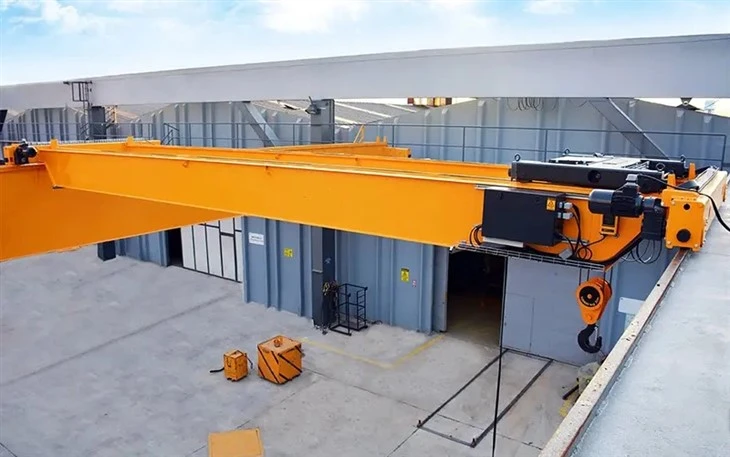
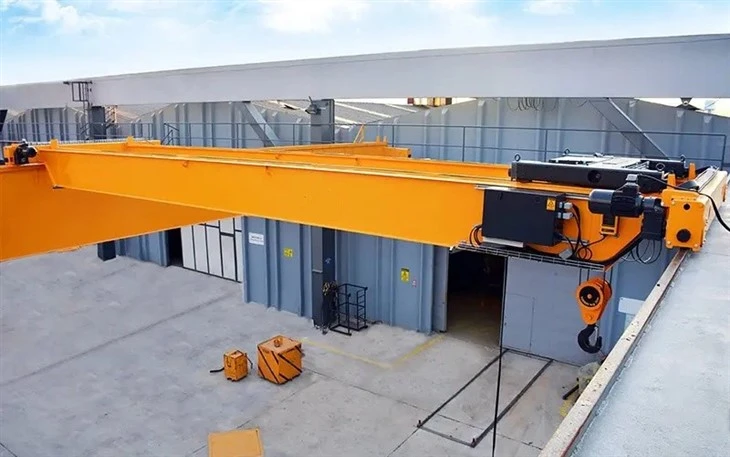
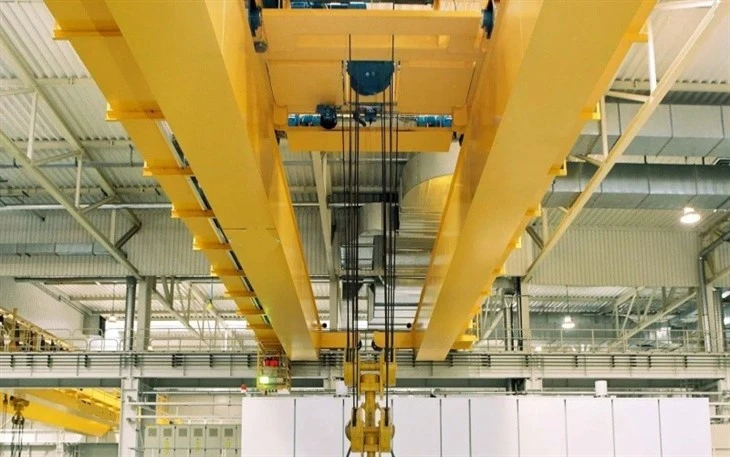
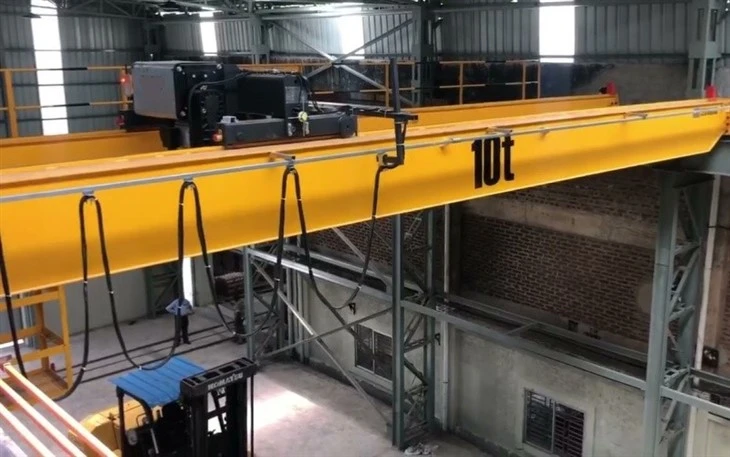
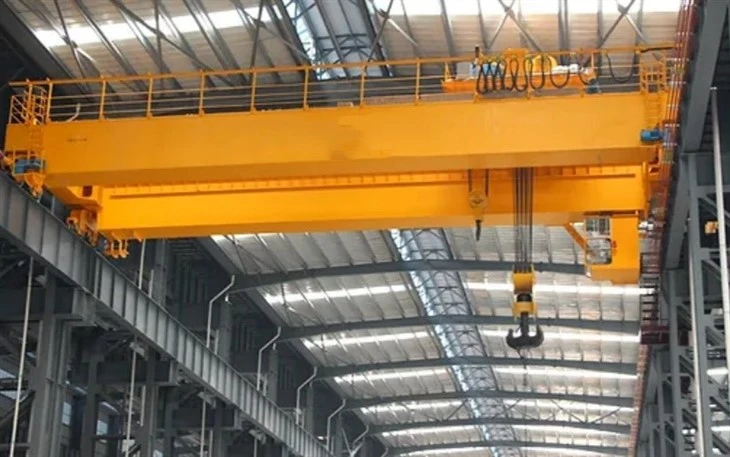
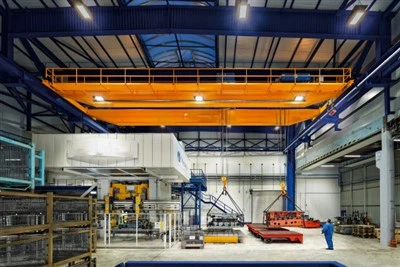
The Double Girder Electric Hoist Trolley Overhead Travelling Crane is a high-performance lifting solution engineered for demanding industrial environments. Designed to handle heavy loads with precision and safety, this crane system features a robust double-girder structure combined with an electric hoist trolley, offering superior stability and efficient material handling.
Equipped with an electric hoist mounted on a motorized trolley, this crane system ensures smooth, accurate, and reliable horizontal and vertical load movement. The crane travels along elevated runways, providing full coverage of large workshop areas, production floors, and warehouses.
Core Components:Bearing, Gearbox, Motor, Pump
Place of Origin:Henan, China
Warranty:1 Year
Weight (KG):2000 kg
Video outgoing-inspection:Provided
Machinery Test Report:Provided
Design:Double beam
Effectiveness:high efficiency
Operating speed:High speed operation
Stability:Anti-swing function
Color:Optional
Power Source:110V/220V/230V/380V/440V,customized
Span:7.5-31.5m
Pictures & Components
1.Main beam
1)Heavy-Duty Steel Construction:
The main beams are typically fabricated from high-strength Q235B/Q345B steel plate or equivalent, providing excellent load-bearing capacity and resistance to deformation under heavy loads.
2)Box-Type or Welded Beam Design:
The girders are usually box-girder type (closed section) or a welded H-beam design for high rigidity and reduced deflection.
Box-girders are commonly used for longer spans and heavier duty cycles.
3)Precision Manufacturing:
Main beams are manufactured with CNC cutting and automatic welding to ensure straightness, flatness, and high structural integrity.
4)Trolley Rail Installation:
A hardened steel rail is mounted on top of each beam, allowing the electric hoist trolley to move smoothly across the length of the girders.
2.Lifting System
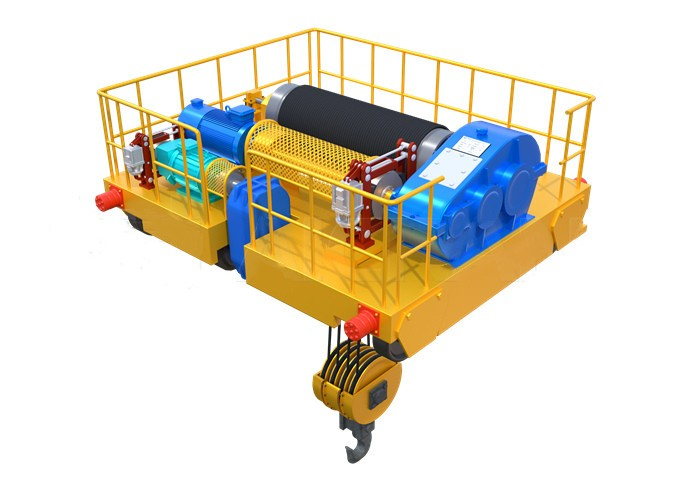
1)Double Girder Structure: Two parallel beams (girders) running across the span, providing high strength and stability. They support the trolley and hoist.
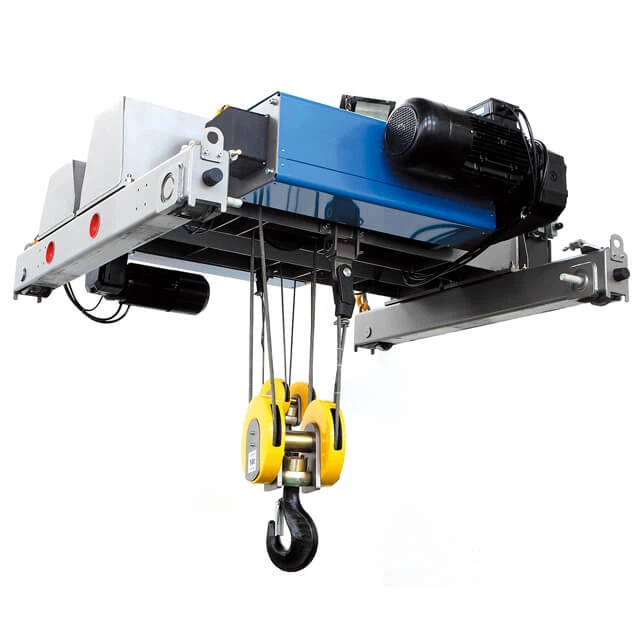
2)Electric Hoist Trolley: The trolley runs on top of or between the two girders and carries the electric hoist, which does the actual lifting.
3)Hoisting Mechanism: The electric hoist consists of a motor, drum, wire rope or chain, hook block, and braking system.
4)End Carriages: Located at both ends of the girders; they house the wheels that move along the runway rails.
5)Traveling System: The crane can move along the length of the workshop via rails mounted on the runway beams.
6)Electrical System: Control panels, festoon system or conductor bars, limit switches, and a pendant control or remote control.
 |
 |
3.End carriage
1)The End Carriage is the structure attached to the ends of the bridge girders.
2)It contains wheel assemblies that travel along the runway rails fixed on the building structure.
3)This allows the entire bridge (and trolley) to move longitudinally along the length of the crane runway.
4)Typically houses motors, gearboxes, and brakes for smooth motion and positioning.
 |
 |
4.Crane travelling mechanism
1)Crane End Carriages / End Trucks
These are the structures located at both ends of the double girders.
They house the travel wheels and support the entire crane on the runway rails.
2)Travel Wheels
The crane runs on steel wheels (single flange or double flange) that travel on rails fixed on the runway beams.
Made from high-strength materials to resist wear and deformation.
3)Travel Motors
Electric motors (often squirrel cage or wound rotor motors) that power the movement of the crane along the rails.
Often paired with brakes to control stopping and holding positions.
4)Gear Reducers / Gearboxes
Coupled with the motors to reduce speed and increase torque.
Ensures smooth and controlled crane movement.
5)Couplings
Connect the motor and gearbox or gearbox and wheels.
Absorb shocks and misalignments.
6)Braking System
Typically electromagnetic or hydraulic disc brakes.
Ensures the crane stops securely and holds its position when not moving.
5.Trolley travelling mechanism
1)Trolley Frame
A rigid steel structure that carries the hoisting mechanism (electric hoist and hook block).
Designed to run on the top flanges or rails of the double girders.
2)Travel Wheels
Typically 4 or more wheels (single or double-flanged) mounted on the trolley frame.
These wheels roll on the rails attached to the top of the girders.
Wheels are usually made of forged steel to handle heavy loads.
3)Trolley Travel Motor
Powers the trolley movement across the girders.
Generally equipped with a brake for controlled stopping.
Can be a squirrel cage motor or inverter-controlled motor for smoother operation.
4)Gear Reducer / Gearbox
Reduces the motor's high-speed rotation to a lower speed with higher torque.
Ensures steady and powerful cross travel.
5)Coupling
Connects the travel motor to the gearbox or wheel axle.
Compensates for minor misalignments and reduces shock loads.
6)Braking System
Integrated with the motor, usually electromagnetic disc brakes.
Holds the trolley in position when not moving.
7)Limit Switches / Travel Limiters
Prevents over-travel by stopping the trolley when it reaches the end of the girders.
Protects against collisions and damage.
6.Crane wheel
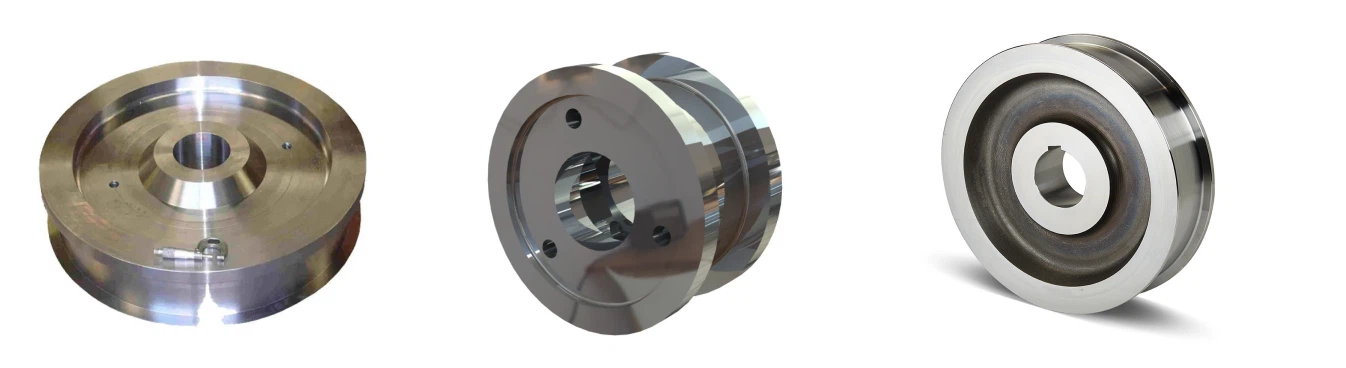
1)Crane Traveling Wheels (End Carriage Wheels)
Mounted on the end carriages of the crane.
These wheels ride along the runway rails installed on the crane runway beams (long travel).
Usually, each end carriage has 2 to 4 wheels depending on the crane capacity and span.
Material: Forged or cast steel (e.g., 42CrMo, carbon steel, or alloy steel) with high surface hardness and wear resistance.
Design: Can be single-flanged, double-flanged, or flat tread wheels depending on rail type and application.
2)Trolley Traveling Wheels
Mounted on the trolley frame, they move the trolley along the rails on top of the double girders (cross travel).
Normally 4 wheels for standard trolley designs.
Similar material and heat treatment as the crane traveling wheels.
Can be smaller in diameter compared to the crane traveling wheels due to reduced load and travel distance.
7.Crane Hook
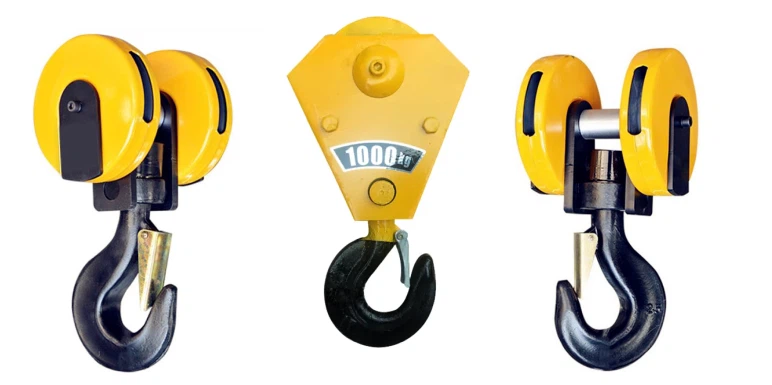
1)Hook Body
Typically a forged steel hook (e.g., 20MnSi, 34CrMo4, or other alloy steels) with high tensile strength and toughness.
Shaped either as a single hook or double hook (ramshorn type) depending on load capacity.
Single hooks are common for lighter loads, while double hooks are used for heavy-duty applications to distribute the load evenly.
2)Hook Block / Pulley Block
The hook is mounted to a hook block, which houses sheaves (pulleys) that guide the wire rope during hoisting.
Designed to reduce the lifting force via mechanical advantage.
Heavy-duty steel structure designed to withstand dynamic lifting loads.
3)Safety Latch
A spring-loaded latch attached to the hook to prevent accidental load disengagement.
Ensures the load stays secured inside the hook throat during lifting.
4)Bearing / Swivel Mechanism
Many hooks are equipped with a bearing or swivel that allows the hook to rotate freely (typically 360°) under no-load or partial load conditions.
Prevents wire rope twisting and allows better alignment of the load.
5)Identification Markings
Hooks are usually stamped with important info like load capacity, manufacturer's logo, material grade, and inspection marks.
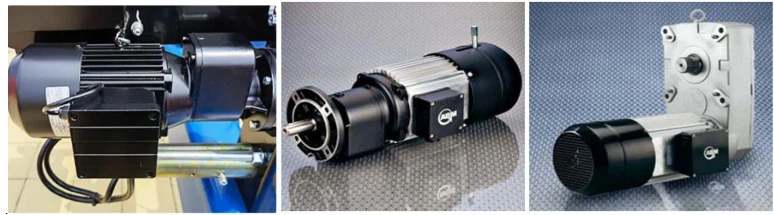
Motor
1)Hoisting Motor
Powers the lifting mechanism (electric wire rope hoist).
Requires high starting torque and braking capability.
Usually paired with a gearbox to reduce speed and increase torque.
Common type: Squirrel cage induction motor or wound-rotor motor.
Duty Class: High duty (S3 to S6 duty cycles) to handle frequent starts and stops.
2)Trolley Traveling Motor (Cross Travel Motor)
Drives the electric hoist trolley horizontally along the double girders.
Typically lower power compared to hoisting motor but still designed for intermittent duty.
Often equipped with electromagnetic brakes for precise stopping.
Features: Soft start via frequency inverter (VFD) or pole-changing motor for dual speeds.
3)Crane Traveling Motor (Long Travel Motor)
Powers the entire crane's movement along the runway rails.
Mounted on the end carriages.
Must generate enough torque to move the crane and the load smoothly.
Common type: Squirrel cage motor or slip-ring motor with braking system.
Works together with gear reducers for torque optimization.

.
Sound and light alarm system & limit switch
1)Sound and Light Alarm System:
The sound and light alarm system is an important safety feature that notifies operators and nearby workers of potential hazards, crane movements, or abnormal conditions. These alarms are typically used in overhead cranes to warn of lifting operations or any potential danger.
2)Limit Switches:
Limit switches are used to prevent the crane or its trolley from moving beyond safe operational limits. These switches automatically stop the crane's movement when it reaches a certain position. 
10.Safety Devices
1)Overload Protection Device
Function: Protects the crane from lifting loads beyond its rated capacity.
2)Limit Switches
Function: Prevents the crane from moving beyond its safe operating limits (end travel or hoist limits).
3)Emergency Stop Button
Function: Allows the crane operator or any nearby personnel to instantly stop the crane's motion in an emergency.
4)Sound and Light Alarm System
Function: Alerts nearby personnel and the crane operator when the crane is in operation or when it is approaching potentially dangerous conditions.
5)Crane and Trolley Brakes
Function: Used for emergency stopping and to hold the crane in position during non-operation.
6)Anti-Sway Device
Function: Reduces or eliminates load swinging (swaying) when moving a suspended load.
7)Anti-Collision Device
Function: Prevents the crane from colliding with nearby obstacles, structures, or other cranes.
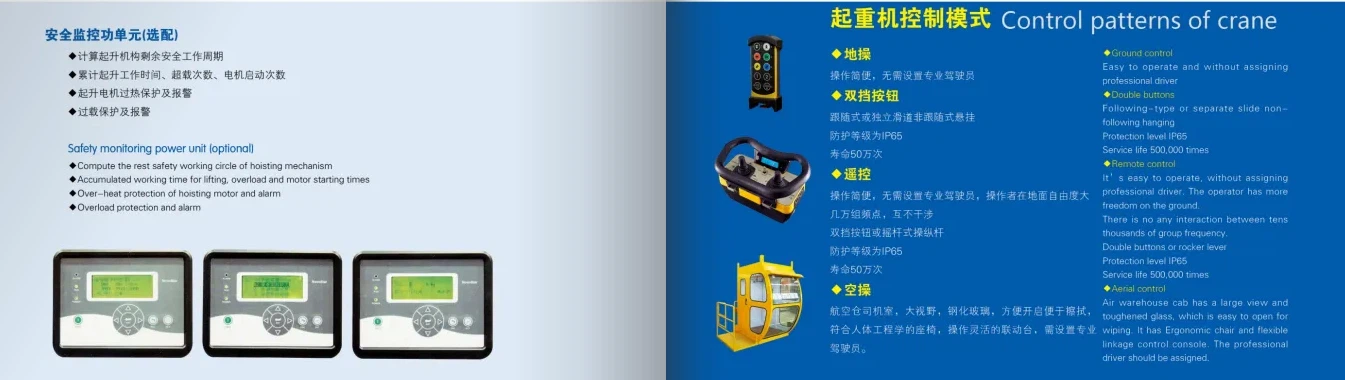
11.Control Mode
1)Pendant Control (Wired Control)
Description: The crane is operated using a handheld control pendant that is connected to the crane's control system via a cable.
2)Radio Remote Control (Wireless Control)
Description: The crane is operated wirelessly using a handheld remote control that communicates with the crane's control system via radio signals (RF).
3)Cabin Control (Operator Cabin)
Description: The crane is controlled from an operator's cabin, which is typically mounted on the crane itself (on the bridge or trolley).
4)Master-Slave Control (Dual Control)
Description: A master-slave control system is typically used in applications where two cranes need to work in synchronization (such as in the lifting and transporting of large, heavy loads).
5)Automatic Control (Automated Crane Systems)
Description: In this mode, the crane can operate without human intervention, based on pre-set programs or automated systems.
12.Sketch

Main technical

Advantages
1. Increased Load Capacity:
The double girder design allows for a higher lifting capacity compared to single girder cranes. It provides better support for heavier loads and is ideal for applications that require lifting very heavy materials.
2. Stability and Durability:
The two parallel girders create a more stable and rigid structure, reducing the risk of crane sway and improving the overall safety of lifting operations.
The crane is also more durable due to its robust design, making it suitable for harsh working conditions.
3. Better Lifting Height:
Double girder cranes allow for a larger hook height or lifting height. This can increase the available space below the crane for handling large or tall loads.
4. Efficient and Smooth Operation:
The electric hoist trolley moves smoothly along the double girders, ensuring that the crane operates efficiently with less wear and tear.
The crane can be fitted with various speed options, providing better control over the lifting and moving process.
5. Flexibility in Design:
These cranes can be customized to fit specific requirements, such as varying spans, lifting heights, and load capacities. They can also be equipped with features like remote controls, anti-collision devices, and other safety systems.
6. Space Utilization:
The trolley system allows for optimal use of the workspace by enabling the crane to move across the full span of the girder. This maximizes the area where lifting can occur.
7. Reduced Maintenance:
The electric hoist trolley has fewer moving parts and is often designed for low maintenance, reducing downtime and increasing productivity.
Application:
1. Heavy Manufacturing Industries
Steel Mills: For handling heavy steel billets, coils, and other materials.
Shipbuilding: Used in shipyards for lifting large ship parts or components.
Automotive Manufacturing: Lifting large machinery, parts, and tools during the assembly process.
2. Construction Sites
Lifting and moving heavy building materials, such as beams, concrete blocks, or large equipment across the construction site.
3. Warehousing and Logistics
Moving heavy items such as large equipment, containers, or storage pallets across warehouse spaces.
4. Power Plants
Used for lifting and positioning large turbines, generators, or other critical equipment during installation, maintenance, or repair.
5. Mining Operations
Transporting heavy mining machinery, equipment, and raw materials such as ores or coal within mining facilities.
6. Maintenance and Repair
In factories or large industrial facilities, it's used for maintenance and repair tasks, lifting machinery, or parts for repair and service.
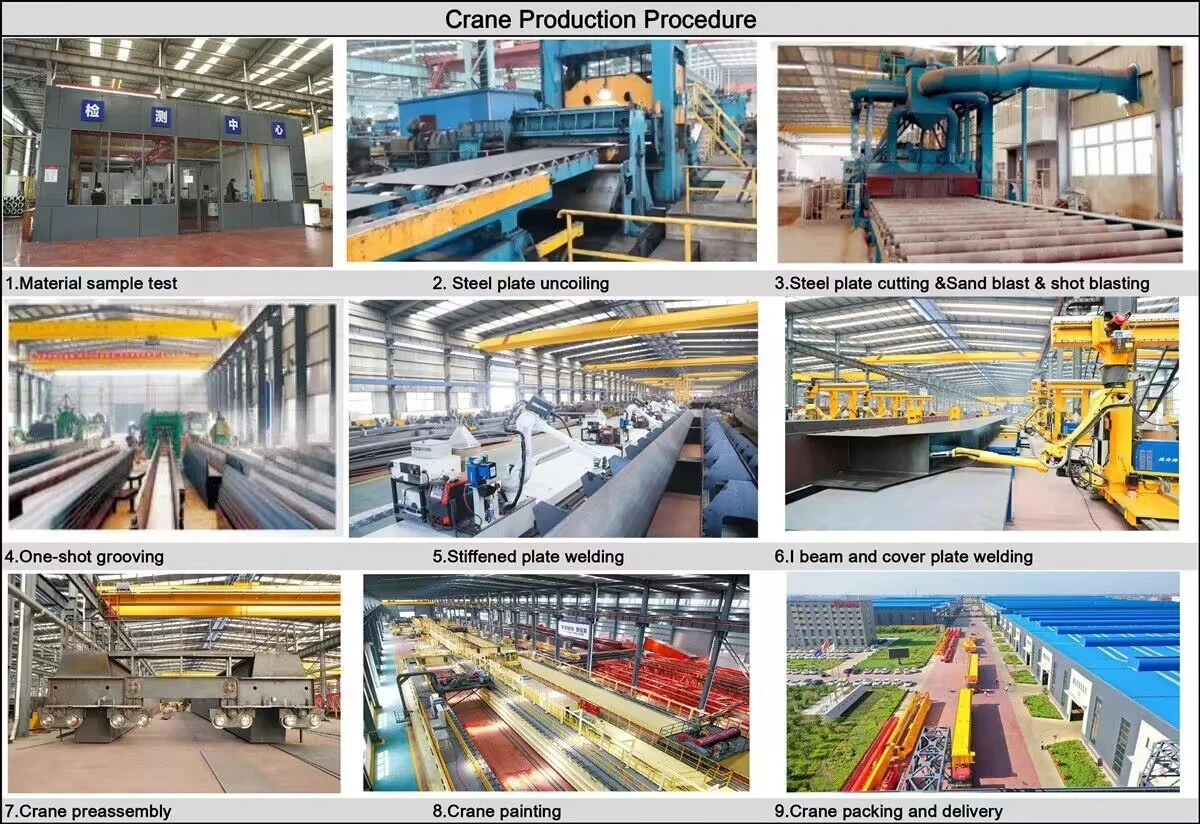
Crane production procedure
1. Design and Engineering
Customer Requirements: The first step involves understanding the customer's needs, such as load capacity, span, lifting height, and working environment.
Design: Based on these requirements, engineers create the crane's design. This includes selecting materials, components, and features like electrical control systems, hoisting mechanisms, and safety measures.
Approval: The design is reviewed and approved by both the engineering team and the client.
2. Material Procurement
Raw Materials: The main materials needed for the crane's construction include steel (for girders, beams, and supports), electrical components (motors, controllers), and hoisting parts (chains, ropes, drums).
Quality Check: Materials undergo inspection for quality and compliance with standards before they are used in production.
3. Fabrication and Assembly
Girder Construction: The double girder framework is fabricated by welding or bolting heavy steel plates and sections together. The girders form the main structural support for the crane.
End Carriages: The end carriages are built, including motors, wheels, and drive mechanisms, which allow the crane to move along its rails.
Hoist Assembly: The electric hoist trolley is assembled, including the hoist motor, drum, rope, and lifting mechanism.
Trolley Construction: The trolley is fitted with wheels, and the hoist is mounted on it to allow it to move along the girder.
4. Electrical and Control System Installation
Wiring: The crane is equipped with electrical wiring for powering motors and control systems.
Control Panel: The crane's electrical control panel is installed, including components like switches, buttons, and emergency stop features.
Safety Features: Integration of safety systems like overload protection, emergency brakes, and limit switches to prevent damage or accidents.
5. Assembly of Overhead Crane
Crane Assembly: The assembled girders, trolley, hoist, and control system are brought together. The end carriages are mounted onto the crane rails.
Testing of Motion: Ensure that the crane moves smoothly along the rails, and the hoist operates correctly.
6. Testing and Quality Control
Load Testing: The crane is tested under its full rated load to ensure it can handle the required capacity safely.
Safety Checks: Electrical and mechanical systems are tested for proper functioning, and safety devices like limit switches, emergency brakes, and overload protection are verified.
Adjustments: If any issues arise during testing, adjustments and corrections are made.
7. Painting and Finish
Surface Treatment: The crane components are cleaned, and any rust or contaminants are removed.
Painting: A protective coating or paint is applied to protect the crane from corrosion and wear, ensuring durability.
8. Final Inspection
Detailed Inspection: A final quality check is conducted on all parts of the crane, including the mechanical, electrical, and safety systems.
Documentation: Proper documentation is provided, including certifications, manuals, and inspection reports.
9. Delivery and Installation
Transport: The crane is packaged and shipped to the customer's site.
Installation: At the installation site, the crane is assembled (if necessary), and the final setup is performed.
Commissioning: The crane is tested again at the installation site to ensure that it operates correctly in its working environment.
10. Training and Handover
Training: The client's operators and maintenance staff are trained on how to use and maintain the crane.
Handover: The crane is officially handed over to the customer after all the necessary checks, tests, and training are completed.
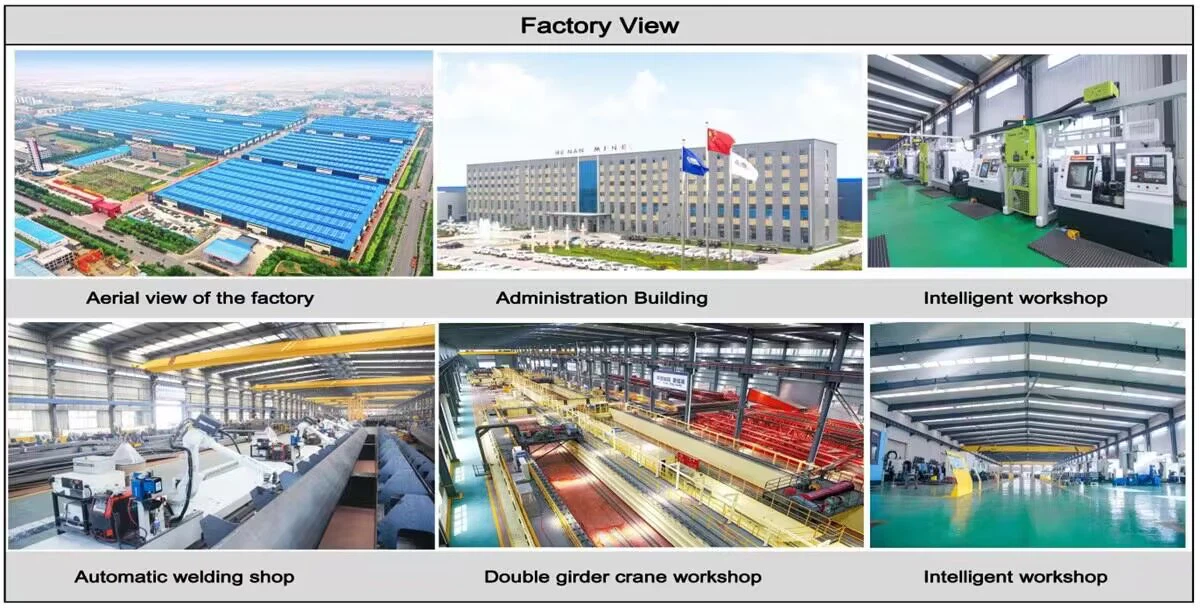
Workshop view:
The company has installed an intelligent equipment management platform, and has installed 310 sets (sets) of handling and welding robots. After the completion of the plan, there will be more than 500 sets (sets), and the equipment networking rate will reach 95%. 32 welding lines have been put into use, 50 are planned to be installed, and the automation rate of the entire product line has reached 85%.


Hot Tags: electric hoist trolley overhead travelling crane, China electric hoist trolley overhead travelling crane manufacturers, suppliers, factory, Double Girder Overhead Crane, Double Girder Overhead Travelling Crane
You Might Also Like




Send Inquiry