










Metallurgical Bridge Crane
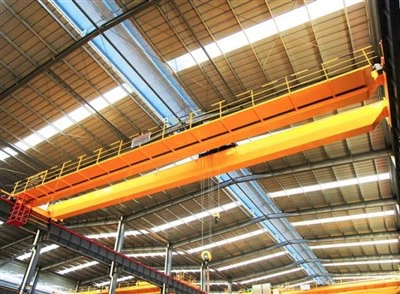
1.A metallurgical bridge crane is a specialized piece of lifting equipment designed primarily for handling molten metals and other materials in metal production facilities, such as steel plants, foundries, and smelting facilities. These cranes are engineered to withstand extreme working conditions such as high temperatures, heavy loads, and continuous operation, which are typical in the metallurgical industry.
2.Key Features:
High Heat Resistance: The crane is equipped with heat-resistant materials and components, allowing it to safely operate in environments where high temperatures are present, especially near molten metal
Durability and Strength: Built from high-strength steel and heavy-duty components to handle the substantial loads associated with molten metal, including ladles and ingots.
Advanced Safety Systems: Integrated safety features such as overload protection, anti-sway systems, and emergency braking ensure safe operation, protecting both the crane and the workforce.
Metallurgical bridge cranes are crucial in the metal production process due to their robust design and ability to operate in high-temperature and demanding environments. They enhance productivity, safety, and efficiency in metallurgical operations, making them an indispensable tool in the industry.
Max. Lifting Height:25M, 15M, 20M
Warranty of core components:1 Year
Warranty:1 Year
Weight (KG):45000 kg
Rated Lifting Moment:3200KN
Max. Lifting Load:320ton
Span:22m-31.5 m
Duty:A7~A8
Protection class:IP55
PLC:Support
Power Source:380~480V 50hz

Pictures & Components
1.Main beam
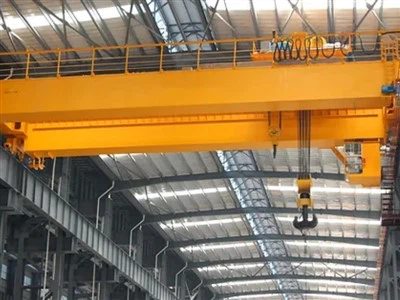
The main beam (also known as the girder) is the primary structural component of a metallurgical bridge crane. It plays a crucial role in supporting the crane's overall load and providing the horizontal movement necessary for transporting heavy materials, especially molten metal. Given the harsh working conditions in metallurgical facilities, the design and construction of the main beam are essential for the crane's durability, safety, and performance.
2.Key Characteristics of the Main Beam:
High Strength Construction:
Typically constructed from high-grade steel or other durable materials to handle extremely heavy loads, including molten metal, which places intense stress on the structure.
Designed to carry both the trolley (which holds the hoisting mechanism) and the load across the crane span.
Heat-Resistant Design:
The main beam may be equipped with thermal insulation or designed using heat-resistant alloys to withstand the high temperatures found in metal smelting plants.
Protects critical components like electrical wiring and motor assemblies from thermal damage.
Single vs. Double Girder:
Single Girder Design: Typically used for lighter loads and shorter spans, where only one main beam is required.
Double Girder Design: Commonly used in metallurgical bridge cranes to support heavier loads, ensuring increased stability, strength, and load distribution.
Precision Engineering:
The main beam must be perfectly aligned and balanced to ensure smooth movement and even load distribution across the crane's span.
Incorporates anti-sway and load balancing systems to minimize unwanted movement during the handling of molten metal.
3.The main beam of a metallurgical bridge crane is a critical component designed to endure extreme operational conditions. Its robust design, heat resistance, and load-carrying capacity ensure that the crane can safely and efficiently handle the rigors of molten metal transportation, contributing to the overall reliability of the metallurgical process.
Lifting System
The lifting system is a key component of a metallurgical bridge crane, responsible for the safe and efficient handling of heavy materials, particularly molten metals. This system is designed to operate in the demanding environment of a steel plant or foundry, where high temperatures, heavy loads, and safety concerns are significant factors.
The hoist is the core of the lifting system, responsible for raising and lowering the load. In metallurgical cranes, it is typically equipped with heavy-duty wire ropes or chains capable of handling extreme weights and conditions.It often features a dual hoist system for redundancy, ensuring safe operation during critical tasks such as pouring molten metal.A powerful electric motor drives the hoist mechanism. In metallurgical cranes, these motors are designed to operate under high temperatures and continuous use.Variable frequency drives (VFD) are often used to provide precise control over lifting speed, allowing for smoother and safer handling of molten materials.
The lifting system, particularly the hoist, is often insulated with heat-resistant materials to protect it from the extreme temperatures associated with handling molten metal.The lifting system is equipped with advanced control systems for precise movement of the load. These systems allow operators to move the crane with high accuracy, critical for pouring molten metal or positioning heavy materials.
Anti-sway technology is frequently integrated to prevent the load from swinging during lifting, which is especially important in the precise handling required in metallurgy.
4.The lifting system of a metallurgical bridge crane is engineered to handle the unique challenges of working with heavy, high-temperature materials. From powerful hoists to advanced safety features, every component is designed to ensure reliability, precision, and, most importantly, safety. The system's ability to operate under intense conditions makes it a vital part of the crane's overall function in metallurgical environments.

3.End carriage
1.The end carriage is a crucial structural component of a metallurgical bridge crane, located at both ends of the crane's main beam. It supports the crane's movement along the runway beams and provides stability and precise control over the crane's horizontal travel. In metallurgical operations, where the handling of heavy and molten materials demands reliability and safety, the design of the end carriage is of paramount importance.
2.The end carriage is typically made from high-strength steel, ensuring it can bear the immense loads carried by the crane during operations. It is designed to withstand not only the weight of the load but also the additional stress caused by frequent and continuous use in high-temperature environments.
3.The end carriage is powered by a motorized driving system that enables the horizontal movement of the crane across the span of the facility. This system typically includes a motor and gear reduction unit to provide smooth and controlled movement.
4.In summary, The end carriage is a fundamental part of the metallurgical bridge crane, providing the structural support and mobility needed for the crane to traverse the runway beams efficiently. With its robust construction, advanced driving system, and integrated safety features, the end carriage ensures smooth and precise movement even in the demanding conditions of a metallurgical facility. Its reliability and durability are essential for maintaining the safety and productivity of the crane.
4.Crane travelling mechanism
1.The crane travelling mechanism of a metallurgical bridge crane is responsible for moving the crane along its runway beams, allowing it to transport heavy materials, including molten metals, across the facility. This mechanism ensures smooth and controlled horizontal movement and is designed to withstand the harsh conditions typical of metallurgical plants, such as extreme heat, heavy loads, and constant use.
2.The crane travelling mechanism of a metallurgical bridge crane is a highly engineered system designed to provide smooth, precise, and safe horizontal movement. It consists of powerful motors, durable wheels, advanced braking systems, and positioning technologies that work together to handle the demanding conditions of metallurgical operations. The ability to safely and efficiently transport heavy, high-temperature materials across the facility is crucial to the crane's functionality and overall productivity.
5.Trolley travelling mechanism
1.The trolley travelling mechanism is an essential part of a metallurgical bridge crane, responsible for moving the trolley (which houses the hoisting system) along the length of the crane's main beam. This mechanism enables the vertical lifting system to be positioned precisely over the load, ensuring efficient and safe handling of heavy materials, including molten metal.
2.The trolley frame is a sturdy, heavy-duty structure that supports the hoisting mechanism and connects to the travelling wheels. It is built from high-strength steel to withstand the heavy loads associated with metallurgical operations, including molten metal.The frame is designed to minimize weight while maximizing structural integrity, ensuring smooth movement along the crane's main beam.
3.The trolley travelling mechanism is a critical component of the metallurgical bridge crane, providing controlled horizontal movement along the main beam. With a robust construction, precision drive motors, advanced braking systems, and safety features such as anti-sway technology, this mechanism ensures efficient and safe load handling in the demanding conditions of metallurgical environments. Accurate and smooth trolley movement is vital for the safe transport of molten metals and other heavy materials, making it an essential part of crane operations.
6.Crane wheel
1.The crane wheel is a critical component of a metallurgical bridge crane, enabling the crane to move along its runway rails. Given the extreme conditions in metallurgical plants, such as heavy loads, high temperatures, and constant operation, the crane wheels are designed for durability, precision, and long-lasting performance.
2.Crane wheels are typically made from forged steel or other high-strength alloys to withstand the immense loads and harsh working environment of metallurgical plants.These wheels are specifically engineered to resist wear and deformation from heavy-duty use, ensuring longevity and consistent performance.
3.The crane wheels of a metallurgical bridge crane are essential for the smooth and reliable movement of the crane along its runway. Built to withstand heavy loads, high temperatures, and continuous operation, these wheels are crucial to the crane's functionality. With a focus on heat resistance, durability, precise alignment, and easy maintenance, the crane wheels ensure safe and efficient material handling in the demanding environment of metallurgical plants.
 |
 |
 |
7.Crane Hook
1.The crane hook is a vital component of a metallurgical bridge crane, responsible for holding and transporting loads, including molten metal and heavy materials. Given the demanding environment of metallurgical plants, the crane hook must be designed to withstand extreme conditions, ensure safety, and provide reliable performance.
2.The crane hook is typically made from high-strength alloy steel or other durable materials designed to handle the high loads and harsh conditions found in metallurgical operations.Heat-resistant coatings or treatments are often applied to protect the hook from high temperatures and thermal stresses encountered when handling molten metal.
3.The crane hook of a metallurgical bridge crane is designed to meet the demanding requirements of handling heavy, high-temperature loads in a metallurgical plant. With a focus on high-strength materials, heat resistance, safety features, and regular maintenance, the crane hook ensures safe and reliable performance during the lifting and transportation of molten metal and other heavy materials. Its design and functionality are critical to the overall efficiency and safety of the crane operation.
 |
 |
 |
Motor
1.The motor is a crucial component of a metallurgical bridge crane, providing the power needed for various crane functions, including lifting, traveling, and operating the trolley. Given the demandingenvironment of metallurgical plants, the motor must be robust, reliable, and capable of operating under extreme conditions such as high temperatures, heavy loads, and continuous use.
2.Most metallurgical bridge cranes use three-phase AC electric motors due to their efficiency and reliability. These motors are designed to provide consistent power and torque for crane operations.Motors are constructed with materials and coatings that can withstand high ambient temperatures commonly found in metallurgical environments. Insulation and heat-resistant enclosures are used to protect the motor from thermal damage.
3.The motor of a metallurgical bridge crane is designed to provide the power and control needed for the crane's various functions, including lifting, traveling, and trolley operations. With features such as high-temperature resistance, robust construction, advanced control systems, and regular maintenance, the motor ensures reliable and efficient performance in the demanding environment of metallurgical plants. Its integration with other crane systems and emphasis on safety and energy efficiency are crucial for maintaining operational effectiveness and safety.

.
Sound and light alarm system & limit switch
1.The sound and light alarm system and limit switches are essential safety features of a metallurgical bridge crane. They help ensure safe operation by alerting operators to potential hazards and preventing accidental collisions or over-travel. In the harsh environment of metallurgical plants, these systems are designed to be highly reliable and effective.
2.Sound and Light Alarm System
Purpose:The sound and light alarm system is designed to provide audible and visual alerts to operators and nearby personnel about the crane's operational status, potential hazards, or emergency situations. This helps prevent accidents and ensures safe operation.
3.Limit Switch
Purpose:Limit switches are safety devices used to prevent the crane from traveling beyond its designed limits, either vertically (in the case of hoisting) or horizontally (for traveling along the runway). They help protect the crane structure, load, and surrounding equipment from damage.
Functionality:Limit switches operate using mechanical, electrical, or electronic means to detect the position of the crane or load. When the crane or load reaches the predefined limit, the switch sends a signal to the control system to stop or alter the crane's movement.
4.The sound and light alarm system and limit switches are vital safety features for a metallurgical bridge crane. The alarm system provides audible and visual alerts to ensure safe operation and prevent accidents, while limit switches prevent over-travel and ensure the crane operates within its designated limits. Both systems are designed to be highly reliable and durable, capable of withstanding the harsh conditions of metallurgical environments, and are integral to maintaining safety and operational efficiency in crane operations.

10.Safety Devices
1.Overload Protection
Overload Limiters: These devices monitor the load being lifted and prevent the crane from exceeding its maximum rated capacity. If the load approaches or exceeds the limit, the overload limiter will trigger alarms or automatically stop the hoisting operation to prevent damage or failure.
2. Emergency Stop System
Emergency Stop Buttons: Strategically placed throughout the crane and operator areas, these buttons allow for immediate shutdown of the crane's operations in case of an emergency.
Emergency Stop Circuits: These circuits ensure that the crane stops all movements and operations immediately when the emergency stop is activated, reducing the risk of accidents.
3. Limit Switches
Travel Limit Switches: Prevent the crane from moving beyond its designated travel path. These switches stop or reduce the crane's movement when it reaches the end of its travel range.
Hoisting Limit Switches: Control the maximum lifting height of the crane. They prevent the hoist from lifting the load too high, which could lead to accidents or damage.
4. Sound and Light Alarm Systems
Audible Alarms: Provide loud warnings to alert operators and nearby personnel about operational conditions or potential hazards.
Visual Alarms: Include flashing lights or beacons to signal warnings or emergencies, ensuring visibility from various angles.
5. Safety Latches and Hooks
Safety Latches: Secure the load to the crane hook, preventing accidental detachment during lifting and transport.
Anti-Rotation Hooks: Designed to prevent the load from rotating or swinging uncontrollably, especially important when handling molten metal.
6. Anti-Sway Systems
Anti-Sway Devices: Control and minimize the swaying or swinging of the load during movement. These systems use sensors and control algorithms to stabilize the load, reducing the risk of spills or collisions.
7. Brake Systems
Primary and Secondary Brakes: Ensure reliable stopping power for the crane's movements. Primary brakes are used for regular operation, while secondary or fail-safe brakes are activated in emergencies or if the primary brakes fail.
11.Control Mode
1.Manual Control
Operator Control: In manual mode, the crane is operated directly by a human operator using controls located in the crane's operator cab or via a handheld control pendant.Control Devices: Operators use joysticks, buttons, and levers to control the crane's movements, including hoisting, traveling, and trolley operations.
2.Automatic Control
Automated Systems: In automatic mode, the crane is controlled by a computerized system or programmable logic controller (PLC) that manages its operations based on pre-set programs or sequences.Control Features: The system can be programmed to execute specific tasks, such as lifting, traveling, and positioning, with high precision and repeatability.
3.Remote Control
Wireless Control: Operators use a wireless remote control unit to operate the crane from a safe distance. This can be particularly useful in hazardous environments or when the crane is handling molten metal.Control Features: Remote controls typically include buttons or joysticks to manage various crane functions, and may offer display screens for real-time data and diagnostics.Advantages: Enhances safety by allowing operators to remain at a safe distance from the crane's operations.

12.Sketch

Main technical data

Advantages
1. High Load Capacity
Handling Heavy Loads: Metallurgical bridge cranes are engineered to lift and transport very heavy loads, including large volumes of molten metal and heavy steel products.
Durable Construction: Made from high-strength materials and designed to withstand the stresses associated with heavy lifting.
2. Precision and Accuracy
Accurate Load Positioning: Provides precise control over load movement and positioning, essential for tasks such as pouring molten metal or handling large steel slabs.
Smooth Operation: Advanced control systems and mechanisms ensure smooth and accurate movements, reducing the risk of spills or collisions.
3. High Temperature Tolerance
Heat-Resistant Materials: Designed to operate in high-temperature environments, such as those found near furnaces or molten metal processing areas.
Cooling Systems: Equipped with cooling systems or heat-resistant coatings to protect critical components from thermal stress.
4. Enhanced Safety Features
Safety Devices: Includes overload protection, limit switches, sound and light alarms, and emergency stop systems to ensure safe operation and prevent accidents.
Anti-Sway Systems: Minimizes load swaying and swinging, reducing the risk of accidents and improving stability during transport.
5. Increased Efficiency
Automation Capabilities: Automated systems and control modes can streamline operations, reduce manual labor, and increase overall efficiency.
Reduced Downtime: Robust construction and reliable components reduce the likelihood of breakdowns and maintenance issues, leading to increased uptime.
6. Versatility
Multiple Functions: Capable of performing various tasks, such as lifting, traveling, and positioning, making it suitable for a wide range of applications in the metallurgical industry.
Customizable: Can be customized with specific features and attachments to meet unique operational needs.
7. Improved Working Conditions
Operator Comfort: Modern cranes are equipped with ergonomic operator cabins and controls, enhancing comfort and reducing operator fatigue.
Application:
1.Steel Production and Processing
Charging and Tapping: Used for charging furnaces with raw materials and tapping molten steel into ladles.
Slab and Billet Handling: Efficiently transports steel slabs, billets, and other semi-finished products from one part of the plant to another.
Hot Metal Handling: Manages the handling and movement of molten steel and other hot materials in various stages of the steelmaking process.
2. Casting and Mold Handling
Ladle Management: Moves ladles filled with molten metal to and from casting stations, ensuring precise positioning and transfer.
Mold Positioning: Lifts and positions molds for casting operations, facilitating the production of metal castings with various shapes and sizes.
3. Metal Smelting
Furnace Charging: Handles the loading of raw materials into smelting furnaces, such as ore, flux, and other additives.
Metal Pouring: Controls the pouring of molten metal into molds or other containers, ensuring accurate and controlled operations.
4. Foundries
Casting Operations: Supports the casting of metal parts and components by handling molds, core boxes, and finished castings.
Cleaning and Finishing: Moves and positions metal castings during cleaning, finishing, and inspection processes.
5. Rolling Mills
Material Transport: Transfers hot or cold rolled metal sheets, plates, and coils between various stages of the rolling mill process.
Recoil Handling: Manages the handling of large coils and reels of metal, facilitating their storage and processing.
6. Metal Fabrication
Component Handling: Moves large metal components and assemblies during fabrication and assembly processes.
Material Storage: Manages the storage and retrieval of raw materials and finished products in fabrication shops.
7. Automotive and Aerospace Manufacturing
Heavy Component Lifting: Handles large and heavy components used in automotive and aerospace manufacturing, such as engine parts and structural components.
Assembly Line Support: Assists in the assembly of large assemblies and structures, providing precise lifting and positioning.
8. Recycling and Waste Management
Scrap Metal Handling: Manages the loading and unloading of scrap metal and other recyclable materials in recycling plants.
Crane production procedure
1. Design and Engineering
Detailed Engineering: Develop detailed engineering drawings and specifications, including the main beam, hoist, trolley, end carriages, and other components.
Simulation and Modeling: Use computer-aided design (CAD) and simulation tools to model the crane's performance and optimize its design.
2. Material Selection
Material Specifications: Select high-quality materials that meet the requirements for strength, durability, and heat resistance. Common materials include high-strength steel, alloys, and specialized coatings.
Procurement: Source materials from approved suppliers, ensuring they meet the necessary quality and certification standards.
3. Component Fabrication
Cutting and Shaping: Cut and shape raw materials into the required components, such as beams, columns, and brackets. This may involve processes like plasma cutting, laser cutting, and machining.Welding and Assembly: Weld components together to form the crane's structural elements. This includes welding the main beam, end carriages, and other load-bearing parts.
4. Assembly
Sub-Assembly: Assemble individual components, such as the hoisting system, trolley, and end carriages, into sub-assemblies. This involves fitting parts together and ensuring proper alignment.Main Assembly: Combine sub-assemblies to construct the complete crane structure. This includes mounting the hoist and trolley on the main beam, attaching the end carriages, and installing the control systems.
5. Integration of Systems
Electrical Systems: Install electrical components, including motors, control panels, wiring, and sensors. Ensure that the crane's electrical systems are properly integrated and tested.
Control Systems: Implement and configure control systems, such as programmable logic controllers (PLCs), remote controls, and safety devices. Verify that the control systems function correctly and are calibrated.
6. Testing and Quality Assurance
Pre-Operational Testing: Conduct pre-operational tests to check the crane's functionality, including load testing, operational testing of the lifting and traveling mechanisms, and control system checks.
Safety Testing: Verify that safety features, such as limit switches, alarms, and emergency stops, are working correctly and meet safety standards.
Inspection: Perform a detailed inspection of the crane's structure and components to ensure compliance with design specifications and quality standards.
7. Final Adjustments and Calibration
Fine-Tuning: Make any necessary adjustments to optimize the crane's performance and ensure smooth operation. This may include calibrating sensors, adjusting controls, and fine-tuning the lifting system.
Documentation: Prepare and review documentation, including operation manuals, maintenance guides, and safety instructions.
8. Delivery and Installation
Transport: Arrange for the transport of the crane to the installation site, ensuring that it is handled and shipped safely to prevent damage.
Installation: Oversee the installation of the crane at the customer's facility, including assembly, alignment, and connection to power sources and control systems.
Training: Provide training for operators and maintenance personnel to ensure they are familiar with the crane's operation and safety procedures.
9. Commissioning and Handover
Commissioning: Conduct final commissioning tests to verify that the crane operates correctly under real-world conditions and meets performance specifications.
Handover: Officially hand over the crane to the customer, providing all necessary documentation, including certificates of compliance, warranty information, and maintenance schedules.

Workshop view
The company has installed an intelligent equipment management platform, and has installed 310 sets (sets) of handling and welding robots. After the completion of the plan, there will be more than 500 sets (sets), and the equipment networking rate will reach 95%. 32 welding lines have been put into use, 50 are planned to be installed, and the automation rate of the entire product line has reached.


Hot Tags: metallurgical bridge crane, China metallurgical bridge crane manufacturers, suppliers, factory, Double Girder Bridge Crane with Electric Hoist, Bridge Crane
Previous
Double Hook Bridge CraneYou Might Also Like



Send Inquiry