










Free Standing Bridge Crane For Sale
Products Description
Single-beam gantry crane is a light and medium-sized lifting equipment, mainly used for material handling in outdoor places such as factories, warehouses, and cargo yards. It consists of a single main beam, outriggers, walking mechanism, lifting mechanism, electrical control system and other parts, suitable for working environments with large spans and high lifting heights.
This crane adopts a single main beam design, which is light in weight, easy to install and maintain, and low in cost. It can be used in various outdoor sites, especially for temporary operations that do not require permanent structures. The lifting capacity is usually between 3 tons and 32 tons, which can be customized according to needs. It can be operated by ground control or cab, and is equipped with a remote control system to improve operating efficiency and safety. The connection between the main beam and the outrigger is stable and the operation is smooth, which can ensure long-term and reliable use.
3) The single-beam gantry crane runs along the main beam through an electric hoist, and the motor drives the walking mechanism and lifting mechanism to complete the horizontal and vertical material handling. The entire operation is adjusted by the electronic control system to ensure smooth and safe operation.
Core Components:Bearing, Gearbox, Motor, Gear
Place of Origin:Henan, China
Warranty :1 Year
Weight (KG):3000 kg
Video outgoing-inspection:Provided
Machinery Test Report:Provided
Lifting mechanism:Electric Hoist
Control method:Pendant Control+Remote Control
Crane type:Modular Cranes
Application:Indoor
Crane Material:Q235 Carbon Steel
Work Duty:A5-A6

Pictures & Components
1.Main beam
1) The box-type main beam is welded from steel plates, has high rigidity and load-bearing capacity, and is often used in cranes with larger spans. The I-beam main beam uses I-beam as the main material, has a simple structure and low cost, and is suitable for smaller spans and light lifting tasks.
2) The main beam is a single beam body that spans the legs on both sides. Lifting equipment such as electric hoists run under or on the side of the main beam through tracks, which is suitable for small and medium-sized lifting operations. A walking track is provided under or on the side of the main beam for the horizontal movement of the electric hoist or trolley. The flatness and wear resistance of the track are crucial to the operating stability of the equipment. The main beam is designed with reasonable mechanics to ensure uniform stress distribution during lifting, reduce deformation and stress concentration areas, and increase service life.
3) The main beam is usually made of high-strength steel to ensure its load-bearing capacity and bending resistance. Commonly used steel models include Q235B or Q345B, and the specific choice depends on the load-bearing requirements and working environment of the crane. The design load-bearing capacity of the main beam determines the rated lifting capacity of the crane, which is usually designed and verified according to the use requirements. The rigidity of the main beam determines the degree of deformation of the crane when lifting heavy objects, ensuring smooth operation under load.

Lifting System
The lifting system of a single-beam gantry crane is the core part of the equipment used to lift and lower materials. It is usually composed of an electric hoist, wire rope (or chain), pulley block, brake and electronic control system. The design of the lifting system determines the load capacity, lifting speed, and safety and stability of the crane's operation.
Functional characteristics of the lifting system:
1) High efficiency: The lifting system can achieve fast and smooth material lifting and movement through the design of electric hoists and pulley blocks, thereby improving operating efficiency.
2) Safety: Equipped with multiple safety devices such as overload protection, brakes, and limit switches to ensure safe and reliable lifting operations and reduce accident risks.
3) Convenient maintenance: The electric hoist has a simple structure, and its main components such as motors, wire ropes, and brakes are easy to maintain and replace, reducing maintenance costs.
4) Precise control: The combination of the variable frequency speed regulation system and the electronic control system can achieve precise control of the lifting speed, avoid the swing of heavy objects, and improve operating accuracy.

3.End carriage
1) The end beam of a single-beam gantry crane is an important structural part that connects the main beam of the crane with the outrigger or walking mechanism. It plays a supporting, guiding and transmission role in the overall operation of the crane. The end beams are usually located on both sides of the crane, which directly affects the operating stability, accuracy and service life of the equipment.
2) The end beam is usually fixed to the main beam by flange connection or welding to ensure the rigidity and stability of the overall structure. During the installation process, the parallelism and alignment between the end beam and the main beam are very high to ensure that the crane does not deviate or jam during operation.
3) The end beam is usually equipped with a wheel set, which moves horizontally on the laid track through a drive motor or a manual walking device. The wheels are generally made of wear-resistant materials, and steel wheels or polyurethane wheels are common. Wheels of different materials are selected according to different usage scenarios. The wheels on the end beam are generally designed with double wheels or multiple wheels to increase the contact area, disperse the load, and reduce the wear of the wheels and tracks.

4.Crane travelling mechanism
1) Operation principle
Motor start: The operator starts the motor through the control system, and the motor starts to run.
Reducer operation: The motor reduces the speed through the reducer and increases the output torque.
Wheel rotation: The power is transmitted to the wheel through the transmission device, and the wheel rolls along the track to achieve the lateral movement of the crane.
Travel control: The operator can adjust the speed and direction of the crane manually or through the electronic control system to meet different operation requirements.
2) Functional characteristics
Efficiency: The design of the crane running mechanism is designed to provide smooth and efficient lateral movement and reduce the impact force during starting and stopping.
Stability: The multi-wheel design and reasonable wheel layout can effectively disperse the load, enhance the overall stability, and reduce swaying and vibration.
Safety: Equipped with safety measures such as overload protection devices and limit switches to ensure timely stopping in abnormal situations to prevent equipment damage or safety accidents.
Easy maintenance: The main components of the operating mechanism are designed to be simple, easy to inspect and maintain daily, and ensure long-term stable operation.
5.Trolley travelling mechanism
1) Electric hoist: The trolley operating mechanism is usually equipped with an electric hoist for lifting and lowering materials. The electric hoist moves along the track of the trolley and is responsible for the actual lifting operation.
2) Trolley frame: The main structure of the trolley supports the electric hoist and other components. The frame design must have sufficient strength and rigidity to withstand the load during operation.
3) Wheel set: The bottom of the trolley is equipped with wheels, which are usually made of wear-resistant materials and can roll smoothly on the track of the main beam. The design is generally double-wheeled or multi-wheeled to ensure the stability of the trolley during operation.
4) Drive device: The drive motor transmits power to the wheels through the reducer to control the movement of the trolley. The selection of the motor depends on the load-bearing capacity and running speed requirements of the trolley.
5) Guide device: In order to ensure the stable operation of the trolley on the main beam, guide wheels or guide rails are usually provided to prevent the trolley from deviating or derailing during operation.
6.Crane wheel
1) Operation principle
Track rolling: When the crane moves, the motor drives the wheel to rotate, and the wheel rolls on the track, thereby realizing the lateral movement of the crane.
Load distribution: The design of the wheel group is usually a multi-wheel structure, which can effectively disperse the total load of the crane, reduce the pressure on the track, and extend the service life of the track and wheels.
Guidance function: The design of the wheel should also take into account the guidance function to ensure that the crane remains in the center of the track when moving to prevent derailment or tilting.
2) Maintenance and care
Regular inspection: The wear of the wheel needs to be checked regularly to ensure good contact between the wheel and the track to prevent accidents caused by excessive wear.
Lubrication: The bearings of the wheel need to be lubricated regularly to reduce friction, improve operating efficiency, and extend service life.
Cleaning: The part where the wheel contacts the track needs to be kept clean to prevent friction damage or wear caused by debris.

7.Crane Hook
Main features of hooks
1) Material: Hooks are usually made of high-strength steel to ensure their strength and toughness under high loads. Common materials include carbon steel or alloy steel, which can withstand large tensile and impact forces.
2) Shape design: The shape of the hook is generally "C" or "U" to firmly hang the load while preventing the load from slipping. The depth and width of the hook should be considered during the design to accommodate materials of different shapes and sizes.
3) Safety device: The hook is usually equipped with an anti-unhooking device, such as a safety buckle or locking device, to ensure that the load will not accidentally fall off during the lifting process.
4) Load capacity: The design of the hook needs to take into account the rated lifting weight of the crane, and there will usually be corresponding markings to ensure that its load capacity is not exceeded during use.

Motor
1) Type:
Asynchronous motor: The most commonly used type, with advantages such as simple structure, easy maintenance, and low cost, suitable for most crane applications.
DC motor: Used in situations where a wide speed regulation range and large starting torque are required, but it is usually more complex and requires high maintenance.
2) Power: The power of the motor is selected according to the rated lifting weight and working speed of the crane, usually between a few kilowatts and tens of kilowatts. The power selection must ensure that it can meet the working requirements under maximum load.
3) Braking system: The motor is usually equipped with a brake so that it can brake quickly and stably when the motor stops. Common braking methods include electromagnetic braking and mechanical braking. Electromagnetic braking can automatically maintain the braking state when the power is off to improve safety.
4) Protection level: According to the requirements of the working environment, the protection level of the motor (such as IP level) should adapt to different working conditions, such as dust and moisture resistance, to ensure the stable operation of the motor in harsh environments.

.
Sound and light alarm system & limit switch
1) Sound and light alarm system
Function: The sound and light alarm system is mainly used to provide visual and auditory warnings during the operation of the crane. When the crane approaches the limit position, the load exceeds the standard, or a fault occurs, the system will sound an alarm to alert the operator.
Components: The warning light is usually a flashing red or yellow light, which can visually alert the operator to the danger. The buzzer makes a sound to attract the operator's attention, especially in a noisy environment.
Application scenario: During the start, stop, and operation of the crane, the alarm is issued in time to ensure that the operator has a clear understanding of the equipment status.
2) Limit switch
Function: The limit switch is used to monitor the operating range of the crane to prevent it from exceeding the designed limit position and ensure the safe operation of the equipment.
Type: The upper limit switch is used to limit the operation of the crane when it is raised to the maximum height to prevent the lifting parts from colliding with the ceiling or other obstacles. The lower limit switch is used to limit the operation of the crane when it is lowered to the lowest position to avoid equipment damage or material falling. The side limit switch is used to limit the lateral movement of the trolley to ensure the stable operation of the crane on the track.
Working principle: Limit switches are usually set at key positions of cranes. When crane components (such as hooks, main beams, etc.) touch the limit switches, the switches will automatically cut off the power supply or stop the motor to ensure the safety of the equipment.

10.Safety Devices
1) Overload protection device: prevent the crane from overloading. When the actual load of the crane exceeds the rated lifting weight, the overload protection device will automatically cut off the power supply or sound an alarm to prevent damage to equipment and personnel.
2) Emergency stop device: used to manually stop the operation of the crane in an emergency. The operator can quickly cut off the power supply of the equipment by triggering the emergency stop button to prevent accidents.
3) Windproof device: prevent the crane from being blown by strong winds when working outdoors. The windproof device can be a mechanical locking device or an electric locking device. When the wind speed exceeds the safety standard, the crane will automatically lock to prevent the equipment from being dangerous due to wind.
4) Electrical protection device: prevent equipment damage or safety accidents caused by electrical faults. Electrical protection devices include short-circuit protection, undervoltage protection, phase failure protection, etc., which can automatically cut off the power supply when the electrical system is abnormal to prevent damage to the equipment or affect safety.
5) Anti-sway device: reduce or prevent the swing of the hook and load during lifting, ensure the stability of material handling, and prevent the material from falling off due to swinging.
6) Buffer device: A buffer is installed at the terminal position of the crane. When the equipment or vehicle approaches the end of the track, the buffer device can absorb part of the impact force to avoid damage to the equipment or personnel.
11.Control Mode
1) Ground handle control: The operator controls the operation of the crane by holding a control handle connected by a cable. There are multiple buttons on the handle, which are used to control the lifting, lateral movement and trolley movement of the crane. The cable is generally of a certain length, allowing the operator to operate at a safe distance.
2) Wireless remote control: The operation of the crane is controlled by a wireless remote control, which usually has buttons or rockers to control lifting, lateral movement and trolley operation. Without cable connection, the operator can move freely and operate the equipment at a long distance.
3) Cab control: The operator sits in the cab installed on the crane and operates directly through handles, buttons or joysticks. The cab is usually installed on the trolley or car of the crane, and the operator can directly observe the lifting operation site.
4) Centralized control (PLC control system): Use a programmable logic controller (PLC) for automated control to control the various actions of the crane through pre-programmed programs. The operator can control and monitor the operating status of the crane in the central control room or remotely through the human-machine interface (HMI).

12.Sketch
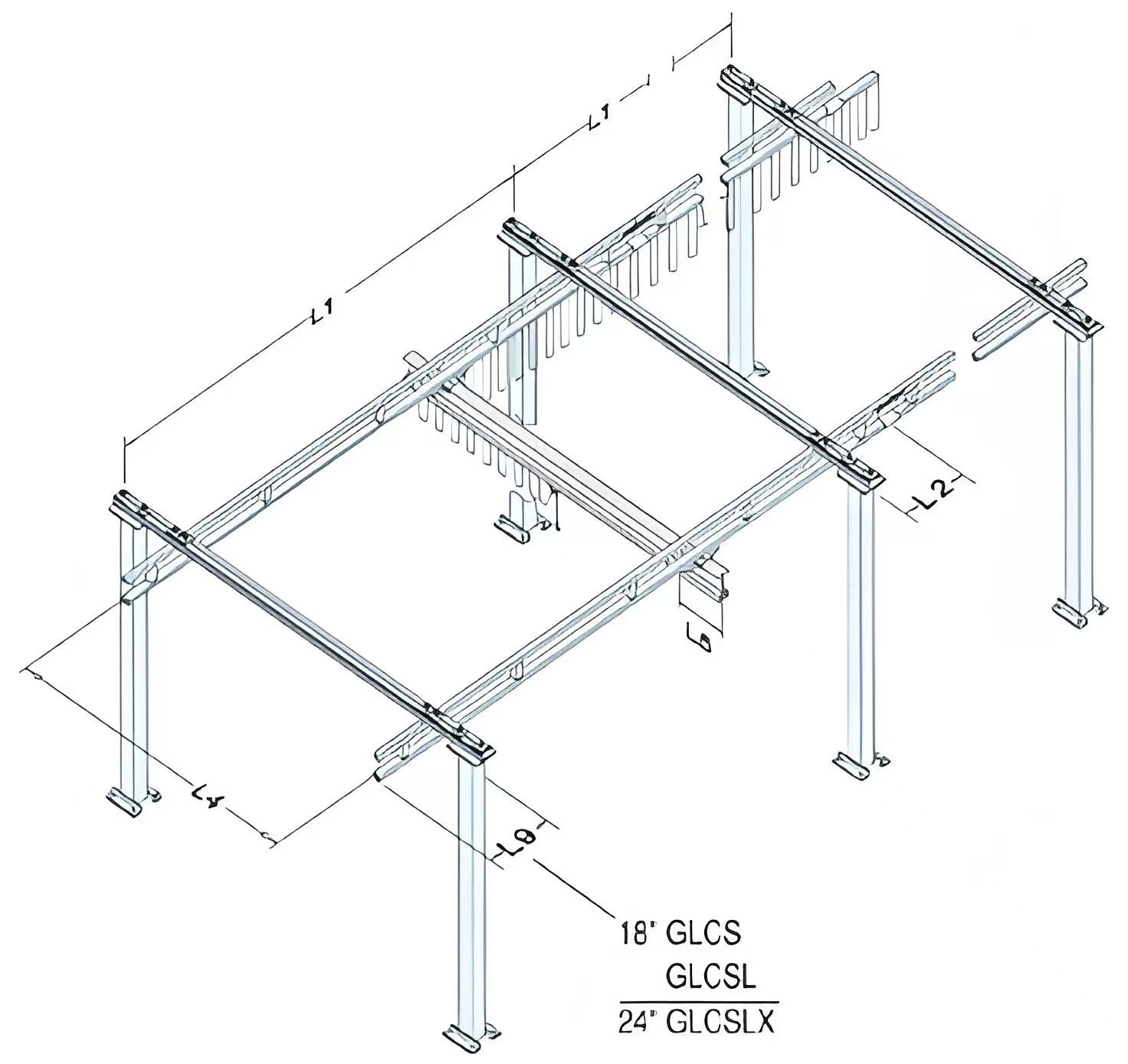
Main technical

Advantages
Simple structure and low cost: The design of single-beam gantry crane is relatively simple, the main beam is only a single steel beam, the structure is light and the manufacturing cost is low. Compared with double-beam gantry crane, the material consumption is small, which saves the cost of manufacturing and installation.
Easy installation and low maintenance cost: The installation process of single-beam gantry crane is relatively simple, and the required construction period is short, which is especially suitable for occasions where the demand for lifting equipment is urgent. The maintenance and maintenance of the equipment are also relatively convenient, the parts are easy to disassemble and replace, and the operation and maintenance cost is low.
Small space occupation: The design of single-beam gantry crane is compact, the overall size is small, and the space occupied is small. It is particularly suitable for installation in low workshops or limited spaces. Due to its compact structure, it can maximize the use of the vertical and horizontal space of the site and improve the use efficiency of warehouses or factories.
Flexible operation: The operation of single-beam gantry crane is flexible and can be controlled by ground handles, wireless remote control, cab and other methods to meet different operation requirements. It runs smoothly and can accurately complete the handling and positioning of materials, which is particularly suitable for occasions that require delicate operation.
5. Wide range of applications: Single-beam gantry cranes are suitable for a variety of industries and occasions, such as machinery manufacturing, steel, logistics, shipbuilding, ports and other fields, and are suitable for handling a variety of different types of goods. They can be used for indoor and outdoor operations, are not restricted by the environment, and have strong adaptability.
Application
1. Industrial Manufacturing
Machinery processing plant: used to move and load and unload mechanical parts, tools and finished products to improve production efficiency.
Assembly line: Move and position heavy parts during assembly to ensure smooth process.
2. Warehousing and logistics
Warehouse: used to move materials between shelves, especially suitable for storage and retrieval operations in high-bay warehouses.
Container terminal: used to load and unload containers and cargo, improving loading and unloading efficiency.
3. Construction
Construction site: used to move construction materials such as concrete blocks, steel, etc., to help improve construction efficiency.
Aerial operation: can be used to lift and move heavy equipment during construction.
4. Ports and ships
Port operations: used for loading and unloading cargo on ships, handling containers and bulk cargo, suitable for outdoor applications.
Shipyard: Helps lift and move hull parts in ship construction and repair.
5. Metallurgy and steel industry
Steel mill: used to move and handle heavy steel, furnace charge and finished steel to improve production efficiency.
Cold and hot rolling mills: lift and move heavy coils and plates in steel processing.
6. Power and Energy
Power plants: used to move large equipment and components, such as generators, transformers, etc.
Renewable energy: moving and installing heavy equipment in wind and solar projects.
7. Food and Beverage Industry
Production lines: used to move raw materials, packaging and finished products to improve production efficiency and hygiene safety.
Warehousing management: moving and storing food products in food warehouses.
Crane production procedure
1. Design stage: Determine the parameters of the crane, such as rated load, span and lifting height, according to the customer's needs and working environment. Carry out detailed structural design, including main beam, end beam, crane, lifting mechanism, etc., to ensure that the design meets safety standards and usage requirements. Select appropriate materials according to the design, usually high-strength steel to ensure the stability and durability of the structure.
2. Manufacturing stage: Prepare the required raw materials and parts according to the design drawings. Cut, bend and shape the steel to prepare structural components such as main beams and end beams. Weld the various components and assemble them into an overall structure. This step requires guaranteed welding quality to ensure strength and stability.
3. Machining: Machining key components such as motors, gears, bearings, etc. to ensure that their size and accuracy meet the requirements. Anti-corrosion treatment of components, such as painting and galvanizing, increases the durability and aesthetics of the equipment.
4. Electrical system installation: Install electrical components such as motors, controllers, switches, sensors and alarm systems. Connect and wire cables to ensure the normal operation of the electrical system.
5. Assembly phase: Assemble all components and systems as a whole, connect the lifting mechanism, trolley running mechanism and control system. Perform a comprehensive inspection of the assembled crane to ensure that all components and systems are working properly, and perform preliminary debugging.
6. Testing phase: Perform static load test on the crane to check the structural strength and stability. Perform dynamic test on the crane, including tests on lifting, moving, braking and other functions, to ensure that its performance meets the design requirements. Check the functions of safety devices, such as limit switches, overload protection, etc., to ensure the safety of the equipment during operation.
7. Quality control: Perform quality control on each link in the production process to ensure compliance with industry standards and customer requirements. Record various data and inspection results in the production process for subsequent traceability and analysis.
8. Delivery and installation: Pack and prepare the completed crane for transportation to ensure that it is not damaged during transportation. Deliver the crane to the customer's site for installation, and perform on-site debugging and acceptance. Provide operation training to customers to ensure that they are proficient in the use and maintenance of the crane.

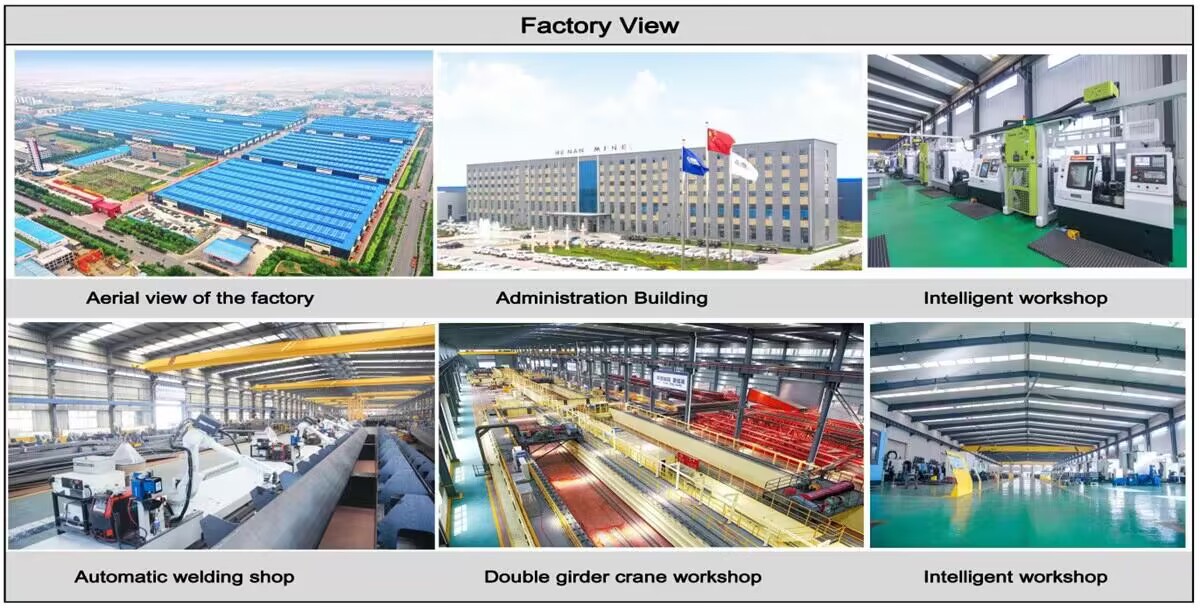
Workshop view:
The company has installed an intelligent equipment management platform, and has installed 310 sets (sets) of handling and welding robots. After the completion of the plan, there will be more than 500 sets (sets), and the equipment networking rate will reach 95%. 32 welding lines have been put into use, 50 are planned to be installed, and the automation rate of the entire product line has reached 85%.



Hot Tags: free standing bridge crane for sale, China free standing bridge crane for sale manufacturers, suppliers, factory, Single Girder Overhead Crane, Single Girder Overhead Travelling Crane
Previous
5T EOT CraneYou Might Also Like



Send Inquiry