







Garbage Grab Crane
Products Description
A garbage grab crane is a type of heavy-duty crane commonly used in waste management, recycling, and industrial applications for handling and transporting large volumes of waste, debris, or scrap materials. It typically consists of a crane arm mounted on a base or vehicle, with a hydraulic system that operates a large "grab" or clamshell attachment. This attachment is designed to pick up, hold, and move bulk materials like garbage, construction debris, or scrap metal with precision.
The crane's long boom or arm allows it to reach over long distances or into containers, bins, or piles of waste. The grab or clamshell attachment can open and close to securely grasp materials, making it effective for lifting irregular or heavy items. These cranes are usually mounted on specialized trucks, stationary platforms, or even on barges for port operations, giving them versatility in different environments.
Key features of a garbage grab crane include:
Hydraulic systems for efficient and powerful lifting.
Rotating capabilities allowing the crane to move materials in different directions.
Heavy-duty grabs or clamshells for secure handling of waste.
Long reach to access materials in hard-to-reach areas.
Durability designed for harsh working conditions, like those found in waste processing plants or scrapyards.
These cranes are crucial in streamlining waste collection, ensuring safe, efficient, and environmentally responsible handling of waste and recycling materials.


Pictures & Components
A garbage grab crane is made up of several key components that work together to lift, transport, and unload waste materials effectively. Here's a breakdown of the main components:
1. Crane Base/Frame
Description: The solid foundation of the crane, which can be mounted on a truck, a stationary platform, or a barge. This component supports the entire crane structure and provides stability.
Function: It holds the entire assembly in place and supports the lifting and movement functions.
2. Boom/Arm
Description: The long, extendable part of the crane that gives it the ability to reach over long distances or into containers, piles, or hard-to-reach areas.
Function: The boom is used to move the grab attachment and allows the crane to reach and manipulate materials. It may be adjustable, either telescoping or with multiple sections, to extend its reach.
3. Hydraulic System
Description: A set of hydraulic pumps, cylinders, and hoses that power the crane's movement, including the lifting, rotation, and extension of the boom and the opening and closing of the grab.
Function: The hydraulic system provides the strength and control needed for lifting heavy materials, allowing for precise operation of the crane.
4. Rotating Mechanism
Description: A turntable or slew mechanism that allows the crane's boom to rotate horizontally.
Function: It provides the crane with the ability to rotate 360 degrees, allowing the operator to access different areas without moving the base or vehicle.
5. Grab/Clamshell Attachment
Description: The specialized tool used to grasp and hold waste materials. This attachment typically has two jaws or buckets that open and close, designed to handle bulk materials such as garbage, scrap metal, or construction debris.
Function: The grab attachment is crucial for lifting and holding materials securely. It is usually operated using hydraulic cylinders to open and close the jaws or bucket.
6. Operator's Cabin or Control Station
Description: A cabin or control platform from where the crane is operated. This can be located on the crane itself (for stationary cranes) or in a truck cabin (for mobile cranes).
Function: The operator uses this area to control the movement of the crane, the boom, and the grab, as well as to monitor the lifting process and manage safety features.
7. Counterweights
Description: Heavy weights attached to the base or rear of the crane to balance and stabilize the crane during operation.
Function: Counterweights help prevent tipping by balancing the crane when lifting heavy loads, especially when the boom is fully extended.
8. Lifting Mechanism
Description: Includes winches, pulleys, or hydraulic rams that help raise and lower the grab and boom.
Function: This system ensures the grab can be raised and lowered safely and efficiently, especially for lifting large, heavy materials.
9. Tracks or Tires (for Mobile Cranes)
Description: For cranes mounted on trucks, tracks or tires provide mobility. For stationary cranes, there may be wheels or rails to assist with movement within a fixed area.
Function: These components allow the crane to move to different locations, facilitating the transport of materials across different zones or areas of the worksite.
10. Electrical System
Description: A system of wiring, sensors, and electrical components that supports the operation of the crane.
Function: The electrical system powers sensors, lights, alarms, and other operational components, ensuring smooth crane functioning.
11. Safety Features
Description: Includes load sensors, limit switches, alarms, and emergency stop buttons.
Function: These features ensure the safe operation of the crane by preventing overloads, limiting movement, and alerting operators to any issues or risks.
12. Control Panel or Joysticks
Description: The interface that the operator uses to control the crane. It may be a set of levers, joysticks, or a digital screen with buttons.
Function: This allows the operator to control all aspects of the crane's operation, including moving the boom, operating the grab, and adjusting the crane's position.
These components work together to provide a highly efficient and versatile machine capable of handling waste and scrap materials in various environments, from landfills to recycling plants to scrap yards.


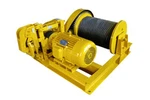
Motor
Maintenance of the motor
1) Regular inspection: Regularly check the operating status of the motor, including the temperature, vibration, noise, etc. of the motor. Check the insulation resistance and winding status of the motor to ensure its normal operation.
2) Cleaning and lubrication: Keep the motor clean and regularly clean the dust and debris inside the motor. Lubricate the bearings and other moving parts to reduce friction and wear.
3) Replacement and repair: When the motor fails, it needs to be repaired or replaced in time. The failure may include overheating, abnormal vibration, noise and other problems of the motor.

. 

9.Sound and light alarm system & limit switch
1. Sound and light alarm system
1) Warning function: The main function of the sound and light alarm system is to alert the operator and surrounding personnel to the operating status of the crane. It can emit sound alarms and flashing light signals to attract attention.
2) Safety reminder: The system is usually used to remind the operator of abnormal conditions of the crane, such as overload, collision warning, or reaching the limit position.
2. Limit switch
1) Position control: Limit switches are used to detect the operating position of each moving mechanism of the crane to prevent the crane from exceeding the design range during operation. They help protect the mechanical structure and load safety of the crane.
2) Automatic stop: When the crane or its accessories approach or reach the set limit position, the limit switch will trigger an automatic stop to prevent further movement to avoid damage.

10.Safety Devices
1) Overload protection device: The overload protection device is used to monitor the load of the crane to prevent the load from exceeding the design load capacity of the equipment. When the load exceeds the safety range, the device will send out an alarm signal and automatically stop lifting or other movements to protect the safety of the equipment and load.
2) Emergency stop device: In an emergency, the operator can immediately stop all movements of the crane through the emergency stop device to prevent accidents. Usually set on the operation panel and key positions for quick triggering.
3) Safety belts and guardrails: Safety belts and guardrails are used to protect operators and maintenance personnel from accidental falls during operation or maintenance.
4) Braking system: The braking system is used to control the moving speed and stop position of the crane to ensure smooth operation. In the event of a fault or emergency, additional braking force is provided.
5) Electrical protection device: Prevent short circuits in the electrical system and protect motors and electrical components. Prevent electrical systems from failing under overload conditions.
11.Control Mode
1) Manual control: Manual control is the most traditional control method, which controls various functions of the crane, such as lifting, walking and trolley operation, through buttons, switches and joysticks on the operation panel. It is simple to operate and suitable for environments that do not require complex operations.
2) Wireless remote control: The wireless remote control system allows the operator to operate near or far away from the crane, and transmits control instructions through wireless signals. Improves operational flexibility and comfort, suitable for scenarios that require operators to move and observe.
3) Automatic control: The automatic control system automatically performs crane operations based on preset programs and parameters without human intervention. Improves operational accuracy and is suitable for repetitive work or scenarios that require high precision.
4) Computer control: Use computers for comprehensive control and monitoring, and operate and monitor through a graphical interface. Able to record and analyze operational data and provide decision support.

Sketch

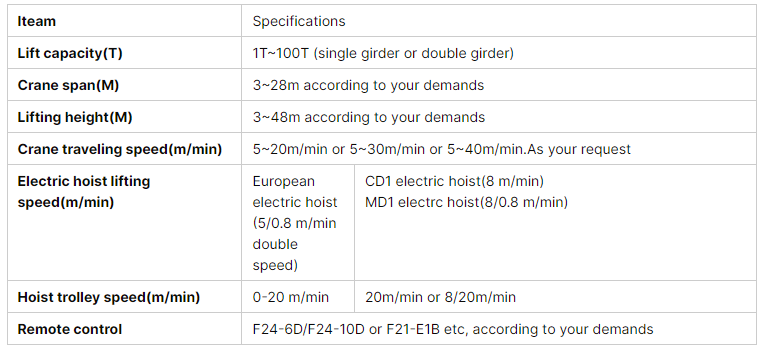
Main technical data
Advantages
A garbage grab crane offers several advantages, making it an essential tool in waste management, recycling, and industrial operations. Here are some of the key benefits:
1. Efficient Waste Handling
Advantage: The grab crane allows for quick and efficient handling of large volumes of waste or debris. It can easily collect, transport, and unload materials with minimal human effort.
Impact: This helps streamline waste management processes and improves operational efficiency, reducing labor costs and time spent on manual handling.
2. Heavy Lifting Capability
Advantage: Garbage grab cranes are equipped with powerful hydraulic systems that can lift heavy loads, including bulk waste, scrap metal, or demolition debris.
Impact: This makes them ideal for working with large and heavy items that would be difficult or impossible to move manually or with less powerful equipment.
3. Precision and Control
Advantage: The crane's grab or clamshell attachment is designed for precise operation. It can pick up waste materials accurately, even in confined or hard-to-reach areas.
Impact: The precision allows for safer and more efficient handling of materials, reducing the risk of accidents and minimizing damage to equipment or the environment.
4. Long Reach
Advantage: The extendable boom or arm allows the crane to reach over long distances or into deep piles of waste.
Impact: This makes it effective for working in large areas or for reaching into containers, stockpiles, or other hard-to-reach spaces without needing to reposition the crane frequently.
5. Versatility
Advantage: Garbage grab cranes are adaptable to different environments and tasks. They can be used in a variety of industries, including waste disposal, recycling, construction, and demolition.
Impact: This versatility allows the crane to be used in multiple applications, from landfills to recycling facilities to scrap yards and demolition sites.
6. Safety Features
Advantage: These cranes are equipped with advanced safety mechanisms, such as overload protection, emergency stop systems, and stability sensors.
Impact: The safety features reduce the risk of accidents, ensuring both operator and site safety while maintaining compliance with industry safety standards.
7. Reduced Labor Costs
Advantage: By automating the lifting, moving, and unloading process, the need for manual labor is significantly reduced.
Impact: This helps cut down on labor costs and minimizes the physical strain on workers, allowing personnel to focus on other important tasks.
Application
A garbage grab crane is widely used in various industries due to its ability to efficiently handle and transport waste, debris, and bulk materials. Here are some key applications:
1. Waste Management
Application: In landfills and waste collection sites, garbage grab cranes are used to load and unload waste materials into trucks, compactors, or waste processing machines.
Benefits: They can handle large volumes of municipal solid waste, construction debris, or mixed waste efficiently, ensuring smooth and fast waste collection operations.
2. Recycling Facilities
Application: These cranes are essential in recycling plants for sorting, lifting, and moving recyclable materials such as paper, plastic, metals, and glass. The grab attachment is used to collect materials from bins or storage piles and transfer them to sorting machines.
Benefits: They help in separating and transporting recyclable materials with precision, making the recycling process more efficient.
3. Scrapyards
Application: In scrapyards, garbage grab cranes are used to lift and move heavy scrap metal, vehicles, and other recyclable materials. The crane's grab attachment is particularly useful for picking up and compacting large chunks of metal, old cars, and machinery.
Benefits: They improve the speed and efficiency of scrap processing by handling bulky, heavy items that would be difficult to move manually.
Crane production procedure
Demand analysis and design: Understand the specific needs of customers, including the working environment, load requirements, span, lifting height, etc. of the crane. Determine technical specifications and performance parameters according to the needs and develop a preliminary design plan. According to the preliminary design, carry out detailed structural design and component design, and draw detailed engineering drawings.
Material procurement: Select reliable suppliers and evaluate them to ensure the quality and delivery time of the materials. Sign a procurement contract with the supplier to clarify the material specifications, quantity, price and delivery time.
Manufacturing and processing: Cut, bend, weld and other processing of steel to manufacture major components such as bridges, end beams, and support structures. Carry out precision processing of components to ensure that the size and shape of each part meet the design requirements. Install motors, reducers and drive systems to ensure the normal operation of the crane's power system. Install electrical equipment such as control panels, sensors, limit switches, and complete the wiring and connection of the electrical system. Weld and fix each component to ensure the stability of the structure.
Testing and debugging: Check the structural connections and welding parts of the crane to ensure that there are no defects. Test the connection and function of the electrical system to ensure that each electrical component is working properly. Adjust the control parameters according to the test results to optimize the operating performance. Deal with problems found during testing to ensure that the equipment meets the design requirements.
Acceptance and delivery: Conduct final quality inspection to ensure that all components and systems meet design standards and quality requirements. Conduct final performance tests to verify the functions and safety performance of the crane. Deliver the completed crane to the customer for on-site installation and commissioning. Provide operation training to customers, explaining the use of the equipment and maintenance knowledge.

GlobalMarket


Hot Tags: garbage grab crane, China garbage grab crane manufacturers, suppliers, factory
You Might Also Like


Send Inquiry