



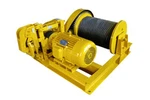




Electric Wire Rope Hoist 3 Ton
The 3-Ton Electric Wire Rope Hoist is a robust and reliable lifting solution designed to handle heavy-duty lifting tasks with ease. This hoist is ideal for industrial, construction, and warehouse settings, offering efficiency, safety, and durability.
Key Features
Load Capacity: Can lift up to 3 tons (or 6,000 pounds), designed for medium-duty lifting tasks in industries like manufacturing, construction, and warehouses.
Motor Power: Powered by an electric motor, usually with a three-phase or single-phase power supply, ensuring smooth and efficient lifting.
Wire Rope: Utilizes a high-strength steel wire rope, which provides durability and support for heavy lifting while ensuring smooth operation and reduced wear.
Lift Speed: Typically comes with a variable or fixed lifting speed, allowing for precise control over the lifting and lowering of loads.
Duty Cycle: Designed for intermittent use, with a specified duty cycle (such as S3 25%) that dictates how long the hoist can run continuously before needing a rest.
Control System: Features a pendant or wireless control for easy operation. The control usually includes buttons for lifting, lowering, and emergency stop functions.
Compact Design: The hoist is often designed to be compact and space-efficient, ideal for installations with limited space.
Temperature Protection: Motor protection features (such as thermal cutouts) to prevent overheating during use.
Installation Flexibility: Can be mounted on various systems, including overhead cranes, I-beams, or monorails.
Maintenance-Friendly: Designed for easy maintenance with accessible components like the motor, wire rope, and controls.

Parts & Components
- Electric Motor: The motor is generally rated with an IP55 or IP65 protection class, meaning it is protected from dust and water ingress to ensure reliability in harsh environments.The motor is designed to operate at a certain speed, often around 8 to 12 meters per minute for standard electric hoists.Common voltages are 380V (three-phase) or 220V (single-phase) for industrial applications, but this can vary depending on the region and the system configuration.
- Gearbox: The gearbox for a 3-ton hoist will typically be designed to handle the high loads and stresses associated with lifting heavy weights, and it is usually built with materials that can endure these conditions, such as steel alloys.
- Hoist Drum: The hoist drum of a 3-ton electric wire rope hoist is a critical component designed to store and release the wire rope that is used to lift and lower loads.The drum is powered by an electric motor connected to the hoist's gear system. The gear mechanism controls the speed of the drum's rotation, allowing for precise lifting and lowering of loads.

- Wire Rope: For a 3-ton electric wire rope hoist, the wire rope specifications will depend on factors like the hoist's design, the application, and the type of load it is intended to lift. The wire rope diameter is typically determined based on the lifting capacity of the hoist. For a 3-ton hoist, the wire rope diameter usually ranges from 8 mm to 16 mm, depending on the hoist's specifications and the length of the rope.
- Hoist Hook: The hoist hook of an electric wire rope hoist, especially for a 3-ton capacity, is an essential component for lifting and supporting loads. It's designed to connect to the load being lifted, providing a safe and reliable method of attachment.
- Control Panel: A control panel for a 3-ton electric wire rope hoist typically includes several key components to ensure safe and efficient operation.
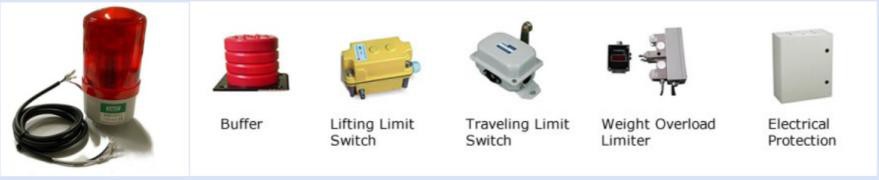
- Limit Switches: These limit switches help prevent mechanical failure, reduce wear on the hoist system, and ensure safe operations. They are usually adjustable and can be calibrated for specific height or load parameters.
- Brakes: The brakes of a 3-ton electric wire rope hoist are an essential component for safe operation, controlling the lifting and lowering of the load. Generally, the hoist features either mechanical or electromagnetic brakes.
- Safety Features: Electric wire rope hoists, especially those with a 3-ton capacity, are equipped with several safety features to ensure the safe operation of lifting tasks.
- Housing and Frame:
Housing:
Material: Typically made from high-strength steel or cast iron to ensure durability and strength.
Design: Often designed to protect internal components such as the motor, gear system, and electrical parts from dust, moisture, and other environmental factors.
Accessibility: The housing will have access panels or removable covers for easy maintenance and repair of internal components.
Finish: Usually painted with corrosion-resistant coatings to prolong the hoist's lifespan, especially when used in harsh environments.
Frame:
Material: Generally made from steel, which provides a strong, rigid structure to handle the load. The frame is designed to bear the full 3-ton lifting capacity.
Construction: Often welded or bolted together for added strength. The frame's design ensures proper alignment and reduces the risk of the hoist being misaligned during operation.
Design Features: It includes mounting points for securing the hoist to a trolley, rail, or other support systems. The frame may also feature built-in reinforcements to handle the forces exerted by lifting heavy loads.
Shape: The frame typically has a rectangular or box-like shape, with the necessary cutouts to house the drum, wire rope, and other mechanical components.
Sketch

Advantages
Efficiency and Speed: Electric hoists are faster and more efficient compared to manual ones, reducing the overall time for lifting operations and increasing productivity.
Ease of Operation: With simple controls, electric hoists are easier to operate, reducing the need for skilled labor and minimizing the chance of operator fatigue or error.
Consistent Lifting Power: Electric hoists provide a steady and reliable lifting force, ensuring precise and controlled movement, especially useful for heavy loads like a 3-ton capacity.
Safety: Electric wire rope hoists come with advanced safety features like overload protection, emergency stop buttons, and limit switches, ensuring safer operation in demanding work environments.
Reduced Labor Costs: Since the hoist does most of the heavy lifting, fewer workers are needed for operations, reducing labor costs and improving overall efficiency.
Durability: Electric hoists are designed to withstand tough environments and heavy usage, providing long-term durability when maintained properly.
Low Maintenance: They require less frequent maintenance compared to manual hoists, as electric motors generally have fewer wear-and-tear issues compared to manual gear systems.
Versatility: Electric wire rope hoists are versatile and can be used for a wide range of lifting tasks in different industries such as construction, warehouses, manufacturing, and logistics.
Space Saving: Many electric hoists are compact and designed to fit into tight spaces, making them ideal for environments where space is limited.
Energy Efficiency: Modern electric hoists are designed to consume less energy, which can help reduce operational costs over time.

Application
Construction Sites:
Used to lift construction materials, tools, and heavy equipment like beams, steel, and machinery components. It helps streamline construction work, especially in high-rise buildings, where manual lifting is not feasible.
Manufacturing Plants:
In factories and assembly lines, it is used to lift and move heavy machinery parts, equipment, or product assemblies. The hoist helps increase efficiency and safety in the manufacturing process.
Warehouses and Storage:
Used for unloading or loading heavy goods such as pallets, large containers, or raw materials in a warehouse or storage facility. It allows for quick movement of materials without manual handling.
Shipyards and Ports:
Electric hoists are commonly used to load and unload ships, cranes, or containers. A 3-ton hoist can handle smaller loads like engine parts, ship components, or smaller containers.
Maintenance and Repair:
It is helpful in maintenance work, such as lifting heavy engine components, motors, or parts of large machinery. Technicians use it to raise or lower equipment for repair, inspection, or installation.
Automotive Industry:
In workshops or assembly lines, hoists are used to lift car engines, chassis, and large automotive parts. This makes assembling, disassembling, and repairing vehicles more efficient.
Power Plants and Energy Sector:
Used for lifting heavy equipment or components, such as generators, turbines, and transformers during installation or maintenance.
Mining and Excavation:
In the mining industry, hoists are used to transport heavy mining equipment or materials to different levels or sections of the mine.

Production Procedure
1. Design and Engineering
Specification Analysis: Understand the customer's requirements, including load capacity (3 tons), lifting height, power supply (voltage), and specific features like speed control, brake system, etc.
Engineering and Drafting: Design the hoist structure, motor, gearbox, drum, rope guide, and other components. CAD (Computer-Aided Design) software is typically used for precise drawings.
2. Material Procurement
Raw Materials: The required materials such as steel plates, motors, ropes, gears, bearings, and electrical components are sourced.
Quality Check of Materials: Ensure all materials comply with quality standards, including certifications for the motor, ropes, and structural components.
3. Fabrication of Main Components
Hoist Frame: The hoist frame (housing) is fabricated using steel or cast iron. It is welded, machined, and treated to ensure durability and strength.
Drum and Rope Guide: The drum, which holds the wire rope, is fabricated and machined to precise dimensions. The rope guide is designed to keep the rope aligned during operation.
Motor Assembly: The electric motor is mounted and tested for performance. The motor is connected to the gearbox to ensure that the lifting speed and capacity are correct.
Gearbox: The gearbox is assembled and mounted to convert the motor's rotational motion into lifting power. The gears are lubricated and aligned for smooth operation.
4. Assembly
Frame Assembly: The hoist frame is assembled with the gearbox, motor, and other mechanical components.
Rope Installation: The steel wire rope is threaded onto the drum and secured to the hook. The rope must be installed correctly to ensure smooth operation.
Electrical Wiring: The electrical components, such as switches, control panels, and limit switches, are wired into the system. The hoist is connected to the power supply.
Brake System: The brake system is installed to stop the load when necessary. The brake components are tested for functionality.
5. Testing
Load Testing: The hoist is tested with a load equal to or greater than its rated capacity (3 tons). This test ensures that the hoist can safely lift and lower the load.
Functional Testing: The hoist's functionality, including lifting, lowering, speed control, and emergency stop, is tested.
Safety Checks: All safety mechanisms, such as overload protection, limit switches, and brakes, are tested to ensure proper operation.
Electrical Testing: Check the electrical system for correct voltage, continuity, and safe operation.
6. Finishing
Painting and Coating: After the hoist passes all tests, the body is cleaned, and protective coatings or paints are applied to prevent corrosion.
Labeling and Marking: The hoist is marked with its specifications, including model number, load capacity, and safety information.
7. Quality Control
Final Inspection: A thorough inspection is conducted to ensure that the hoist meets all engineering, safety, and quality standards.
Certification: The hoist is certified for use according to relevant international or local standards (e.g., ISO, CE).
8. Packaging and Shipping
The hoist is carefully packed in protective materials to avoid damage during transportation.
It is shipped to the customer, accompanied by user manuals, certificates, and maintenance guidelines.

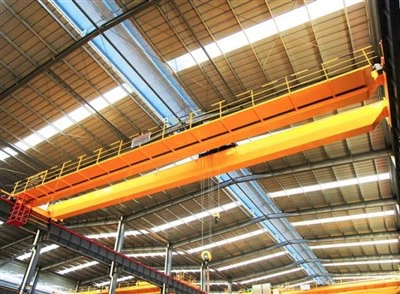
Workshop View


Hot Tags: electric wire rope hoist 3 ton, China electric wire rope hoist 3 ton manufacturers, suppliers, factory
You Might Also Like



Send Inquiry