










QE Overhead Crane
Products Description
What is a QE Overhead Crane?
A QE Overhead Crane is a specific classification of an overhead traveling crane where "QE" typically stands for "Quality Electric" or denotes a standard-duty, electrically operated overhead crane. It generally represents a versatile, general-purpose crane designed for reliable performance in a wide range of industrial applications, falling between light-duty and severe-duty classifications.
Think of it as the reliable, all-electric workhorse of the factory floor, capable of handling daily lifting tasks with efficiency and precision.
Advantages of QE Overhead Cranes
Reliability and Low Maintenance: Electric systems are generally more reliable and require less maintenance than complex hydraulic systems.
Clean and Quiet Operation: Produces no exhaust fumes and operates with relatively low noise, making it suitable for indoor facilities.
Precision Control: Electric motors allow for smooth and precise load positioning, which is essential for assembly and manufacturing tasks.
Cost-Effectiveness: Offers an excellent balance of performance and cost for general industrial use.
Energy Efficiency: Modern QE cranes with Variable Frequency Drives (VFDs) can be very energy-efficient, reducing operating costs.
Comparison: QE vs. Other Overhead Cranes
| Feature | QE Type (Standard Electric) | QL Type (Light Duty) | QC Type (Severe Duty) |
|---|---|---|---|
| Duty Cycle | M3/M4 (Medium/Heavy) | M2/M3 (Light/Medium) | M6/M7 (Severe/Very Severe) |
| Typical Use | General Manufacturing, Warehouses | Workshops, Light Assembly | Steel Mills, Foundries |
| Operation | Electric | Electric or Manual | Electric |
| Robustness | Standard Industrial | Light-Duty | Heavy-Duty |
Conclusion: The QE Overhead Crane is the backbone of countless industrial facilities. Its electric operation, standard-duty design, and versatile configuration options make it a practical, efficient, and reliable choice for the vast majority of material handling tasks that require more than just occasional light lifting. It is the go-to solution for businesses seeking to improve productivity with a dependable and cost-effective overhead lifting system.
Core Components:Bearing, Gearbox, Motor, Pump
Place of Origin:Henan, China
Warranty:1 Year
Weight (KG):2000 kg
Video outgoing-inspection:Provided
Machinery Test Report:Provided
Design:Double beam
Effectiveness:high efficiency
Operating speed:High speed operation
Stability:Anti-swing function
Color:Optional
Power Source:110V/220V/230V/380V/440V,customized
Span:7.5-31.5m

Pictures & Components
1. Primary Structural System (The Framework)
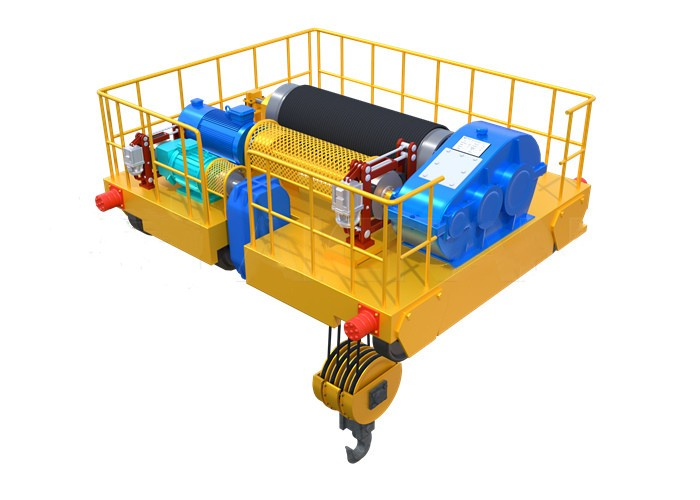
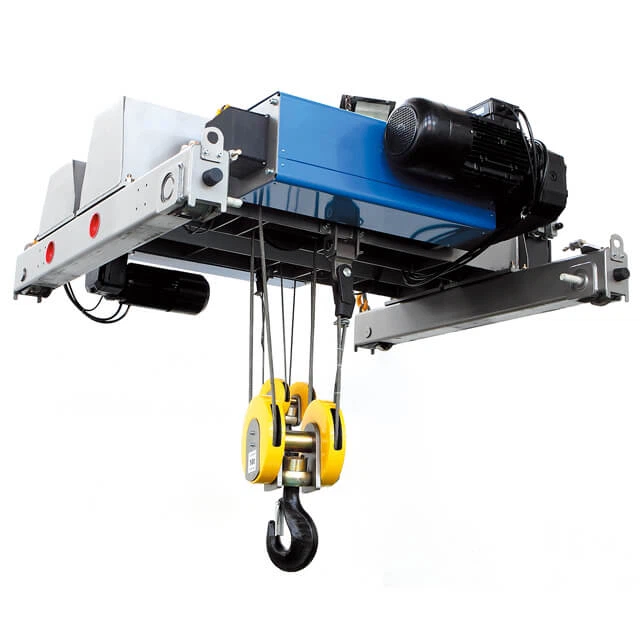
Bridge Girders: The primary horizontal beam(s) that form the bridge.
Single Girder: One beam (I-beam or box girder) where the hoist trolley runs on the bottom flange.
Double Girder: Two parallel girders where the trolley runs on top of the girders, providing higher capacity and better hook height.
 |
 |
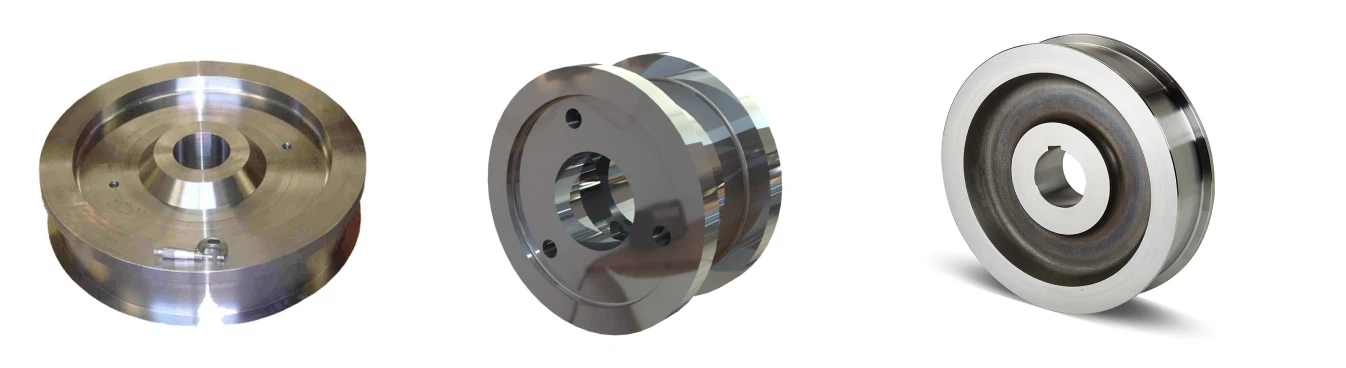
End Trucks: The structures at each end of the bridge that house the wheels and drive mechanisms for moving the entire crane along the runway.
Runway System:
Runway Beams: Heavy I-beams or box sections supported by the building columns.
Running Rails: Steel rails mounted on top of the runway beams.
Crane Buffers: Shock-absorbing devices at the ends of the runway.
 |
 |
Electric Hoist Unit:
Hoist Motor: Electric motor providing lifting power.
Gearbox: Reduces motor speed to increase torque.
Wire Rope Drum or Chain Sprocket: Spools the lifting medium.
Brakes: Automatic braking system to hold the load.
Trolley Assembly:
Trolley Frame: Supports the hoist unit.
Trolley Wheels & Drive: Wheels that run along the girder(s), with a separate drive motor for transverse movement.
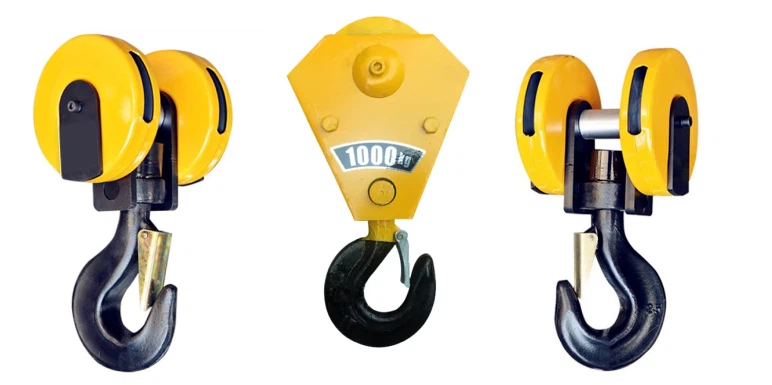
Hook Block: The assembly that holds the hook, often with multiple sheaves for mechanical advantage.
Bridge Travel Drives:
Drive Motors: Motors mounted on the end trucks to propel the entire crane.
Wheels: Flanged wheels that run on the runway rails.
3. Power, Control & Motion Systems (The Nerves)
Power Supply System:
Conductor Bar System: Enclosed power bars running parallel to the runway.
Festoon System: A trolley and track system that carries flexible power cables.
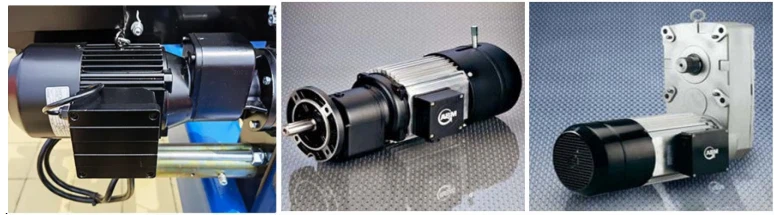
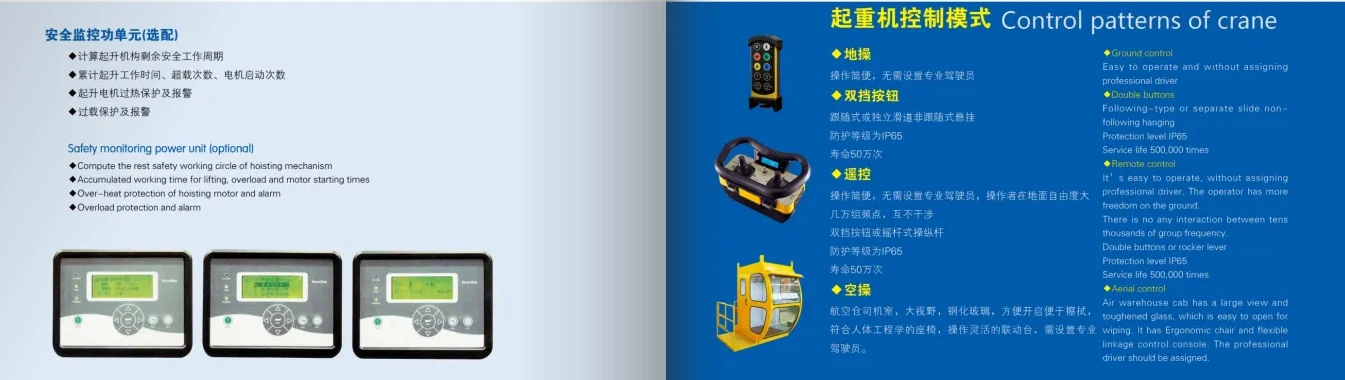
Control Interface:
Pendant Station: A hanging push-button control box.
Radio Remote Control: Wireless operation for operator mobility.
Control Panel:
Contactors and Relays: For power distribution and control.
Overload Relays: Protect motors from excessive current.
Variable Frequency Drives (VFDs): For smooth speed control (optional, but common in modern QE cranes).

4. Critical Safety Systems (The Lifeline)
Limit Switches:
Hoist Upper/Lower Limit: Prevents over-hoisting or over-lowering.
Travel Limits: Stops crane and trolley at runway and girder ends.
Braking Systems:
Hoist Brake: Automatically holds the load when power is off.
Travel Brakes: On bridge and trolley drive motors.
Overload Protection: A device that prevents the hoist from lifting a load beyond its rated capacity.
Emergency Stop Buttons: Located at various points on the crane and pendant.
Warning Device: A horn or buzzer to alert personnel when the crane is in motion.

Summary: Key Features of a QE Overhead Crane
| Component | QE Overhead Crane Characteristic |
|---|---|
| Girders | Single or Double Girder based on application needs |
| Hoist | Standard Industrial Electric Hoist rated for M3/M4 duty |
| Power | Fully Electric via conductor bar or festoon |
| Control | Pendant or Radio Remote for flexible operation |
| Safety | Essential systems like limit switches and overload protection |
Sketch

Main technical

Advantages
Advantages of QE Overhead Cranes
QE Overhead Cranes offer a compelling set of benefits that make them a cornerstone of modern industrial material handling.
1. Cost-Effectiveness and Excellent Value
Optimal Investment: QE cranes provide the perfect balance between the light-duty QL models and the expensive, severe-duty QC cranes. They offer robust performance for general industrial use without unnecessary over-engineering.
Lower Operating Costs: Electric power is more efficient and cost-effective than hydraulic or pneumatic systems, and requires less maintenance.
2. High Operational Efficiency
Smooth and Precise Control: Electric operation, especially when equipped with Variable Frequency Drives (VFDs), allows for jerk-free movement and precise load positioning, which is critical for assembly and quality control.
Increased Productivity: By automating the lifting and moving of heavy materials, a single operator can accomplish tasks that would otherwise require multiple workers, significantly speeding up workflow.
3. Versatility and Flexibility
Multiple Configurations: Available as single or double girder, top-running or under-running, allowing them to be tailored to specific facility layouts and lifting needs.
Wide Capacity Range: Typically capable of handling loads from 1 ton to 20 tons, covering the vast majority of industrial lifting tasks.
Adaptable to Various Attachments: Can be used with a standard hook, magnet, vacuum lifter, or other specialized tools.
4. Enhanced Safety and Ease of Use
Overhead Operation: Keeps heavy loads off the floor, creating a safer work environment for personnel and other equipment.
Integrated Safety Features: Come standard with essential safety devices like limit switches, overload protection, and emergency stops.
Simple Operation: Intuitive controls via pendant or radio remote require minimal training for an operator to use effectively.
5. Low Maintenance and Clean Operation
Reliable Electric Components: Electric motors and drives have fewer wear parts compared to combustion engines or complex hydraulic systems, leading to greater reliability and lower maintenance costs.
Zero Local Emissions: Being fully electric, they produce no exhaust fumes, making them ideal for clean manufacturing environments, food processing plants, and enclosed facilities.
Application:
Applications of QE Overhead Cranes
The versatility of QE Overhead Cranes makes them applicable in a vast array of industries.
1. Manufacturing and Assembly Plants
Moving Raw Materials: Transporting steel, aluminum, and other materials to production lines.
Handling Components: Lifting machine parts, weldments, and sub-assemblies between workstations.
Loading Finished Goods: Placing completed products onto trucks for shipment.
2. Warehousing and Logistics Centers
Loading/Unloading Trucks: Efficiently moving heavy palletized goods.
Stacking and Storage: Rearranging heavy items in a warehouse.
3. Repair and Maintenance Shops
Equipment Servicing: Lifting engines, transmissions, and heavy components out of vehicles and machinery for overhaul.
Factory Maintenance: Replacing heavy machine tools and molds.
4. Paper, Printing, and Packaging Industries
Handling Rolls: Moving large rolls of paper, plastic, or other materials.
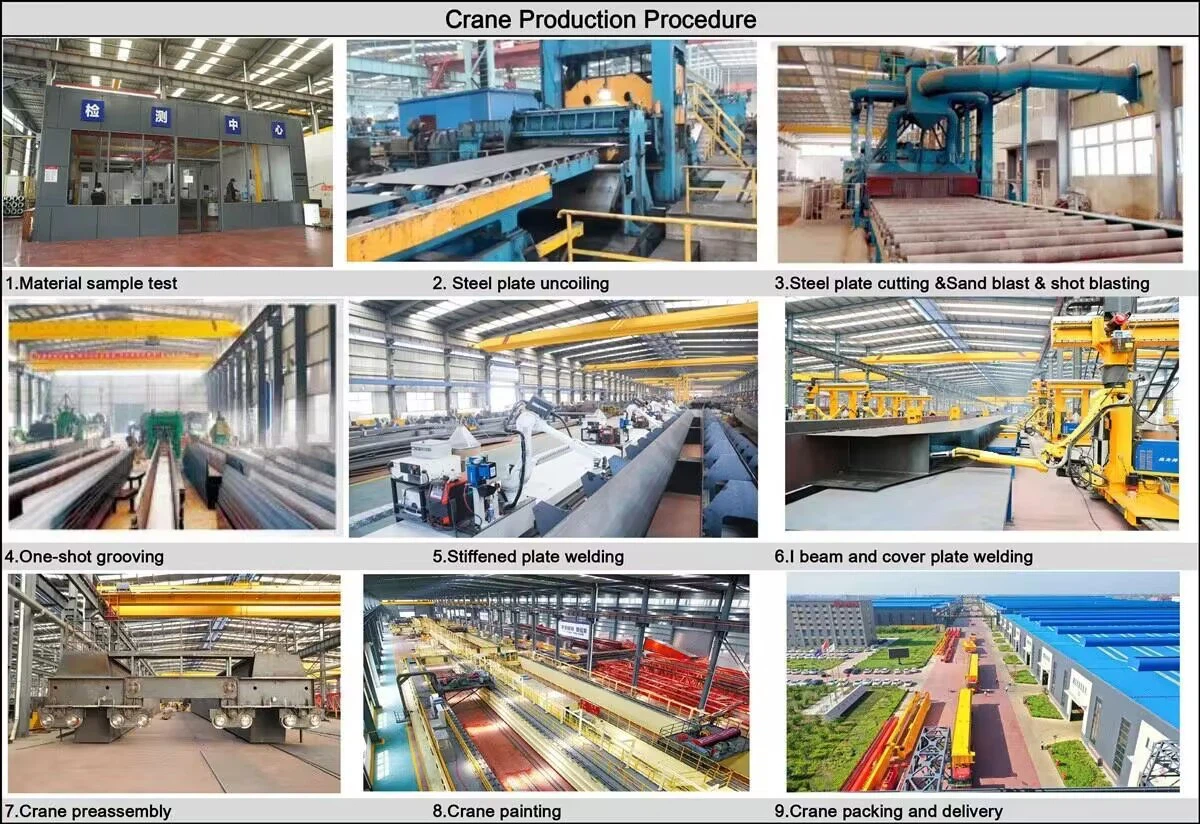
Crane production procedure
The production procedure for a QE Overhead Crane is a systematic process that ensures the final product is safe, reliable, and efficient for standard industrial duty.
Here is a detailed breakdown of the production process.
Stage 1: Design & Engineering
This stage defines the crane's specifications and creates the blueprint for production.
Client Requirements Analysis: Reviewing key parameters: capacity, span, lifting height, duty cycle (typically M3/M4 for QE), and control method (pendant/radio remote).
Structural & Mechanical Design:
Structural Analysis: Calculating loads and stresses to determine the appropriate girder size and type (single or double girder, I-beam or box).
Component Selection: Specifying the hoist, trolley, drive motors, wheels, and gearboxes from standard industrial suppliers.
Electrical Design: Creating schematics for power supply, motor controls, and safety circuits.
Bill of Materials (BOM) Creation: Listing all raw materials and purchased components.
Stage 2: Material Procurement & Preparation
Procurement: Sourcing steel beams, plates, and purchased components (hoists, motors, electrical gear).
Material Preparation: Steel components are cut to length using saws or CNC plasma cutters. Holes for bolts and connections are drilled or punched.
Stage 3: Structural Fabrication & Assembly
This is where the crane's frame is built.
Girder Fabrication:
For I-beam girders: Preparing and reinforcing standard I-beams if necessary.
For box girders: Cutting web and flange plates, welding them together with internal stiffeners.
End Truck Fabrication: Constructing the end trucks that house the wheels and drives.
Welding: All structural connections are welded. Critical welds are performed by certified welders and may be inspected.
Machining: Machining mounting surfaces for rails and drives to ensure proper alignment.
Stage 4: Mechanical Assembly
The structural frame is combined with the mechanical systems.
Frame Assembly: The main girder(s) are connected to the end trucks, forming the basic bridge structure.
Wheel & Axle Installation: Wheels are mounted to the end trucks. Axles and drive components are installed for powered travel.
Trolley Assembly: The trolley frame is built, and wheels are attached. The hoist unit is then mounted onto the trolley frame.
Hook Attachment: The hook block is attached to the hoist's wire rope or chain.
Stage 5: Electrical & Control System Installation
Wiring: Electrical cables are run along the crane structure to the travel motors, hoist motor, and control points.
Control System Installation: The pendant control station or radio receiver is installed and wired. Control panels with contactors and overload protection are mounted.
Power Supply Setup: Installation of the festoon system or conductor bars for power delivery.
Safety Devices: Installing and wiring limit switches, emergency stops, and overload protection devices.
Stage 6: Works Testing & Inspection (FAT - Factory Acceptance Test)
The fully assembled crane is tested to ensure it meets all specifications and safety standards.
Visual Inspection: Checking for workmanship, proper welding, and correct assembly.
No-Load Test: Operating all motions (hoisting, trolley travel, bridge travel) without a load to check for smooth operation and abnormal noise.
Load Testing:
Static Load Test: Lifting a test load of 125% of the rated capacity and holding it to verify structural integrity and brake holding capacity.
Dynamic Load Test: Lifting 110% of the rated capacity and running it through all motions to ensure performance under working conditions.
Safety Function Test: Verifying the operation of all limit switches, brakes, E-stops, and overload protection devices.
Stage 7: Dismantling, Painting & Packaging
Dismantling: The crane is partially disassembled into logical sections (girder, end trucks, trolley) for shipping.
Painting: All components are painted with a primer and topcoat for corrosion protection.
Packaging: Components are securely packaged, with special attention to protecting machined surfaces, threads, and electrical components.
Stage 8: Site Installation & Commissioning (SAT - Site Acceptance Test)
Site Erection: The crane is reassembled on the customer's runway.
Final Connections: Electrical power is connected, and final checks are made.
Site Commissioning & SAT: The crane undergoes a final operational test in its actual working environment.
Operator Training: The customer's operators are trained on safe and efficient use.
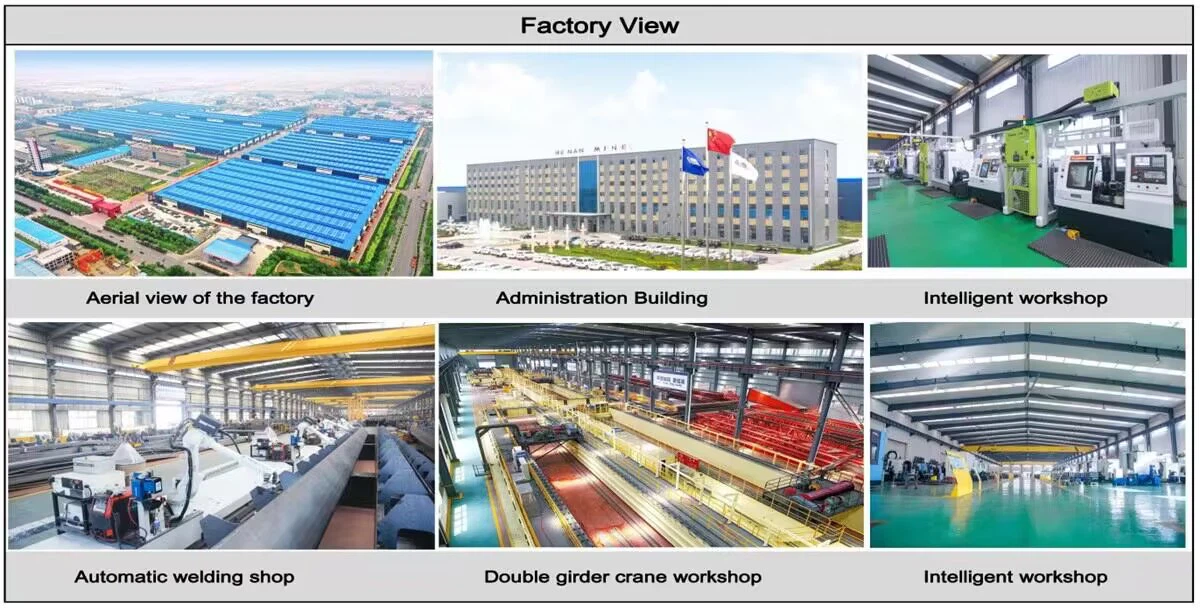
Workshop view:
The company has installed an intelligent equipment management platform, and has installed 310 sets (sets) of handling and welding robots. After the completion of the plan, there will be more than 500 sets (sets), and the equipment networking rate will reach 95%. 32 welding lines have been put into use, 50 are planned to be installed, and the automation rate of the entire product line has reached 85%.


Hot Tags: qe overhead crane, China qe overhead crane manufacturers, suppliers, factory, Double Girder Overhead Crane, Double Girder Overhead Travelling Crane
Previous
QDY Double Girder Overhead CraneNext
Eot Bridge CraneYou Might Also Like


Send Inquiry