










Metallurgical Casting Double Girder Bridge Crane
Products Description
Key Advantages & Why It's Special
The advantages stem from its design, which addresses the severe hazards of molten metal handling (e.g., spillage, equipment failure, heat damage).
Ultra-High Safety & Redundancy:
Dual-Hoist System: The most critical feature. It has a Main Hoist and a fully independent Auxiliary Hoist (Safety Hoist). If the main hoist or its brake fails, the auxiliary hoist can instantly take the full load of the ladle to prevent a catastrophic drop.
Fail-Safe Brakes: Equipped with spring-set, power-released brakes on all motions (hoist, trolley, bridge). A loss of power automatically engages the brakes.
Emergency Load Lowering: Backup systems (often manual or via emergency power) allow the ladle to be safely lowered to the ground in case of a total power failure.
Exceptional Durability for Harsh Environments:
Heat Protection: Critical components are shielded from radiant heat with special guards (e.g., heat shields on the girders, trolley, and hoist). Electrical panels are often housed in air-conditioned, insulated cabins.
Robust Construction: Built to FEM 1.001 or similar Group 9M (Metallurgy) service class, the most severe classification. This means all components (motors, gearboxes, wheels) are massively oversized to handle intense thermal cycling, shock loads, and heavy-duty cycles.
Corrosion & Abrasion Resistance: Designed to withstand exposure to dust, fumes, and splashes that are common in metallurgical settings.
Superior Precision and Control:
Variable Frequency Drives (VFDs): Standard on all motions. VFDs provide incredibly smooth acceleration and deceleration, preventing the molten metal from sloshing and splashing-a major safety risk.
Micro-Speed (Creeper Speed): A dedicated very slow operating speed for precise positioning during the pouring process, allowing for accurate filling of molds or furnaces.
Double Girder Design Benefits:
Higher Hook Height: The trolley runs on top of the girders, maximizing the available lift height beneath the crane-essential for handling tall ladles and clearing furnaces.
Ideal for Heavy Loads: The double girder structure provides superior strength and rigidity for the extreme weights of ladles filled with molten metal (often ranging from 20 to over 500 tons).
Easy Maintenance: The open deck between the two girders provides easy, safe access to the trolley, hoists, and all main components for inspection and maintenance.
Core Components:Bearing, Gearbox, Motor, Pump
Place of Origin:Henan, China
Warranty:1 Year
Weight (KG):2000 kg
Video outgoing-inspection:Provided
Machinery Test Report:Provided
Design:Double beam
Effectiveness:high efficiency
Operating speed:High speed operation
Stability:Anti-swing function
Color:Optional
Power Source:110V/220V/230V/380V/440V,customized
Span:7.5-31.5m

Pictures & Components
1. Bridge Structure
The main framework that spans the bay and travels on runway beams.
Double Girders: Typically robust welded box girders that provide immense strength and rigidity to handle the severe loads and shock forces from the molten ladle.
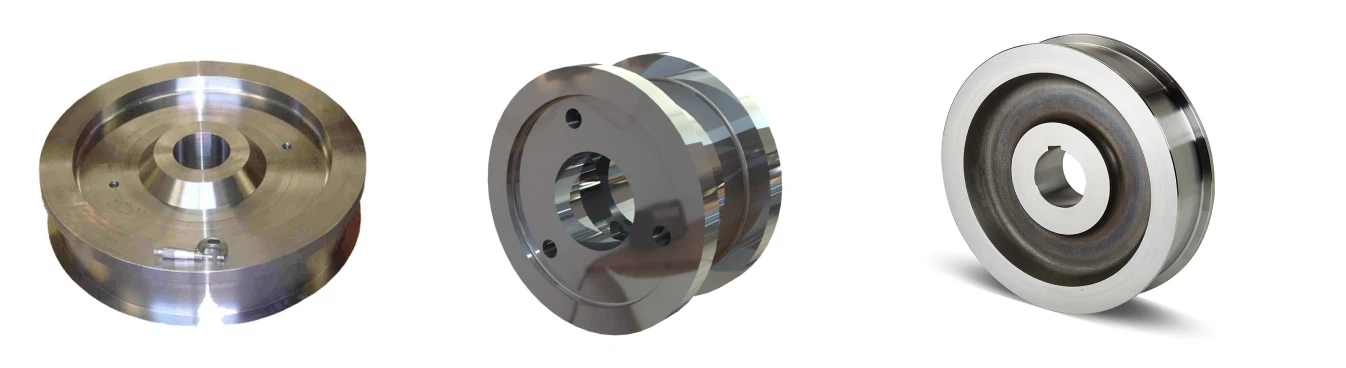
End Trucks: Located at each end of the bridge, they house the bridge wheels, bearings, and drive motors. They are built with heavy-duty machined components to ensure perfect alignment and smooth travel.
Walkways & Platforms: Full-length, enclosed walkways with high-friction grating and handrails provide safe access for maintenance. Crucially, they often include heat shielding on their underside to protect the structure and personnel from radiant heat.
Crane Buffers / Bumpers: Large energy-absorbing buffers at each end to safely absorb contact with end stops.

2. Crab / Trolley
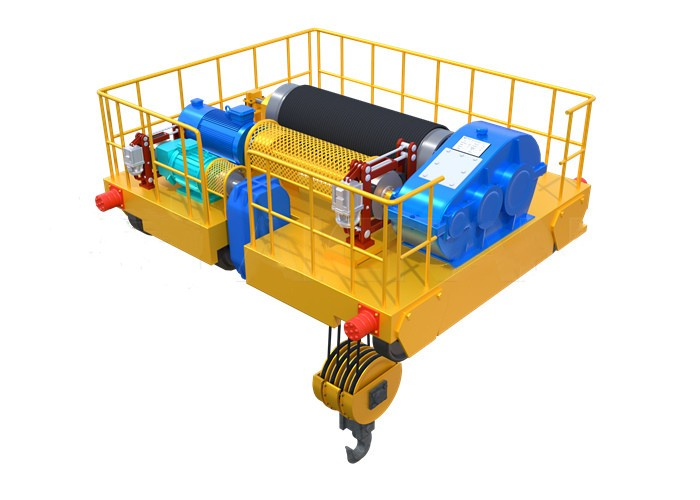
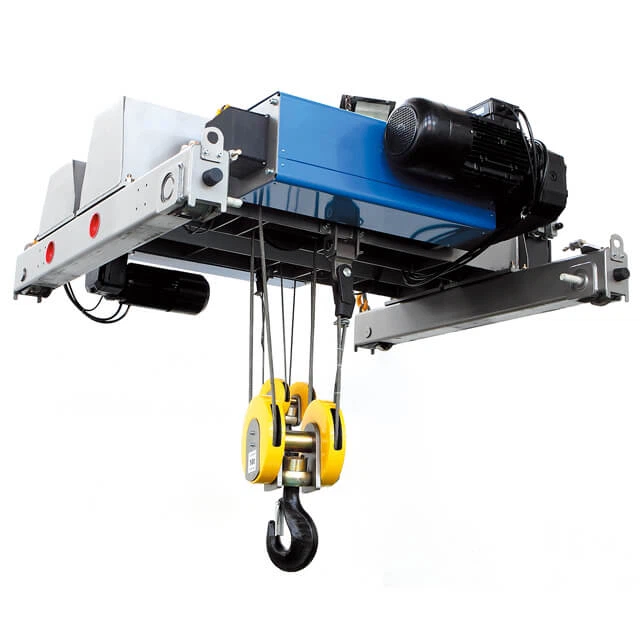
The unit that travels across the bridge girders and carries the hoisting machinery. This is the heart of the casting crane.
Trolley Frame: A heavily welded steel frame designed to support the immense weight of two hoists and the load.
Trolley Drive System: Consists of VFD-controlled motors, fail-safe brakes, and gearboxes that drive the trolley wheels. Precision control is vital to prevent ladle sway.
Heat Protection System: A critical feature. The entire trolley underside is protected by removable heat shield plates (often stainless steel) to deflect radiant heat away from vital mechanical and electrical components above.
 |
 |
3. Hoisting Units
The most safety-critical components. A metallurgical crane features two completely independent hoists.
Main Hoist: The primary workhorse that handles all normal lifting and lowering of the ladle.
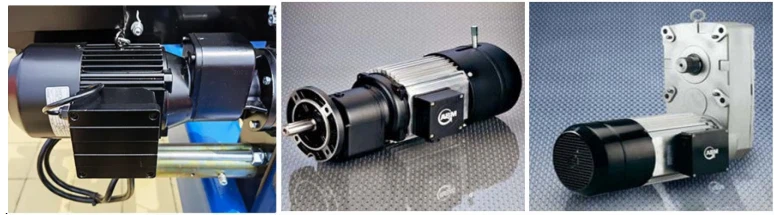
Main Hoist Motor: High-capacity, Class H (180°C) insulation rating motor, designed to withstand intense ambient heat.
Main Hoist Gearbox: A heavy-duty, precision-manufactured gearbox built for high shock loads.
Main Drum: A large-diameter drum designed with sufficient grooving to spool multiple layers of wire rope.
 |
 |
Auxiliary Hoist (Safety Hoist): A redundant, independent system that engages only if the main hoist fails. It is rated for 100% of the full ladle weight.
It has its own motor, gearbox, drum, brake, and wire rope/system.
Its sole purpose is to catch and hold the load during a failure, preventing a catastrophic drop of molten metal.
4. Load Handling Components
Wire Ropes: Specialized, high-grade non-rotating wire ropes resistant to heat and abrasion. They are oversized for an extra factor of safety.
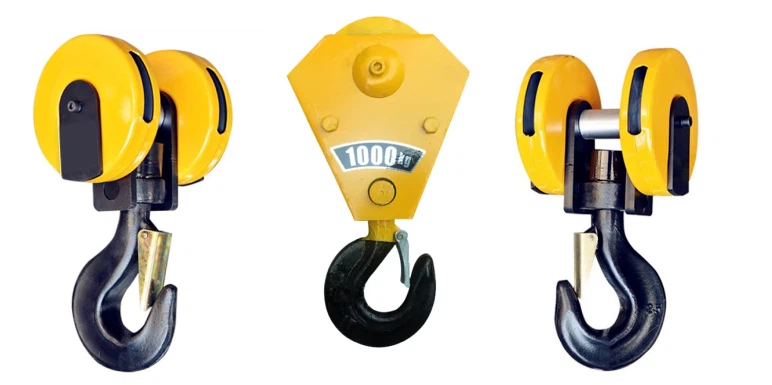
Sheaves & Blocks: Large-diameter sheaves to reduce wire rope fatigue. Made from high-tensile steel with machined grooves.
Ladle Hook: A massive, forged alloy steel hook with a unique profile designed specifically to engage with the bail pins of a ladle. It often includes an anti-rotation device to keep the ladle from spinning uncontrollably.
5. Braking Systems
Multiple redundant, fail-safe systems are used.
Hoist Brakes: Primary and secondary spring-set, electro-hydraulic thruster brakes on each hoist. They are "fail-safe" meaning they engage automatically upon power loss or system failure.
Trolley & Bridge Brakes: Similarly, fail-safe brakes are provided on all travel motions to ensure precise stopping and prevent creep.

6. Power Supply & Electrical System
Conductor System: Typically a fully enclosed, insulated conductor bar system (like IPH or safety busbar) is used instead of open festoon systems. This is more reliable and resistant to dust, fumes, and heat.
Control Panel / Cabinets: All electrical components are housed in sealed, insulated, and air-conditioned cabins mounted on the crane bridge. This is non-negotiable to protect sensitive PLCs, VFDs, and contactors from extreme heat and conductive dust.
Variable Frequency Drives (VFDs): Installed on all motions (Hoist, Trolley, Bridge). They provide incredibly smooth acceleration and deceleration to prevent load swing and molten metal sloshing.
PLC Control: A Programmable Logic Controller is the brain, providing advanced control, diagnostics, and safety interlocking (e.g., preventing auxiliary hoist operation unless the main hoist has failed).
7. Operator Interface
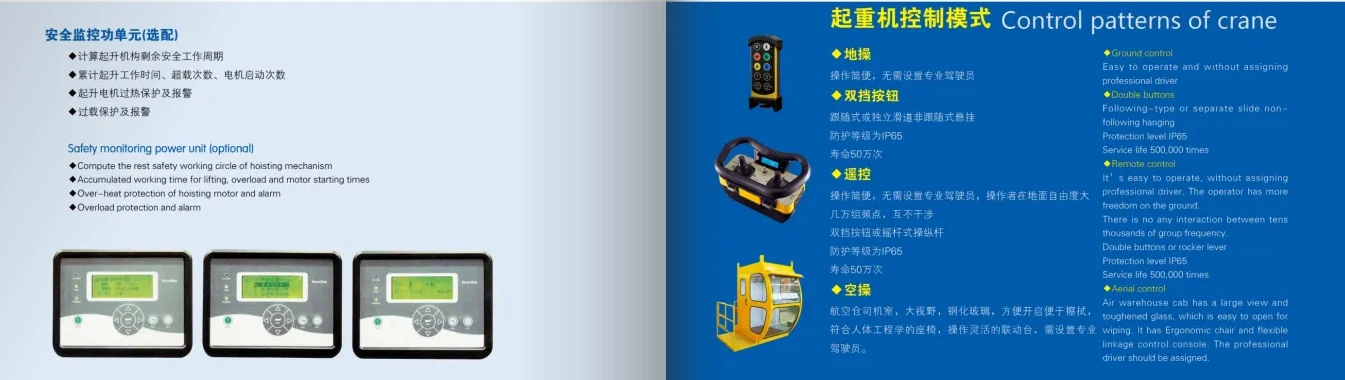
Operator's Cab: An air-conditioned, insulated, and pressurized cabin with tinted glass to protect the operator from heat, glare, and fumes. It is strategically positioned for an optimal view of the ladle and pouring area. It includes emergency stop buttons, overload indicators, and control levers.
Remote Control: As a modern alternative, many new cranes use radio remote controls. This allows the operator to move away from the extreme heat and position themselves in the safest possible location for the specific task.

8. Safety & Auxiliary Devices
Overload Limit Switch: Prevents the crane from lifting a load beyond its rated capacity.
Upper/Lower Limit Switches: Automatically cuts power to the hoist motion to prevent the hook from over-traveling and damaging the equipment.
Anti-Collision Systems: Sensors to prevent the crane from colliding with other cranes in the same bay.
Anemometer: Wind speed indicator is critical for outdoor cranes, as high winds can affect a suspended ladle.
Ladle Preheater Lifting Device: Some cranes include a dedicated auxiliary hoist or fixture specifically for handling the ladle preheater.
Sketch

Main technical

Advantages
1. Ultimate Safety and Redundancy
This is the paramount advantage, designed to prevent catastrophic failure.
Dual Hoist System: Equipped with a Main Hoist and a fully independent Auxiliary (Safety) Hoist. If the main hoist or its brake fails, the auxiliary hoist instantly engages to catch and hold the full weight of the ladle, preventing a disastrous drop of molten metal.
Fail-Safe Braking: Utilizes spring-set, power-released brakes on all motions (hoist, trolley, bridge). A loss of power automatically engages the brakes.
Emergency Load Lowering: Provides a backup system (often manual or via emergency power) to safely lower the ladle to the ground in a total power outage.
2. Exceptional Durability for Extreme Environments
Built to survive where other cranes would fail.
Heat Resistance: Critical components are shielded from radiant heat with specialized guard plates. Electrical panels are housed in air-conditioned, insulated, and pressurized cabins to protect them from extreme heat and conductive dust.
Robust Construction: Manufactured to the most severe duty classification (FEM 1.001 Group 9M - Metallurgy). All structural and mechanical components are massively oversized to handle intense thermal cycling, shock loads, and heavy-duty cycles.
Corrosion & Abrasion Resistance: Designed to withstand exposure to dust, fumes, and splashes that are endemic to foundries and steel mills.
3. Superior Precision and Control
Essential for the delicate and dangerous operation of pouring molten metal.
Variable Frequency Drives (VFDs): Standard on all motions. VFDs provide incredibly smooth, jerk-free acceleration and deceleration, preventing the molten metal from sloshing-a major safety hazard.
Micro-Speed (Creeper Speed): A dedicated very slow operating mode for final precise positioning during pouring, allowing for accurate filling of molds or furnaces without spillage.
4. High Performance and Efficiency
Double Girder Design: Provides a higher hook height than single girder cranes, allowing it to lift tall ladles and clear large furnaces and equipment. The design offers superior strength and stability for extreme loads (often 20+ to 500+ tons).
Optimized Operator Interface: Features an air-conditioned, insulated cab with an optimal view or an advanced remote control system, allowing the operator to work from the safest and most precise location.
5. Regulatory Compliance
These cranes are built to comply with the strictest international safety standards (e.g., OSHA, CMAA, FEM) for molten metal handling. Using a standard crane for this application is illegal and extraordinarily dangerous.
Application:
1. Ladle Transfer and Pouring (Primary Application)
Process: Transporting ladles filled with molten metal from the melting furnace (e.g., Electric Arc Furnace, Induction Furnace) to the pouring area.
Specific Example: Moving a ladle of molten steel to a Continuous Casting Machine (Concast) to pour into a tundish, solidifying it into billets, blooms, or slabs.
2. Furnace Charging
Process: Using the auxiliary hoist with a magnet or grapple attachment to load raw materials (scrap metal, pig iron, alloys) into the melting furnace.
Specific Example: Charging scrap into an electric arc furnace between heats to melt the next batch.
3. Ladle Maintenance
Process: Handling ladles for preheating, relining, repairs, or turning over to dump slag.
Specific Example: Lifting an empty ladle and positioning it over a ladle preheater station to dry and heat the refractory lining before it receives molten metal.
4. Mold Pouring
Process: In foundries, precisely pouring molten metal into ingot molds or sand molds on a casting conveyor.
Specific Example: Carefully filling large sand molds for industrial castings (e.g., engine blocks, turbine housings) using the micro-speed function to avoid spillage.
5. Tap Floor Operations
Process: This is the core of steelmaking. The crane operates in the tap floor bay to receive metal from the furnace during the "tap" and then transport it.
Environment: This area exemplifies the need for this crane, as it is the hottest and most critical part of the plant, requiring absolute reliability.
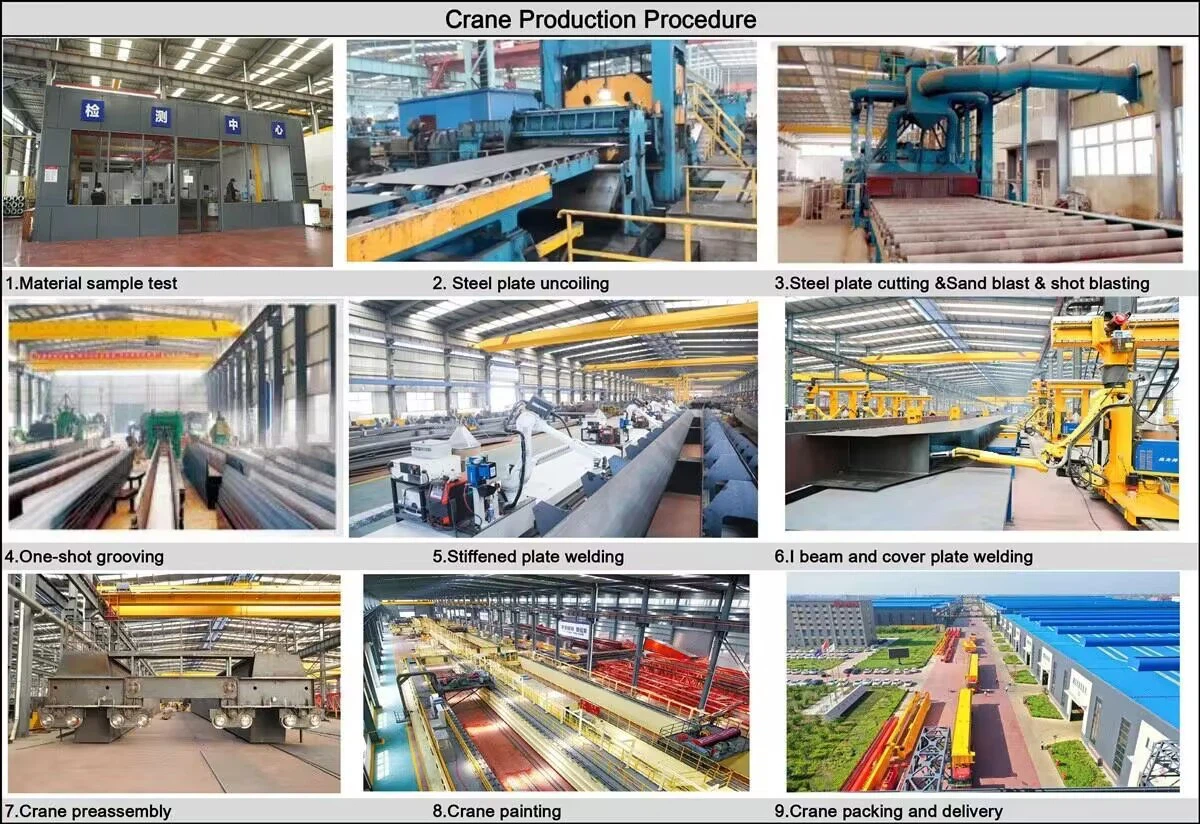
Crane production procedure
The manufacturing process of a QDY metallurgical casting bridge crane involves strict quality control and specialized engineering to ensure durability, heat resistance, and safety. Below is a step-by-step breakdown of the production procedure:
1. Design & Engineering
Load & Environment Analysis – Calculations for lifting capacity (5–500+ tons), span, and heat resistance.
CAD/3D Modeling – Structural design, stress simulations (FEA), and compliance with ISO, FEM, or GB standards.
Customization – Optional features (explosion-proofing, insulated hoists, automation) are integrated.
2. Material Selection & Preparation
Main Girders & End Carriages – High-strength steel (Q345B, Q460C) or heat-resistant alloy steel.
Wire Ropes & Hooks – Special heat-treated alloy steel (for molten metal handling).
Electrical Components – High-temperature-resistant cables, motors, and insulation materials.
3. Fabrication of Key Components
A. Bridge Girder Construction
Cutting & Welding – CNC plasma/laser cutting for precision; submerged arc welding (SAW) for high-strength joints.
Heat Treatment – Stress-relieving annealing to prevent deformation.
Machining – Drilling, milling, and surface grinding for assembly accuracy.
B. Hoist & Trolley Assembly
Hoist Drum & Gearbox – Machined for smooth operation; tested under 1.25x rated load.
Heat-Resistant Brakes – Dual-disc or electromagnetic brakes for fail-safe holding.
Ladle Hook & Safety Latch – Forged and ultrasonically tested for cracks.
C. End Trucks & Runway System
Wheel & Rail Machining – Hardened steel wheels for long wear life.
Drive Motors & Reducers – Equipped with anti-skid mechanisms for heavy loads.
4. Electrical & Control System Integration
Festoon/Conductor Bar System – For power supply along the runway.
Variable Frequency Drives (VFDs) – For smooth speed control and energy efficiency.
Safety Circuits – Overload sensors, limit switches, and emergency stop.
Operator Controls – Pendant, cabin, or remote/automated systems.
5. Surface Treatment & Corrosion Protection
Sandblasting (SA 2.5 Grade) – Removes rust and improves paint adhesion.
High-Temp Paint/Coating – Zinc-rich primer + heat-resistant topcoat (up to 800°C).
Critical Component Insulation – Ceramic fiber or refractory coatings on hooks and ropes.
6. Assembly & Testing
A. Pre-Assembly Checks
Dimensional inspection of girders, trolley, and end carriages.
Alignment of runway rails and crane tracks.
B. Load Testing (Per ISO 4310 / GB Standards)
No-Load Test – Checks motor, brake, and travel functions.
Static Load Test – 1.25x rated capacity for 10+ minutes.
Dynamic Load Test – 1.1x rated capacity with repeated movements.
Emergency Brake Test – Verifies fail-safe mechanisms.
C. Heat Resistance Validation (For Foundry Cranes)
Simulated high-temperature exposure (if required).
7. Packaging & Delivery
Disassembly (if needed) – For large cranes, components are shipped separately.
Anti-Corrosion Packaging – VCI film or desiccant for overseas transport.
Documentation – Manuals, test reports, and certifications (CE, ISO, GOST, etc.).
8. Installation & Commissioning (On-Site)
Runway alignment and crane reassembly.
Final load testing and operator training.
Workshop view:
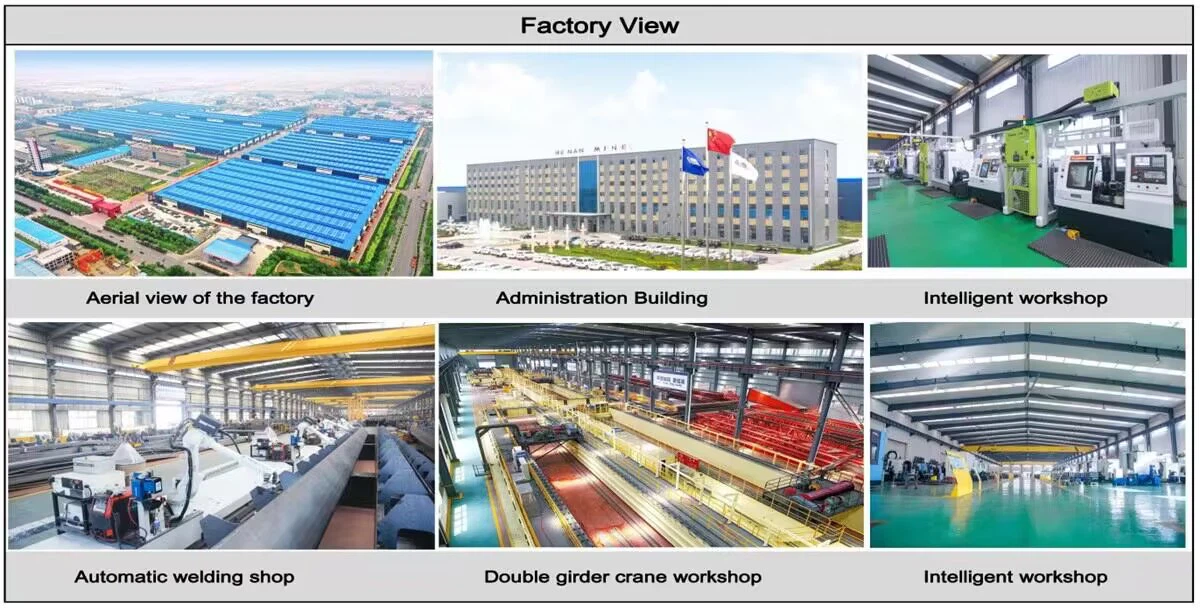
The company has installed an intelligent equipment management platform, and has installed 310 sets (sets) of handling and welding robots. After the completion of the plan, there will be more than 500 sets (sets), and the equipment networking rate will reach 95%. 32 welding lines have been put into use, 50 are planned to be installed, and the automation rate of the entire product line has reached 85%.


Hot Tags: metallurgical casting double girder bridge crane, China metallurgical casting double girder bridge crane manufacturers, suppliers, factory, Double Girder Overhead Crane, Double Girder Overhead Travelling Crane
You Might Also Like


Send Inquiry