










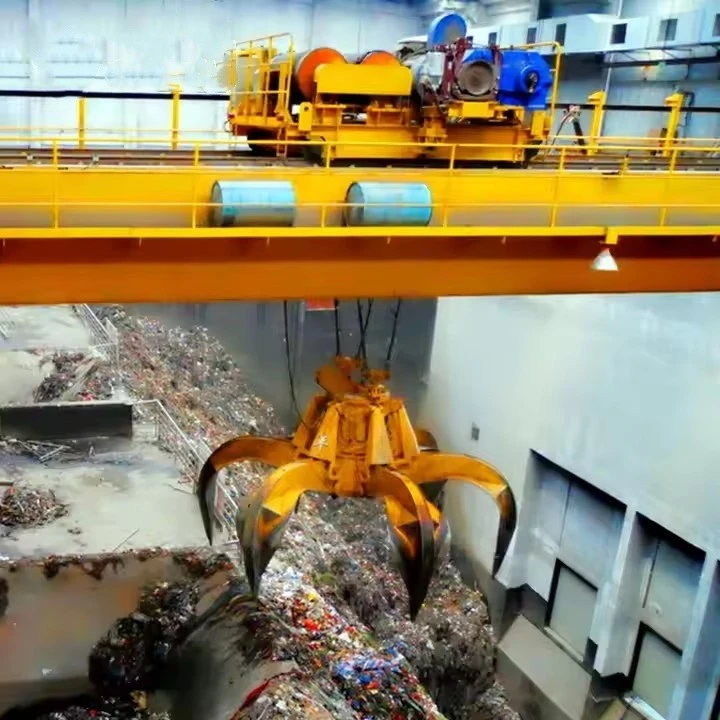

Double Girder Overhead Crane With Grab Bucket
Products Description
A Double Girder Overhead Crane with Grab Bucket is a heavy-duty lifting solution designed for handling bulk materials such as coal, ore, grain, sand, gravel, and scrap metal. This type of crane is widely used in industries like mining, ports, steel mills, power plants, and waste recycling facilities.
Key Features:
Double Girder Structure – Provides higher lifting capacity, better stability, and longer span compared to single girder cranes.
Grab Bucket Attachment – A mechanical or hydraulic grab bucket is used to efficiently scoop, lift, and unload loose or granular materials.
High Lifting Capacity – Typically ranges from 5 tons to over 100 tons, depending on application needs.
Precise Control – Equipped with variable speed drives for smooth operation and accurate material placement.
Durability & Safety – Robust construction with overload protection, limit switches, and emergency braking systems.
Comparison with Other Grab Bucket Cranes
| Feature | Double Girder Clamshell Crane | Single Girder Clamshell Crane |
|---|---|---|
| Capacity | 5–550+ tons | 1–20 tons |
| Span | Long spans (up to 40m+) | Shorter spans (<25m) |
| Lifting Height | Higher due to double girder design | Limited |
| Durability | Heavy-duty, long lifespan | Light to medium-duty |
| Cost | Higher initial cost | More economical |
Core Components:Bearing, Gearbox, Motor, Pump
Place of Origin:Henan, China
Warranty:1 Year
Weight (KG):2000 kg
Video outgoing-inspection:Provided
Machinery Test Report:Provided
Design:Double beam
Effectiveness:high efficiency
Operating speed:High speed operation
Stability:Anti-swing function
Color:Optional
Power Source:110V/220V/230V/380V/440V,customized
Span:7.5-31.5m

Pictures & Components
A Double Girder Overhead Crane with Grab Bucket is a heavy-duty lifting system designed for handling bulk materials like coal, ore, grain, sand, or scrap metal. It consists of several key components that work together to ensure efficient material handling. Below is a breakdown of the main components:
1. Bridge Structure (Double Girder)
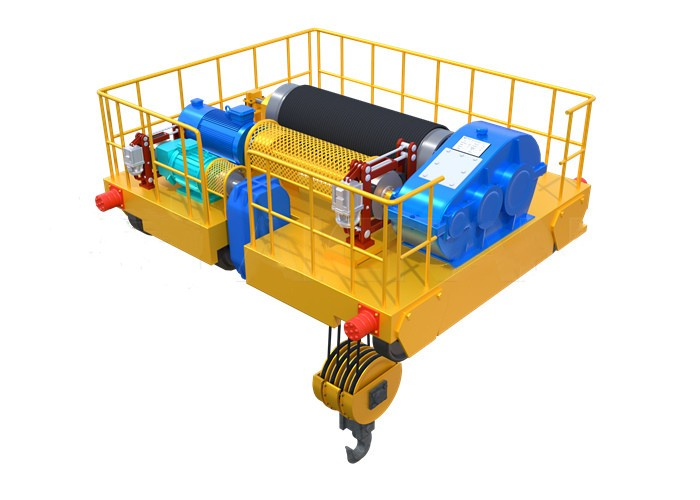
Main Girders (2 Nos.) – The primary load-bearing beams that span the crane's width, supporting the hoist, trolley, and grab bucket.
End Trucks (2 Nos.) – Located at each end of the girders, housing wheels for longitudinal movement along the runway rails.
Cross Beams & Bracing – Provides structural stability and rigidity to the crane.
 |
 |
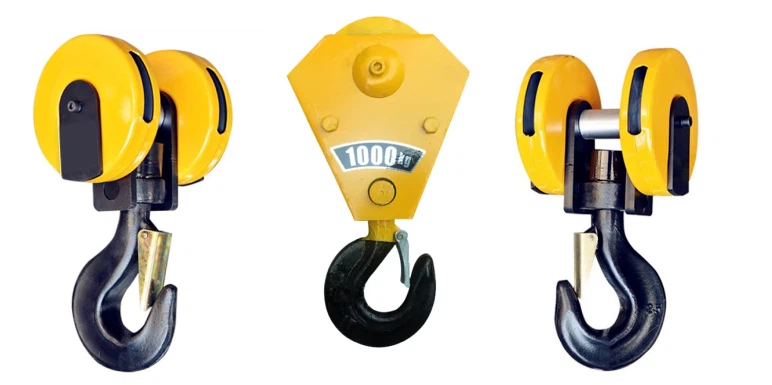
2. Hoisting Mechanism
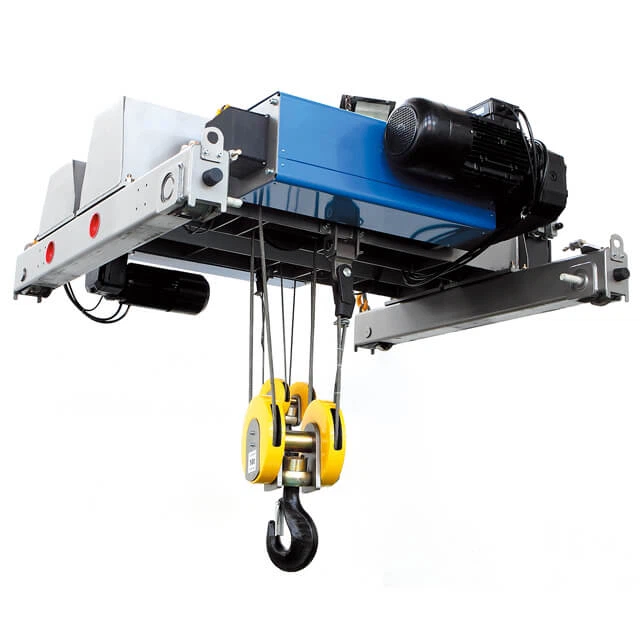
Hoist Motor – Powers the lifting and lowering of the grab bucket.
Wire Rope / Chain – Connects the hoist to the grab bucket for vertical movement.
Drum or Sheave Assembly – Guides and stores the wire rope during operation.
Braking System – Ensures controlled and safe load handling.
 |
 |
3. Trolley Assembly
Trolley Frame – Moves horizontally along the bridge girders.
Trolley Motor & Drive – Provides transverse motion (cross travel) of the grab bucket.
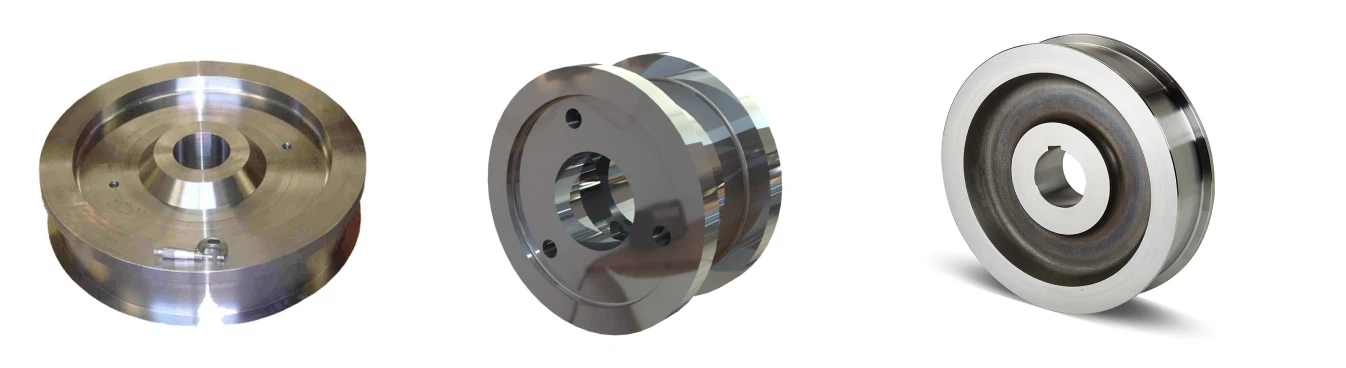
Wheels & Rails – Allows smooth movement along the girders.
4. Grab Bucket System
Grab Bucket (Clamshell Type) – A mechanical jaw-like device for scooping and releasing bulk materials.
Rope-Operated Grab – Uses separate hoist and closing ropes.
Motorized Grab – Self-contained motor for opening/closing.
Sheaves & Pulleys – Directs the ropes for grab operation.
Control Mechanism – Hydraulic or electric system for opening/closing the bucket.
5. Runway System
Runway Beams – Supports the crane's movement along the bay.
Runway Rails – Provides a smooth track for the crane's end trucks.
End Stops & Buffers – Prevents over-travel and absorbs impact.

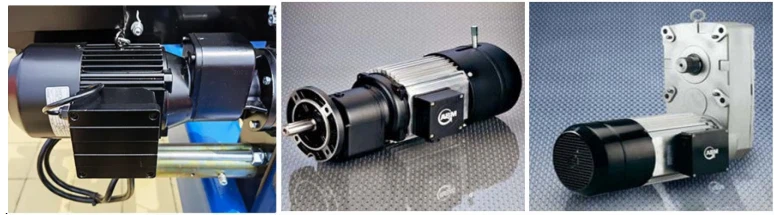
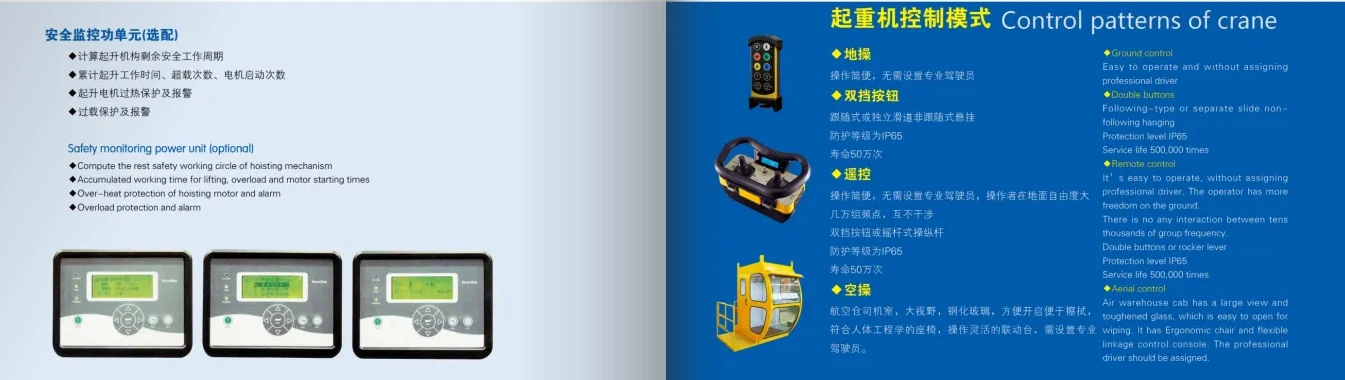
6. Electrical & Control System
Cabin or Pendant Control – Operator interface for crane movement.
Festoon System / Cable Reel – Manages power and control cables.
Limit Switches & Sensors – Ensures safe operation by preventing over-lifting or collisions.
Variable Frequency Drives (VFDs) – Allows smooth acceleration and deceleration.
7. Safety Components
Overload Protection – Prevents lifting beyond rated capacity.
Emergency Stop (E-Stop) – Immediately halts crane operation.
Anti-Collision System – Used in multi-crane setups.
Anemometer (for outdoor cranes) – Monitors wind speed for safe operation.

Key Differences vs. Single Girder Cranes
✔ Higher Capacity – Double girders handle heavier loads.
✔ Better Hook Height – More space under the crane.
✔ Greater Durability – Suitable for intensive use.
SKETCH

Main technical

Advantages
A Double Girder Overhead Crane with Grab Bucket offers higher efficiency, durability, and safety for bulk material handling, making it a superior choice for heavy industries.
1. Higher Lifting Capacity
Double girder design provides greater strength and stability, allowing for higher load capacities (up to hundreds of tons) compared to single girder cranes.
Suitable for heavy-duty industrial applications like steel plants, mining, and ports.
2. Increased Span & Coverage
The double girder structure supports longer spans, making it ideal for large workshops, warehouses, and outdoor yards.
Better hook height (more lifting space under the crane) compared to single girder cranes.
3. Efficient Material Handling with Grab Bucket
The motorized grab bucket allows for quick loading/unloading of loose bulk materials without manual labor.
Can handle both dry and wet materials (e.g., sand, coal, grain, ore).
Reduces spillage and improves operational efficiency.
4. Durability & Long Service Life
Robust construction with heavy-duty steel girders, reinforced trolley, and high-quality components.
Better resistance to wear and tear, making it suitable for harsh environments (e.g., foundries, cement plants).
5. Enhanced Safety Features
Equipped with overload protection, limit switches, and emergency braking.
Stable lifting with anti-sway technology for precise material placement.
Reduced risk of accidents compared to manual handling.
6. Customizable & Versatile
Can be fitted with different grab types (clamshell, orange peel, timber grabs) for various materials.
Options for remote control or cabin operation for better visibility and control.
7. Cost-Effective in the Long Run
Reduces labor costs by automating bulk material handling.
Low maintenance due to sturdy construction and high-quality components.
8. Better Load Distribution
The double girder design distributes weight evenly, reducing stress on the crane structure and runway system.
Application:
Applications:
Ports & Terminals – Loading/unloading bulk cargo from ships and trucks.
Steel Plants – Handling scrap metal, coal, and iron ore.
Power Plants – Transporting coal and ash.
Waste Management – Moving and sorting recyclable materials.
Grain & Fertilizer Silos – Efficiently managing bulk agricultural products.
Crane production procedure
The production of a Double Girder Overhead Crane with Grab Bucket involves several key stages, from design and material procurement to assembly and testing. Below is a detailed step-by-step production procedure:
1. Design & Engineering
Requirements Analysis: Determine load capacity, span, lifting height, and working environment (indoor/outdoor, temperature, etc.).
Structural Design:
Design the double girder bridge structure using CAD software (e.g., SolidWorks, AutoCAD).
Calculate stress distribution, deflection, and fatigue life.
Mechanical & Electrical Design:
Select motors, gearboxes, brakes, and wire ropes for the hoist and grab bucket mechanism.
Design the electrical control system (variable frequency drives, PLC, limit switches).
Grab Bucket Design:
Choose between mechanical (rope-operated) or hydraulic grab bucket.
Ensure compatibility with crane lifting capacity.
2. Material Procurement
Structural Steel: High-quality steel plates (Q235B, Q345B) for girders, end carriages, and trolley frames.
Mechanical Components:
Hoist unit (electric or hydraulic).
Grab bucket mechanism (jaws, pulleys, ropes).
Wheels, axles, and bearings for trolley and bridge movement.
Electrical Components:
Motors (AC/DC), brakes, encoders.
Control panels, sensors, and cabling.
Safety Components: Overload limiters, emergency stop, anti-collision systems.
3. Fabrication of Main Components
a. Double Girder Fabrication
Cutting & Welding:
CNC plasma cutting for steel plates.
Submerged arc welding (SAW) for girder box sections.
Machining: Drill holes for connections and reinforcements.
Shot Blasting & Painting: Surface treatment for corrosion resistance.
b. End Carriages & Trolley Frame
Fabricate end carriages with wheels for bridge movement.
Assemble the trolley frame to hold the hoist and grab bucket.
c. Grab Bucket Assembly
Weld or assemble the bucket jaws.
Install pulleys, ropes, and hydraulic cylinders (if applicable).
4. Mechanical Assembly
Bridge Assembly:
Erect the double girders on the end carriages.
Install drive mechanisms (motors, gearboxes, brakes) for bridge movement.
Trolley Assembly:
Mount the hoist unit and grab bucket on the trolley.
Install wire ropes/drums for grab operation.
Track Installation:
Install crane rails on the runway beams (if not pre-installed).
5. Electrical & Control System Installation
Wiring: Connect motors, sensors, and control panels.
Control System:
Install PLC for automated grab operation (if required).
Configure variable frequency drives (VFDs) for smooth acceleration/deceleration.
Safety Systems:
Test overload protection, limit switches, and emergency stop.
6. Testing & Quality Control
a. Factory Acceptance Tests (FAT)
No-Load Test: Run crane without load to check movement, brakes, and alignment.
Load Test:
Test at 110% of rated capacity (per ISO, FEM, or ASME standards).
Verify grab bucket opening/closing and load handling.
Dynamic Test: Simulate real working conditions (lifting, traversing, grabbing).
b. Safety Checks
Inspect welds (ultrasonic testing if required).
Verify electrical insulation and grounding.
7. Packaging & Shipping
Disassemble (if required) for transport.
Protect sensitive components (electrical panels, motors) from moisture and shocks.
8. Installation & Commissioning (On-Site)
Reassemble the crane on the customer's runway.
Align rails and check wheel contact.
Perform final load test and operator training.
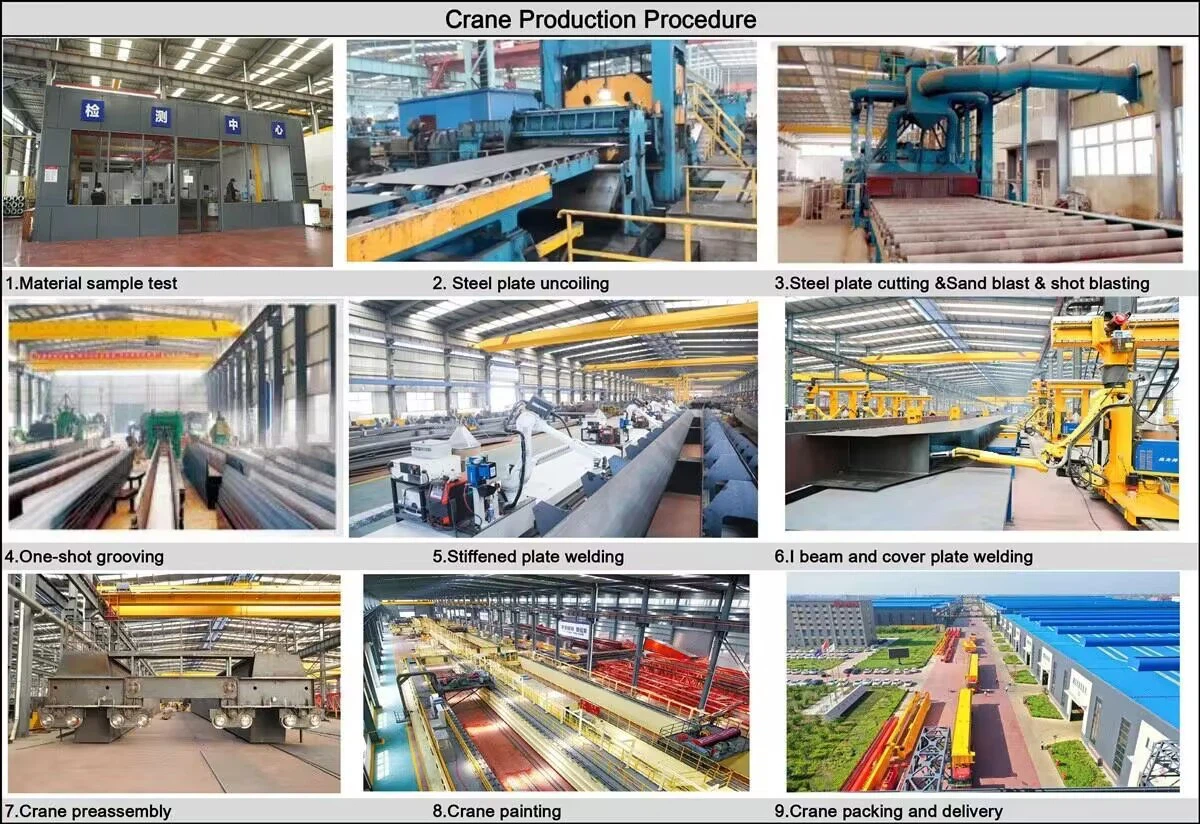
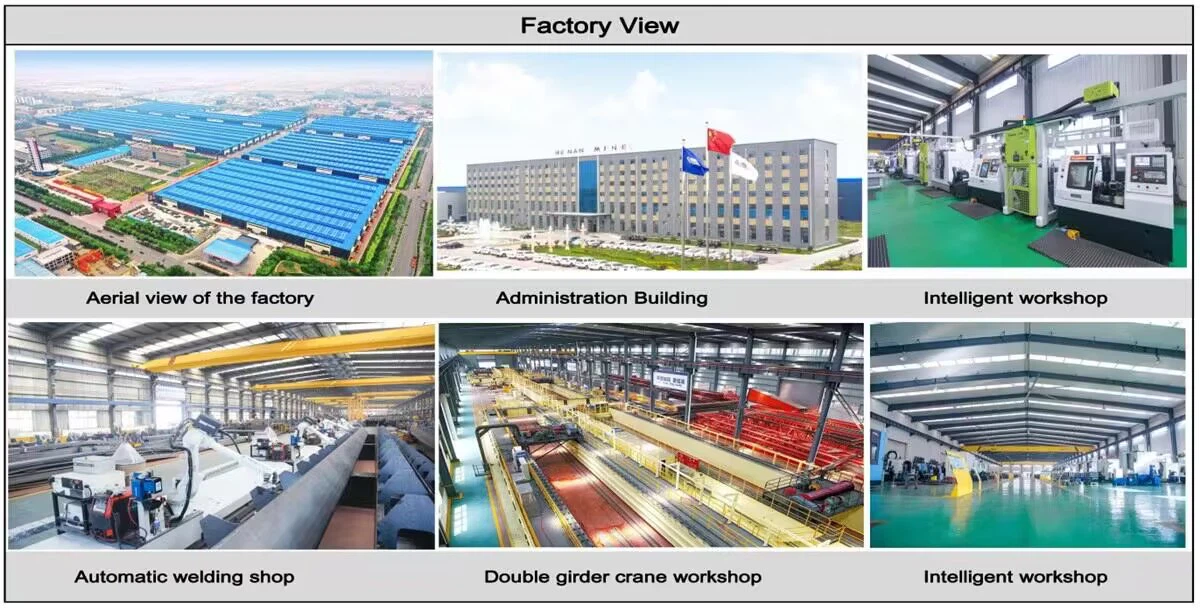
Workshop view:
The company has installed an intelligent equipment management platform, and has installed 310 sets (sets) of handling and welding robots. After the completion of the plan, there will be more than 500 sets (sets), and the equipment networking rate will reach 95%. 32 welding lines have been put into use, 50 are planned to be installed, and the automation rate of the entire product line has reached 85%.


Hot Tags: double girder overhead crane with grab bucket, China double girder overhead crane with grab bucket manufacturers, suppliers, factory, Double Girder Overhead Travelling Crane, Double Girder Overhead Crane
You Might Also Like




Send Inquiry