







20m Span Double Girder Overhead Crane
Products Description
The 20m span double girder overhead crane is a powerful and reliable material handling solution designed for heavy-duty industrial applications. Engineered with two robust girders and a high-strength hoisting mechanism, this crane ensures exceptional stability, enhanced load capacity, and precise load positioning across a wide working area.
Key Features
Double Girder Design: Provides enhanced strength and rigidity for handling heavier loads over longer spans.
20-Meter Span: Ideal for large workshops, warehouses, steel mills, and other wide-span production areas.
High Lifting Capacity: Supports capacities typically ranging from 5 tons to 50+ tons, depending on application needs.
Efficient Operation: Equipped with a motorized trolley and hoist, ensuring smooth, safe, and efficient material handling.
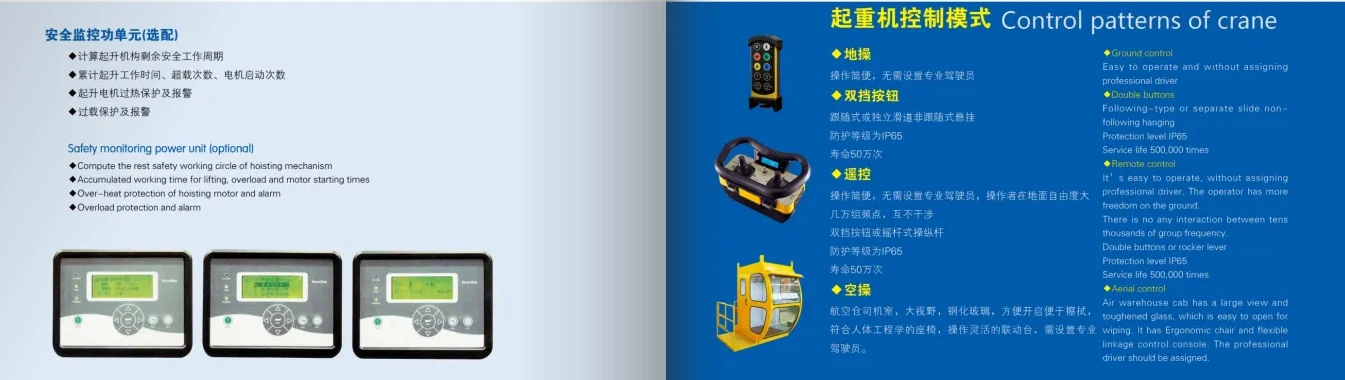
Flexible Control Options: Offers pendant control, remote control, or cabin operation to suit different working conditions.
Durable Construction: Made with high-quality structural steel and advanced welding technology for long-term performance.
Core Components:Bearing, Gearbox, Motor, Pump
Place of Origin:Henan, China
Warranty:1 Year
Weight (KG):2000 kg
Video outgoing-inspection:Provided
Machinery Test Report:Provided
Design:Double beam
Effectiveness:high efficiency
Operating speed:High speed operation
Stability:Anti-swing function
Color:Optional
Power Source:110V/220V/230V/380V/440V,customized
Span:7.5-31.5m
Pictures & Components
1.Main beam
The main beams are the core structural components of a double girder overhead crane. In a 20-meter span crane, the beams must combine high strength, precision engineering, and rigid construction to ensure safe and efficient load handling over a long distance.
Structure & Design
Type: Welded box girder or rolled I-beam with reinforced plates (box-type is more common for long spans and heavy loads).
Length: 20 meters (center-to-center between runway rails).
Material: High-quality Q235B or Q345B carbon steel, with optional alloy steel for higher strength applications.
Fabrication: Automatic submerged arc welding for strong, clean joints and better fatigue resistance.
Camber: The beam includes a slight upward curve (camber) to offset deflection under load.
Surface Treatment: Shot-blasting and anti-rust primer coating before paint; industrial-grade finish coat for corrosion resistance.
2.Lifting System
Main Components
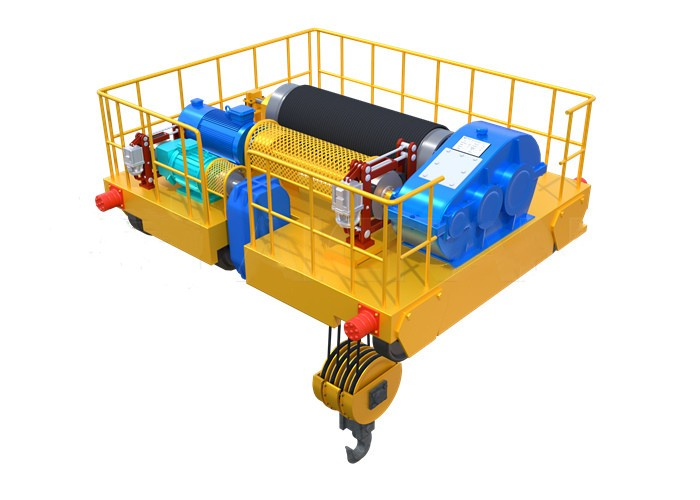
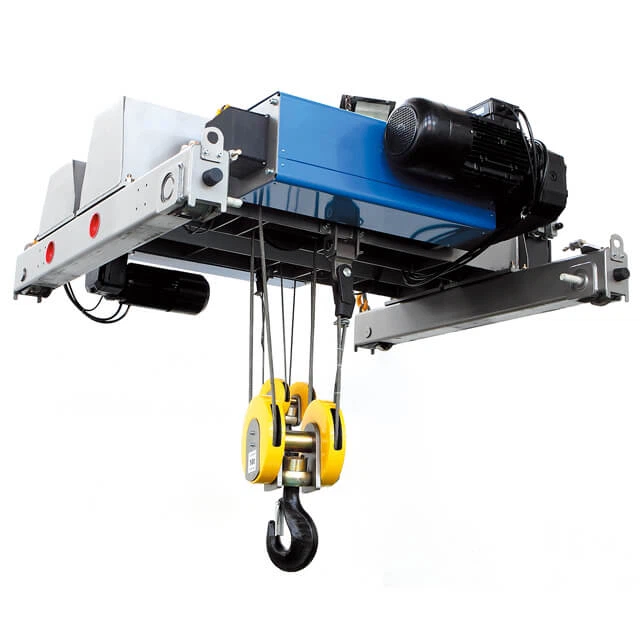
1)Lifting Trolley
Type:
Electric wire rope hoist trolley for medium-duty applications (e.g. up to 20 tons)
Open winch trolley for heavy-duty use (e.g. 20–100 tons+)
Structure: Integrated with lifting mechanism and traveling wheels
Travel Path: Moves along rails mounted on the top of the double girders
2)Hoist Motor
Motor Type: Three-phase squirrel cage or slip ring motor
Features:
High starting torque
Overheat protection
Variable frequency drive (VFD) optional for smooth start/stop
3)Gearbox & Brake System
Gears: Hardened and ground for durability and low noise
Brake: Electromagnetic or hydraulic disc brake for fast and reliable stopping
4)Wire Rope & Drum
Wire Rope: High-tensile, anti-twist steel wire rope, multi-layer winding
Drum: Grooved steel drum driven by gearbox for smooth winding/unwinding
5)Hook Assembly
Hook Type: Single or double hook (depending on capacity)
Swivel Feature: 360° rotation for flexible load handling
Safety: Equipped with safety latch
 |
 |
3.End carriage
The end carriages (also called end trucks or end beams) are structural assemblies located at both ends of the crane. They support the main girders and allow the entire crane bridge to move along the runway rails installed on the building's structure.
1)Structure & Design
Configuration: Two end carriages (left and right), welded box-type construction
Material: High-strength structural steel (Q235B/Q345B)
Connection: Bolted or welded to the main girders for easy assembly and disassembly
2)Features
Modular design for easy transport and installation
Precision machining ensures perfect alignment with crane rails
Sealed bearings for low maintenance
Designed to support full load of crane and dynamic forces
 |
 |
4.Crane travelling mechanism
Main Components
1)Driving Motor
Type: Cone squirrel cage brake motor or geared motor
Features:
Integrated electromagnetic brake
High torque and reliability
Optional: Variable Frequency Drive (VFD) for smooth start/stop
Power Rating: Typically 2×0.75–3.0 kW depending on crane capacity
2)Gearbox
Design: Helical or bevel-helical geared reducer
Mounting: Direct-coupled to motor and travel wheels
Purpose: Transmits torque from the motor to the wheels while reducing speed
3)Travel Wheels
Material: Forged or cast steel, hardened for durability
Mounting: Fixed on the end carriages
Types:
Driven wheels: Connected to the motor/gearbox
Idle wheels: Free-spinning for support and guidance
4)Wheelbase and Rail Compatibility
Wheelbase: Matched to crane span (customized for 20m span)
Rail: P-type or QU-type rails (e.g., P43, QU80), depending on load
5)Limit Switches
Function: Stops the crane when it reaches the end of its travel path
Type: Mechanical or proximity-type limiters
5.Trolley travelling mechanism
1)Trolley Travel Motor
Type: Squirrel cage induction motor or brake motor
Power Rating: Typically 0.8 kW to 4 kW (depending on trolley size and load)
Brake: Integrated electromagnetic brake or external disc brake
Optional: Variable Frequency Drive (VFD) for smooth speed control
2)Gearbox
Design: Compact helical gear reducer, high-efficiency
Function: Reduces motor speed and transmits torque to drive wheels
Mounting: Directly coupled to travel wheels or via shafts
3)Travel Wheels
Material: Forged steel or cast steel, heat-treated
Quantity: 4 or 8 wheels, depending on load capacity and wheelbase
Mounting Surface: Runs on rails mounted on the top flanges of both main girders
4)Travel Mechanism Configuration
One side driving, one side idle (for light-medium trolleys)
Dual-motor drive (for heavy-duty open winch trolleys)
Travel direction: Perpendicular to the crane's main travel (across the span)
5)Limit Switches & Control
Trolley limit switches: Prevent over-travel at the ends of the girders
Control Modes: Pendant, radio remote, or cabin control
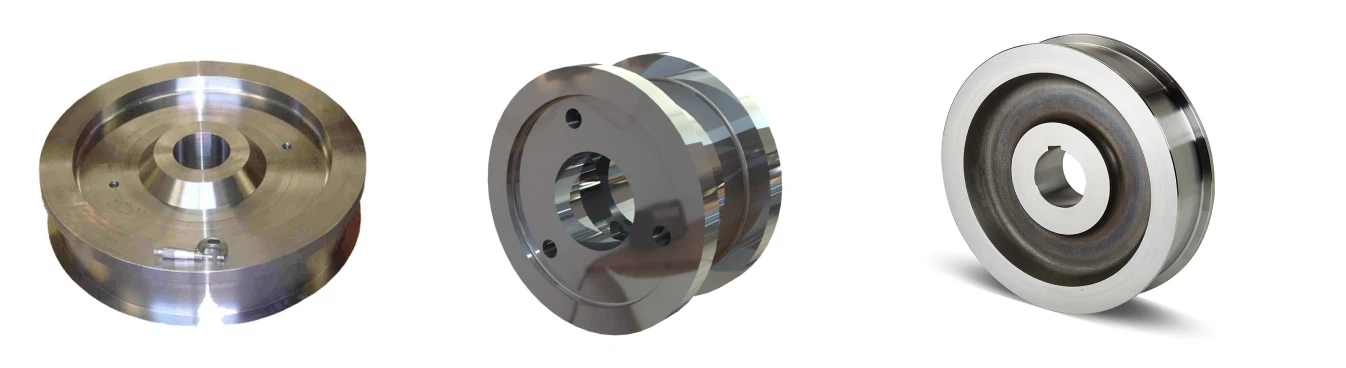
6.Crane wheel
1)Material
Type: Forged or cast steel
Grades: 42CrMo, 65Mn, or ZG340–640 (heat-treated for hardness and durability)
Hardness: Surface hardness ≥ HB300–380 after heat treatment
2)Wheel Types
Driven wheels: Connected to motor and gearbox; provide motion
Idle (non-driven) wheels: Roll freely to support load and guide direction
Double-flanged or single-flanged wheels: Double-flanged wheels are more common to prevent derailment
3)Mounting
Wheels are press-fitted or keyed to shafts, supported by high-quality bearings inside the end carriages
7.Crane Hook
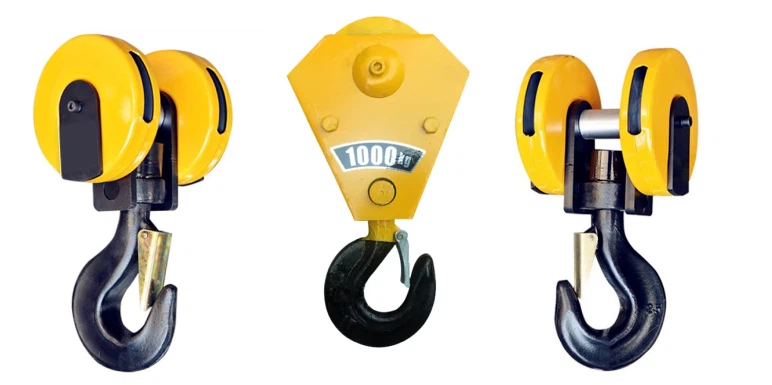
1)Hook Type
Single Hook: For lifting lighter loads (commonly under 20 tons)
Double Hook (Ramshorn Hook): For heavier loads or where better load balance is needed (20 tons and above)
2)Material
High-strength alloy steel, such as 34CrMo4 or DG20Mn
Heat-treated for enhanced toughness and fatigue resistance
Surface hardness: ~HB220–280, tensile strength ≥ 800 MPa
3)Swivel Mechanism
Most hooks are designed to rotate 360° for load alignment
Includes a thrust bearing system to allow smooth turning under load
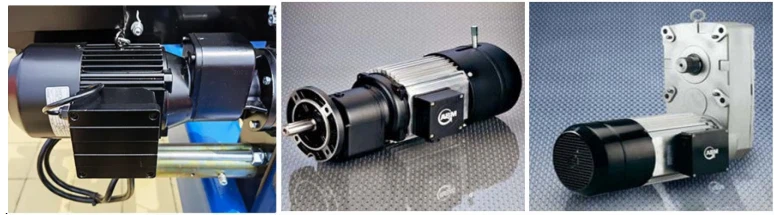
8.Motor
Motor Features & Options
Insulation Class: F or H
Protection Class: IP54–IP65 (dust and moisture protection)
Cooling Method: IC411 (self-ventilated) or IC416 (externally ventilated)
Starting Mode: Star-delta, soft starter, or VFD (for energy saving and soft control)
Custom Options:
Flameproof motors for hazardous environments
Dual-speed motors for precise positioning
Built-in thermal sensors (PT100, PTC)

.
9.Sound and light alarm system & limit switch
1)Sound and Light Alarm System
The sound and light alarm system serves to alert operators and personnel of the crane's operation status, particularly when approaching dangerous areas or limits. These are typically installed on both the crane bridge and trolley.
2)Limit Switch System
The limit switch system is a critical part of the crane's safety protection, ensuring that the crane does not exceed its safe travel limits or lifting height, preventing mechanical damage and ensuring the crane operates within designed constraints. 
10.Safety Devices
1)Overload Protection System:
Prevents crane operation if the load exceeds its rated capacity.
Stops lifting or traveling motions when the crane is overloaded.
Prevents damage to the crane's hoisting system, trolley, and structure
2)Limit Switch System:
Automatically stops the crane when it reaches its travel limits, preventing over-travel and potential collisions.
3)Emergency Stop System:
Allows the operator to immediately halt all crane movements in an emergency situation.
4)Anti-Collision System:
Prevents collisions between multiple cranes or moving parts in a confined space (common in multi-crane operations).
5)Crane Anti-Sway System:
Reduces or eliminates the swinging motion of the load during lifting and traveling, which can cause safety hazards.
6)Emergency Warning System (Sound & Light Alarms):
Alerts operators and nearby personnel of hazardous or abnormal crane activities.
11.Control Mode
1)Cabin Control (Pendant Control):
Manual control of all crane movements from within the operator cabin or through a pendant control on the ground. This is one of the most common and traditional control methods used in cranes.
2)Radio Remote Control (Wireless Control):
Wireless control of the crane using a handheld radio transmitter. This mode allows the operator to control the crane remotely from a safe distance.
3)Joy Stick Control (Manual or Integrated):
Uses a joystick to control multiple crane functions with one or two hands, providing smooth and precise control over the crane's movement.
4)Automatic Control Mode:
Involves automatic control of the crane's movements using a programmable logic controller (PLC), sensors, and pre-set parameters. This mode is often used for repetitive tasks or in highly automated environments (e.g., warehouses, factories).
5)Combined Control Mode:
This mode allows for a combination of manual control (via pendant or cabin) and automatic control (via PLC or sensors) for maximum flexibility.
12.Sketch

Main technical

Advantages
1)High Load Capacity
Greater Lifting Capacity: The double girder design allows for a higher lifting capacity compared to a single girder crane. This is particularly useful for handling heavy or oversized loads.
Larger Hook Height: A double girder crane provides a higher hook position, enabling it to lift heavier loads without interference from the crane structure itself.
2)Enhanced Stability and Durability
Sturdy Structure: The double girder design provides greater stability and strength, making the crane capable of handling heavy-duty loads safely and efficiently.
Better Load Distribution: With two parallel girders, the load is distributed more evenly, reducing the strain on individual components and extending the crane's lifespan.
Reduced Flexing: Double girders help reduce bending and flexing under heavy loads, increasing operational safety.
3)Increased Lifting Height
Optimal Clearance: The two-girder configuration allows for a greater lifting height compared to single girder cranes, making it ideal for environments where extra height is needed for lifting large loads or moving equipment.
Adjustable Hoist Position: The hoist system can be positioned optimally within the crane's framework for efficient lifting, reducing the risk of accidents.
4)Flexibility and Versatility
Wide Span: The 20-meter span allows the crane to cover a large area, making it suitable for large warehouses, production areas, or outdoor spaces.
Multi-Purpose Use: Double girder cranes are often used for a variety of tasks including lifting, moving, and placing heavy equipment, machinery, or materials.
Customizable Features: Double girder cranes can be designed with variable speeds, precise positioning systems, and a range of controls, providing flexibility to adapt to different operational needs.
5)Smooth and Precise Operation
Fine Control: Double girder cranes often come equipped with advanced hoisting systems and variable speed drives, allowing for smooth and precise load handling, which is essential for sensitive materials or delicate lifting operations.
Minimal Load Swing: Due to the additional support from two girders, the crane minimizes load sway during travel, enhancing operational safety and control.
6)Improved Safety
Redundancy in Design: Double girder cranes tend to have a redundant design in critical components, such as motors, brakes, and control systems. This ensures higher reliability and safety during crane operation.
Limit Switches & Safety Features: The cranes are often equipped with limit switches, overload protection, sound and light alarms, and other safety devices that prevent accidents or malfunctions during operation.
Anti-Collision Systems: Advanced anti-collision systems are available, especially in multi-crane setups, reducing the risk of crane collisions.
Application:
1.Manufacturing and Production Facilities
Heavy Machinery Handling: Used in factories where large machines, equipment, or tools need to be moved or assembled.
Material Handling: Ideal for lifting heavy materials such as steel beams, plates, or coils in steel mills, metal fabrication shops, or construction sites.
Assembly Lines: Used to move large components and assist in assembly processes, especially in automobile manufacturing or heavy equipment production.
Automated Production Systems: Integrated with automation systems for lifting, placing, or transferring components automatically along the production line.
2.Steel and Metal Industry
Steel Mill Operations: Commonly used in steel plants to move large steel coils, ingots, billets, or slabs between different stages of production, such as from the furnace to the cooling area or to the shipping yard.
Metal Fabrication: Lifts and moves metal sheets, beams, rods, and heavy castings, ensuring smooth production flows in metalworking plants.
Foundries: In metal casting plants, a double girder crane handles heavy molds, raw metal, or finished castings.
3.Warehouse and Distribution Centers
Bulk Material Handling: Ideal for lifting and moving pallets, containers, or large stacks of products in large warehouses and distribution centers.
Storage Systems: Used for managing and relocating bulk goods, including oversized items or equipment, across warehouse aisles.
Loading and Unloading: Can be used for loading and unloading trucks, shipping containers, and railcars, especially for large and heavy goods.
4.Construction Industry
Heavy Equipment Lifting: In construction, double girder cranes are used for moving construction equipment, such as concrete mixers, large compressors, and generators.
Lifting Building Materials: Lifts heavy construction materials like steel rebar, concrete blocks, or structural beams at construction sites, especially for high-rise or large infrastructure projects.
Precast Concrete Plants: Moves large precast concrete elements, such as beams, slabs, and columns, during their production and installation.
5.Shipyards and Ports
Shipbuilding and Repairs: In shipyards, a 20m span double girder overhead crane is used for lifting and moving large ship components, such as hull sections, engines, and propellers.
Port and Harbor Operations: Used in ports for loading and unloading large shipping containers or heavy cargo from ships, barges, or railcars.
Handling Oversized Cargo: Ideal for handling bulky and heavy loads, such as heavy machinery, large pipes, or equipment for offshore operations.
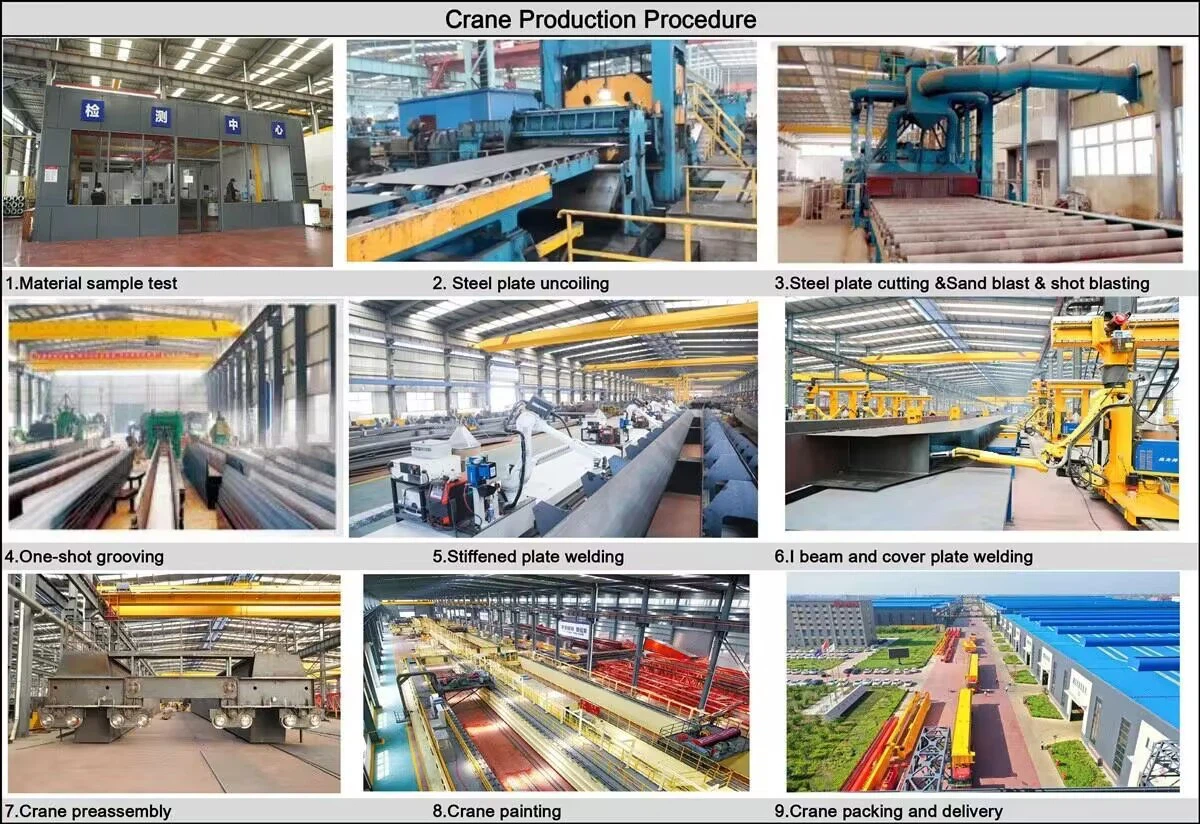
Crane production procedure
1.Design and Engineering
Customer Requirements: The production process begins with understanding the customer's requirements, including lifting capacity, span, height of lift, speed, and environmental conditions (e.g., indoor vs. outdoor use, extreme temperatures).
Crane Design: Engineers create a customized design based on the specifications. This includes:
Structural design: Including the girders, beams, and hoisting system.
Mechanical components: For the trolley, hoist, wheels, and travel mechanisms.
Electrical components: For the control system, wiring, and safety features.
Finite Element Analysis (FEA): Structural simulations to ensure the crane can handle the loads and stresses without failure.
Approval: The design is reviewed and approved by the customer or quality control team before moving to the manufacturing phase.
2.Material Procurement
Material Selection: Based on the design specifications, high-strength steel is usually selected for the crane's structural components, such as the girders, beams, and frame. Other materials like alloy steel for the hoist and copper or aluminum wiring for the electrical system are chosen for performance and durability.
Procurement: Materials are sourced from trusted suppliers. Steel plates, beams, motors, wheels, and other essential components are ordered.
Quality Check: Materials undergo quality inspection to ensure they meet the required standards for strength, corrosion resistance, and durability.
3.Fabrication of Structural Components
Cutting and Shaping: Steel plates and beams are cut to size using methods such as plasma cutting, laser cutting, or oxy-fuel cutting based on the design.
Welding: The various components of the crane structure, including the main girder, end beams, and trolley frames, are welded together by skilled welders. Welding jigs are used to ensure precision during the assembly.
Machining and Drilling: The welded components may require additional machining to achieve the correct dimensions and smooth finishes. Holes are drilled for bolts, bolts, and other fasteners.
Pre-Assembly: Components like the main girder, trolley, and hoist system are pre-assembled and undergo initial checks for alignment and fitment.
4.Fabrication of Electrical and Mechanical Systems
Hoisting System Assembly: The hoist unit, including drum, motor, gearbox, hoist rope, and brake system, is assembled. The motor is connected to the gearbox to ensure proper torque output for lifting operations.
Traveling Mechanism: The trolley travel mechanism, crane travel mechanism, and end carriages are assembled. This includes installing the motors, gears, and travel wheels that will allow the crane to move along the runway.
Control System Assembly: The electrical control system, including the control panel, limit switches, safety devices, cabling, and remote control systems, is assembled and tested for functionality.
Safety Features: Safety components, such as overload sensors, limit switches, and emergency stop systems, are integrated into the crane's design.
5.Surface Treatment
Cleaning and Surface Preparation: Before painting, the crane components are thoroughly cleaned to remove oil, rust, and dirt using sandblasting or chemical cleaning methods.
Surface Coating: The crane's structural components are coated with anti-corrosion paint to protect against wear and environmental factors. Powder coating is often used to ensure a long-lasting, durable finish.
6.Assembly of Crane Components
Main Girder Assembly: The two girders are assembled and secured together. The hoist system is then mounted on the girders.
Trolley and Hoist Installation: The trolley is positioned onto the girder rails, and the hoist unit is mounted onto the trolley. The system is checked for proper alignment and clearance.
End Carriage Installation: The end carriages are installed at each end of the crane and are connected to the main girder structure. They are fitted with travel wheels to allow smooth movement along the runway.
Mechanical Systems Installation: The mechanical components, such as the traveling motors, gearboxes, and crane wheels, are installed and aligned.
7.Electrical and Control System Installation
Wiring: The electrical wiring is installed to connect the motors, control panel, sensors, and other electrical components. Cable conduits are routed to avoid interference or damage.
Control Panel Installation: The control panel is installed, which houses all the electrical controls, limit switches, and safety features. The operator interface (pendant or cabin) is also connected to the crane.
Programming and Configuration: The crane's control system is programmed and configured to ensure all movements (hoist, trolley, bridge) work according to the design specifications.
8.Testing and Quality Control
Pre-Assembly Checks: A series of pre-assembly inspections are conducted to verify all components meet design specifications. This includes checking dimensions, alignment, and fitment.
Load Testing: The crane is load tested to ensure it can safely handle the required lifting capacity (e.g., 10 tons, 20 tons). The test involves gradually increasing the load to the crane's rated capacity while monitoring system performance.
Functional Testing: All crane functions, including lifting/lowering, trolley travel, bridge travel, and speed control, are tested to ensure they operate smoothly and reliably.
Safety System Check: Safety features such as limit switches, overload protection, emergency stops, and braking systems are tested to ensure they function as expected.
9.Final Assembly and Inspection
Final Adjustments: Any necessary adjustments to the crane's movement, alignment, or operation are made. This includes checking and fine-tuning the speed control, brake systems, and travel systems.
Detailed Inspection: The crane undergoes a final inspection by the quality control team to verify that it meets all safety, design, and operational standards.
Documenting Test Results: Documentation of the test results, including load test certificates, safety compliance, and operational data, is prepared for the customer.
10.Delivery and Installation
Disassembly and Packing: The crane may be disassembled into transportable parts for shipment to the installation site. Protection packaging is used to prevent damage during transit.
Site Installation: Once the crane arrives at the installation site, the crane components are reassembled. Rail tracks or runway beams are set up for the crane's movement.
Final Setup: After installation, the crane is tested again on-site, and final safety checks and commissioning are performed before handover to the customer.
Workshop view:
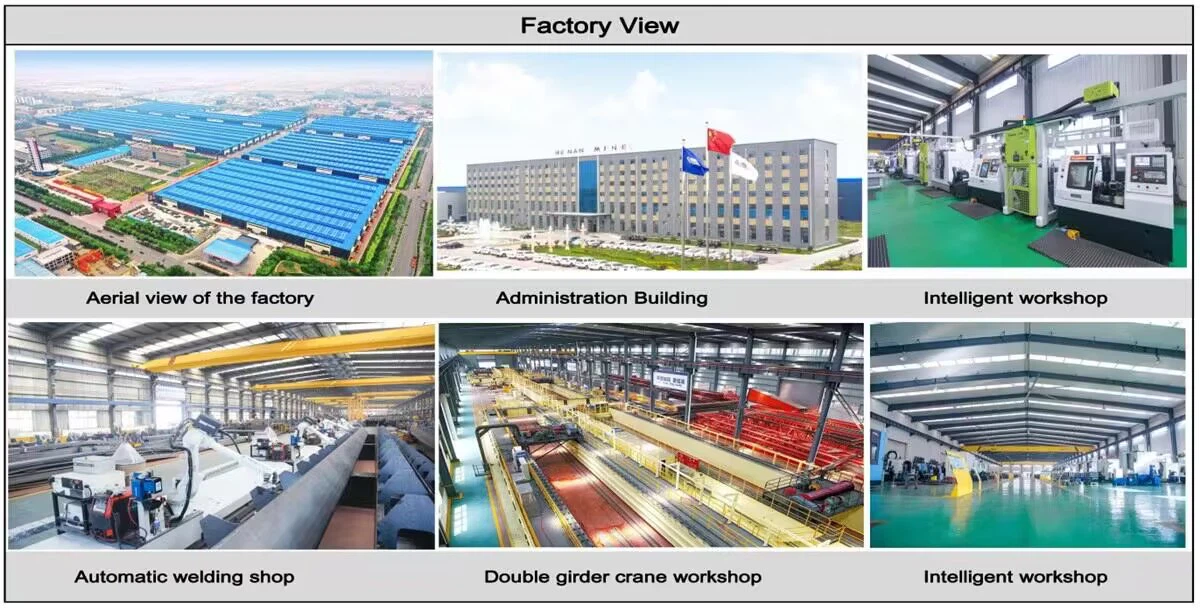
The company has installed an intelligent equipment management platform, and has installed 310 sets (sets) of handling and welding robots. After the completion of the plan, there will be more than 500 sets (sets), and the equipment networking rate will reach 95%. 32 welding lines have been put into use, 50 are planned to be installed, and the automation rate of the entire product line has reached 85%.


Hot Tags: 20m span double girder overhead crane, China 20m span double girder overhead crane manufacturers, suppliers, factory, Double Girder Overhead Crane, Double Girder Overhead Travelling Crane
You Might Also Like


Send Inquiry