







Insulation Bridge Crane
Products Description
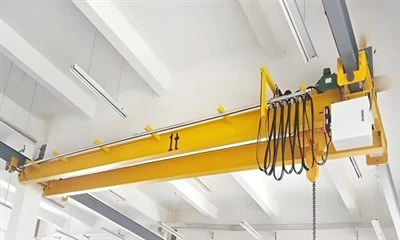
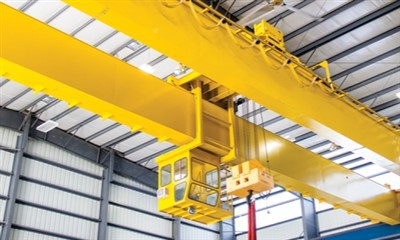
An Insulation Bridge Crane is a specialized type of crane used in various industrial applications, particularly where electrical insulation is crucial. It is designed to provide a safe and reliable solution for lifting and moving heavy loads in environments where electrical conductivity can pose a danger, such as in power plants, electrical substations, and chemical factories.
The crane is equipped with electrically insulated components, including the hoist, bridge, and trolley, to ensure no electrical current can flow through the structure. This is important when working around high-voltage equipment or sensitive electronic components.
The insulation prevents the crane from becoming a potential conductor, thus reducing the risk of electrical accidents. This makes the crane suitable for high-risk environments, like areas with live wires or electrical systems.Despite the insulation features, insulation bridge cranes maintain a high load-bearing capacity, often lifting and moving several tons of material at a time. This makes them suitable for industrial applications that require both safety and strength.
These cranes are built from high-strength materials that are resistant to corrosion, particularly useful in environments exposed to moisture or chemicals.Insulation bridge cranes are ideal for use in power generation, electrical manufacturing, and other areas where electrical insulation is a priority. They are also useful in lifting and positioning electrical equipment, cables, and generators.
Core Components:Gearbox, Motor
Place of Origin:Henan, China
Warranty:1 Year
Weight (KG):1000 kg
Video outgoing-inspection:Provided
Machinery Test Report:Provided
Rated Lifting Moment:320KN
Max. Lifting Load:32 Ton
Max. Lifting Height:30 m
Span:3-31.5m

Pictures & Components
1.Main beam
The main beam of an insulation bridge crane is the primary structural element that supports the hoisting mechanism and other components of the crane. It runs horizontally across the bridge and is essential for providing the required load-bearing capacity. The insulation bridge crane, typically used in environments where temperature regulation or electrical insulation is needed (like in certain industrial applications), may have additional insulation materials incorporated into the main beam to enhance performance.
The main beam is usually made from high-strength steel or other durable materials designed to withstand heavy loads. The insulation elements may include layers of thermal-resistant coatings or non-conductive materials to ensure that the crane performs well in environments requiring specific temperature control or electrical isolation.
The main beam supports the trolley (which moves along the beam) and the hoisting mechanism, which lifts and lowers the load. Its design allows for smooth movement and stability under the load being carried.
In the case of an insulation bridge crane, the beam may be designed to prevent heat transfer or to protect electrical components from short circuits. These features can be critical in settings like power plants, refineries, or factories with sensitive equipment.

Lifting System
Bridge: The bridge is the main structure of the crane and spans across the work area. It consists of beams and supports that allow the crane to move back and forth along its track.
Insulation: Insulation in the context of an insulation bridge crane generally refers to the material used to prevent heat loss or gain, ensuring the crane can operate in environments with extreme temperatures, such as cold storage, power plants, or other specialized environments. Insulation helps protect the lifting system and components from thermal stress, which can affect their performance and longevity.
Hoist: The hoist is the lifting mechanism that actually raises and lowers the load. It is attached to the bridge and typically consists of a motor, gearbox, and wire rope or chain. The hoist can be electric, manual, or powered by other means, depending on the crane design.
Trolley: The trolley is a movable unit that carries the hoist along the bridge. It typically moves in a horizontal direction, allowing the hoist to position itself over the load, pick it up, and move it to the desired location.
Control System: The control system allows operators to manage the crane's movements, including lifting, lowering, and horizontal motion. This system may be manual (through a pendant or controller) or automated, with various safety features, load monitoring, and speed control mechanisms.
Power Supply: Depending on the crane type, the power supply could come from an overhead electrical line, a battery, or another power source, providing the energy needed for the hoist and trolley to function.
Safety Systems: Safety is crucial for cranes, and insulation bridge cranes are no exception. Features might include overload protection, limit switches, emergency stop buttons, and sensors to detect obstacles or abnormal conditions during operation.

3.End carriage
An end carriage for an insulation bridge crane refers to the section of the crane that is mounted at both ends of the crane's bridge. It typically consists of the wheels, frame, and motorized drive system that allow the crane to move along the rails. The end carriage plays a critical role in providing the support and movement for the crane, and in the case of an insulation bridge crane, it ensures that the equipment operates smoothly while being insulated for specific applications like electrical safety or temperature-sensitive environments.
It supports the entire bridge crane and allows it to move along the length of the tracks. The end carriage is often equipped with wheels or tracks that roll along the rails or beams.For an insulation bridge crane, special materials and designs are used to prevent electrical conductivity or to maintain the desired temperature or environment for specific industries, such as in chemical plants or warehouses with temperature-sensitive materials.
The end carriage typically includes a motor and gearing to drive the movement of the crane. This may involve a motorized trolley that moves along the crane's rails to transport loads.The end carriage bears the weight of the crane's bridge and the load it is lifting, ensuring structural integrity and safe operation.
Insulation properties are important to ensure safety, particularly in environments where electrical hazards are present. Routine maintenance is necessary to ensure that the end carriage's wheels and drive system are functioning properly.

4.Crane travelling mechanism
Traveling Motor: This is the driving force behind the movement of the crane. It typically consists of an electric motor that powers the wheels or tracks that allow the crane to move along the bridge. The motor is usually controlled by a speed control system to manage the movement precisely.
Trolley: The trolley is mounted on the bridge and can move along its length. It holds the lifting mechanism (such as the hoist or lifting drum) and is typically powered by the traveling motor.
Rail System: The crane travels along a set of rails installed on the bridge structure. The rails guide the movement and ensure that the crane follows a defined path without swaying or derailing.
Drive Wheels: The crane has wheels, often powered by the traveling motor, which run on the rails. These wheels may be fixed or rotating, depending on the design of the crane.
Bearings and Supports: These are components that allow for smooth movement by reducing friction and ensuring that the crane moves along the rails without issues. The bearings help support the weight of the crane and its load, allowing for easier travel along the bridge.
Insulation: In the case of an insulation bridge crane, the design will often include electrically insulated components to ensure that the crane operates safely in environments where there is a risk of electrical hazards, such as in power plants or areas with high-voltage equipment. This insulation ensures that the crane is not affected by electrical currents, preventing short circuits or grounding issues.
5.Trolley travelling mechanism
Insulation:In an insulation bridge crane, electrical insulation is critical, especially for cranes used in environments where electrical interference or hazardous conditions are present. The insulation protects the crane's electrical components, such as the motor and drive, from short circuits, and prevents grounding problems.
Insulated wheels or other insulating materials may be used on the trolley to ensure safety and prevent electrical issues.
Motor and Drive System:The motor drives the movement of the trolley along the crane's bridge. This motor can be either an AC or DC motor, depending on the crane's design and the required control of speed and torque.
Drive System: The motor is connected to a gear system (reducer or gearbox) that transmits power to the wheels or rollers that guide the trolley along the bridge.
Rail or Track System:The trolley moves along the crane bridge rails or tracks, which are fixed to the crane structure. These rails guide the trolley and ensure smooth movement while bearing the load.
Trolley Wheels: The trolley wheels are made of durable materials and are designed to run along the rails, allowing for precise and controlled motion.
Trolley Frame:The frame is the structural part of the trolley that holds the hoist mechanism, which is responsible for lifting and lowering the load. The frame is designed to be sturdy enough to carry heavy loads while moving smoothly.
6.Crane wheel
The crane wheel on an insulation bridge crane is an essential component of the crane's movement system. It allows the crane to move along the rails of the bridge crane, enabling it to lift, carry, and position heavy loads across a workspace.
The insulation bridge crane, typically used in industries requiring careful handling of materials (e.g., electrical insulation, sensitive equipment), is equipped with these wheels for smooth, controlled movement. These wheels must be designed to support heavy loads and operate in environments with specific demands, such as high temperatures or electrical safety.

7.Crane Hook
A crane hook used in an insulation bridge crane is a vital component that allows the crane to lift and transport heavy materials, such as insulating materials, across a facility or construction site. The insulation bridge crane is typically used in industries where large, heavy, or temperature-sensitive materials need to be handled carefully.
Key features of the crane hook in such a system:
Material: Crane hooks are usually made of high-strength steel, which ensures they can handle the weight and stress of lifting heavy loads, including insulation materials like foam panels, mineral wool, or fiberglass.
Design: The hook is designed with a reinforced shape to prevent bending or deformation under heavy loads. Some hooks are equipped with a latch mechanism to secure the load, preventing it from slipping off during the lifting process.

Motor
The motor for an insulation bridge crane is crucial for its operation, providing the power needed to move the crane along its bridge and lift heavy loads. Typically, such motors need to meet specific requirements for crane systems, including high torque, reliable performance, and the ability to operate continuously under heavy loads.
AC Motors: These are commonly used for bridge cranes because of their efficiency and ease of control.
DC Motors: Used for more precise speed control, DC motors are sometimes preferred in environments where variable speed is required.
Synchronous or Induction Motors: Induction motors are commonly used in cranes due to their robustness and low maintenance.

.
Sound and light alarm system & limit switch
1) Sound and light alarm system
A sound and light alarm system for an insulation bridge crane is designed to enhance safety by providing both auditory and visual alerts in case of faults, malfunctions, or potential hazards during operation. These systems are commonly used in industrial settings where overhead cranes are involved, particularly for handling heavy loads and operating in hazardous environments.
Sound Alarm (Auditory):
Buzzer or Horn: Typically emits a loud, clear sound to alert operators and nearby personnel about abnormal conditions. The sound can be a continuous tone, intermittent beep, or a specific pattern to indicate different types of alerts (e.g., fault, emergency, overload).
Volume Control: To adjust the loudness of the alarm to ensure it's clearly audible over background noise in the environment.
Light Alarm (Visual):
Flashing LED Lights: Usually mounted on top of the crane or on a nearby structure. The flashing lights can be different colors (e.g., red, yellow, green) to signify the nature of the alarm:
Red: Emergency, critical issues, or overload.
Yellow: Caution, warning, or maintenance required.
Green: Normal operation or system ready.
Strobe Lights: These may be used for high-visibility in larger facilities or outdoor environments.
2) Limit switch
A limit switch in an insulation bridge crane is a safety device that helps control and limit the movement of the crane's components, such as the bridge, hoist, and trolley. These switches are designed to prevent the crane from exceeding its designated operational limits, ensuring the safety of the equipment and the operators.
Purpose:
Over-travel protection: To stop the crane from moving beyond its safe limits (e.g., the maximum horizontal or vertical travel).
Prevention of mechanical damage: Ensuring the crane does not push against the track or infrastructure, avoiding potential damage to the crane, load, or surroundings.
Operator safety: Preventing unsafe movements that could cause accidents or injury.

10.Safety Devices
1. Overload Protection: Prevents the crane from lifting loads that exceed its rated capacity, avoiding structural damage or failure.Load cells, overload limiters, and weight sensors are used to monitor the load and automatically stop operations if an overload is detected.
2. Anti-Collision System: Prevents the crane from colliding with objects, other cranes, or structures in the work area.Proximity sensors, radar, or laser-based collision sensors can be integrated into the crane's control system to detect obstacles and trigger alarms or halt the crane's movement.
3. Limit Switches: Prevents the crane from moving beyond its operational range, reducing the risk of mechanical failure.Limit switches are installed on various parts of the crane, such as the hoist, trolley, or bridge, to ensure that movements do not exceed set boundaries.
4. Emergency Stop Button: Allows operators to instantly stop the crane in case of an emergency.The emergency stop button is typically located in easily accessible areas, both on the crane and at the operator's station, to ensure a quick response in critical situations.
5. Hoist Brake: Prevents unintended lowering of the load when the hoisting mechanism is not engaged..The hoist is equipped with an automatic brake system that is activated when the crane stops, ensuring the load is securely held in place.
11.Control Mode
Manual Control:In this mode, the crane is operated by a human operator using physical controls, like joysticks or buttons, to move the crane along its bridge and trolley. This is the most basic control mode, providing direct control over the movement of the crane.
Remote Control:This mode allows the crane to be controlled from a distance using a wireless remote. It provides more flexibility for the operator, especially when working in environments where they need to be away from the crane for safety or convenience.
Automatic Control:In this mode, the crane can be programmed to follow preset paths or movements, which may be necessary for repetitive tasks or high-precision operations. Automatic control can be integrated with sensors or cameras for advanced automation, reducing the need for human intervention.
Semi-Automatic Control:This is a combination of manual and automatic control. The operator may input basic commands, but the crane may perform certain tasks autonomously, like adjusting its position or lifting loads to pre-determined heights.
Intelligent Control:This is a more advanced mode that often incorporates AI, sensors, and data analytics to optimize crane operation. It may include features like load weighing, anti-sway, collision avoidance, and other safety systems.

12.Sketch

Main technical

Advantages
Enhanced Safety: Insulated bridge cranes provide electrical insulation between the crane structure and the load. This reduces the risk of electrical shocks, which is critical in environments with electrical hazards, such as electrical plants, steel mills, or environments involving high-voltage equipment.
Protection of Equipment: By insulating the crane's frame from the load and other conductive surfaces, the risk of short circuits is minimized. This is especially important in environments where sensitive or expensive equipment is in use.
Corrosion Resistance: Insulated cranes can be used in environments where corrosive materials (e.g., chemicals, saltwater) might otherwise damage standard cranes. Insulation can help extend the crane's lifespan by protecting it from such environmental factors.
High-Voltage and Electrolytic Environments: In environments where high-voltage systems or electrolytic processes are involved (e.g., aluminum production), an insulated bridge crane helps keep the crane's structure isolated, preventing interference with electrical systems and enhancing process stability.
Protection for Sensitive Equipment: Industries that handle sensitive electrical or electronic equipment benefit from insulation, ensuring no electrical interference during operation.
Application
1. Electrical Substations:Insulation bridge cranes are used in electrical substations to handle equipment like transformers, circuit breakers, and other high-voltage components. The insulation ensures that the crane does not conduct electricity if it comes into contact with live parts.
2. Power Plants:In power plants, insulation bridge cranes are used to move heavy electrical components while ensuring the safety of workers around high-voltage systems. They are designed to operate without creating a risk of short-circuiting or electrical shocks.
3. Manufacturing of Electrical Equipment:For factories that produce electrical equipment or parts for the electrical industry, these cranes are essential for transporting heavy and sensitive electrical devices. The insulation protects the workers and machinery from electrical hazards during the production and assembly process.
4. Maintenance of Electrical Systems:Insulated bridge cranes are used during maintenance of high-voltage electrical systems to safely lift and move parts around electrical grids or infrastructure. This allows workers to access hard-to-reach areas while ensuring that the crane itself does not pose an electrical risk.
5. Research Labs:In laboratories or testing environments where high-voltage experiments are conducted, insulated bridge cranes help move heavy equipment without the risk of electrical interference or shock.
6. Underground or Overhead Power Line Installations:These cranes can also be used for the installation and maintenance of underground or overhead power lines, where working near live electrical systems requires an extra layer of insulation for safety.
Crane production procedure
1. Design and Engineering
Requirement Analysis: The initial stage involves understanding the customer's needs, including the specifications for load capacity, span, lifting height, and environmental conditions.
Design Drafting: Engineers prepare detailed designs using CAD (Computer-Aided Design) software. This includes structural drawings, electrical schematics, and thermal insulation designs to ensure the crane meets the required specifications.
Thermal Insulation Consideration: The insulation is designed to prevent heat loss or gain, particularly in environments where temperature control is crucial. This could involve selecting suitable materials like fiberglass, mineral wool, or polyurethane foam, depending on the operational temperature range.
2. Material Procurement
Steel and Components: High-quality steel is ordered for the crane's frame, bridge, and trolley. Other parts such as the motor, gears, cables, and control systems are sourced.
Insulating Materials: The selected thermal insulation materials are also purchased. These are typically custom-made to fit the specific design.
3. Frame and Structural Fabrication
Cutting and Shaping: Steel plates and profiles are cut and shaped according to the design specifications.
Welding and Assembly: The frame is welded together. Precision is important to ensure the structure is square and can handle the required loads.
4. Bridge Assembly
Main Beam and End Trucks: The main bridge beam is assembled and welded to the end trucks, which house the wheels and motors.
Insulation Installation: Thermal insulation is added to the underside or sidewalls of the bridge structure to maintain temperature control. This could be in the form of wrapped insulation or insulated panels.
Testing for Alignment: The alignment of the bridge and trolley is checked to ensure smooth operation.
5. Trolley and Hoist System Assembly
Hoist Fabrication: The hoist system, which includes the motor, drum, rope, and hook, is assembled. The crane's lifting capacity is tested by verifying the hoist's strength and motor efficiency.
Trolley Construction: The trolley is assembled to travel along the bridge rails. It contains the motors and drive system that power the crane's movement.
6. Electrical and Control Systems
Wiring and Electrical Components: The electrical components are installed, including the control panel, safety features (like limit switches), and power supply systems. The crane is typically controlled via a pendant or wireless remote.
Insulation for Electrical Parts: The electrical components are insulated to prevent short circuits and ensure safe operation, especially in temperature-sensitive environments.7. Final Assembly
Connecting Bridge, Trolley, and Hoist: The trolley and hoist are mounted onto the bridge structure, ensuring everything aligns correctly.
Final Insulation Checks: The thermal insulation is inspected to ensure it is securely attached and provides the necessary protection. The insulation may also be tested to confirm its effectiveness in different environmental conditions.
8. Testing and Commissioning
Load Testing: The crane undergoes load testing to verify its lifting capacity and operational efficiency.
Movement and Control Testing: The crane's movements (hoisting, lowering, traveling) are tested to ensure smooth operation without overheating or insulation failure.
Safety and Electrical Tests: All safety systems (e.g., emergency stop, overload protection) and electrical systems are checked for compliance with safety standards.

Workshop view:
The company has installed an intelligent equipment management platform, and has installed 310 sets (sets) of handling and welding robots. After the completion of the plan, there will be more than 500 sets (sets), and the equipment networking rate will reach 95%. 32 welding lines have been put into use, 50 are planned to be installed, and the automation rate of the entire product line has reached 85%.


Hot Tags: insulation bridge crane, China insulation bridge crane manufacturers, suppliers, factory, Grab Overhead Crane, Single Beam Explosion Proof Overhead Crane, Double Girder Overhead Cranes, Forged Part, Double Girder Bridge Crane with Electric Hoist, Magnetic Overhead Crane
You Might Also Like



Send Inquiry