







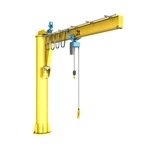


Shipbuilding Gantry Cranes
Shipbuilding gantry cranes play a crucial role in the construction and assembly of ships in shipyards. These cranes are designed to handle the heavy lifting and positioning of ship components, making the shipbuilding process more efficient and safe. Below is a general outline of a product introduction for shipbuilding gantry cranes:

Key Features
- Heavy Lifting Capacity: Shipbuilding gantry cranes are engineered to handle extremely heavy loads, providing lifting capacities ranging from several tons to several hundred tons. This capability is essential for maneuvering large ship components and sections during the construction process.
- Span and Lifting Height: These cranes are designed with a wide span to cover the entire shipyard area. The lifting height is optimized to accommodate the vertical assembly of ship sections, ensuring flexibility in the construction process.
- Double Girder Design: Shipbuilding gantry cranes typically feature a double girder design, providing increased stability and load-bearing capacity. This design is well-suited for the demands of shipbuilding, where precision and safety are paramount.
- Precise Positioning: Advanced control systems and precision engineering enable accurate positioning of ship components. This is critical for aligning and welding large sections with high precision, ensuring the structural integrity of the vessel.
- Safety Features: Safety is a top priority in shipyard operations. Shipbuilding gantry cranes are equipped with safety features such as overload protection, emergency stop buttons, and collision avoidance systems to prevent accidents and ensure the well-being of workers.
- Adaptability to Various Ship Types: These cranes are versatile and can be adapted to the specific requirements of different types of ships, including cargo vessels, container ships, oil tankers, and more.
- Weather Resistance: Given that shipyards operate in various weather conditions, shipbuilding gantry cranes are often designed to be weather-resistant, with features such as corrosion-resistant materials and protective coatings.
- Remote Control and Automation: Many shipbuilding gantry cranes are equipped with remote control capabilities, allowing operators to control the crane from a safe distance. Automation features can enhance efficiency and reduce the need for manual intervention.

Parts & Components
Shipbuilding gantry cranes are complex machines composed of various parts and components that work together to facilitate the lifting and movement of heavy ship components during the construction process. Below are the key parts and components of shipbuilding gantry cranes:
1. Girder Structure: Main Girders: The main girders are the horizontal beams that support the entire structure of the crane. In shipbuilding gantry cranes, these are often designed as double girders to provide stability and increased lifting capacity.
2. Trolley: Crane Trolley: The trolley is the mechanism that moves horizontally along the main girders. It carries the lifting hook or other lifting attachments and allows for precise positioning of the load.
3. Hoisting Mechanism: Hoist Unit: The hoist unit is responsible for lifting and lowering the load. It typically includes an electric motor, brakes, and a system of pulleys or gears. The hoist unit is mounted on the trolley.
4. Lifting Attachments:
- Lifting Hook: The lifting hook is the primary attachment for lifting loads. It is designed to securely hold and support the ship components during the construction process.
- Spreader Bar: In some cases, a spreader bar may be used to distribute the load more evenly when lifting large and bulky ship sections.
5. Electrical System:
- Control Panel: The control panel contains the electrical controls and interface for the operator to command the crane. It includes buttons, joysticks, and displays for controlling the crane's movements.
- Power Supply: Shipbuilding gantry cranes are typically powered by electricity. The power supply includes motors, cables, and connectors to ensure reliable and efficient operation.
6. Drive System:
- End Carriages: The end carriages support the entire crane structure and house the wheels that enable horizontal movement along the runway rails.
- Drive Motors: Electric motors provide the power for the crane's movement. These motors are responsible for driving the wheels on the end carriages.
7. Control System:
- Safety Devices: Various safety devices are integrated into the control system, including overload protection, emergency stop buttons, limit switches, and sensors to ensure safe crane operation.
- Remote Control: Some modern shipbuilding gantry cranes are equipped with remote control capabilities, allowing operators to control the crane from a safe distance.
8. Runway Rails: Runway Beams: The runway beams are installed along the length of the shipyard and provide a fixed path for the gantry crane to travel. The crane's wheels move along these rails, allowing it to cover the entire shipyard area.
9. Braking System: Brakes: Braking systems are crucial for ensuring the crane stops safely and holds its position when required. Both the hoisting mechanism and the travel mechanisms are equipped with brakes.
10. Structural Components: Columns and Supports: These provide structural support to the crane, connecting the main girders to the end carriages and forming a stable framework.

Parameters

Sketch

Advantages
Shipbuilding gantry cranes offer several advantages that contribute to the efficiency and productivity of shipyard operations. Here are some key advantages:
- High Lifting Capacity: Shipbuilding gantry cranes are designed to handle heavy loads, making them ideal for lifting and moving large ship components and sections during the construction process.
- Large Span Coverage: The wide span of gantry cranes allows them to cover a large area of the shipyard. This capability facilitates the efficient movement of ship components and enables simultaneous work on multiple vessels.
- Versatility: These cranes are versatile and can be adapted to handle various types of ships, including commercial vessels, naval ships, and offshore structures. They are suitable for the construction of diverse ship sizes and designs.
- Precise Positioning: Shipbuilding gantry cranes are equipped with advanced control systems that enable precise positioning of loads. This is crucial for aligning and welding ship sections with high accuracy during the construction process.
- Efficient Vertical Assembly: The lifting height of gantry cranes is designed to accommodate the vertical assembly of ship sections. This capability streamlines the construction process by allowing for the stacking and welding of components in a vertical orientation.
- Reduced Manual Labor: The automation and lifting capabilities of gantry cranes reduce the need for manual labor in heavy lifting tasks. This not only increases efficiency but also enhances safety by minimizing the risk of injuries associated with manual handling of heavy loads.
- Increased Productivity: Shipbuilding gantry cranes contribute to higher productivity in shipyards by enabling faster and more efficient handling of ship components. This, in turn, can lead to shorter construction times for vessels.
- Adaptability to Different Shipyard Layouts: Gantry cranes are designed to operate along runway rails, providing flexibility in adapting to different shipyard layouts. This adaptability is valuable in optimizing the use of space within a shipyard.
- Weather Resistance: Shipbuilding gantry cranes are often designed to withstand harsh environmental conditions found in shipyards, including exposure to saltwater, humidity, and various weather elements. This durability contributes to their long-term reliability.
- Safety Features: Modern gantry cranes are equipped with a range of safety features, such as overload protection, emergency stop buttons, limit switches, and collision avoidance systems. These features enhance the overall safety of shipyard operations.
- Remote Control Capability: Some shipbuilding gantry cranes come with remote control capabilities, allowing operators to control the crane from a safe distance. This feature enhances flexibility and provides better visibility during lifting operations.
- Cost-Effective Solution: Despite their large size and capabilities, shipbuilding gantry cranes can be a cost-effective solution for shipyards, especially when considering the efficiency gains, reduced labor costs, and the potential for faster project completion.

Application
Shipbuilding gantry cranes play a crucial role in various stages of ship construction and maintenance. Their applications are diverse, and they are essential for handling heavy loads and facilitating efficient processes in shipyards. Here are the primary applications of shipbuilding gantry cranes:
- Ship Construction: The primary application of shipbuilding gantry cranes is in the construction of ships. They are used to lift and position large and heavy ship components, such as hull sections, decks, and superstructures, during the assembly process. Gantry cranes are instrumental in the vertical and horizontal movement of these components, allowing for precise alignment and welding.
- Assembly of Ship Sections: Shipbuilding gantry cranes are employed to lift and assemble ship sections vertically. This vertical assembly method is efficient for welding and connecting large sections of the ship's structure, contributing to the overall construction speed and quality.
- Handling Ship Engines and Machinery: Gantry cranes are used to install ship engines, propulsion systems, and other machinery into the vessel. Their lifting capacity and precision positioning make them suitable for handling heavy and sensitive ship components.
- Ship Repair and Maintenance: Shipbuilding gantry cranes are utilized for the repair and maintenance of ships. They can lift ships out of the water for inspection, maintenance, and repairs to the hull, propellers, and other components. This application is common in shipyards with dry docks.
- Loading and Unloading Cargo: In some shipyards, gantry cranes are used for loading and unloading cargo onto and from ships. This is particularly relevant in shipyards that handle the construction of cargo vessels, container ships, and other commercial vessels.
- Handling Offshore Structures: Shipbuilding gantry cranes may also be used in the construction and assembly of offshore structures, such as oil platforms and drilling rigs. Their lifting capacity and versatility make them suitable for handling the large and heavy components involved in offshore projects.
- Transportation of Ship Components: Gantry cranes are responsible for transporting ship components within the shipyard. They move along runway rails to carry loads to different assembly points, allowing for efficient logistics in the shipbuilding process.
- Installation of Ship Equipment: Shipbuilding gantry cranes are used to install various ship equipment, including navigation systems, communication devices, and safety features. Their precision and lifting capabilities are essential for the proper installation of these components.
- Heavy Lifting in Shipyards: Beyond specific ship-related applications, gantry cranes are utilized for general heavy lifting tasks within shipyards. This includes handling materials, equipment, and tools required for various shipbuilding and repair activities.
- Launch and Retrieval of Ships: In some shipyards, gantry cranes are involved in the launch and retrieval of newly constructed ships. They are used to lift the ship and move it from the construction area to the water for launching or into a dry dock for further work.

Production Procedure
The production procedure of shipbuilding gantry cranes involves several stages, from design and fabrication to assembly, testing, and delivery. Here is an overview of the typical production procedure for shipbuilding gantry cranes:
- Project Analysis and Design: The production process begins with a comprehensive analysis of the project requirements. Engineers and designers assess factors such as lifting capacity, span, lifting height, and other specifications. They create detailed design plans, taking into consideration the specific needs of the shipyard or project.
- Material Selection: Based on the design specifications, materials for the gantry crane are selected. Common materials include high-strength steel for structural components and other specialized materials based on factors like corrosion resistance and durability.
- Fabrication of Structural Components: The structural components of the gantry crane, including main girders, end carriages, columns, and other parts, are fabricated according to the design specifications. This involves cutting, welding, and shaping the selected materials.
- Machining and Finishing: Precision machining processes are employed to ensure the accuracy of critical components. Surface finishes, coatings, and treatments, such as painting and corrosion protection, are applied to enhance durability and resist environmental factors.
- Assembly of Components: The various components, including the main girders, end carriages, trolley, hoisting mechanism, and electrical systems, are assembled in accordance with the design. This assembly process may take place in sections, and sub-assemblies may be tested independently before final assembly.
- Installation of Electrical Systems: The electrical systems, including the control panel, power supply, motors, and safety features, are installed and integrated into the crane structure. Wiring and connections are carefully implemented to ensure reliable and safe operation.
- Testing and Quality Assurance: The fully assembled gantry crane undergoes comprehensive testing to ensure all components function correctly and meet design specifications. This testing includes load tests, functionality tests, and safety system checks. Quality assurance measures are implemented to guarantee the crane's reliability and performance.
- Painting and Coating: The gantry crane is painted and coated to protect it from corrosion and environmental conditions. Special attention is given to areas exposed to harsh weather or marine environments.
- Documentation and Certification: Detailed documentation, including operation manuals, maintenance guidelines, and certifications, is prepared for the gantry crane. This documentation provides essential information for crane operators and maintenance personnel.
- Shipping and Installation: Once the gantry crane passes all tests and quality checks, it is prepared for shipping to the customer's site. Upon arrival, the crane is installed in the shipyard or construction area according to the specific requirements of the project.

Workshop View
Henan Mine Crane Co., Ltd has implemented a smart equipment management platform and deployed 310 sets of handling and welding robots. Upon the fulfillment of the initiative, the total number of sets will exceed 500, achieving a 95% equipment networking rate. Currently, 32 welding lines are operational, with plans to install an additional 50. The overall automation rate for the entire product line has already reached 85%.


Hot Tags: shipbuilding gantry cranes, China shipbuilding gantry cranes manufacturers, suppliers, factory
Previous
Double Beam Grab Gantry CraneYou Might Also Like


Send Inquiry