



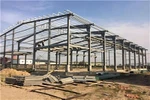
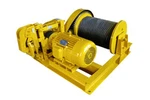


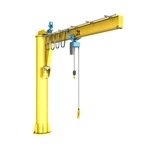


Precast Concrete Plant Gantry Crane
A precast concrete plant gantry crane is a heavy-duty industrial lifting equipment specifically designed for use in precast concrete manufacturing facilities. Precast concrete plants produce a wide range of concrete products, such as beams, columns, walls, slabs, and more, in a controlled environment before they are transported to construction sites for assembly. The gantry crane plays a crucial role in efficiently handling and moving these heavy and often large precast concrete components within the plant.

Key Features:
1) Heavy Lifting Capacity: Precast gantry cranes are designed to lift and move extremely heavy precast concrete elements. They come in various lifting capacities to accommodate different sizes and weights of concrete components.
2) Span and Height: The crane's wide span and adjustable height ensure that it can cover a large area within the precast plant, allowing for easy maneuvering of concrete elements during various stages of production.
3) Stability: Gantry cranes are built to be stable and reliable. They are usually equipped with advanced features like anti-sway technology to prevent the load from swinging during lifting and movement.
4) Precision Controls: These cranes are operated using precision controls that allow operators to position heavy concrete elements with accuracy and control. This is crucial for maintaining product quality and preventing damage to the components.
5) Safety Features: Safety is a top priority in any industrial setting. Gantry cranes for precast concrete plants often come with safety features such as overload protection, emergency stop buttons, and collision avoidance systems to ensure the well-being of workers and the protection of valuable equipment.
6) Durability: Given the demanding nature of precast concrete production, these cranes are built to withstand the harsh environment of a manufacturing facility. They are constructed using robust materials that can endure heavy usage and exposure to dust, moisture, and chemicals.
7) Customization: Each precast concrete plant may have unique requirements based on the types of products they manufacture and the layout of their facility. Gantry cranes can often be customized to fit these specific needs.
8) Ease of Maintenance: Regular maintenance is essential to ensure the crane's longevity and safe operation. Many modern gantry cranes are designed with easy access to critical components, simplifying maintenance tasks.
9) Technical Parameter
Capacity: 5-1200ton
Span length: 4-40m
Lifting height: 3-50m
Work duty: A4, A5, A6,A7
Raged voltage: 220V~690V, 50-60Hz, 3ph AC
Work environment temperature: -25℃~+50℃, relative humidity ≤85%
Crane control mode: Floor control / Remote control / Cabin room
Pictures & Components
The entire set of a precast concrete plant gantry crane is designed to work seamlessly together to efficiently and safely handle the lifting and movement of heavy precast concrete elements within the manufacturing facility, including Main Structural Frame, Main Girder, Lifting System, Ground Carriages, Crane Traveling Mechanism, Trolley Traversing Mechanism, Crane Wheel, Crane Hook, Motor, Control Mode, etc.
1.Main Structural Frame
The main structural frame of a precast concrete plant gantry crane is the foundational framework that supports the entire crane's operation. It provides the necessary stability, strength, and structure to enable the crane to lift, move, and position heavy precast concrete components.
⑴ Vertical Legs: The vertical legs are the vertical components of the main structural frame that support the crane's weight and the loads it carries. These legs are securely anchored to the ground or a stable foundation to ensure stability during lifting operations.
⑵ Horizontal Beams: Horizontal beams connect the vertical legs at the top, forming the upper part of the main structural frame. These beams provide the overhead structure upon which the gantry rails and other crane components are mounted.
⑶ Cross Bracing: Cross bracing consists of diagonal beams or members that connect the vertical legs and horizontal beams. Bracing enhances the structural integrity of the main frame by preventing swaying and providing additional stability against lateral forces.
⑷ Base Frame: The base frame is the lower part of the main structural frame that rests on the ground or foundation. It spreads the crane's load over a larger area and provides stability. The base frame is usually equipped with stabilizing mechanisms to ensure even weight distribution.
⑸ Gantry Rail Mounting: The top portion of the main structural frame serves as the mounting point for the gantry rails. These rails guide the movement of the trolley and lifting mechanisms along the length of the crane.
⑹ Safety Features: Safety considerations are paramount in the design of the main structural frame. The frame may include features such as anchor points for safety harnesses, emergency stop buttons, and anti-sway technology to prevent accidents and ensure worker safety.

2.Main Girder
The main girder is a foundational component that determines the gantry crane's overall strength and stability. Its careful design, choice of materials, and manufacturing quality contribute to the crane's ability to safely lift, move, and position heavy precast concrete components throughout the manufacturing process.
⑴ Structure and Design: The main girder is typically a large, horizontal beam that spans the width of the gantry crane. It is designed to handle the load capacity required by the crane's specifications. The structural design takes into account factors such as the weight of the load, the crane's span, and the crane's working conditions to ensure it can safely carry out lifting operations.
⑵ Material: The main girder is constructed from high-strength materials to withstand the heavy loads and dynamic forces encountered during lifting operations. Common materials used for the construction of the main girder include structural steel, reinforced steel, or other high-strength alloys.
⑶ Cross-Sectional Shape: The main girder's cross-sectional shape contributes to its load-bearing capacity and structural integrity. It might have an "I"-beam shape, a box girder shape, or other profiles designed to distribute loads effectively and resist bending and torsional forces.
⑷ Gantry Rail Mounting: The main girder often includes provisions for mounting the gantry rails, which guide the trolley's movement along the length of the crane. The gantry rails are typically secured to the top of the main girder.
⑸ Additional Features: Depending on the specific requirements of the precast concrete plant and the gantry crane's design, the main girder might include additional features such as access points, inspection walkways, and attachment points for accessories like lights, sensors, or cameras.

3.Lifting System
The lifting system of a precast concrete plant gantry crane is a crucial component responsible for raising, lowering, and positioning heavy precast concrete components. It's designed to ensure safe and precise lifting operations within the plant.
⑴ Hoist or Winch Mechanism:
- The hoist or winch mechanism is the core component of the lifting system. It consists of an electric motor, gearbox, drum, and wire rope.
- The motor provides the power necessary to lift and lower loads.
- The gearbox provides the required reduction in speed and increases torque to lift heavy loads.
- The drum winds or unwinds the wire rope, enabling the hoist hook or lifting attachment to move up or down.
⑵ Wire Rope:
- A high-strength wire rope is used to connect the hoist hook or lifting attachment to the drum on the hoist mechanism
- The wire rope's diameter, type, and construction are chosen based on the crane's load capacity and operational requirements.
⑶Hook or Lifting Attachment:
- The hook or lifting attachment is the point where the precast concrete component is connected for lifting.
- Some hooks are equipped with safety latches to prevent accidental disengagement of the load.
⑷ Control System:
- The control system allows the crane operator to control the lifting operation.
- The operator can raise, lower, and stop the load at any desired height using controls such as buttons, joysticks, or pendant controls.
⑸ Limit Switches:
- Limit switches are safety devices that prevent the hook from overtraveling beyond safe limits.
⑹ Safety Brake:
- A safety brake is incorporated in the lifting system to stop the hoist mechanism in case of a power failure or other emergencies. It prevents the load from dropping unexpectedly.
⑺ Emergency Stop:
- An emergency stop button is provided to instantly halt the lifting operation in critical situations.

4.Ground Carriages
In a precast concrete plant gantry crane system, ground carriages, also known as end trucks or bogies, play a vital role in supporting and guiding the crane along its runway or tracks. These components are positioned at the ends of the crane's girder or bridge and are equipped with wheels or rollers that move along the tracks.
⑴ Function: Ground carriages are responsible for supporting the weight of the crane structure and distributing it evenly to the tracks. They also provide stability and guidance for the crane's movement along the tracks.
⑵ Wheel Arrangement: Ground carriages are equipped with sets of wheels or rollers that run along the tracks. These wheels ensure smooth and controlled movement of the crane. The wheels are attached to axles, and the axles are supported by bearings. The bearings allow the wheels to rotate freely, reducing friction and facilitating movement.
⑶ Drive Mechanism: In some gantry crane systems, one of the ground carriages may be equipped with a drive mechanism, such as an electric motor. This drive mechanism powers the movement of the entire crane along the tracks.
⑷ Control System: The control system for the drive mechanism allows the crane operator to start, stop, accelerate, and decelerate the crane's movement along the tracks.
⑸ Alignment and Tracking: Proper alignment of the ground carriages with the tracks is crucial to prevent uneven wear and ensure smooth movement. Misalignment can lead to increased friction, wear, and potential issues with crane stability.

⑹ Safety Features: Ground carriages may be equipped with safety features such as limit switches that prevent the crane from moving beyond safe limits or colliding with obstacles.
⑺ Load Distribution: Ground carriages distribute the load of the crane evenly to the tracks. This even distribution helps maintain stability and prevents excessive stress on the crane structure.
5.Crane Traveling Mechanism
The traveling mechanism of a precast concrete plant gantry crane refers to the system responsible for moving the crane along its runway or tracks. This mechanism allows the crane to traverse horizontally, positioning itself over the desired area for lifting, moving, or placing heavy precast concrete components.
⑴ Runway or Tracks: The gantry crane is typically installed on a runway or a set of tracks. These tracks provide a guided path for the crane to move back and forth along a predetermined route within the precast concrete plant.
⑵ Drive System: The drive system provides the necessary power to move the crane along the tracks. This system can be electric, hydraulic, or even manual, depending on the crane's design and the plant's requirements.
⑶ Motors: Electric gantry cranes are often equipped with motors that drive the wheels. These motors can be operated using various control methods, including push-button panels, remote controls, or cabin controls for the crane operator.
⑷ Control System: The control system enables the operator to start, stop, accelerate, decelerate, and reverse the crane's movement. It also helps to ensure precise positioning of the crane over the designated work areas.
⑸ Braking System: A braking system is essential to stop the crane's movement quickly and safely. This system prevents the crane from continuing to move after the controls are released.
⑹ Limit Switches: Limit switches are used to define the boundaries of the crane's travel. These switches can be positioned at the ends of the tracks to prevent the crane from moving beyond safe limits.
6.Trolley Traversing Mechanism
The trolley traversing mechanism is responsible for moving the trolley (also known as the hoist carriage) along the length of the gantry crane's bridge or girder. This mechanism allows the crane to position itself precisely over the desired area to pick up or place heavy precast concrete elements. Here's how the trolley traversing mechanism typically works:
⑴ Trolley Assembly: The trolley assembly holds the lifting mechanism, which usually includes a hoist or winch. This hoist is used to lift and lower the heavy loads.
⑵ Rails or Tracks: The gantry crane bridge or girder is typically equipped with rails or tracks on which the trolley moves. These rails provide a guided path for the trolley to traverse along the length of the crane.
⑶Traversing Mechanism: The traversing mechanism consists of various components that enable the lateral movement of the trolley. It often includes the following elements:
① Drive System: The drive system provides the necessary power to move the trolley along the rails. This could be achieved using electric motors, hydraulic systems, or other forms of power transmission.
② Wheels or Rollers: The trolley is equipped with wheels or rollers that make contact with the rails. These wheels allow smooth movement along the tracks.
③ Guiding System: To ensure proper alignment and stability, there might be a guiding system in place. This system prevents the trolley from deviating from its intended path during traversal.
④ Control System: A control system, often operated by a crane operator, enables precise movement of the trolley. It can include joysticks, buttons, or even remote controls, depending on the level of automation and sophistication.
7.Crane Wheel
In a precast concrete plant gantry crane system, the crane wheels are an essential component of the gantry crane's trolley traversing mechanism. These wheels are designed to facilitate the movement of the gantry crane along the rails or tracks, allowing the crane to transport heavy precast concrete components within the facility.
⑴ Function: The crane wheels are responsible for supporting the weight of the gantry crane and its load while ensuring smooth and controlled movement along the rails. These wheels distribute the load over a larger surface area, reducing the stress on both the wheels themselves and the rails they run on.
⑵ Design: Crane wheels are typically made from durable materials that can withstand heavy loads, wear, and repetitive movement. They are often constructed from forged steel or cast iron, materials known for their strength and resilience.
⑶ Maintenance: Proper maintenance of the crane wheels is essential to ensure their longevity and safe operation. Regular inspections are necessary to identify any signs of wear, damage, or misalignment. Maintenance might include lubrication, tightening of fasteners, and, if needed, replacement of worn or damaged wheels.
⑷ Load Capacity: The load capacity of the crane wheels is an important consideration. It should be matched to the maximum weight that the gantry crane will be required to lift and move within the precast concrete plant.
⑸ Alignment: Proper wheel alignment is crucial to prevent excessive wear and tear on both the wheels and the rails. Misaligned wheels can cause the crane to move unevenly and may lead to premature failure.

8.Crane hook
In a precast concrete plant gantry crane system, the crane hook is a critical component that is attached to the lifting mechanism of the crane, such as the hoist or winch. The hook is designed to securely connect to and lift heavy precast concrete components, such as concrete panels, beams, or other structures, and then move them to desired locations within the plant.
⑴ Function: The primary function of the crane hook is to provide a secure attachment point for lifting and moving heavy loads. It is designed to withstand the weight of the load, as well as any dynamic forces that may occur during lifting, movement, and positioning.
⑵ Design: Crane hooks are typically forged from high-strength steel to ensure durability and load-bearing capacity. They are often designed with a safety latch or latch mechanism to prevent unintentional detachment of the load. The shape and size of the hook depend on the type of loads it will be lifting and the crane's lifting capacity.
⑶ Safety Latch: The safety latch is an essential safety feature on the crane hook. It prevents the load from accidentally slipping off the hook during lifting and movement. The latch can be manually operated to open and close, allowing for controlled attachment and detachment of loads.
⑷ Load Capacity: The crane hook's load capacity should be matched to the maximum weight the gantry crane is designed to lift. Exceeding the hook's capacity can lead to structural failure and safety hazards.
⑸ Lifting Accessories: In addition to the hook itself, various lifting accessories such as slings, chains, and shackles are often used to connect the crane hook to the load. These accessories should also be chosen based on their load capacity and compatibility with the hook.

9.Motor
In a precast concrete plant gantry crane system, motors are essential components that provide the necessary power to drive various mechanisms of the crane, such as the trolley, traveling wheels, and lifting mechanisms. These motors are responsible for converting electrical energy into mechanical motion, allowing the crane to perform lifting, traversing, and positioning tasks.
⑴ Trolley Motor: The trolley motor is responsible for powering the trolley traversing mechanism. It moves the trolley along the length of the crane's bridge or girder, allowing the crane to position itself over the desired area for lifting and moving loads.
⑵ Traveling Motor: For gantry cranes that have a self-propelled traveling mechanism, a traveling motor is used to drive the wheels or rollers on the ground carriages. This motor propels the crane along the runway or tracks, enabling it to move horizontally within the plant.
⑶ Hoist Motor: The hoist motor is used to power the lifting mechanism, which includes the hoist or winch. This motor raises and lowers the crane hook or lifting attachment, allowing the crane to lift and place heavy precast concrete components.
⑷ Drive System: Motors are typically part of a larger drive system that includes various components such as gears, couplings, and brakes. This system ensures controlled and precise movement of the crane's different mechanisms.
⑸ Control System: The control system for the crane includes controls for the motors, allowing the operator to start, stop, accelerate, and reverse the crane's movement. The control system ensures the coordinated operation of the crane's various functions.
⑹ Variable Speed: Some gantry crane systems have motors with variable speed control. This feature allows operators to adjust the speed of the crane's movement based on the specific task and load requirements.

.
10.Sound and light alarm system & limit switch & safety parts
⑴Sound and Light Alarm System: Sound and light alarm systems are designed to provide visual and audible warnings to crane operators, ground personnel, and other workers in the vicinity of the crane. These alarms alert individuals to potentially hazardous situations and prompt them to take appropriate actions. The alarm system can be triggered by various events, such as crane movement, approaching load limits, or specific conditions that require attention. The key components of a sound and light alarm system include:
①Alarm Horns or Sirens: These produce loud audible signals to draw attention to potential dangers.
②Warning Lights: Visual indicators that emit bright flashing lights to catch the attention of individuals even in noisy environments.
⑵ Limit Switches:Limit switches are safety devices that are strategically placed on the crane to define safe operating limits. They are often positioned at the ends of the crane's travel path to prevent the crane from moving beyond these limits. Limit switches help prevent collisions, overtravel, and other unsafe situations. When the crane reaches the limit of its travel, the limit switch triggers the crane's controls to stop or reverse its movement. Limit switches can be used for both trolley and traveling motions.
⑶ Safety Parts:Various safety parts and mechanisms are employed in gantry crane systems to ensure safe operation. These components are designed to prevent accidents, minimize risks, and protect personnel and equipment. Examples of safety parts include:
① Emergency Stop Buttons: Strategically placed buttons that, when pressed, immediately stop all crane movements for quick response in emergency situations.
② Anti-Collision Systems: Sensors and systems that detect the presence of other cranes, structures, or obstacles, preventing collisions and ensuring safe distances.
③ Overload Protection: Sensors that monitor the load being lifted and prevent the crane from attempting to lift loads beyond its rated capacity.
④ Safety Latches: Attached to crane hooks, safety latches prevent loads from accidentally slipping off the hook during lifting and movement.

11.Control Mode
The control mode of a precast concrete plant gantry crane refers to the method by which the crane's various movements and functions are controlled. The control mode determines how the crane operator interacts with the crane to perform tasks such as lifting, traversing, and positioning of heavy precast concrete components. Several control modes are commonly used in gantry crane systems.
⑴ Cabin-Controlled (Cab-Controlled): In a cabin-controlled gantry crane, the operator sits within a control cabin or cab located on the crane itself. The operator has direct visibility of the load and the work area. The control cabin is equipped with control panels, joysticks, buttons, and displays that allow the operator to control the crane's movements, such as lifting, lowering, trolley movement, and traveling along the tracks. Cabin control provides a high level of accuracy and control over crane operations.
⑵ Remote-Controlled: A remote-controlled gantry crane allows the operator to control the crane's movements from a distance using a remote control device. This control mode is useful when the operator needs to move around the work area for better visibility or safety. Remote control offers flexibility and convenience but requires a clear line of sight between the remote control device and the crane.
⑶ Pendant-Controlled: Pendant-controlled gantry cranes use a handheld pendant control that is connected to the crane by a cable. The operator can stand on the ground and use the pendant to control the crane's movements. This control mode is often used for simple operations or when precise control is not as critical. Pendant controls are commonly used for maintenance and positioning tasks.
⑷ Semi-Automatic: Semi-automatic control modes involve a combination of manual operator control and automated functions. The operator controls certain aspects of the crane's movement while the crane's control system assists in other aspects. For example, an operator might control the crane's travel while the crane's automation system maintains the load at a set height during lifting.
⑸ Fully-Automatic: In fully-automatic control modes, the gantry crane's movements are controlled entirely by an automated system. The crane follows pre-programmed paths and executes tasks without direct operator intervention. This mode is often used for repetitive and standardized tasks, such as moving precast components along a predetermined route.

12.Sketch

Main Technical Parameter
|
Capacity (t) |
15 |
20 |
32 |
50 |
|
Span S (m) |
5-35 |
10.5-45 |
10.5-45 |
10.5-45 |
|
Lifting height (m) |
6-18 |
6~18 |
6~18 |
6~18 |
|
Lifting speed (m/min) |
9.6 |
7.2 |
6 |
6 |
|
Trolley Speed (m/min) |
44.1 |
44.1 |
42.4 |
38.5 |
|
Crane speed (m/min) |
40.1 |
40.1 |
38 |
44 |
|
Work duty |
A5-A6 |
A5-A6 |
A5~A6 |
A5~A6 |
|
Track type |
P38 P43 |
P43 |
QU70 |
QU80 |
Advantages
A precast concrete plant gantry crane offers several advantages that contribute to increased efficiency, safety, and productivity within the plant. Here are some key advantages of using a gantry crane in a precast concrete plant:
Heavy Lifting Capability: Gantry cranes are designed to handle heavy loads, making them well-suited for lifting and transporting large precast concrete components, such as panels, beams, and columns.
Flexible Material Handling: Gantry cranes can be used to move precast components within the plant, from the casting area to the curing area, and then to storage or loading areas. This flexibility enhances workflow and reduces manual labor.
Precise Positioning: Gantry cranes offer precise positioning of loads, allowing operators to accurately place precast components in designated areas. This precision minimizes the risk of errors and ensures efficient assembly.
Enhanced Safety: Gantry cranes come equipped with various safety features such as limit switches, sound and light alarms, and anti-collision systems. These features contribute to a safer working environment and reduce the risk of accidents.
Minimized Material Damage: Precast concrete components can be delicate and susceptible to damage. Gantry cranes allow for careful handling, reducing the risk of material breakage and ensuring the quality of the finished products.
Adaptable to Plant Layout: Gantry cranes can be customized to fit the layout of the precast concrete plant. They can be designed to accommodate specific track configurations and work areas.
Increased Efficiency: Gantry cranes enable rapid and efficient material movement, reducing bottlenecks and congestion in the plant. This increased efficiency translates to higher production rates.
Higher Production Capacity: By streamlining material handling processes, gantry cranes help increase the overall production capacity of the precast concrete plant.
Cost-Effective: While the initial investment in a gantry crane may be significant, the long-term benefits in terms of increased productivity, reduced labor costs, and improved safety can result in cost savings over time.
Improved Quality Control: Precise placement of precast components facilitated by gantry cranes improves the accuracy of assembly, leading to better quality finished products.

Application
A precast concrete plant gantry crane has diverse applications within the precast concrete manufacturing process. Its versatile capabilities make it an essential tool for various tasks, contributing to increased efficiency, safety, and productivity in the plant. Here are some of the key applications of a gantry crane in a precast concrete plant:
Material Handling: Gantry cranes are used to transport heavy precast concrete components, such as panels, beams, columns, and slabs, from one area of the plant to another. This includes moving components from the casting area to curing chambers, storage yards, or loading zones.
Casting Area: Gantry cranes assist in lifting molds and formwork, as well as positioning reinforcing materials before pouring concrete. They also help move casted components from the casting beds to the curing area.
Curing Area: After casting, precast components need a designated curing time. Gantry cranes can move the components to the curing chambers and then transfer them to storage areas after curing is complete.
Assembly: Gantry cranes are used to precisely position precast components during assembly, ensuring accurate alignment and efficient construction of larger structures.
Storage and Retrieval: Gantry cranes are employed to lift precast components from storage yards or racks and place them onto trucks for transportation to construction sites.
Loading and Unloading: Gantry cranes are used to load precast components onto trucks or trailers for delivery to construction sites. They also help unload components upon arrival at the site.
Positioning for Finishing: Gantry cranes help position precast components for finishing touches, such as concrete curing, surface treatments, and inspections.
Transportation within the Plant: Gantry cranes can move along tracks that cover various parts of the plant, enabling efficient transportation of components without the need for additional handling equipment.
Maintenance and Repairs: Gantry cranes are used to lift and move equipment and machinery during maintenance and repair operations within the plant.
Flexible Operations: The flexibility of gantry cranes allows for quick adjustments to different production requirements, layouts, and schedules in the precast concrete plant.

Crane production procedure
Project Assessment and Design:
- Understand the specific requirements of the precast concrete plant, including load capacity, lifting height, span, and operational environment.
- Collaborate with structural engineers and crane specialists to design a gantry crane that meets the plant's needs while adhering to safety and regulatory standards.
Material Selection and Fabrication:
- Choose high-quality materials for the crane's structural components, including steel beams, columns, and connection elements.
- Fabricate the structural components according to the design specifications, ensuring precision in manufacturing to achieve accurate dimensions and tolerances.
Welding and Assembly:
- Weld the fabricated parts together to form the main structure of the gantry crane, including the girder, legs, and cross-bracing elements.
- Ensure proper welding techniques and quality control to guarantee structural integrity.
Machining and Surface Treatment:
- Machine and finish the crane components, such as wheels, axles, and gear systems, to ensure smooth operation.
- Apply surface treatments like priming and painting to protect the crane from corrosion and environmental factors.
Electrical and Mechanical Components:
- Install motors, gearboxes, brakes, and other mechanical components required for the crane's movement.
- Incorporate electrical components, including wiring, limit switches, sensors, control panels, and safety systems.
Safety Features and Testing:
- Integrate safety features such as limit switches, alarms, and emergency stop systems to ensure safe crane operation.
- Conduct thorough testing of the crane's movements, controls, and safety mechanisms to identify and address any issues.
Quality Assurance and Inspection:
- Perform quality checks and inspections at different stages of the production process to ensure compliance with design specifications and safety standards.
Load Testing:
- Conduct load tests to verify the crane's lifting capacity and stability under various load conditions.
Installation and Commissioning:
- Transport the crane components to the precast concrete plant and assemble them on-site according to the installation plan.
- Commission the crane by testing its movements, controls, and safety systems in the actual operational environment.
Operator Training:
- Train crane operators on the proper use of the gantry crane, including control operation, load handling, safety procedures, and maintenance practices.
Documentation and Handover:
- Provide comprehensive documentation, including operation manuals, maintenance guidelines, and technical specifications, to the plant management.
Ongoing Support and Maintenance:
- Offer ongoing support for maintenance, servicing, and spare parts supply to ensure the continued safe and efficient operation of the gantry crane.

Workshop View
The company has installed an intelligent equipment management platform, and has installed 310 sets (sets) of handling and welding robots. After the completion of the plan, there will be more than 500 sets (sets), and the equipment networking rate will reach 95%. 32 welding lines have been put into use, 50 are planned to be installed, and the automation rate of the entire product line has reached 85%.


Hot Tags: precast concrete plant gantry crane, China precast concrete plant gantry crane manufacturers, suppliers, factory
Next
No InformationYou Might Also Like


Send Inquiry