





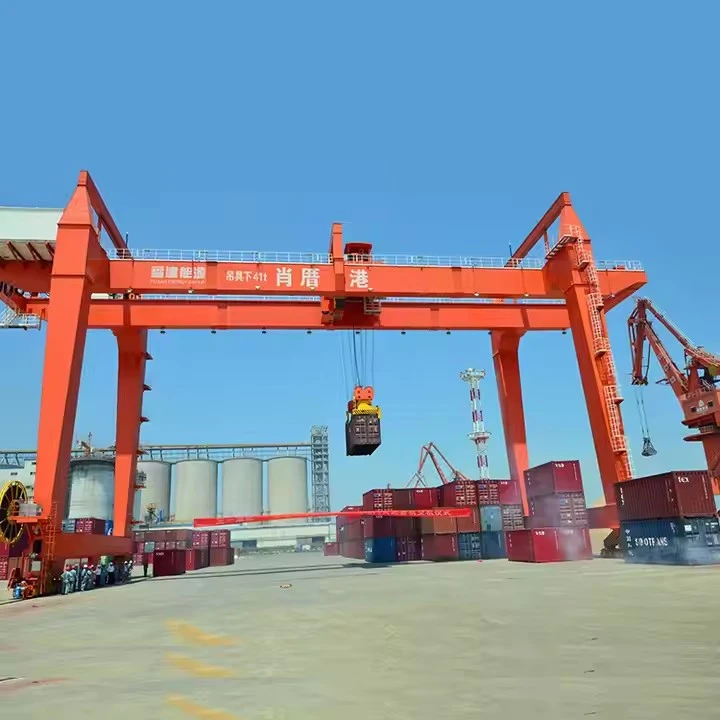

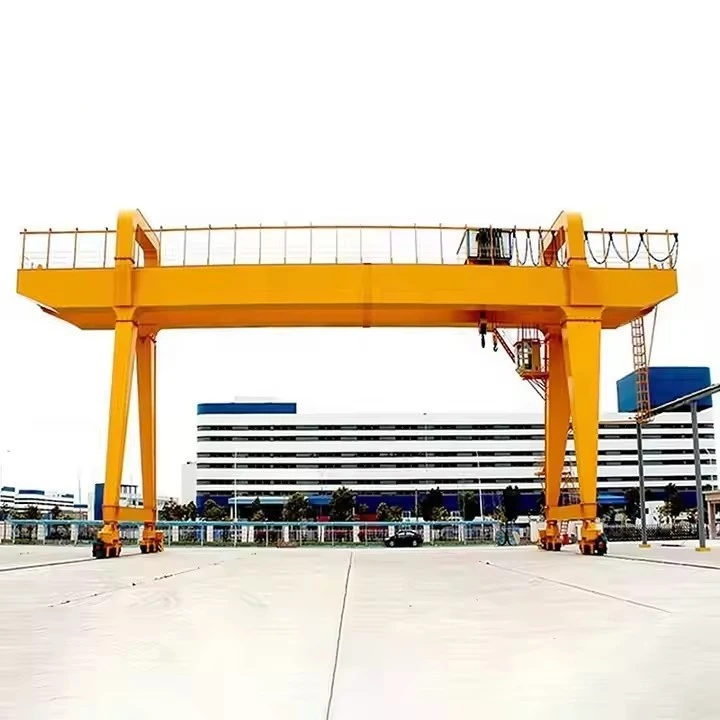
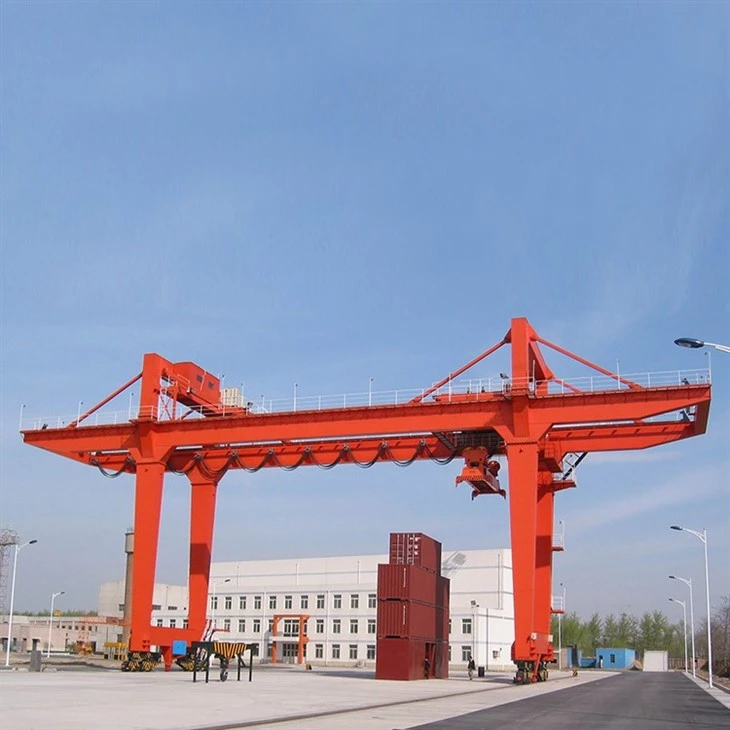
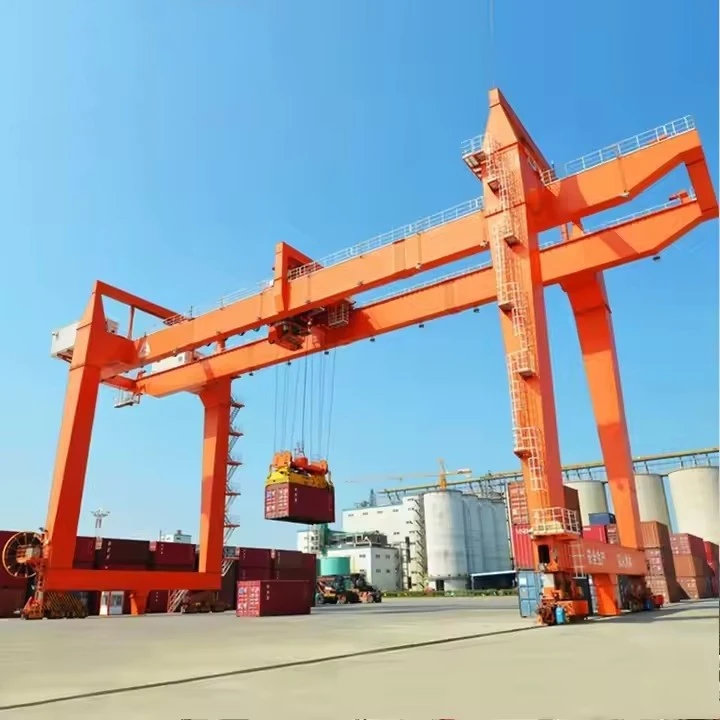
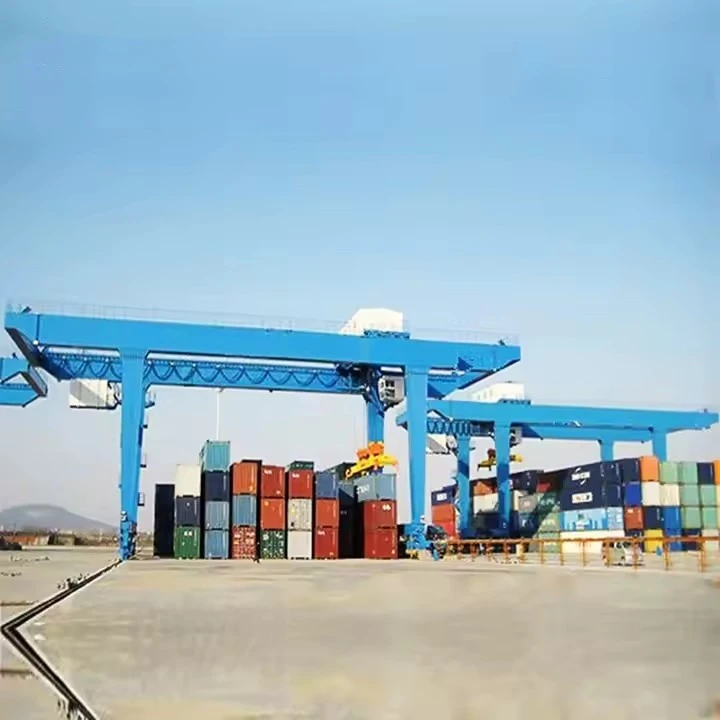
Rmg Gantry Crane
Products Description
Key Features of RMG Cranes
1. Rail-Mounted Movement
Runs on parallel ground rails (similar to overhead cranes but at ground level).
Offers precise positioning for container stacking and material handling.
2. High Lifting Capacity
Typically ranges from 30 tons to 100+ tons (common in ports for ISO containers).
Some heavy-duty RMGs handle up to 500 tons (e.g., for shipbuilding).
3. Span & Height Customization
Wide spans (up to 50m or more) to cover multiple container rows.
Lifting height adjustable for stacking containers (up to 6 high in some terminals).
4. Automated & Remote-Controlled Operation
Many modern RMGs feature automated stacking (ASC - Automated Stacking Crane).
Remote control & semi-automated options for improved efficiency.
5. Structural Design
Single or double girder configurations.
Stainless steel or reinforced steel construction for corrosion resistance (important in ports).
Anti-sway & collision avoidance systems for safety.
6. Power Supply
Conductor bars (rail electrification) or diesel generators for mobility.
Some use regenerative braking for energy efficiency.
Comparison with Other Gantry Cranes
| Feature | RMG Crane | RTG Crane | Mobile Gantry Crane |
|---|---|---|---|
| Mobility | Fixed rails | Rubber tires | Wheels (portable) |
| Automation | ✅ High (ASC possible) | ❌ Limited | ❌ Rare |
| Load Capacity | 30–500+ tons | 30–100 tons | 1–50 tons |
| Best For | High-volume ports, rail yards | Medium-sized terminals | Workshops, small factories |
| Maintenance Cost | ✅ Low (no tires) | ❌ High (tire wear) | ✅ Moderate |
Lifting Capacity 30 - 500 tons
Span 20 - 50 meters
Lifting Height 15 - 30
Work Class A6 - A8 (Heavy Duty)
Hoisting Speed 10 - 30 m/min
Trolley Speed 30 - 70 m/min
Crane Travel Speed 50 - 120 m/min
Acceleration/Deceleration 0.3 - 0.6 m/s²
Power Supply 380V/480V AC, 50/60Hz (3-phase)
Drive Type Frequency-controlled AC motors
Energy Recovery Regenerative braking (optional)
Backup Power Diesel generator (for critical operations)
Pictures & Components
An RMG crane is a complex system composed of structural, mechanical, electrical, and control components. Below is a comprehensive breakdown of its key parts:
1. Structural Components
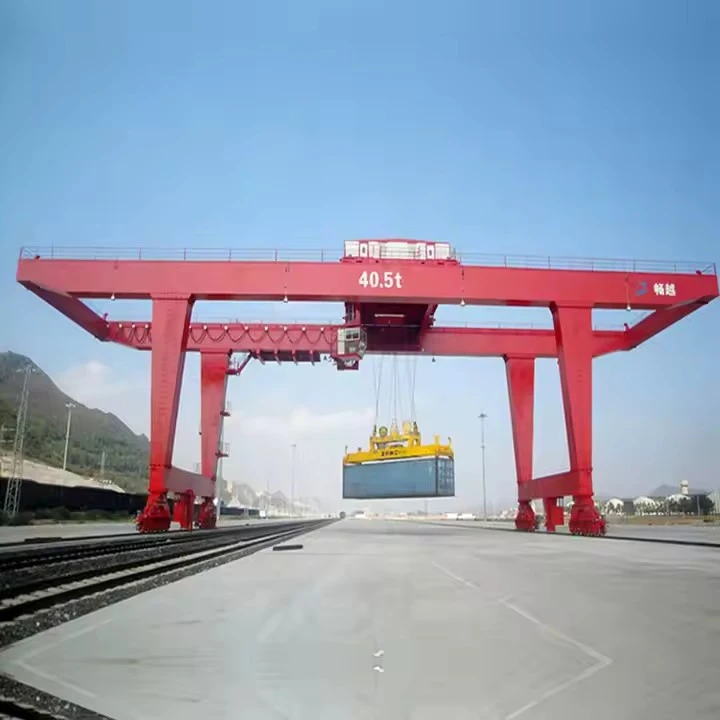
A. Main Gantry Structure
Legs/Supports
Vertical columns that transfer load to the rail system.
Often reinforced with diagonal bracing for stability.
Main Girder (Bridge Beam)
The horizontal beam spanning the working area.
Single-girder (lighter loads) or double-girder (heavy-duty, e.g., container handling).
End Carriages
Frame structures at each end, housing wheels and drive mechanisms.
B. Rail System
Crane Rails
Heavy-duty steel rails (e.g., ASCE, DIN, or UIC standards) for smooth movement.
Rail Clamps
Lock the crane in place during high winds or maintenance.
 |
 |
2. Mechanical & Lifting Components
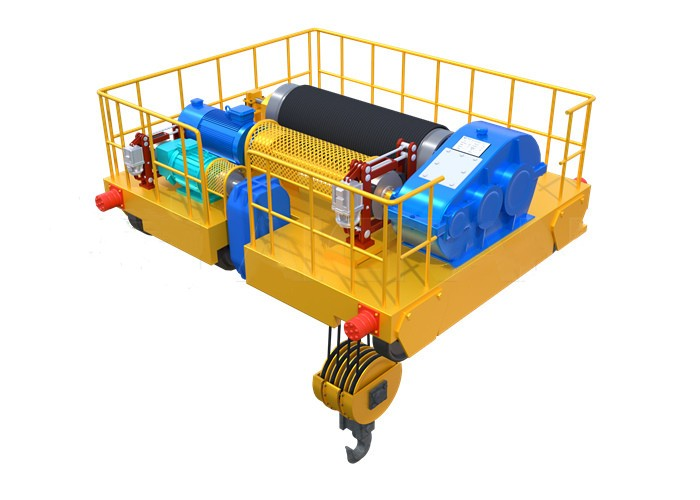
A. Hoisting Mechanism
Electric Hoist (Wire Rope or Chain)
Wire rope hoists (common for heavy loads, e.g., 30–100+ tons).
Chain hoists (for lighter RMGs).
Trolley & Crab Unit
Moves horizontally along the main girder.
Includes geared motors, brakes, and wheels.
Spreaders (For Container Handling)
Adjustable attachments (20ft, 40ft, 45ft) for lifting ISO containers.
May include twist locks for secure gripping.
 |
 |
B. Drive & Motion System
Travel Drives (Longitudinal Movement)
Motors and gearboxes for moving the crane along rails.
Frequency-controlled drives for smooth acceleration/deceleration.
Trolley Drives (Transverse Movement)
Moves the hoist along the girder.
Wheels & Bogies
Heavy-duty forged steel wheels with anti-derailment guards.
Some use dual-wheel bogies for extra load distribution.

3. Electrical & Control Systems
A. Power Supply
Conductor Bars (Rail Electrification)
Supplies power via sliding collectors (shoegear).
Cable Reels (Alternative for smaller RMGs).
Backup Diesel Generators (For ports without continuous power).

B. Control Systems
Operator Cabin
Ergonomically designed with joysticks, touchscreens, and safety controls.
Remote Control (Radio/Wireless)
Allows ground operators to control the crane.
Automation Features (For ASC - Automated Stacking Cranes)
Laser scanners for container positioning.
OCR (Optical Character Recognition) to read container numbers.
PLC & AI integration for autonomous operation.

C. Safety Systems
Anti-Collision Sensors
Prevents crashes with other cranes or obstacles.
Load Limiter & Overload Protection
Blocks lifting beyond rated capacity.
Anemometer & Wind Alarm
Stops operation during high winds (critical for ports).
Emergency Stop (E-Stop) Buttons
Installed at multiple locations.
.
4. Auxiliary Components
Lighting & Warning Systems
LED floodlights for night operations.
Horns and strobe lights for alerts.
Lubrication System
Automatic greasing for wheels, gears, and bearings.
Maintenance Walkways & Platforms
For safe access to mechanical parts.

5. Optional/Advanced Features
Regenerative Braking
Recovers energy during lowering/stopping (reduces power costs).
Hybrid Power (Diesel + Battery)
Used in eco-friendly RMG designs.
3D Modeling & Simulation
For virtual testing of crane operations.

SKETCH

Main technical

Advantages
1. High Efficiency & Productivity
Faster container handling than RTGs (Rubber-Tired Gantry cranes) due to fixed rail guidance.
Precise positioning for stacking containers (up to 6 high in ports).
Automation-ready for 24/7 unmanned operations (reduces labor costs).
2. Superior Stability & Safety
Rail-mounted movement eliminates tire slippage or uneven ground issues.
Anti-sway & collision avoidance systems enhance safety in busy terminals.
Wind-resistant design (some models withstand up to 55 mph winds).
3. Lower Operating Costs
No tire wear (unlike RTGs), reducing maintenance expenses.
Energy-efficient (regenerative braking returns power to the grid).
Long lifespan (20+ years with proper maintenance).
4. Automation & Smart Features
Automated Stacking Cranes (ASCs) reduce human error.
OCR (Optical Character Recognition) scans container IDs automatically.
Remote monitoring & predictive maintenance via IoT sensors.
5. Environmental Benefits
Electric-powered (zero emissions vs. diesel RTGs).
Hybrid (diesel + battery) options available for greener operations.
Application:
1. Container Terminals & Ports (Primary Use)
Stacking ISO containers (20ft, 40ft, 45ft).
Transferring containers between ships, trucks, and trains.
Intermodal freight hubs (e.g., rail-to-truck loading).
2. Rail Freight & Logistics Yards
Loading/unloading rail cars in inland container depots (ICDs).
Cross-docking operations for seamless logistics.
3. Heavy Industries & Manufacturing
Steel plants: Handling coils, slabs, and heavy machinery.
Shipbuilding: Moving ship sections and engines.
Power plants: Installing turbines and transformers.
4. Bulk Material Handling
Coal, ore, and grain storage yards.
Scrap metal recycling plants.
5. Military & Aerospace
Moving large aircraft parts (e.g., wings, fuselage).
Military logistics for heavy equipment transport.
Crane production procedure
The production procedure for an 80-ton Outdoor Double Gantry Crane involves several key stages, from design and material procurement to fabrication, assembly, testing, and installation. Below is a structured outline of the production process:
1. Design & Engineering
Requirements Analysis: Determine load capacity (80 tons), span, lifting height, outdoor conditions (wind, corrosion resistance), and operational frequency.
Structural Design:
CAD modeling for the double girder gantry crane.
Finite Element Analysis (FEA) to ensure structural integrity under load.
Selection of materials (e.g., high-grade steel for outdoor durability).
Mechanical & Electrical Design:
Hoist mechanism (wire rope/chain), trolley system, end carriages, and rail design.
Motor power, gearbox, brakes, and control system (pendant/remote control).
Regulatory Compliance: Ensure adherence to standards (ISO, FEM, DIN, or ASME).
2. Material Procurement
Main Components:
Steel beams (for girders, legs, and cross-beams).
Wheels, rails, and runway beams.
Electric hoist/trolley system (80-ton capacity).
Motors, gearboxes, brakes, and cables.
Corrosion Protection: Weather-resistant paint, galvanization, or stainless steel components.
3. Fabrication
A. Structural Fabrication
Cutting & Welding:
Plasma/oxy-fuel cutting of steel plates/beams.
Welding of girders, legs, and end carriages (using submerged arc welding for high strength).
Machining:
Precision machining of rail contact surfaces and wheel bearings.
Shot Blasting & Painting:
Surface treatment for rust prevention.
Primer + epoxy paint for outdoor protection.
B. Mechanical Assembly
Trolley & Hoist:
Assembly of the 80-ton hoist (gear system, drum, wire rope, hooks).
Mounting the trolley on the girders.
Gantry Frame:
Bolt/weld the legs to the girders.
Install wheels and rail alignment system.
C. Electrical Installation
Wiring: Power supply, limit switches, sensors, and control panel.
Motor & Drive Setup: Variable Frequency Drives (VFDs) for smooth operation.
Safety Systems: Overload protection, emergency stop, anti-collision (if dual cranes).
4. Quality Control & Testing
Dimensional Inspection: Verify tolerances per design.
Non-Destructive Testing (NDT): Ultrasonic/X-ray welding inspection.
Load Testing:
Static Test: 125% of rated load (100 tons) for structural integrity.
Dynamic Test: 110% load (88 tons) to check functionality.
Electrical Safety Checks: Insulation, grounding, and emergency stop response.
5. Disassembly & Packaging
Labeling: Mark components for easy reassembly.
Weatherproofing: Protect electrical parts during transit.
Packaging: Use crates/straps for heavy parts (girders, hoists).
6. Installation & Commissioning
Site Preparation:
Level and reinforce the ground for rails/runway.
Install anchor bolts/rails as per layout.
Reassembly:
Erect gantry legs and girders using mobile cranes.
Install mechanical/electrical components.
Final Testing:
Trial run under operational conditions.
Client demonstration and training.
7. Documentation & Handover
Manuals: Operation, maintenance, and safety guidelines.
Certificates: Load test reports, material certifications, and compliance documents.
Warranty & Support: Provide after-sales service terms.


Workshop view
Material Inspection
Quality Inspection: Strict quality inspection is carried out on the purchased raw materials to ensure that they meet the design requirements and national standards.
Material Storage: Qualified materials are stored according to classification to prevent corrosion or damage.
Cutting and Forming
Steel Cutting: Use plasma cutting, laser cutting or flame cutting and other technologies to cut the steel according to the size of the design drawing.
Forming Processing: Form the steel plate through bending, rolling, welding and other processes to manufacture the main beam, end beam and other structural parts.
Welding
Component Welding: The cut and formed steel parts are welded into the main structures such as the main beam, end beam and trolley. The welding process needs to be strictly controlled to ensure the structural strength and welding quality.
Weld Inspection: Use non-destructive testing technology (such as ultrasonic testing, radiographic testing) to inspect the welds to ensure that there are no cracks or other defects.
Machining
Precision Machining: Precision machining is performed on the key components of the crane, such as wheel sets, bearing seats, pulleys, etc., to ensure their dimensional accuracy and surface quality.
Assembly of the whole machine
General assembly: On the basis of pre-assembly, the overall assembly of the crane is carried out, including the final installation of the main beam, end beam, lifting mechanism, walking mechanism, etc.
Commissioning and testing
Under dynamic conditions, the operating performance of the crane is tested, including the testing of lifting, walking, steering and other functions. The overall size of the assembled bridge crane is checked to ensure that all dimensions meet the design requirements.
Spraying and anti-corrosion treatment
Surface treatment Rust removal: Rust removal on the surface of the crane, common methods include sandblasting, pickling, etc. Primer spraying: Spray anti-corrosion primer on the treated surface to prevent metal oxidation and corrosion. Topcoat spraying Color spraying: Spray topcoat according to customer requirements or industry standards to give the crane a protective and decorative effect. Marking: After spraying, mark the crane's identification information in accordance with the specifications, such as model, rated load, etc.
Factory and installation
Packaging and transportation
Packaging protection: Protectively package the key components of the crane to prevent damage during transportation. Transportation arrangement: According to the equipment size and transportation conditions, select a suitable transportation method to transport the crane to the customer's site.
Acceptance and delivery
Customer acceptance
On-site acceptance: The customer conducts on-site acceptance of the crane according to the contract requirements and technical specifications to check the performance and quality of the equipment.
Problem rectification: If any problems are found, the manufacturer needs to rectify them in time to ensure that the equipment fully meets the customer's requirements. Delivery and use Operation training: The manufacturer usually trains the customer's operators to ensure that they can operate the crane correctly and safely.


Hot Tags: rmg gantry crane, China rmg gantry crane manufacturers, suppliers, factory
You Might Also Like


Send Inquiry