










Mobile Boat Lift Gantry Crane
Products Description
Key Features:
Capacity: Ranges from 30 tons to 1,200 tons, with customizable options.
Mobility: Equipped with 360° concentric steering and diagonal movement capabilities.
Control: Operated via remote control or cabin, with full frequency conversion for precision.
Lifting Speed: Adjustable (e.g., 0–2 m/min under full load, up to 5 m/min unloaded).
Technical Specifications
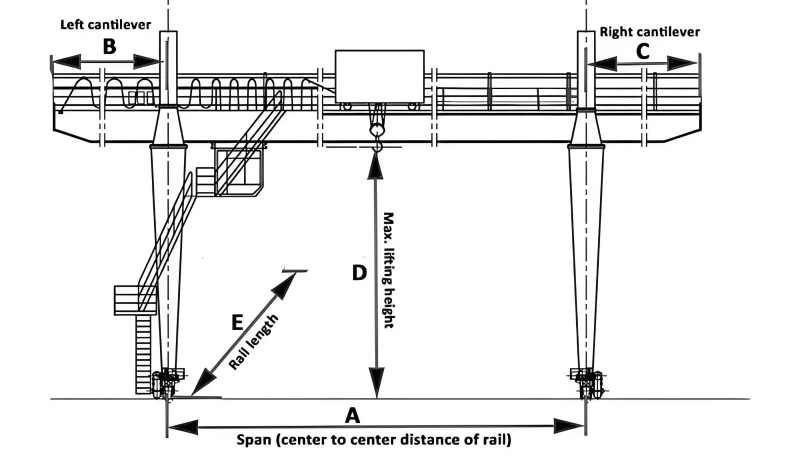
Lifting Height: Typically 10–15 meters, but customizable.
Span: Options include 8m, 11m, 15m, or tailored to boat dimensions.
Ground Pressure: Varies by model (e.g., 11.5 kg/m² for 100-ton capacity).
Operating Temperature: -20°C to +50°C, suitable for harsh environments.
Lifting Capacity 1 - 20 tons
Span (Width) 3 - 12 meters (adjustable)
Lifting Height 3 - 10 meters
Working Class A3-A5 (light to medium duty)
Hoisting Speed 0.5 - 8 m/min (variable)
Main Beam Type Single/double girder (box-type)
Power Supply 220V/380V 3-phase or manual
Control Mode Pendant control/wireless remote
Hoist Type Electric chain hoist/wire rope hoist
Travel Drive Manual push or motorized
Corrosion Protection Hot-dip galvanized or marine-grade paint
Wind Resistance Up to Beaufort scale 6 (for outdoor use)
Operating Temp -20°C to +50°C

Pictures & Components
Here's a detailed breakdown of the key components of a mobile boat lift gantry crane, synthesized from industry standards and technical references:
1. Structural Framework
Main Gantry Beams: Dual or single steel girders forming the overhead bridge, designed to span the boat's width and support lifting loads.
Legs/Supports: Adjustable-height vertical columns (often on rubber tires or rails) for mobility and stability. Some models feature telescopic legs for varying water depths.
Cross Braces: Diagonal reinforcements to prevent lateral sway during lifting.
2. Lifting Mechanism
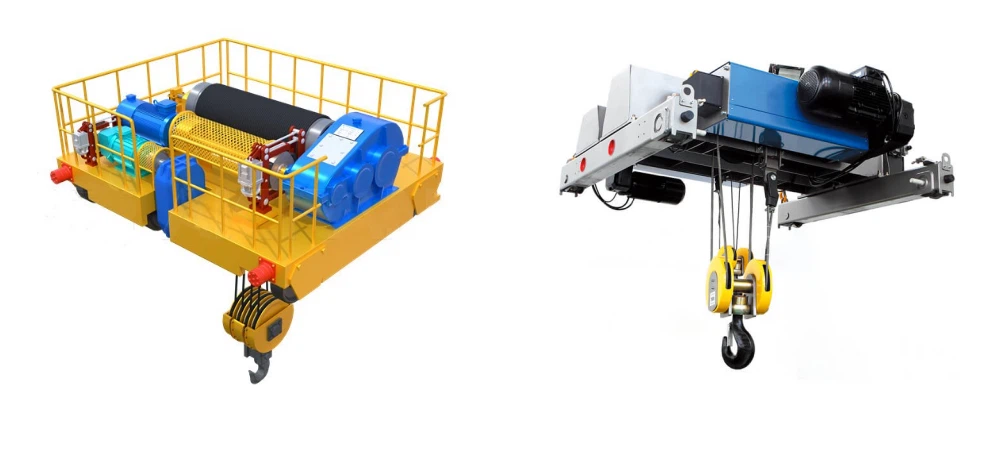
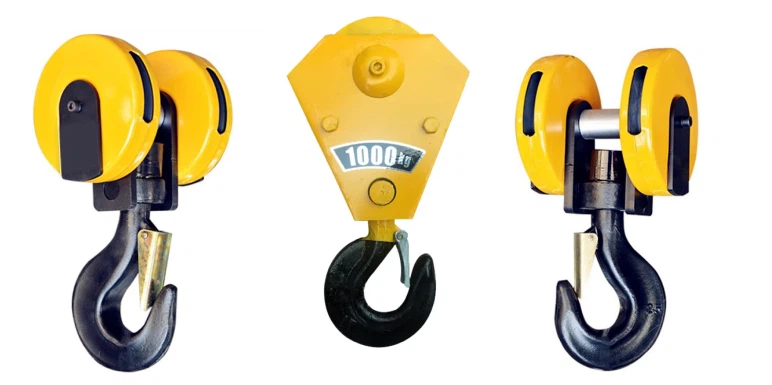
Hoist Unit: Electric or hydraulic winch system (e.g., wire rope or chain hoist) with precise load control. Capacities range from 30 to 1,200 tons for marine applications.
Spreader Bar/Frame: Distributes lifting force evenly to prevent hull damage. May include adjustable arms for different boat widths.
Slings/Straps: Synthetic or steel cables attached to the boat's lifting points (e.g., keel straps for yachts).

3. Mobility System
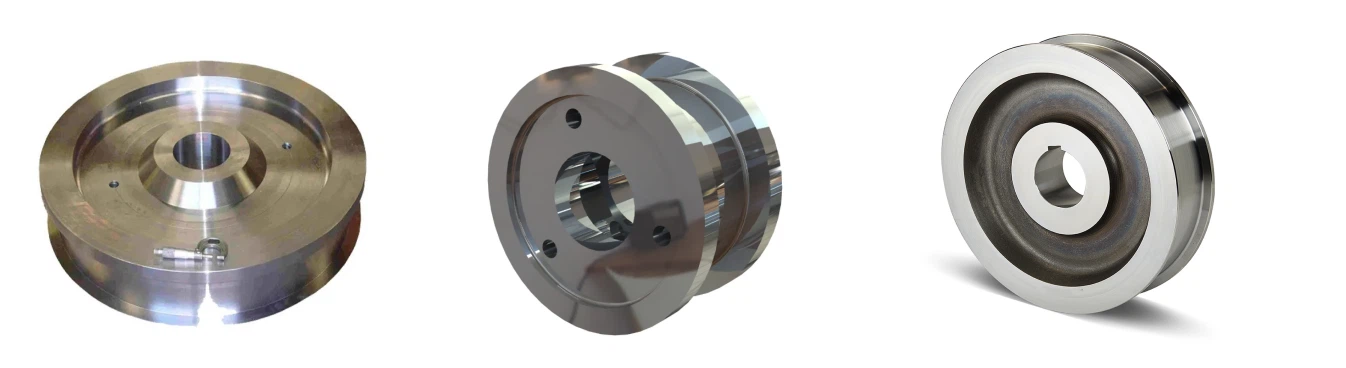
Rubber-Tired Wheels: Heavy-duty pneumatic or solid tires for smooth movement on docks/shipyards. Some models offer 360° steering for tight spaces.
Drive Motors: Electric or hydraulic motors powering wheel movement, often with variable speed control.
Track/Rail Options: Alternative to wheels for fixed-path operations (e.g., rail-mounted gantries).
4. Power & Control Systems
Hydraulic Power Pack: Drives lifting and mobility functions in hydraulic models.
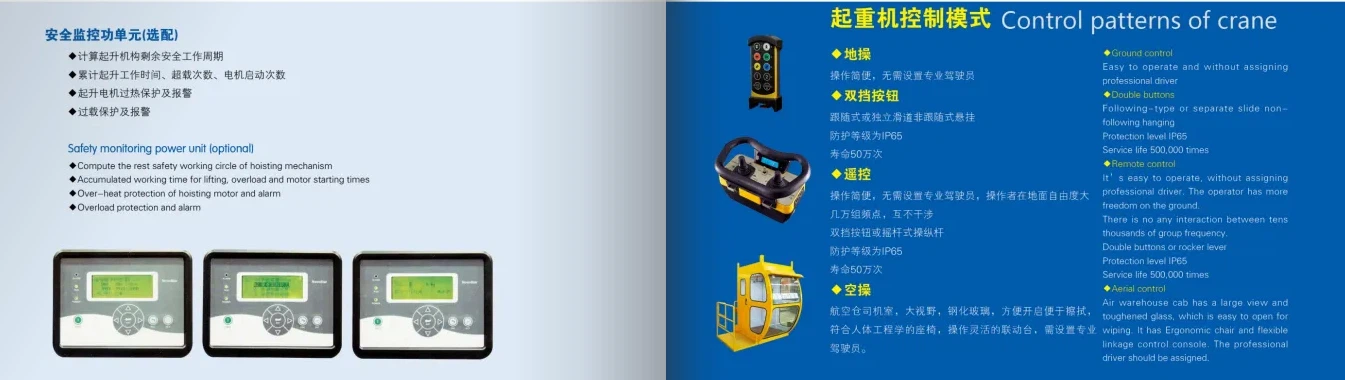
Control Panel: Remote-operated (radio/wired) or cabin-mounted with joysticks for hoist/travel control. Advanced systems include load-limiting sensors and emergency stops.
Battery/Hybrid Systems: Eco-friendly options like battery-powered or hybrid diesel-electric drives (e.g., Konecranes RTG models).

5. Safety Features
Load Cells: Real-time weight monitoring to prevent overload.
Limit Switches: Automatic cutoffs for hoist height and gantry travel.
Anti-Sway Technology: Stabilizes loads during movement (critical for delicate boats).
Emergency Brakes: Fail-safe systems for power loss scenarios.
.

6. Optional Add-Ons
Charging Containers: For battery-powered units (e.g., Konecranes' hybrid RTGs).
Diagnostic Sensors: WiFi-enabled monitoring for maintenance alerts.
Customizable Spreaders: Adaptable for unique hull shapes (e.g., catamarans).
SKETCH
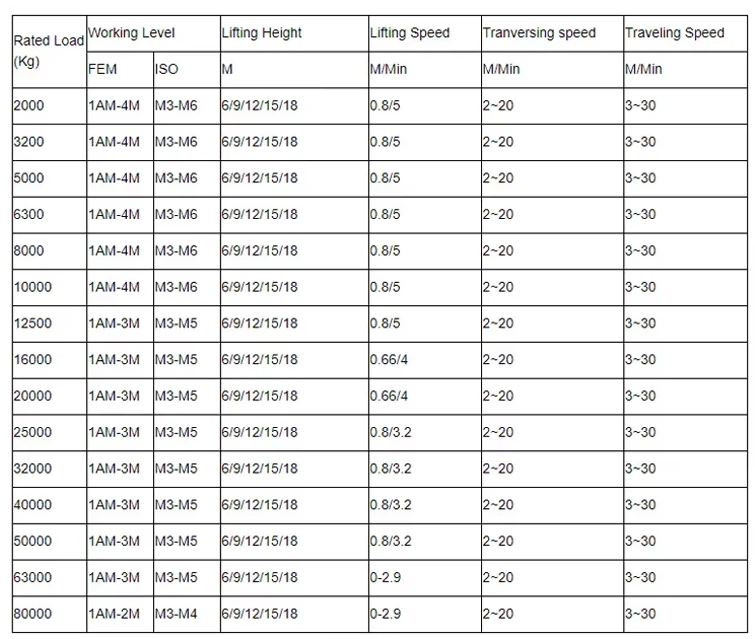
Main technical
Advantages
Small boat lifting gantry cranes offer a practical and efficient solution for handling small to medium-sized vessels (typically 1-20 tons). These cranes are widely used in marinas, boatyards, and waterfront facilities due to their versatility and cost-effectiveness. Below are their key advantages and applications.
Advantages of Mobile Boat Lift Gantry Cranes
Mobility & Flexibility
Equipped with rubber-tired wheels or rail systems, allowing easy relocation across docks, shipyards, or marinas.
Some models feature 360° steering for maneuvering in tight spaces.
High Load Capacity
Capable of lifting boats and yachts ranging from 30 to 1,200 tons, making them suitable for small recreational boats to large commercial vessels.
Precision & Safety
Advanced hydraulic-electric systems ensure smooth lifting and lowering, minimizing hull stress.
Integrated safety features like load cells, anti-sway technology, and emergency brakes enhance operational safety.
Eco-Friendly Options
Emerging hydrogen fuel cell-powered models (e.g., DP World's pilot RTG crane) reduce carbon emissions, emitting only steam during operation.
Cost-Efficiency
Eliminates the need for permanent slipways or dry docks, reducing infrastructure costs.
Modular designs allow customization for specific boat sizes, optimizing investment.
Application
Key Applications
Marine Maintenance & Repair
Used in shipyards to lift boats for hull inspections, painting, or engine repairs.
Port & Dock Operations
Facilitates loading/unloading of vessels in ports, especially where fixed cranes are impractical.
Yacht Clubs & Marinas
Ideal for seasonal boat storage, transferring vessels between water and storage racks.
Emergency Salvage
Deployed for recovering capsized or grounded boats due to their mobility and high capacity.
Hydropower Projects
Adapted for specialized tasks like the Three Gorges Project, where precision lifting of large structures was critical.
Crane production procedure
1. Design and Engineering
Requirement Analysis
Understand the client's specifications (load capacity, span, height, working environment, etc.).
Determine operational parameters: lifting height, travel speed, working frequency, etc.
Preliminary Design
Create conceptual designs and 3D models.
Choose materials based on strength and environmental conditions.
Detailed Engineering
Develop detailed engineering drawings (structural components, mechanisms, electrical systems).
Perform stress and fatigue analysis to ensure safety.
2. Material Procurement
Source high-quality materials, including:
Steel plates and profiles for structural components.
Motors, gearboxes, and other mechanical parts.
Electrical systems and control components.
Inspect materials to ensure compliance with quality standards.
3. Fabrication
Structural Component Fabrication
Cut, weld, and assemble the steel structures (main girder, cantilever arms, legs, etc.).
Ensure precise alignment and dimensions.
Perform surface treatment (e.g., shot blasting, painting) for corrosion protection.
Mechanical Assembly
Assemble mechanical parts (trolley, hoist, wheels, etc.).
Install motors, gearboxes, and drive systems.
Electrical Assembly
Install electrical components (control panels, cables, sensors).
Wire and connect the system to ensure functionality.
4. Quality Inspection
Material Inspection
Verify material certification and conduct tests (e.g., tensile tests).
Structural Inspection
Inspect weld quality (e.g., ultrasonic testing).
Ensure dimensional accuracy and surface finishing.
Assembly Inspection
Check alignment and functionality of all parts (mechanical and electrical).
Load Testing
Conduct static and dynamic load tests to ensure safe operation.
5. Factory Acceptance Testing (FAT)
Conduct a comprehensive trial run, including:
Full load and overload tests.
Functionality of all safety devices (e.g., limit switches, emergency brakes).
Smooth operation of trolley, hoist, and crane travel.
Document results and obtain client approval.
6. Disassembly and Packing
Disassemble the crane into transportable sections.
Pack components securely to prevent damage during transportation.
Label and prepare a packing list for efficient reassembly.
7. Transportation
Deliver the crane components to the installation site using appropriate transportation methods.
8. Installation and Commissioning
On-Site Assembly
Assemble structural components and mechanical systems.
Install electrical systems and control panels.
Calibration and Testing
Recalibrate the crane system for site-specific conditions.
Perform on-site load testing to verify performance.
9. Handover
Provide training to the client's personnel on safe operation and maintenance.
Deliver technical documentation (user manual, maintenance guide, certificates).
Obtain final approval and acceptance from the client.
10. After-Sales Support
Offer warranty services and maintenance support.
Provide spare parts and technical assistance as needed.

Workshop view:
The company has installed an intelligent equipment management platform, and has installed 310 sets (sets) of handling and welding robots. After the completion of the plan, there will be more than 500 sets (sets), and the equipment networking rate will reach 95%. 32 welding lines have been put into use, 50 are planned to be installed, and the automation rate of the entire product line has reached 85%.




Hot Tags: mobile boat lift gantry crane, China mobile boat lift gantry crane manufacturers, suppliers, factory
You Might Also Like


Send Inquiry