







600t Mobile Boat Hoist
Products Description
A 600t mobile boat hoist is a heavy-duty lifting system designed to handle boats and marine vessels weighing up to 600 metric tons (approximately 1.32 million lbs). These hoists are used in shipyards, marinas, and naval facilities for lifting, moving, and launching large vessels.
Key Features of a 600t Mobile Boat Hoist:
High Load Capacity – Can lift boats, yachts, and ships up to 600 tons.
Mobility – Equipped with wheels or tracks for easy movement around dry docks or shipyards.
Adjustable Straps/Spreader Bars – Ensures balanced lifting without damaging the hull.
Hydraulic or Electric Operation – Provides smooth and controlled lifting.
Stability & Safety Systems – Includes load sensors, emergency brakes, and anti-tipping mechanisms.
Versatility – Can handle different vessel sizes and shapes with adjustable lifting points.
Comparison: Boat Lifting Gantry vs. Travelift
| Feature | Gantry Crane | Travelift |
|---|---|---|
| Mobility | Fixed or mobile | Always mobile (tires) |
| Capacity | Up to 200+ tons | Typically 25–100 tons |
| Cost | Lower (no pit needed) | Higher (requires pit) |
| Installation | Minimal foundation | Needs reinforced dock |
| Versatility | Adjustable for any boat | Limited to boat size |
Choosing the Right Boat Gantry Crane
| Factor | Consideration |
|---|---|
| Boat Weight | Select a crane with 20–30% more capacity than the max boat weight. |
| Boat Size | Ensure the span and height fit the boat's dimensions. |
| Environment | Stainless steel for saltwater resistance. |
| Mobility Needs | Fixed (permanent) vs. mobile (flexible). |
| Power Source | Electric (indoor) or diesel/hydraulic (outdoor). |
Lifting Capacity 600 tons
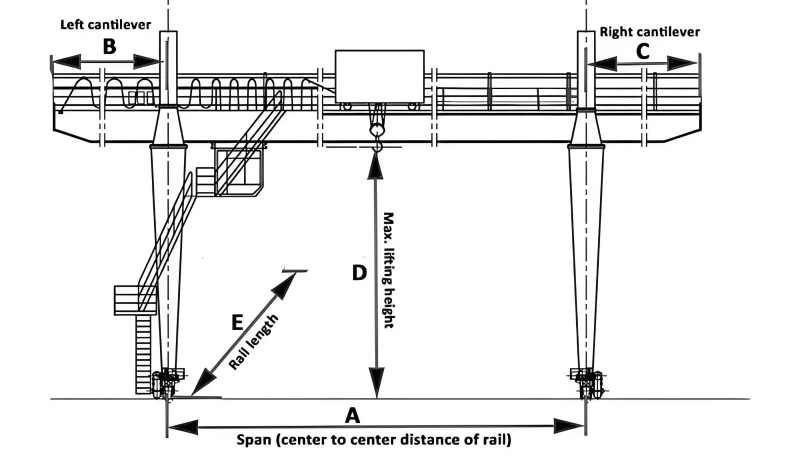
Span (Width) 3 - 12 meters (adjustable)
Lifting Height 3 - 10 meters
Working Class A3-A5 (light to medium duty)
Hoisting Speed 0.5 - 8 m/min (variable)
Main Beam Type Single/double girder (box-type)
Power Supply 220V/380V 3-phase or manual
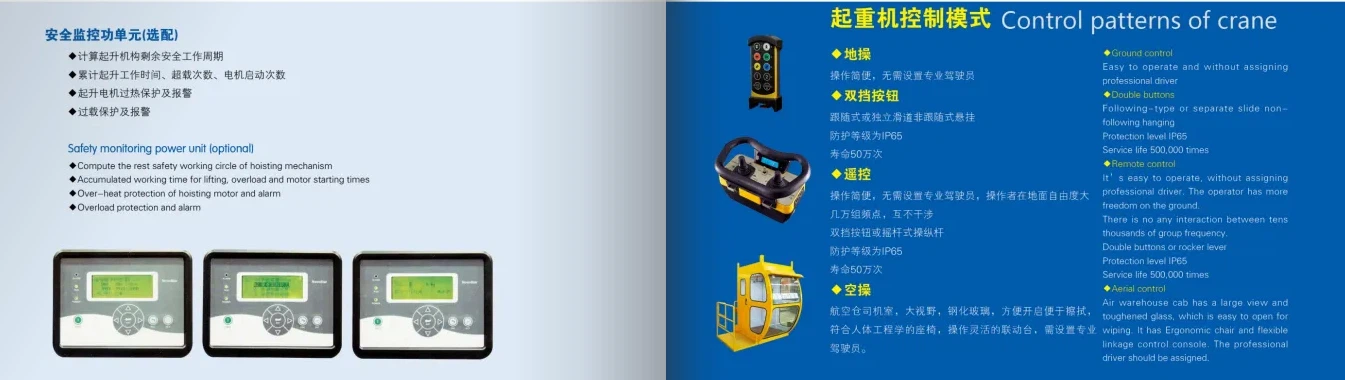
Control Mode Pendant control/wireless remote
Hoist Type Electric chain hoist/wire rope hoist
Travel Drive Manual push or motorized
Corrosion Protection Hot-dip galvanized or marine-grade paint
Wind Resistance Up to Beaufort scale 6 (for outdoor use)
Operating Temp -20°C to +50°C

Pictures & Components
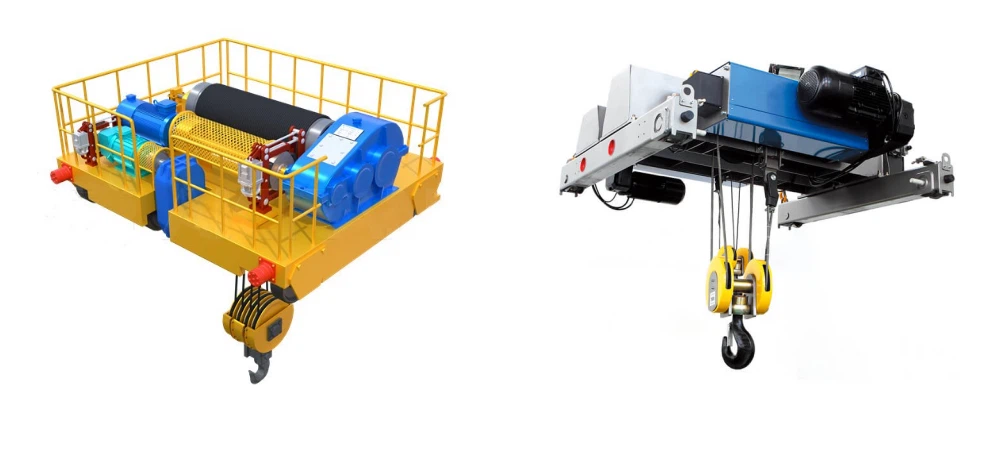
A 600-ton mobile boat hoist is a heavy-duty lifting system used in shipyards, marinas, and naval bases to lift and transport large vessels for maintenance, repair, or storage. Below are the key components typically found in such a hoist:
Structural Components
Main Beam/Girder – The primary load-bearing structure that spans the width of the boat hoist, supporting the lifting mechanism.
End Carriages/Frames – Steel structures on either side that house wheels or tracks for mobility.
Cross Beams/Spreaders – Provide lateral stability and distribute the load evenly.
Outriggers/Stabilizers – Extendable supports to enhance stability during lifting operations.
Mobility System
Wheels/Tires – Heavy-duty pneumatic or solid rubber wheels for movement.
Rail/Track System – Some hoists move on fixed rails for precise positioning.
Drive Motors – Electric or hydraulic motors powering the movement.
Steering Mechanism – Allows directional control (manual or remote-operated).

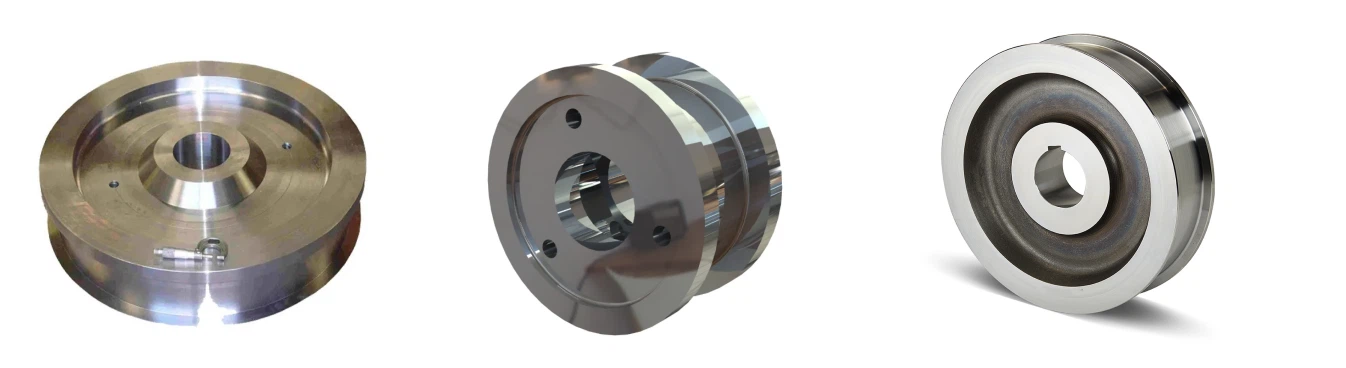
Lifting Mechanism
Hydraulic Cylinders – High-capacity cylinders that provide the lifting force (often synchronized for even lifting).
Wire Ropes & Pulleys – Used in some designs for lifting via winches.
Lifting Straps/Cradles – Adjustable nylon or steel straps/chains that cradle the hull of the vessel.
Spreaders or Equalizing Beams – Ensure balanced load distribution.

Power & Control System
Hydraulic Power Unit (HPU) – Provides pressurized fluid to the hydraulic cylinders.
Control Panel – Operator interface (can be pendant, joystick, or wireless remote).
Sensors & Limit Switches – Prevent overloading and ensure synchronization.
Emergency Stop System – Safety cutoff in case of malfunction.

Optional Accessories
Vessel Support Pads – Adjustable supports to fit different hull shapes.
Laser Alignment System – Ensures precise positioning of the boat.
Remote Monitoring – IoT-enabled diagnostics for maintenance tracking.
Weather Protection – Covers or enclosures for outdoor use.

Safety Features
Load Cells/Weighing System – Monitors the lifted weight in real time.
Braking System – Mechanical or hydraulic brakes to secure the hoist when stationary.
Anti-Sway System – Reduces swinging of the load during movement.
Overload Protection – Prevents operation beyond rated capacity.
SKETCH
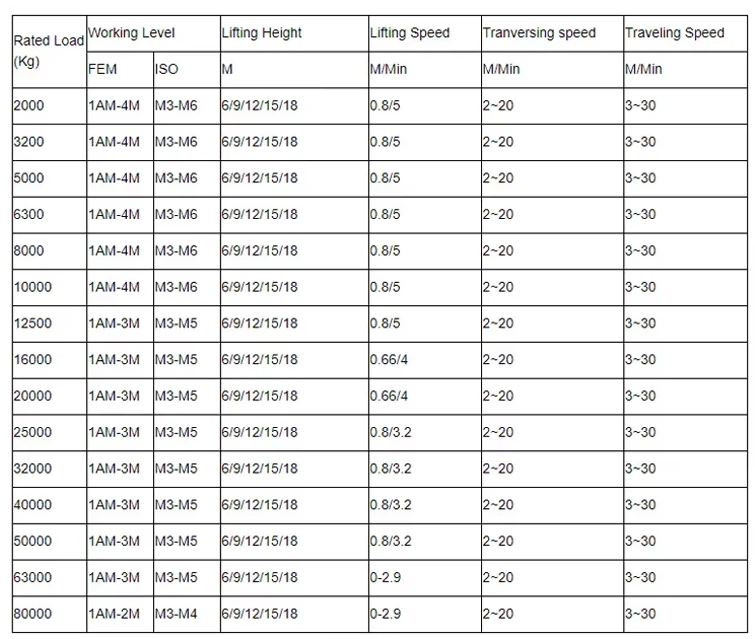
Main technical
Advantages
A 600t mobile boat hoist is a heavy-duty lifting system designed for moving large vessels, such as yachts, ships, and military boats, in shipyards, marinas, and repair facilities. Here are its key advantages:
1. High Lifting Capacity
Can handle vessels up to 600 metric tons, making it suitable for large boats, mega yachts, and small ships.
Reduces the need for multiple lifts or specialized equipment.
2. Mobility & Flexibility
Equipped with wheeled or rail-based systems for easy movement around dry docks or shipyards.
Allows for quick repositioning without requiring fixed infrastructure like cranes or synchro lifts.
3. Space Efficiency
Eliminates the need for pits or permanent structures, saving valuable dock space.
Ideal for facilities with limited space or those requiring multi-purpose use.
4. Faster Operation
Enables quick lifting and launching compared to traditional dry docks or slipways.
Reduces vessel downtime, improving efficiency in maintenance and repair operations.
5. Versatility
Can handle different hull shapes and sizes with adjustable lifting straps or cradles.
Suitable for commercial, military, and recreational vessels.
6. Cost-Effective
Lower installation costs compared to fixed dry docks or ship lifts.
Requires less maintenance than submerged systems (e.g., floating docks).
7. Improved Safety
Stable lifting mechanism minimizes the risk of vessel damage.
Advanced load monitoring and synchronization ensure balanced lifting.
8. Reduced Environmental Impact
No need for dredging or water-based infrastructure.
Lower energy consumption compared to some traditional lifting methods.
A 600t mobile boat hoist offers high capacity, flexibility, and efficiency, making it a superior choice for modern shipyards and marine facilities that need to handle large vessels with speed and precision.
Application
A 600t mobile boat hoist is a heavy-duty lifting system designed for moving large vessels, such as ships, yachts, and submarines, in shipyards, dry docks, and marine repair facilities. Here's an overview of its key applications and features:
Applications of a 600t Mobile Boat Hoist
Shipyard Operations
Launching and retrieving large boats/ships from water.
Transporting vessels between dry docks and work areas.
Facilitating hull inspections, repairs, and maintenance.
Dry Dock & Repair Facilities
Lifting ships out of the water for servicing, painting, or retrofitting.
Handling naval vessels, commercial ships, and mega-yachts.
Marine Construction
Installing or removing large floating structures (e.g., pontoons, barges).
Assisting in offshore platform maintenance.
Military & Naval Applications
Handling submarines, patrol boats, and other naval vessels.
Supporting rapid deployment and retrieval operations.
Port & Harbor Maintenance
Moving damaged or stranded vessels for repair.
Assisting in salvage operations.
Crane production process
The production process of a 600t mobile boat hoist crane involves several key stages, from design and material procurement to fabrication, assembly, testing, and delivery. Below is a detailed breakdown of the manufacturing process:
1. Design & Engineering
Requirements Analysis: Determine lifting capacity (600t), span, height, mobility needs, and environmental conditions (e.g., marine corrosion resistance).
CAD Modeling: Create 3D designs for structural components, hydraulic/pneumatic systems, and electrical controls.
Simulation & FEA: Perform Finite Element Analysis (FEA) to validate stress distribution, stability, and safety margins.
Regulatory Compliance: Ensure adherence to standards like ISO, OSHA, DNV/GL (for marine applications), or CMAA (Crane Manufacturers Association of America).
2. Material Procurement
Structural Steel: High-grade steel (e.g., Q345B or ASTM A572) for booms, girders, and outriggers.
Hydraulic Components: Pumps, cylinders, valves, and hoses rated for heavy loads.
Electrical Systems: Motors, PLCs, sensors, and explosion-proof components (if for hazardous zones).
Corrosion Protection: Stainless steel/aluminum for marine environments, with coatings (e.g., galvanization, epoxy paint).
3. Fabrication of Major Components
A. Structural Fabrication
Boom/Gantry: Cut steel plates/beams via CNC machines, weld segments (using submerged arc welding for durability), and stress-relieve welds.
Base Chassis: Fabricate a reinforced mobile platform with outriggers for stability.
Trolley & Hoist Mechanism: Build the trolley frame and integrate wire ropes/chains (600t-capacity).
B. Mechanical Systems
Hydraulic System: Assemble pumps, cylinders, and control valves to manage lifting/lowering.
Drive System: Install wheels/tracks (for mobility) with planetary gear reducers and brakes.
C. Electrical & Control Systems
Power Supply: Fit heavy-duty generators or electric motors (e.g., 400V/50Hz or 480V/60Hz).
Control Panel: Program PLCs for load monitoring, anti-sway, and overload protection.
Remote Control: Optional wireless/wired pendant for operator safety.
4. Assembly
Structural Integration: Mount the boom/gantry onto the chassis using high-strength bolts/pins.
Mechanical Installation: Attach hoists, winches, and hydraulic systems.
Electrical Wiring: Connect sensors, control panels, and power sources.
Safety Features: Install limit switches, anemometers (for wind speed), and emergency stop systems.
5. Testing & Quality Control
Load Testing:
Static Test: Lift 1.25× rated load (750t) and hold for 10+ minutes to check deformations.
Dynamic Test: Perform repeated lifts at 100% capacity (600t) to verify stability.
Functional Tests: Verify hydraulic/electrical systems, braking, and emergency protocols.
Non-Destructive Testing (NDT): Ultrasonic/X-ray welding inspections, magnetic particle tests.
6. Surface Treatment & Painting
Sandblasting: Clean surfaces to remove rust/impurities.
Priming & Painting: Apply anti-corrosion coatings (e.g., zinc-rich primer + polyurethane topcoat).
7. Delivery & Installation
Transport: Disassemble if oversized, then ship to the dockyard/marina.
On-Site Assembly: Reassemble and conduct final operational checks.
Operator Training: Train end-users on controls, maintenance, and safety procedures.
8. Documentation & Certification
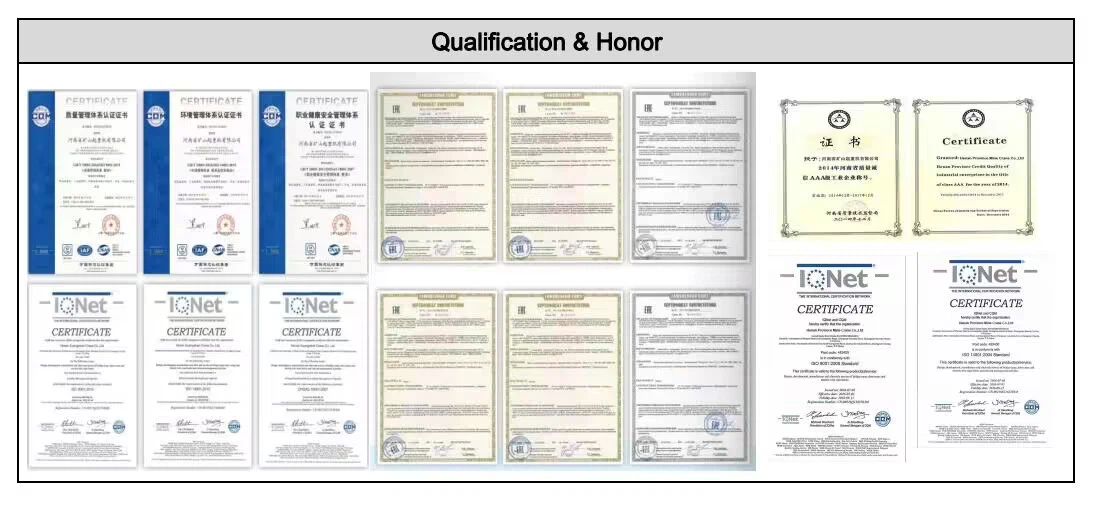
Provide manuals (operation, maintenance), test reports, and certificates (CE, ISO, etc.).

Workshop view:
The company has installed an intelligent equipment management platform, and has installed 310 sets (sets) of handling and welding robots. After the completion of the plan, there will be more than 500 sets (sets), and the equipment networking rate will reach 95%. 32 welding lines have been put into use, 50 are planned to be installed, and the automation rate of the entire product line has reached 85%.



Hot Tags: 600t mobile boat hoist, China 600t mobile boat hoist manufacturers, suppliers, factory
You Might Also Like



Send Inquiry