









QPQ Gate Hoist
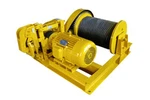
QPQ series electric winch is specially designed for lifting gates. The dam gate winches use wire rope as the lifting device, which is connected to the gate, and the drum winds and releases the wire rope through the gear transmission system to drive the lifting and lowering of the gate.
Send Inquiry
Product Introduction
QPQ series electric winch is specially designed for lifting gates. The dam gate winches use wire rope as the lifting device, which is connected to the gate, and the drum winds and releases the wire rope through the gear transmission system to drive the lifting and lowering of the gate.
Key Features
- Load Capacity: QPQ gate hoists are designed to handle heavy loads, typically ranging from several tons to several hundred tons or more, depending on the application.
- Corrosion Resistance: The use of corrosion-resistant materials and coatings helps protect the hoist from corrosion caused by exposure to water and environmental elements.
- Precision Control: Gate hoists are equipped with precise control systems that allow operators to lift and lower gates with great accuracy. This is essential for controlling water flow and maintaining the integrity of hydraulic structures.
- Durability: QPQ gate hoists are designed to have a long operational lifespan with minimal maintenance requirements. This is critical for ensuring the continued functionality of hydraulic structures.
- Customization: We often offer customization options to meet the specific requirements of different projects. This may include variations in load capacity, hoist speed, and control systems.
- Ease of Maintenance: QPQ gate hoists may incorporate features that simplify maintenance tasks, such as easily accessible components, diagnostic systems, and maintenance alerts.

Parts & Components
A QPQ gate hoist is a complex piece of equipment designed to lift and control heavy gates in hydraulic structures like dams, sluice gates, and flood control systems. These hoists consist of various parts and components working together to ensure reliable and precise operation:
- Hoist Drum: The hoist drum is a cylindrical component around which the hoist cable or wire rope is wound. It is responsible for lifting and lowering the gate. The drum's size and design depend on the hoist's load capacity.
- Wire Rope: The wire rope or cable is wound around the hoist drum. It is the primary means of lifting and controlling the gate. These are typically made of high-strength materials to handle heavy loads.
- Electric Motor: An electric motor provides the power needed to turn the hoist drum and lift or lower the gate. The motor's capacity and design depend on the hoist's load requirements.
- Reducer: The reducer is used to transmit power from the electric motor to the hoist drum. It allows for precise control of the hoist's movements.
- Brakes: Hoist brakes are essential safety components. They ensure that the gate remains stationary when not in operation and provide emergency stopping capabilities when necessary.
- Control Panel: The control panel houses the electrical controls and interface for the operator to control the hoist. It includes buttons, switches, and sometimes a touchscreen interface for precise control.
- Safety Features: These may include emergency stop buttons, limit Switch overload protection systems, safety interlocks, and sensors to detect abnormal conditions.
- Frame or Steel Base: The hoist is mounted on a sturdy structural frame or base, which provides stability and support for the hoist's components.
- Power Supply: The hoist requires a power supply, and wiring connects the electrical components to the control panel and motor.

Sketch

Technical Parameter

Advantages
- Our QPQ gate hoists offer several advantages in various industrial applications, particularly in the management of heavy gates in hydraulic structures. These advantages make them a preferred choice for projects where precision control, reliability, and durability are essential.
- Corrosion Resistance: Our QPQ gate hoist enhances the corrosion resistance of critical components, such as the hoist drum and load-bearing parts. This is particularly important in environments where the equipment is exposed to water and harsh weather conditions, as it helps extend the hoist's operational lifespan.
- High Load Capacity: QPQ gate hoists are designed to handle heavy loads, making them suitable for lifting and controlling large gates used in dams, sluice gates, and flood control systems.
- Precise Control: These hoists are equipped with advanced control systems that allow for precise and fine-tuned control of the gate's movement. This precision is essential for maintaining water flow and ensuring the safety and integrity of hydraulic structures.
- Durability & Reliability: Our QPQ gate hoists are known for their reliability. They are designed to operate consistently in demanding conditions, ensuring that gates can be controlled effectively when needed. Also, the use of high-strength materials allows these hoists to withstand the stresses and loads encountered during regular operation, reducing maintenance and downtime.
- Safety: Safety features are often integrated into QPQ gate hoists, including emergency stop buttons, overload protection systems, and safety interlocks. These features help prevent accidents and protect both personnel and equipment.
- Ease of Maintenance: Our QPQ gate hoists are designed with maintenance in mind, featuring easily accessible components, diagnostic systems, and maintenance alerts to simplify upkeep.

Application
- Dams: QPQ gate hoists are widely used in dams to control the flow of water. They are responsible for lifting and lowering spillway gates, radial gates, and other types of gates used in dam operations. The precise control of these gates helps regulate water levels, release water downstream, and prevent flooding.
- Sluice Gates: Sluice gates are used in water treatment plants, wastewater treatment facilities, and various industrial processes. QPQ gate hoists are employed to lift and lower these gates to control the flow of water or other fluids.
- Flood Control Systems: In flood-prone areas, QPQ gate hoists are installed as a part of flood control systems. These hoists allow for the quick and accurate management of floodgates to protect communities and infrastructure from rising water levels.
- Irrigation Systems: Agricultural irrigation systems often use QPQ gate hoists to control the flow of water to fields. These hoists ensure precise distribution of water, optimizing crop growth and water usage.
- Hydropower Plants: In hydropower plants, QPQ gate hoists are used to control penstock gates and outlet gates. The precise operation of these gates is crucial for power generation and regulating water flow through turbines.
- Water Treatment Plants: QPQ gate hoists are used in water treatment facilities to control the opening and closing of gates and valves for processes like sedimentation and filtration.

Production Procedure
- Design: The process begins with the design and engineering of the gate hoist. Engineers create detailed specifications, including load capacity, dimensions, and performance requirements, based on the intended application.
- Material Selection: High-strength and corrosion-resistant materials are chosen for the construction of critical components like the hoist drum, load-bearing parts, and other relevant components.
- Component Manufacturing: The various components of the gate hoist are manufactured according to the design specifications. These components include the hoist drum, wire rope or cable, electric motor, gearbox, brakes, bearings, structural frame, and more.
- Quality Control: Strict quality control measures are implemented throughout the production procedure. This includes dimensional checks, hardness testing, and surface finish inspections to ensure that the components meet the required specifications.
- Assembly: Once the QPQ-treated components pass quality control, they are assembled into the gate hoist. This includes fitting the hoist drum, wire rope or cable, electric motor, gearbox, brakes, bearings, and other necessary components onto a structural frame or base.
- Electrical and Control System Integration: If the gate hoist is motorized and equipped with a control system, the electrical components and control panel are integrated into the assembly. This includes wiring, control interfaces, and safety features.
- Testing and Calibration: The fully assembled gate hoist undergoes comprehensive testing and calibration. This ensures that it operates smoothly, safely, and according to the specified parameters. It may involve load testing to confirm its load-bearing capacity.
- Surface Protection and Coating: To further protect the hoist from corrosion, some components may receive additional surface coatings or treatments, depending on the environmental conditions it will be exposed to.
- Documentation and Certification: Documentation, including user manuals, maintenance instructions, and certifications, is prepared to accompany the gate hoist when it is delivered to the customer.
- Shipping and Installation: The gate hoist is packaged and prepared for shipping to its destination. Upon arrival, it is installed and integrated into the hydraulic structure for which it was designed.
- Maintenance and Support: After installation, the manufacturer may provide ongoing maintenance support and services to ensure the continued reliable operation of the gate hoist.

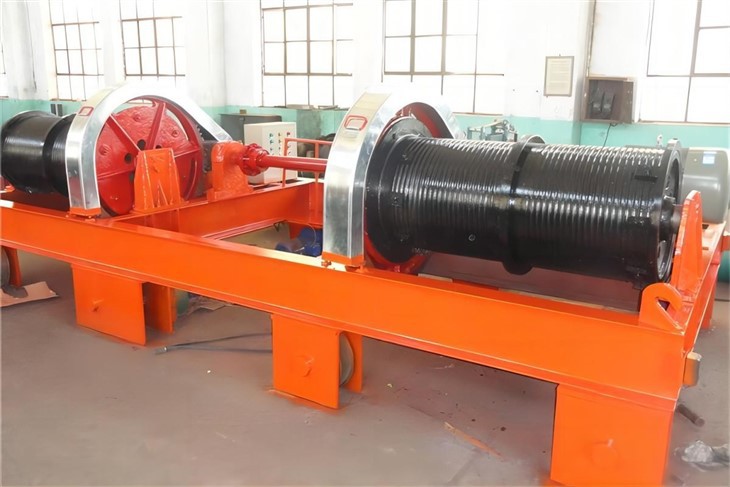
Workshop View


Hot Tags: qpq gate hoist, China qpq gate hoist manufacturers, suppliers, factory
Previous
QPQ Electric WinchNext
Gate HoistsYou Might Also Like


Send Inquiry