










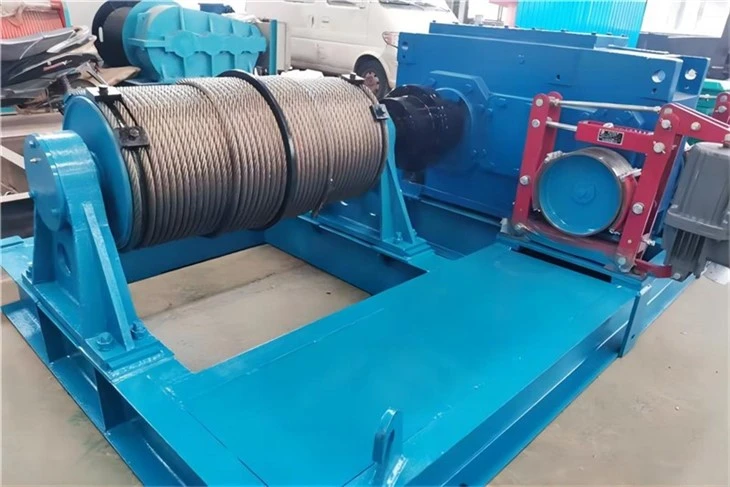

Gate Hoists
A gate hoist is an essential piece of equipment used in various industries and applications to lift, lower, and position heavy gates or barriers. Whether you're in the field of agriculture, construction, water management, or any industry requiring controlled gate movement, a gate hoist plays a crucial role in ensuring smooth operation and efficient control.
Key Features
● Robust Construction: Our gate hoists are built with high-quality materials, ensuring durability and longevity. They can withstand harsh environmental conditions, making them suitable for outdoor and industrial use.
● Precision Control: The gate hoist is equipped with advanced control mechanisms, allowing for precise positioning and operation. This precision is essential for managing water flow, flood control, irrigation, and other critical applications.
● Versatile Design: Our gate hoists are adaptable to various gate types, including slide gates, swing gates, and radial gates. This versatility makes them suitable for a wide range of applications.
● Safety Features: Safety is a top priority. Our gate hoists come with safety features such as limit switches, emergency stop buttons, and overload protection, ensuring the protection of personnel and equipment.
● Ease of Installation: Designed for easy installation and maintenance, our gate hoists come with comprehensive installation instructions and are backed by responsive customer support.

Parts & Components
A gate hoist is a complex piece of machinery designed to lift, lower, and control gates or barriers in various industrial and infrastructure applications. It comprises several essential parts and components that work together to ensure smooth and precise gate operation. Here are the key parts and components of a typical gate hoist:
● Hoist Mechanism: The hoist mechanism is the core component responsible for lifting and lowering the gate. It typically consists of a motor, gearbox, and drum or pulley system. The motor provides the power needed to operate the hoist, while the gearbox ensures the appropriate torque and speed for gate movement.
● Drum or Pulley: The drum or pulley is a rotating component around which the hoist cable or chain is wound. As the drum or pulley rotates, it raises or lowers the gate. The design and size of the drum or pulley depend on the gate's weight and the desired lifting capacity.
● Gate Attachment: This is the point where the gate is connected to the hoist system. Depending on the gate type (e.g., slide gate, swing gate, radial gate), the attachment may include brackets, hinges, or other mounting hardware to secure the gate to the hoist.
● Control System: The control system is responsible for managing the operation of the gate hoist. It includes various components such as:
● Control Panel: The control panel houses the user interface, which may consist of buttons, switches, and a display screen for controlling the hoist's direction, speed, and other parameters.
■ Limit Switches: Limit switches are safety devices that detect the gate's upper and lower limits of travel. They prevent overtravel and ensure that the gate stops at the desired positions.
■ Emergency Stop: An emergency stop button is a critical safety feature that allows immediate halting of the hoist operation in case of emergencies or safety concerns.
● Power Supply: The gate hoist requires a power source to operate. This can be electrical power, hydraulic power, or pneumatic power, depending on the hoist's design and application. Electrical motors are commonly used in many gate hoists.
● Frame and Mounting Structure: The frame of the gate hoist provides support and stability for the entire system. It is typically mounted to a concrete foundation or a secure structure.
● Enclosure and Weatherproofing: Gate hoists used in outdoor or harsh environments may have protective enclosures and weatherproofing to shield the components from environmental factors such as moisture, dust, and extreme temperatures.

Sketch

Technical Parameter

Advantages
- Precision Control: Gate hoists provide precise control over the positioning and movement of gates. This level of control is crucial in applications where accurate gate positioning is essential, such as managing water flow in irrigation systems, dams, or flood control.
- Operational Efficiency: Gate hoists streamline the process of opening and closing gates, reducing the need for manual labor. This leads to increased operational efficiency and can save time and labor costs.
- Safety: Gate hoists are equipped with various safety features, including limit switches, emergency stop buttons, and overload protection mechanisms. These features help ensure the safety of personnel and equipment during gate operations.
- Customization: Gate hoists can be customized to meet specific requirements, including gate size, weight, and operational needs. This versatility makes them suitable for a wide range of gate types and applications.
- Cost Savings: By automating gate operations and reducing the reliance on manual labor, gate hoists can lead to significant cost savings over time. This includes savings on labor costs, maintenance, and operational efficiency improvements.
- Durability: Gate hoists are built with robust materials and construction, making them durable and capable of withstanding harsh environmental conditions. This durability ensures a longer service life and minimizes downtime.
- Versatility: Gate hoists are adaptable to various gate types, including slide gates, swing gates, and radial gates. This versatility makes them suitable for applications in agriculture, construction, water management, and more.
- Environmental Impact: Gate hoists can contribute to environmental sustainability by enabling efficient water management and control. They can help conserve water resources and reduce the risk of flooding in flood control applications.
- Reliability: When properly maintained, gate hoists are highly reliable and can perform consistently over an extended period. This reliability is essential in critical applications such as flood control and infrastructure management.

Application
Gate hoists find application in various industries and scenarios where controlled gate movement is essential. These versatile systems are used to lift, lower, and manage gates, offering precise control, enhanced safety, and operational efficiency.
● Water Management:
■ Irrigation: Gate hoists control water flow in irrigation systems, allowing farmers to efficiently distribute water to crops, ensuring optimal growth and yield.
■ Flood Control: In flood-prone areas, gate hoists are used to manage water levels in dams, reservoirs, and river channels to prevent flooding during heavy rainfall.
■ Water Treatment Plants: Gate hoists help regulate the flow of water and wastewater in treatment facilities, ensuring proper treatment processes.
● Hydropower Generation:
■ Dams and Hydroelectric Power Plants: Gate hoists are critical for controlling the flow of water through turbines to generate electricity in hydropower plants.
● Navigation and Shipping:
■ Navigation Locks: In canals and waterways, gate hoists are used to control the water levels in navigation locks, allowing vessels to move through different water levels safely.
■ Maritime Ports: Gate hoists may be employed to manage the water levels in harbor gates and port facilities, facilitating the movement of ships and cargo.
● Environmental Control:
■ Tidal Barrages: Gate hoists are used in tidal energy projects and tidal barrages to control the flow of water and harness energy from tides.
■ Storm Surge Barriers: In coastal areas, gate hoists can be part of storm surge barriers that protect against flooding during severe weather events.

Production Procedure
● Design and Engineering:
■ Define the specific requirements and application of the gate hoist.
■ Develop detailed design plans and specifications, including load capacity, size, and operational parameters.
■ Perform structural and mechanical engineering calculations to ensure the hoist can meet the required performance standards.
● Material Selection:
■ Choose materials that meet the desired strength, durability, and corrosion resistance criteria. Common materials include steel, stainless steel, and aluminum.
■ Source high-quality materials from trusted suppliers.
● Fabrication and Machining:
■ Cut, shape, and machine the selected materials to create the various components of the gate hoist, such as frames, brackets, drums, and pulleys.
■ Use precision machining techniques to ensure accurate dimensions and smooth operation.
● Assembly and Integration:
■ Assemble all the mechanical, electrical, and hydraulic/pneumatic components to form a complete gate hoist system.
■ Ensure proper alignment and fit of all parts.
● Quality Control and Testing:
■ Conduct rigorous quality control inspections at each production stage to ensure components meet design specifications.
■ Perform functional testing to verify the gate hoist's operation, including load testing, speed control, and safety features.
● Painting and Coating:
■ Apply protective coatings to the gate hoist components to prevent corrosion and enhance durability.
■ Ensure the coatings are suitable for the intended environment, whether indoor or outdoor.
● Documentation and Manuals:
■ Prepare detailed documentation, including user manuals, maintenance instructions, and electrical schematics.
■ Provide clear instructions for installation, operation, and maintenance.
● Installation and Commissioning (optional):
■ If required, provide on-site installation and commissioning services to ensure the gate hoist is set up and functioning correctly.
● Customer Training (optional):
■ Offer training to customers or end-users on the proper operation and maintenance of the gate hoist.
● After-Sales Support:
■ Provide ongoing customer support, including spare parts availability, maintenance services, and technical assistance.

Workshop View


Hot Tags: gate hoists, China gate hoists manufacturers, suppliers, factory
Previous
QPQ Electric WinchNext
No InformationYou Might Also Like


Send Inquiry