







Outdoor Electric Winch
An outdoor electric winch is a powerful and versatile tool designed to help with pulling, lifting, and towing heavy loads in outdoor environments. Typically used for off-road vehicles, boats, construction, or other demanding outdoor activities, these winches provide an efficient solution for various tasks. Here's an introduction to its key features and benefits:
Key Features:
- Powerful Motor: The winch is powered by a heavy-duty electric motor that ensures quick and efficient pulling or lifting of heavy loads. It is often powered by the vehicle's battery or a separate power source.
- Durable Construction: Built to withstand harsh weather conditions, outdoor electric winches are typically constructed from corrosion-resistant materials, such as steel or aluminum, to ensure longevity and reliability in rugged environments.
- High Load Capacity: Most electric winches are designed to handle loads ranging from a few thousand pounds to several tons, making them suitable for off-road recovery, boat docking, and other heavy lifting tasks.
- Remote Control Operation: Many outdoor electric winches come with a wireless or wired remote control for ease of use, allowing the operator to control the winch from a safe distance.
- Heavy-Duty Cable or Synthetic Rope: The winch comes with a strong steel cable or synthetic rope, which is used to pull the load. Synthetic rope is often preferred for its light weight and ease of handling, while steel cables are more durable for harsh conditions.
- Auto Braking System: Most winches are equipped with an automatic braking system that ensures safety by stopping the winch once the load has been secured or when the motor is turned off.
- Compact and Efficient Design: Despite their heavy-duty capabilities, these winches are designed to be compact, allowing for easy installation on vehicles like trucks, Jeeps, ATVs, boats, or even as standalone units in various industries.
Capacity: 1-1200ton
Rope length: 6-2500m
Lifting height:customized according to clients' site conditions
Raged voltage: 220V~690V, 50-60Hz, 3ph AC
Protection class: IP54 IP55
Crane control mode: Pendantcontrol / Remote control / Cabin control

Pictures & Components
1. Whole set winch components
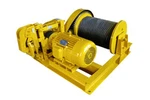
The complete set of components for an outdoor electric winch typically includes the following parts:
Electric Motor: The power source of the winch, responsible for providing the necessary force to pull or lift the load.
Drum: A spool or cylinder that holds the winch rope or cable. It rotates to wind or unwind the cable.
Cable or Rope: The material that carries the load. This could be either steel cable or synthetic rope, depending on the winch's specifications and intended use.
Gearbox: The system that transfers power from the electric motor to the drum, adjusting the speed and torque of the winch.
Brake System: Prevents the load from slipping or free-spooling. There are typically manual or automatic braking systems that engage when the motor is turned off or when there is excessive load.
Controller: The remote or wired control used to operate the winch, allowing the user to manage its functions like pulling, lifting, or releasing the cable.
Fairlead: A guide for the rope or cable to prevent it from tangling or rubbing against other components. This is often made of metal or synthetic material and is located in front of the drum.
Mounting Plate or Frame: The structure that secures the winch to the vehicle or surface where it will be used.
Clutch: Used to disengage the drum from the motor to allow manual spooling of the rope or cable.
Wireless Remote (optional): In some models, a wireless remote allows for more convenient operation from a distance.
Power Supply: This could include battery packs or wiring that connects the winch to the vehicle's electrical system.
Overload Protection: A safety feature that prevents the winch from operating beyond its rated capacity, protecting both the winch and the user from damage.
These components together make up the full functionality of an outdoor electric winch, allowing it to handle tasks like vehicle recovery, lifting, or pulling heavy loads.

2. Limit switch safety device
A limit switch is an important safety device in outdoor electric winches, as it helps prevent damage and ensures the winch operates within its designated limits. Here's how it works and why it's important:
Function of the Limit Switch in an Outdoor Electric Winch:
- Prevent Over-travel: The limit switch automatically shuts off the winch when it reaches the maximum or minimum point of travel, preventing the rope or cable from being pulled out too far and potentially causing damage to the winch mechanism or the rope itself.
- Safety: It ensures that the winch operates safely by preventing the load from being hoisted too high or pulled in too far, which could cause structural damage to the winch or the load being lifted.
- Protection Against Mechanical Damage: The limit switch helps to stop the winch motor before it runs into mechanical failure caused by exceeding the physical limits of the winch's components, such as the cable spool or motor.
Types of Limit Switches in Electric Winches:
- Mechanical Limit Switches: These are typically operated by a physical mechanism, like a cam or lever that gets triggered when the winch reaches a predefined position.
- Electrical Limit Switches: These are more advanced and involve sensors that detect when the winch cable reaches a certain length or position, sending an electrical signal to shut off the winch motor.
- Rotary Limit Switches: These are common in electric winches and are used to limit the rotation of the winch drum to avoid over-spooling or under-spooling.
- Adjustable Limit Switches: Some winches allow you to adjust the point at which the limit switch activates, giving more flexibility for different applications.
Key Benefits of Limit Switches in Winches:
- Increased safety by preventing the winch from operating beyond its designed limits.
- Extended lifespan of the winch and its components by avoiding over-stress or mechanical failure.
- Prevention of accidents due to overloading or over-spooling, which could result in injuries or equipment damage.
For outdoor winches, it's also essential that the limit switches are designed to withstand harsh weather conditions, like rain, dust, or extreme temperatures, to ensure reliable operation in all environments.

3. Safety device
Outdoor electric winches typically come with several safety devices to ensure the safe operation and prevent accidents. Some common safety features include:
- Overload Protection: This feature prevents the winch from being overloaded, which could damage the motor or the cable. It automatically shuts off the winch when the load exceeds the rated capacity.
- Automatic Braking System: The winch often includes an automatic brake that engages as soon as the operator releases the control button. This prevents the load from moving when not in operation and avoids accidents.
- Thermal Protection: This prevents the winch's motor from overheating. If the winch motor gets too hot due to excessive use, the thermal protection system will shut it down to prevent damage.
- Free-Spool Mechanism: This allows the winch to disengage the drum, allowing the user to manually pull the rope or cable without the motor being engaged.
- Wireless Remote Control: Some electric winches come with wireless remote control systems, which allow the operator to control the winch from a safe distance, reducing the risk of injury.
- Safety Strap or Safety Pin: This ensures that the winch is securely attached to the vehicle or anchor point before use. This prevents the winch from accidentally detaching while in operation.
- Overcurrent Protection: This feature cuts off the power to the winch when an electrical fault or short circuit is detected, preventing further damage to the winch.
- Waterproof Housing: For outdoor use, many winches are designed with waterproof and dustproof housing to ensure reliable operation even in challenging environments like rain or mud.
These safety features help ensure the safe operation of outdoor electric winches and reduce the likelihood of accidents or damage.

4. Sketch

Main technical data

Advantages
Outdoor electric winches offer several advantages, especially in challenging terrains or for heavy-duty tasks. Here are some key benefits:
- Powerful Performance: Electric winches are powered by a motor, providing consistent and strong pulling power compared to manual winches. This makes them ideal for lifting or towing heavy loads.
- Convenience and Ease of Use: Unlike manual winches that require physical effort, electric winches can be operated at the push of a button or with a remote control. This reduces physical strain and allows for safer and more efficient operation.
- Versatility: Electric winches are highly versatile, often used for off-road recovery, pulling vehicles out of mud or snow, hauling heavy equipment, or even for lifting tasks in construction or agriculture.
- Safety: They often come with built-in safety features, such as automatic brakes, overload protection, and emergency stop functions. These features enhance safety during operation.
- Durability: Many outdoor electric winches are designed to withstand harsh outdoor environments. They are typically weather-resistant and constructed with durable materials to handle rugged conditions.
- Time-Saving: Electric winches can handle tasks much faster than manual winches, saving valuable time, especially when dealing with large or heavy objects.
- Reduced Labor Costs: Since they require less human effort, electric winches reduce the number of people needed for tasks, lowering labor costs in commercial or industrial applications.
- Remote Control: Some electric winches offer wireless remote controls, allowing operators to stay at a safe distance while performing tasks, improving control and safety.
- Easy Installation: Many outdoor electric winches are designed to be easily mounted on vehicles, trailers, or other equipment, making them convenient to install and relocate as needed.
- Cost-Effective: While the initial investment for an electric winch may be higher than a manual one, the reduced need for manpower, faster task completion, and overall efficiency make them a cost-effective solution in the long run.
These advantages make outdoor electric winches a popular choice for outdoor enthusiasts, construction, agriculture, and off-road recovery operations.

Application
Outdoor electric winches are versatile tools used in various applications, especially in industries that require lifting, pulling, or dragging heavy objects in rugged or remote environments. Here are some common applications:
1)Off-Road Recovery:
Used in off-road vehicles (like 4x4 trucks) to pull vehicles out of mud, sand, or snow when they get stuck. The winch can be mounted on the vehicle or used as a portable solution.
2)Boating and Marine:
In boating, electric winches are used for tasks such as anchoring or hauling sails. They make it easier to lift and control heavy loads, such as lifting the anchor or controlling a large sail.
3)Construction and Heavy Machinery:
Electric winches are employed in construction sites to move or lift heavy building materials, steel beams, or large equipment. They are also used for positioning materials on scaffolding or for hoisting heavy tools.
4)Mining and Forestry:
In mining and forestry operations, electric winches are used to drag logs, lift materials, or help with rigging tasks. They can also help in clearing trees or moving large equipment through difficult terrain.
5)Rescue and Emergency Services:
Winches are utilized in rescue operations to pull or lift people, vehicles, or equipment out of hazardous situations. They are often mounted on rescue trucks or used in rope rescue scenarios.
6)Agricultural Use:
In agriculture, electric winches help with tasks like pulling large harvests (e.g., hay bales) or lifting equipment. They can also be used for maintaining fences or loading/unloading equipment.
7)Landscaping and Moving Large Objects:
Electric winches are used in landscaping to move large rocks, trees, or other heavy objects. They can also be employed in moving heavy items in a garden or yard, like large statues or outdoor furniture.
8)Cargo Handling and Lifting:
Used in warehouses, shipping yards, or ports to move heavy goods and materials. They can assist with lifting loads onto trucks, containers, or ships.
9)Personal Use for Outdoor Adventures:
Enthusiasts use electric winches for activities like pulling trailers, tents, or equipment across challenging outdoor terrains during camping or off-road trips.
Electric winches are favored for their ease of use, consistent power, and ability to handle heavy-duty tasks, making them ideal for both professional and recreational outdoor applications.

production procedure
Here's a structured production procedure for an Outdoor Electric Winch:
1. Raw Material Preparation
Procure high-quality steel, aluminum, and other essential components.
Conduct quality checks on raw materials for durability and corrosion resistance.
2. Cutting & Shaping
Use CNC machines or laser cutters to shape metal parts like the drum, frame, and gears.
Ensure precision cutting to meet design specifications.
3. Machining
Perform lathe, milling, and drilling operations to refine the parts.
Apply threading to screws and shafts as needed.
4. Welding & Assembly of Structural Components
Weld the frame and mounting brackets using robotic or manual welding.
Inspect weld joints for strength and uniformity.
5. Surface Treatment
Apply rust-proof coating, galvanization, or powder coating to prevent corrosion.
Conduct a surface quality check before proceeding.
6. Motor & Gearbox Assembly
Assemble the electric motor and attach the gearbox.
Lubricate the moving parts to reduce friction and enhance performance.
7. Electrical Wiring & Control System Installation
Install control circuits, relays, and safety switches.
Connect power supply wiring and test voltage regulation.
8. Winch Drum & Cable Installation
Mount the winch drum and secure the steel cable or synthetic rope.
Ensure proper winding and tension adjustment.
9. Safety Features & Final Assembly
Attach brakes, load limiters, and emergency stop mechanisms.
Install protective casings and insulation materials.
10. Quality Inspection & Testing
Conduct load testing to verify weight capacity.
Perform safety checks on braking systems and emergency stops.
Ensure compliance with international standards (CE, ISO, etc.).
11. Packaging & Labeling
Securely pack the winch with foam padding and sturdy boxes.
Attach user manuals, safety guidelines, and branding labels.
12. Shipping & Delivery
Arrange logistics for domestic and international shipping.
Provide tracking details and after-sales support.

Workshop View
The company has installed an intelligent equipment management platform, and has installed 310 sets (sets) of handling and welding robots. After the completion of the plan, there will be more than 500 sets (sets), and the equipment networking rate will reach 95%. 32 welding lines have been put into use, 50 are planned to be installed, and the automation rate of the entire product line has reached.


Hot Tags: outdoor electric winch, China outdoor electric winch manufacturers, suppliers, factory
Previous
Best Electric WinchYou Might Also Like


Send Inquiry