










Electric Winch
An electric winch is a lifting equipment that reduces the user's labor intensity by using a remote control and batteries, thereby facilitating lifting and transportation operations. The winch can be connected to a battery or plugged into a power source. This winch has a greater pulling force than a manual winch.An electric winch is a versatile tool used for lifting or towing heavy objects. They are powered by electricity and are suitable for use in a variety of industries, including construction, automotive, marine and off-road activities.

Power Source:Electric
Application:cranes
Capacity:different

Pictures & Components

Electric winches on cranes typically consist of several key components, each of which plays a vital role in the operation and functionality of the winch system. Here are the main components:

- Drum: A drum is a cylindrical component around which a wire rope or cable is wound. It is the surface on which the wire rope is wound and is also the release surface of the wire rope during lifting or lowering.
- Motor: The motor is the power source of the winch system. In an electric winch, the motor is usually an electric motor that converts electrical energy into mechanical energy to drive the winch mechanism.
- Reducer (gearbox): The reducer, also known as the gearbox, is responsible for reducing the speed of the motor while increasing its output torque. This allows the winch to exert sufficient pulling force even at low speeds.
- Limiter (Overload Protection): A limiter is a safety device designed to prevent the winch system from being overloaded. It typically includes sensors or switches that detect overload and automatically cut off power or trigger an alarm to prevent damage to the crane or injury to personnel.
- Control Box: The control box contains the controls and switches required to operate the winch. It allows the crane operator to control the direction, speed and other parameters of the winch operation, such as lifting, lowering or stopping the load.
- Hydraulic Brakes: In some winch systems, especially in heavy-duty applications, hydraulic brakes are used to provide additional stopping power and control. Hydraulic brakes help stop and secure loads when the winch motor is not operating.
- Sketch:

These components work together to ensure that the electric winch on the crane operates safely and efficiently. The configuration of these basic components may have additional components or variations based on specific design and application requirements.
Main Technical Data


Advantages

- Ease of operation: Electric winches are generally easier to operate than manual or hydraulic winches. They often come with simple controls, such as push-button operations or remote controls, allowing the user to operate them with minimal effort.
- Convenience: Electric winches do not require manual operation, reducing the operator's physical burden and fatigue. With electricity, winching tasks can be completed faster and more efficiently, saving time and effort.
- Consistent Performance: Electric winches provide consistent performance regardless of the operator's physical strength or skill level. The electric motor ensures stable and reliable power output, resulting in smooth and controllable winch operation.
- Safety: Electric winches often have built-in safety features such as overload protection, automatic braking systems, and remote control operation. These features help prevent accidents and injuries and improve the overall safety of your winch operation.
- Low Maintenance: Electric winches generally require less maintenance than hydraulic winches. They have fewer moving parts and require no hydraulic oil, reducing maintenance costs and downtime.
- Environmentally Friendly: Compared to gas or hydraulic winches, electric winches produce less exhaust gas and are therefore more environmentally friendly. They also don't rely on fossil fuels, helping to create a cleaner, greener working environment.

In short, electric winches combine simple operation, convenience, safety and environmental protection, making them the first choice for various lifting and traction applications.
Application
Electric winches play a variety of key roles in crane operations, improving efficiency, safety and versatility.
- Lifting and lowering loads: Electric winches are mainly used to lift and lower heavy objects in crane operations. The winch is connected to a lifting mechanism such as a boom or jib and is responsible for lifting the load vertically. Electric motors provide the power needed to lift loads smoothly and precisely.
- Load Positioning: Electric winches provide precise control of load positioning during lifting operations. Operators can use the winch controller to precisely adjust the height and position of the load, ensuring the load is placed exactly where needed.
- Load Control: Electric winches offer variable speed control, allowing the operator to adjust the lifting speed based on load requirements and operating conditions. This results in a smooth, controlled lift, minimizing the risk of sudden movements or load fluctuations.
- Auxiliary functions: In addition to the main lifting operation, the electric winch on the crane can also be used for various auxiliary functions, such as extending or retracting the boom, adjusting the jib angle, or extending the outriggers to maintain stability.
- Rescue and recovery: Cranes equipped with electric winches can be used for rescue and recovery operations in emergency situations. Winches can be used to lower rescuers or equipment into inaccessible areas, or to lift and transfer heavy objects that impede rescue efforts.
- Material Handling: Electric winches can also be used for material handling tasks in crane operations, such as loading and unloading cargo from trucks or boats, moving equipment and supplies around a job site, or positioning components on a construction or assembly project.
- Maintenance and Repair: Electric winches facilitate maintenance and repair activities on the crane itself. They can be used to lift and position components for inspection, repair or replacement, allowing technicians to work safely and efficiently at height.
- Emergency backup: In the event of hydraulic system failure or power outage, the electric winch can be used as an emergency backup system, providing a reliable way to lift and lower loads to ensure the continued operation and safety of the crane.

In summary, electric winches are an important component of crane systems, enabling precise, controllable and efficient lifting operations in a variety of industrial and construction applications. Its versatility, reliability and ease of operation make it an indispensable tool for crane operators and technicians.
Crane Production Procedure
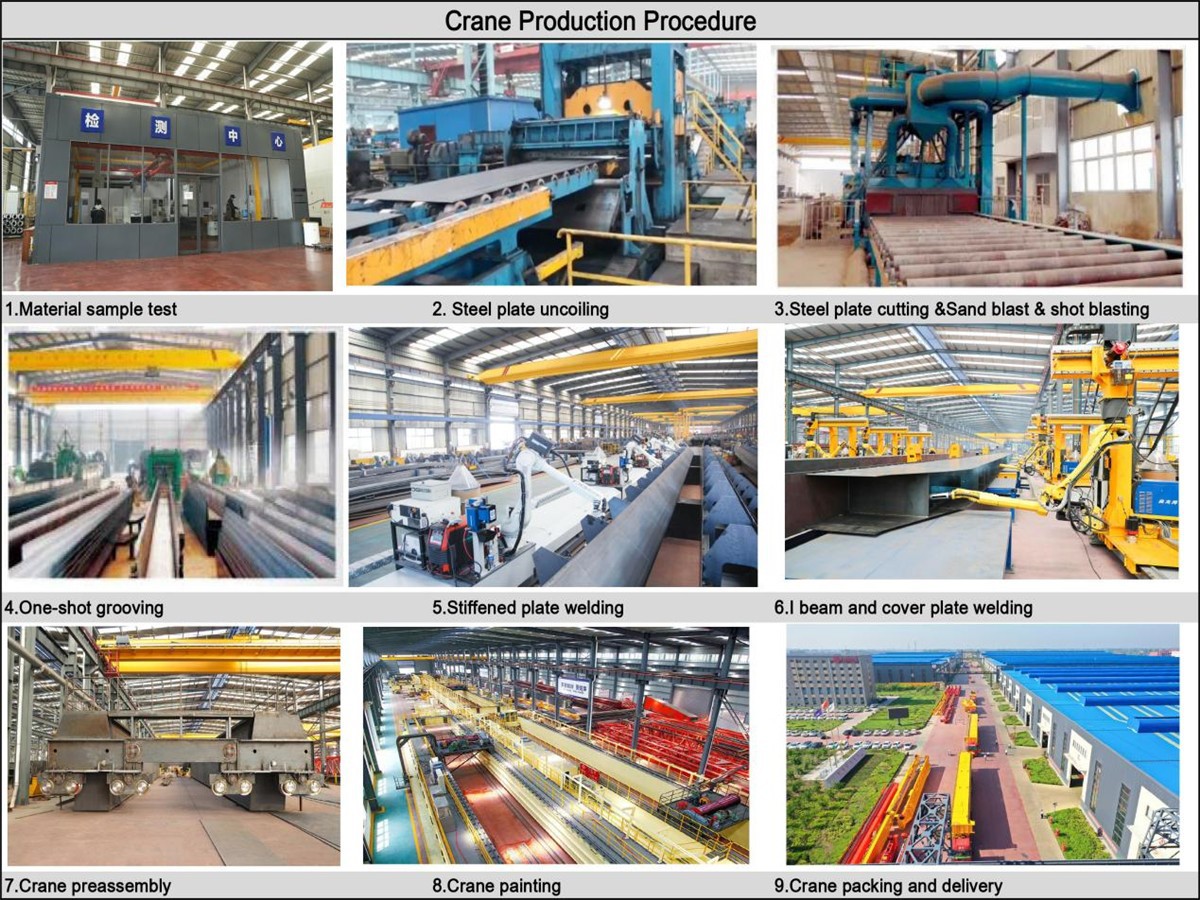
Workshop View
The company has installed an intelligent equipment management platform, and has installed 310 sets (sets) of handling and welding robots. After the completion of the plan, there will be more than 500 sets (sets), and the equipment networking rate will reach 95%. 32 welding lines have been put into use, 50 are planned to be installed, and the automation rate of the entire product line has reached.


Hot Tags: electric winch, China electric winch manufacturers, suppliers, factory
Previous
Heavy Duty Electric WinchNext
No InformationYou Might Also Like


Send Inquiry