








Best Electric Winch
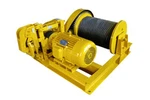
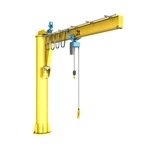
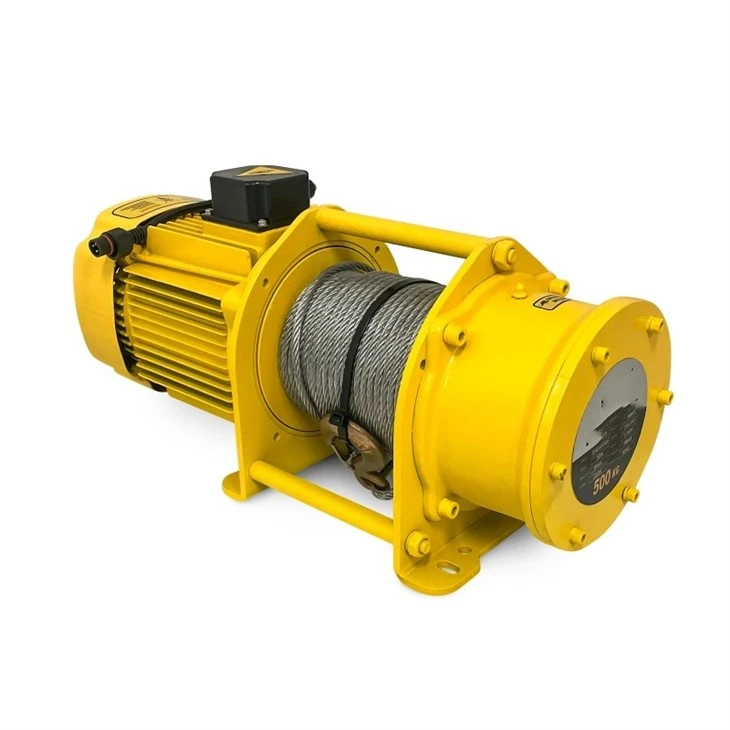
Best Electric Winch is a motorized device used to pull, lift, or position heavy loads using a cable or rope wound around a drum. It is powered by electricity (either AC or DC) and is commonly used in various industrial, automotive, marine, and construction applications.
Capacity: 1-1200ton
Rope length: 6-2500m
Lifting height:customized according to clients' site conditions
Raged voltage: 220V~690V, 50-60Hz, 3ph AC
Protection class: IP54 IP55
Crane control mode: Pendantcontrol / Remote control / Cabin control

Pictures & Components
1. Whole set winch components
Key Components of an Electric Winch:
Electric Motor – Provides the power to turn the drum (can be 12V, 24V DC, or 110V/220V AC).
Drum – A cylindrical spool that winds the cable or rope.
Wire Rope or Synthetic Cable – The load-bearing line (steel cable or synthetic rope like Dyneema).
Gear Train – Reduces motor speed while increasing torque (usually planetary or worm gear systems).
Brake System – Prevents the load from slipping or free-spooling when power is off.
Control System – A wired or wireless remote to operate the winch.
Fairlead – Guides the cable (roller fairlead for steel cable, hawse fairlead for synthetic rope).
Mounting Frame – Secures the winch to a vehicle, trailer, or fixed structure.

2. Limit switch safety device
Best Electric winch limit switch is a crucial safety device designed to prevent over-travel of the winch drum, which can cause cable damage, equipment failure, or even accidents. Here's a breakdown of its function, types, installation, and importance:
1. Purpose of a Limit Switch in an Electric Winch
Prevents Overwinding: Stops the winch when the cable is fully wound or unwound.
Protects Components: Avoids damage to the motor, drum, or cable due to excessive tension.
Enhances Safety: Reduces the risk of snapped cables or uncontrolled load movements.
2. Types of Limit Switches for Winches
a. Mechanical Limit Switches
Lever-Arm Switches: Triggered by physical contact (e.g., a lever arm pressed by the cable or drum).
Rotary Cam Switches: Activated by rotation of the drum (counts revolutions to cut power at set limits).
b. Magnetic/Proximity Switches
Non-Contact Sensors: Use Hall effect sensors or reed switches to detect drum position without physical contact.
More Durable: Ideal for harsh environments where dirt/debris could jam mechanical switches.
c. Load-Sensing Switches
Torque or Current-Based: Cuts power when motor current exceeds a set limit (indicating excessive load).

3. Safety device
Best Electric winches are powerful tools used for lifting, pulling, and positioning loads. To ensure safe operation, various safety devices are incorporated into their design. Here are the key safety features commonly found in electric winches:
1. Overload Protection (Load Limit Device)
Prevents the winch from operating beyond its rated capacity.
May include a load cell or torque limiter to cut power when excess load is detected.
Some models have an automatic shutoff or alarm.
2. Emergency Stop (E-Stop)
Allows immediate power cutoff in case of an emergency.
Often a red button or foot pedal for quick access.
3. Braking System
Mechanical Brake: Holds the load when power is off (fail-safe feature).
Dynamic Braking: Slows down the motor electrically when stopping.
Automatic Brake: Engages if power fails or the winch overheats.
4. Limit Switches (Upper/Lower Travel Limit)
Stops the winch automatically when the load reaches a preset maximum or minimum height.
Prevents over-winding or cable slack.
5. Thermal Protection
Motor overheat sensors shut down the winch if temperatures exceed safe limits.
Protects against motor burnout due to prolonged use.
6. Remote Control Safety
Wireless or wired remote with deadman switch (requires continuous pressure to operate).
Prevents accidental activation.
7. Cable/ Rope Safety Features
Fairleads & Rollers: Guide the cable to prevent fraying.
Cable Slack Sensor: Detects when the cable is too loose and stops the winch.
Automatic Spooling: Ensures even winding to prevent tangles.
8. Electrical Safety
Short-Circuit Protection: Circuit breakers or fuses prevent electrical hazards.
Phase Failure Protection: Shuts off power if voltage is unstable (in 3-phase winches).
9. Manual Release (Freewheel Mode)
Allows controlled lowering of the load in case of power failure (some models have a hand crank backup).
10. Warning Alarms & Indicators
Audible alarms for overload or malfunction.
LED indicators for power, fault codes, and operational status.

4. Sketch

Main technical data

Advantages
Best Electric winches offer several advantages over other types of winches (such as hydraulic or manual), making them a popular choice for various applications, including off-roading, marine use, construction, and industrial tasks. Here are the key benefits:
1. Ease of Use & Convenience
Simple Operation: Best Electric winches are controlled with a switch or remote, allowing for precise and effortless operation.
No Manual Effort: Unlike hand winches, they don't require physical labor to pull heavy loads.
Quick Deployment: They can be activated instantly without needing an external power source (if vehicle battery-powered).
2. Versatility
Multiple Applications: Suitable for vehicles (4x4s, trucks, ATVs), boats, industrial lifting, and recovery operations.
Portable Options: Some models can be powered by a vehicle's battery, making them useful in remote locations.
3. Power Efficiency
Runs on Battery: Uses the vehicle's electrical system (12V or 24V), eliminating the need for additional power sources like PTO (Power Take-Off) or hydraulic pumps.
Energy-Saving: Modern electric winches have efficient motors that minimize battery drain.
4. Safety Features
Automatic Braking: Many electric winches have built-in braking systems to prevent load slippage.
Remote Control: Allows safe operation from a distance, reducing risk in dangerous recovery situations.
Overload Protection: Some models include thermal protection to prevent motor burnout.
5. Compact & Lightweight
Compared to hydraulic winches, electric versions are generally lighter and easier to mount on vehicles or equipment.
6. Low Maintenance
No hydraulic fluid or complex mechanical systems to maintain.
Basic upkeep includes cleaning, lubrication, and occasional wire rope/strap inspection.
7. Cost-Effective
Typically cheaper than hydraulic winches and require fewer modifications for installation.
Lower long-term maintenance costs.
8. Adjustable Speed & Control
Variable speed options allow for precise load handling.
Some models feature wireless remotes for better control in tough conditions.
9. Reliable in Harsh Conditions
Many Best Electric winches are waterproof or weather-resistant, making them suitable for marine and off-road use.
10. Easy Installation
Can be mounted on bumpers, trailers, or other structures without complex setups (unlike PTO winches, which require drivetrain connections).

Application
1. Off-Road Recovery (4x4 & Overlanding)
Best Winch Type: 12V Waterproof Winch (e.g., Warn Zeon, Smittybilt X2O)
Why? Electric winches are ideal for pulling stuck vehicles out of mud, sand, or rocks.
Key Features:
Synthetic or steel rope options
Remote control operation
High pulling capacity (8,000–12,000 lbs)
2. Marine & Boating
Best Winch Type: Marine-Grade Electric Winch (e.g., Lewmar, Superwinch Terra)
Why? Used for anchor retrieval, docking, and trailer loading.
Key Features:
Corrosion-resistant (stainless steel or sealed motors)
Wireless remote for convenience
Smooth operation for delicate boat handling
3. Industrial & Construction
Best Winch Type: Heavy-Duty Electric Winch (e.g., Ramsey REP, CM Lodestar)
Why? Lifting materials, pulling equipment, or positioning loads.
Key Features:
High load capacity (up to 20,000+ lbs)
Variable speed control
Safety brakes for overhead lifting
4. Farming & Agriculture
Best Winch Type: Utility Electric Winch (e.g., Mile Marker SEC, Badland ZXR)
Why? Pulling logs, moving hay bales, or dragging equipment.
Key Features:
Durable construction for outdoor use
Moderate to high pulling power (5,000–10,000 lbs)
Portable or vehicle-mounted options
5. ATV/UTV & Snow Plowing
Best Winch Type: Compact ATV Winch (e.g., Warn VRX, Superwinch LT)
Why? Helps with recovery, plowing, or hauling.
Key Features:
Lightweight but strong (2,500–5,000 lbs capacity)
Weather-resistant design
Easy mounting on ATV/UTV bumpers
6. Home & DIY Projects
Best Winch Type: Portable Electric Winch (e.g., Harbor Freight Badland, Titan)
Why? Garage use, lifting engines, or moving heavy objects.
Key Features:
Affordable & easy to install
110V or 12V power options
2,000–5,000 lb capacity

production procedure
1. Design & Engineering
Requirements Analysis: Determine load capacity, line speed, power source (AC/DC), duty cycle, and environmental conditions.
CAD Modeling: Design the winch assembly (motor, gearbox, drum, brake, and frame) using CAD software.
Material Selection: Choose high-strength steel for the drum and frame, durable gears, and corrosion-resistant coatings.
Prototyping: Build a prototype for testing and validation.
2. Material Procurement
Source high-quality components:
Electric Motor (Brushed/Brushless, 12V/24V/110V/220V)
Gearbox (Worm/Planetary gear for torque multiplication)
Steel Drum & Cable (Galvanized or synthetic rope)
Braking System (Automatic load-hold brake)
Control System (Remote/wired switch, solenoid)
Frame & Mounting Hardware (Powder-coated or galvanized)
3. Manufacturing Process
A. Drum & Frame Fabrication
Cutting & Machining: Laser/plasma cut steel plates; machine drum grooves.
Welding: Assemble drum and frame with precision welding (MIG/TIG).
Surface Treatment: Shot blasting, galvanizing, or powder coating for corrosion resistance.
B. Gearbox Assembly
Gear Cutting & Grinding: Precision-cut gears for smooth operation.
Housing Assembly: Fit gears into a sealed, lubricated housing.
Torque Testing: Ensure gearbox can handle rated load without failure.
C. Motor & Brake Integration
Motor Mounting: Secure motor to gearbox with proper alignment.
Brake Installation: Fit automatic brake system for load holding.
Electrical Connections: Wire motor, brake, and control system.
D. Drum & Cable Installation
Drum Mounting: Secure drum to gearbox output shaft.
Rope/Cable Installation: Spool galvanized steel wire or synthetic rope evenly.
Fairlead Attachment: Install roller or hawse fairlead for smooth cable guidance.
E. Control System Integration
Wiring Harness: Connect motor, solenoid, and remote control.
Switch/Remote Testing: Ensure smooth operation in forward/reverse.
4. Quality Control & Testing
Load Testing: Test at 1.5x rated capacity for safety.
Durability Testing: Run continuous cycles to check overheating & wear.
Water & Dust Resistance (IP Rating): Verify sealing for outdoor use.
Noise & Vibration Check: Ensure smooth, quiet operation.
Final Inspection: Check all bolts, welds, and electrical safety.
5. Packaging & Shipping
Protective Packaging: Use foam and waterproof wrapping.
Manual & Accessories: Include user guide, mounting hardware, and warranty.
Labeling: Clearly mark model, capacity, and safety warnings.

Workshop View
The company has installed an intelligent equipment management platform, and has installed 310 sets (sets) of handling and welding robots. After the completion of the plan, there will be more than 500 sets (sets), and the equipment networking rate will reach 95%. 32 welding lines have been put into use, 50 are planned to be installed, and the automation rate of the entire product line has reached.


Hot Tags: best electric winch, China best electric winch manufacturers, suppliers, factory
Previous
Fast Electric WinchesYou Might Also Like


Send Inquiry