










Metallurgical Overhead Crane
These cranes are designed to handle heavy loads at high temperatures, making them suitable for use in steel mills, foundries, and other metal production facilities. They come in various configurations and are designed to meet the specific requirements of each application.
Some common features of metallurgical overhead cranes include:
1. High-temperature protection: These cranes are equipped with special temperature sensors and cooling systems to protect against overheating and damage.
2. Customized lifting capacity: These cranes are available in various lifting capacities, ranging from a few tons to hundreds of tons.
3. Remote operation: To ensure worker safety and prevent accidents, metallurgical overhead cranes can be operated remotely from a safe distance.
4. Corrosion-resistant materials: These cranes are made of special materials that can resist corrosion and withstand exposure to molten metal and harsh chemicals.
5. Precise positioning: Metallurgical cranes are equipped with precise positioning systems that allow for accurate and efficient handling of heavy loads.
Overall, metallurgical overhead cranes are essential tools for the metallurgical industry, helping to improve efficiency and streamline production processes.
- Capacity: 5-800/50ton
- Span length: 4-35m
- Lifting height: 3-50m
- Work duty: A4, A5, A6,A7
- Raged voltage: 220V~690V, 50-60Hz, 3ph AC
- Work environment temperature: -25℃~+50℃, relative humidity ≤85%
- Crane control mode: Floor control / Remote control / Cabin room

Pictures & Components
1. Whole set crane
A metallurgical overhead crane is a type of crane designed specifically for use in the metallurgical industry. It is used to move heavy loads of molten metal or materials such as steel and iron, which require special handling due to their high temperatures and potential hazards. The crane is typically equipped with features such as a heat shield, special motors and cables, and advanced safety systems. These features ensure that the crane can operate safely and effectively in high-temperature environments, facilitating efficient material handling and production processes.

2. Main girder
1) The main girder of a metallurgical overhead crane is the largest and most critical component of the crane's structure. It is responsible for supporting the weight of the hoist, trolley, and loads being lifted, as well as transmitting those loads to the crane's end carriages and runway beams.
2) The main girder typically consists of two or more box-shaped sections that are welded or bolted together to form a single beam. The size and shape of the main girder depends on the specific application of the crane, including the rated lifting capacity, the span (distance between the runway beams), and the type of material being handled.
3) In metallurgical overhead cranes, the main girder must be designed and manufactured with special considerations for the high temperatures and harsh environments often present in steel mills and other metalworking facilities. This may include the use of special heat-resistant materials, such as alloys or high-strength steel, and the incorporation of water-cooling systems or other methods of reducing thermal load on the crane's structures.
4) Proper maintenance and inspection of the main girder is vital to ensuring safe and reliable operation of the crane. This may include regular visual inspections, non-destructive testing (NDT) techniques such as magnetic particle or ultrasonic inspection, and repair or replacement of any damaged or worn components.

3. Lifting System
1) Metallurgical Overhead Crane Lifting System refers to a specialized type of overhead crane that is designed for use in metallurgical industries, steel mills, and similar heavy-duty applications. These cranes are used for lifting and moving heavy metal loads, such as steel slabs, coils, and bars, in a safe and efficient manner.
2) The key features of a Metallurgical Overhead Crane Lifting System include a high lifting capacity, a robust and durable design, and advanced safety systems. These cranes typically have a lifting capacity of up to 500 tons and are built to withstand harsh environments, such as high temperatures, dust, and corrosive materials.
3) In addition, Metallurgical Overhead Crane Lifting Systems are equipped with special features such as heat shields, insulation, and cooling systems to protect the crane and the operators from extreme heat. These cranes also have advanced safety systems, including sensors, alarms, and emergency stop functions, to prevent accidents and ensure the safety of the operators and the equipment.
4) Overall, Metallurgical Overhead Crane Lifting Systems are an essential tool for the efficient and safe handling of heavy metal loads in metallurgical industries and steel mills.

4. End Carriages
1) Metallurgical overhead crane end carriages play a crucial role in the safe and efficient operation of metallurgical overhead cranes. These cranes are used in heavy-duty industries such as steel making, mining, and metal processing, where they are required to handle extremely heavy loads with precision and accuracy.
2) The end carriages are the structural components of the crane that support and allow the crane to move along the runway beams. They are responsible for the movement of the crane along the rails, as well as the stability and the smoothness of that movement.
3) The end carriages are designed to withstand the harsh working conditions of metallurgical industries. They are made of heavy-duty, high-strength steel that can withstand the massive loads that are lifted and moved by the crane. The end carriages are also designed to resist the effects of high temperatures, corrosive environments, and other harsh conditions that are commonly found in metallurgical applications.
4) To ensure maximum safety and reliability, metallurgical overhead crane end carriages are manufactured to strict quality standards. They undergo rigorous testing and inspection before they are put into service to ensure that they are capable of handling the loads they are designed for and that they meet all safety requirements.
5) Overall, metallurgical overhead crane end carriages are essential components of the crane that ensure safe, efficient, and reliable operation in heavy-duty industrial applications.
5. Crane traveling mechanism
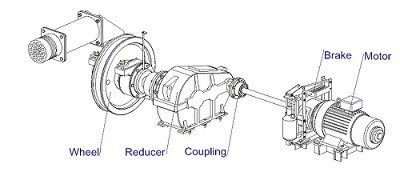
The traveling mechanism of a metallurgical overhead crane is responsible for moving the crane along the rail tracks. It consists of the following components:
1) Drive system: The drive system is responsible for providing the necessary power to move the crane. It typically includes an electric motor, gearbox, and brake.
2) Wheel system: The wheel system comprises steel wheels that run on the rail tracks. The wheels are usually made of high-strength steel and are designed to carry the load of the crane.
3) Control system: The control system is responsible for controlling the movement of the crane. It includes a variety of sensors, switches, and controllers that work together to ensure safe and precise movement of the crane.
4) Brake system: The brake system is responsible for stopping the crane in case of an emergency. It typically includes mechanical brakes that engage when power is cut off.
5) The traveling mechanism of a metallurgical overhead crane is designed to withstand harsh operating conditions and heavy loads. It is typically made of high-quality materials and is designed to provide reliable and safe operation.
6. Trolley traversing mechanism
1) The metallurgical overhead crane trolley traversing mechanism refers to the system that allows the trolley to move along the length of the crane beam. This mechanism typically includes a motor, gearbox, coupling, and a brake system.
2) The motor provides the power to drive the trolley along the beam, while the gearbox provides the necessary reduction in speed and torque to enable smooth and controlled movement. The coupling connects the motor to the gearbox, ensuring that the power is efficiently transmitted between the two components.
3) A brake system is also typically included to ensure safe and secure stopping of the trolley at any point along the beam. The design of the traversing mechanism will vary depending on the specific requirements of the crane, such as the maximum load capacity and the length of the beam.
4) Overall, the metallurgical overhead crane trolley traversing mechanism plays an essential role in ensuring the safe and efficient operation of the crane, allowing it to transport heavy loads with precision and accuracy.
7. Crane wheel
1) The Metallurgical Overhead Crane, also known as the Steel Mill Crane, is a type of crane specifically designed for the harsh and demanding environment of steel mills and metalworking factories.
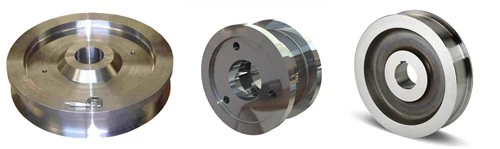
2) The crane wheel is an essential component of an overhead crane, as it supports the entire weight of the crane and the load it is carrying. The crane wheel is typically made of forged steel and is designed to withstand the heavy loads and intense heat of the steel mill environment.
3) The crane wheel is mounted on the end of the crane's main girder and is powered by an electric motor. The crane wheel travels along a rail system that is attached to the building's steel structure. The movement of the crane wheel allows the crane to lift and move heavy loads throughout the factory.
4) In addition to being strong and durable, the crane wheel is also designed for ease of maintenance. Components such as bearings and gears are easily accessible for inspection and lubrication. This ensures that the crane operates safely and efficiently, minimizing downtime for maintenance and repairs.
5) The corner box type wheel sets are all led out by oil pipes, which is convenient for oiling and maintenance
The wheel material adopts ZG340-640, and is subjected to advanced power frequency heat treatment and quenching
8. Crane hook
1) Metallurgical overhead cranes are heavy-duty cranes designed for use in the metal industry. They are designed to handle steel and other metal products with a high degree of precision and safety. The crane itself is typically mounted on a large gantry system that spans the length of the facility.
2) The crane hook is a critical component of the metallurgical overhead crane. It is the part of the crane that actually picks up and moves the metal products. The crane hook is usually designed to handle heavy weights and is made from a high-grade steel that is capable of withstanding the stresses and strains of its use.
3) The metallurgical overhead crane hook is typically attached to the crane by a cable or chain. The cable or chain is designed to be strong enough to support the weight of the loads being lifted by the crane hook. The crane operator uses controls located in the cab of the crane to move the crane hook up and down, as well as left and right to position it over the load.
4) The metallurgical overhead crane hook is often designed with a safety latch that prevents the load from falling off the hook. This is especially important given the weight of the loads being lifted. The safety latch is typically released manually by the crane operator once the load is safely in place.
5) Overall, the metallurgical overhead crane and its hook are critical components in the metal industry. They provide the precision and safety necessary to move heavy metal products from one location to another, helping to keep the industry running smoothly.

9. Motor
1) A metallurgical overhead crane motor refers to the motor used in an overhead crane used for metallurgical operations. Metallurgical overhead cranes are heavy-duty cranes that are designed to handle extreme loads, high temperatures, and harsh environments, such as those found in steel and aluminum plants.
2) The motor used in a metallurgical overhead crane needs to be specially designed to withstand the rigorous demands of the metallurgical industry. These motors are usually high-powered and are capable of delivering high torque and speed to overcome the resistance generated by heavy loads.
3) Metallurgical overhead crane motors are typically designed to operate in high-temperature environments, such as those encountered in foundries and steel mills. These motors have insulation systems that are capable of withstanding extreme temperatures and harsh chemical environments.
4) The drive systems used in metallurgical overhead cranes are usually variable frequency drives (VFD) that provide precise speed control and braking control. These drives are also designed to withstand high temperatures and harsh environments.
5) Overall, the motors used in metallurgical overhead cranes are critical components of the crane system, and their performance and reliability can have a significant impact on the productivity and safety of the metallurgical operation.

10. Sound and light alarm system & limit switch
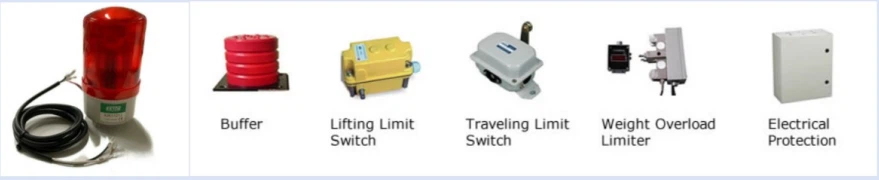
1) Metallurgical overhead cranes are used in heavy lifting applications in metallurgical plants, steel mills, and foundries. These cranes need to be operated safely and efficiently, and that requires an alarm system that alerts operators to any issues that may arise during operation. One such system can include sound and light alarms, as well as limit switches.
2) The sound and light alarms are designed to warn the operator of specific issues with the crane. For example, the system may have an alarm for movements that exceed the crane's safe weight limit or for a failure in the crane's brakes. These alarms can be programmed to go off at different levels of severity, and some systems may even include voice alerts that inform the operator of the specific issue.
3) Limit switches are another important component of a metallurgical overhead crane alarm system. These switches are used to inform the controller when the crane has reached specific positions or limits, such as the end of the track or a specific hoist height. When this limit is reached, the switch sends a signal to the controller, which can trigger an alarm if necessary.
4) Overall, a sound and light alarm system with limit switches is essential for any metallurgical overhead crane to ensure safe and efficient operation. By alerting operators to potential issues and providing limits on movements, these systems can help prevent accidents and keep operations running smoothly.
11. Safety Devices
Metallurgical overhead crane safety devices are essential components that ensure safe and efficient operation of cranes used in metallurgical plants. Some of the common safety devices used in metallurgical overhead cranes include:
1) Limit switches: These devices are used to limit the movement of the crane in certain directions by cutting off power supply to the crane when it reaches the limit. They can be used to limit the hoisting height, travel distance or swing angle of the crane.
2) Load indicators: These devices are used to indicate the weight of the load being lifted by the crane. They help prevent overloading of the crane which could lead to accidents.
3) Anti-collision devices: These devices are installed on cranes to prevent collision with other cranes or obstacles within the plant. They use sensors to detect obstacles within the crane's path and automatically stop or slow down the crane to avoid collision.
4) Emergency stop buttons: These buttons are installed at strategic points on the crane and are used to immediately stop the crane in case of an emergency. They help prevent accidents and protect workers.
5) Overload protection devices: These devices are used to prevent the crane from lifting loads beyond its rated capacity. They can automatically cut off power supply to the crane in case of overload.
6) Interlocks: These are devices that prevent a crane from operating when certain conditions are not met. For example, the crane may not lift if the brake is not engaged, or if the operator is not in the cab.
7) Overall, the use of these safety devices plays a key role in ensuring the safety of workers and preventing accidents in metallurgical plants.
12. Control Mode
1) Metallurgical overhead crane control mode refers to the method of operating control systems and other mechanisms present in the overhead crane used in metallurgical operations. This type of crane is specifically designed to handle heavy loads in industrial operations, such as steelmaking and mining.
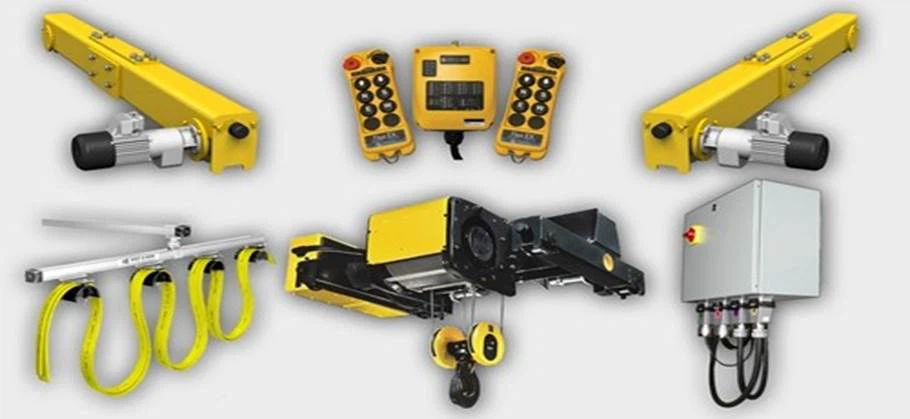
2) The control mode of a metallurgical overhead crane can range from manual controls where an operator manually manages all crane functions through a handheld pendant or a cabin control panel, to automated systems that include advanced sensors and computer programs to manage some functions.
3) Common control modes in metallurgical overhead cranes include:
Pendant Control: In this mode, the crane operator controls the crane's movements, such as hoisting, lowering, and traveling, by operating buttons and switches on a pendant controller.
Cabin Control: Similar to pendant control, the crane operator uses buttons and switches on a control panel in a cabin located on the crane to operate its movements.
Radio Remote Control: In this mode, the crane operator can operate the crane from a distance using a remote control device that sends signals to the crane's onboard control systems.
Automated Control: An automated control system can manage some aspects of the crane's operation, such as which load to pick up or placing it at a predetermined location. This type of control system may incorporate sensors and computer-aided systems to monitor the crane's performance and adjust its movements accordingly.
The choice of control mode may depend on various factors, such as the complexity of the metallurgical operations, the size of the crane, and the required level of precision needed to execute the operation safely and efficiently.

13. Sketch

Main Technical Data

Advantages
1. High Load Capacity: Metallurgical overhead cranes are designed to handle heavy loads which can weigh up to several tons easily. These cranes are fitted with steel frameworks and heavy-duty machinery that can accommodate large loads without any wear and tear.
2. Safety: Metallurgical overhead cranes come fitted with robust safety measures such as overload protection, anti-collision systems, and emergency stop buttons. These features make the cranes safe for operators who can maneuver loads without any risk of injuries or accidents.
3. High Efficiency: Metallurgical overhead cranes are highly efficient as they can handle loads efficiently without any hindrance or disruptions. They can be programmed to work in unison with other machines in a factory, making them even more efficient.
4. Easy Maintenance: The overhead cranes used in metallurgical industries are designed to be low-maintenance, making them cost-effective. They are made from durable materials that can withstand harsh weather conditions, and require minimal maintenance, leading to a longer lifespan.
5. Improved Productivity: Metallurgical overhead cranes are instrumental in improving production rates in factories. By improving the efficiency of loading and unloading operations, they can help factories to produce more products within a given time frame, thereby increasing profits.
Application
Metallurgical overhead cranes are widely used in the metallurgical industry to handle heavy and bulky materials during various stages of the production process. Some of the common areas in which metallurgical overhead cranes are used include:
1. Loading and unloading of raw materials: Metallurgical overhead cranes are used to transport raw materials such as iron ore, scrap metal, and coal from trucks, ships, or railcars to the storage areas or the production line.
2. Handling of molten metal: Metallurgical overhead cranes are used to transport and pour molten metal from the furnace to the casting machine, ladle, or molds.
3. Steel production: Metallurgical overhead cranes are used to move heavy steel plates, bars, billets, or coils from one process to another in the production line.
4. Maintenance and repair: Metallurgical overhead cranes are also used to lift and move heavy equipment or parts during maintenance and repair work in the plant.
Overall, metallurgical overhead cranes play a crucial role in improving the efficiency and productivity of production processes in the metallurgical industry. They help reduce cycle times, increase safety, and improve the handling of materials, thus contributing to the quality of the final products.
Crane Production Procedure
The production procedure of a Metallurgical Overhead Crane typically involves the following steps:
1. Design and Engineering: The first step is to design and engineer the Metallurgical Overhead Crane according to the customer's requirements and application. This involves selecting the appropriate materials, components, and size of the crane.
2. Fabrication: Once the design is finalized, the fabrication process begins. The steel components are cut, welded, and assembled to form the main structure of the Crane. Attention is paid to ensure that the components are assembled accurately and securely.
3. Surface Treatment: The surface of the crane is prepared for coating or painting by shot blasting, grinding, or sandblasting. This removes any oil, rust, or dirt from the surface of the components, ensuring an effective coating adhesion.
4. Painting and Coating: The components are coated with paint or protective coatings, which protect them from corrosion and rust.
5. Electrical Installation: The electrical systems of the crane are installed, which includes components like motors, control panels, sensors, and other electrical equipment.
6. Assembly: After the electrical systems are installed, the crane is assembled into its final form. At this step, workers need to ensure that all components are assembled and tightened securely.
7. Load Testing: Once the crane is assembled, load testing is conducted. The crane is operated with loads equivalent to its rated capacity while monitoring the performance and safety of the crane.
8. Inspection and Quality Control: The Metallurgical Overhead Crane undergoes inspection and testing by trained personnel to ensure it meets the quality standards and customer's requirements.
Shipping and Installation: Finally, the Metallurgical Overhead Crane is shipped to the site and installed by a qualified installation team. A commissioning process is carried out to test and verify that all systems are set up and functioning correctly.

Workshop View
The company has installed an intelligent equipment management platform, and has installed 310 sets (sets) of handling and welding robots. After the completion of the plan, there will be more than 500 sets (sets), and the equipment networking rate will reach 95%. 32 welding lines have been put into use, 50 are planned to be installed, and the automation rate of the entire product line has reached 85%.


Hot Tags: metallurgical overhead crane, China metallurgical overhead crane manufacturers, suppliers, factory, Metallurgical Overhead Crane, Metallurgical Crane, Casting Overhead Ladle Crane
Previous
Casting CraneYou Might Also Like


Send Inquiry