










Ladle Foundry Bridge Crane
The ladle foundry bridge crane has a robust construction and is equipped with specially designed hooks or clamps to grip the ladles securely. The crane's trolley travels on rails mounted on the bridge, and the bridge runs along the runway beams supported by the overhead structure.
The crane's hoisting mechanism is driven by a powerful motor that enables it to lift the heavy loads quickly and safely. The crane's controls are usually located in a control cabin, where the operator can monitor the crane's movements and make adjustments as needed.
Ladle foundry bridge cranes can be customized to meet specific foundry requirements. For instance, they can be equipped with heat shields to protect the operator from the heat or fitted with a remote control feature to enhance safety and ease of operation.
In conclusion, ladle foundry bridge cranes are essential equipment for foundries as they offer a safe, efficient, and reliable means of transferring molten metal from the furnaces to the molds or crucibles.
- Capacity: 5-800/50ton
- Span length: 4-35m
- Lifting height: 3-50m
- Work duty: A4, A5, A6,A7
- Raged voltage: 220V~690V, 50-60Hz, 3ph AC
- Work environment temperature: -25℃~+50℃, relative humidity ≤85%
- Crane control mode: Floor control / Remote control / Cabin room

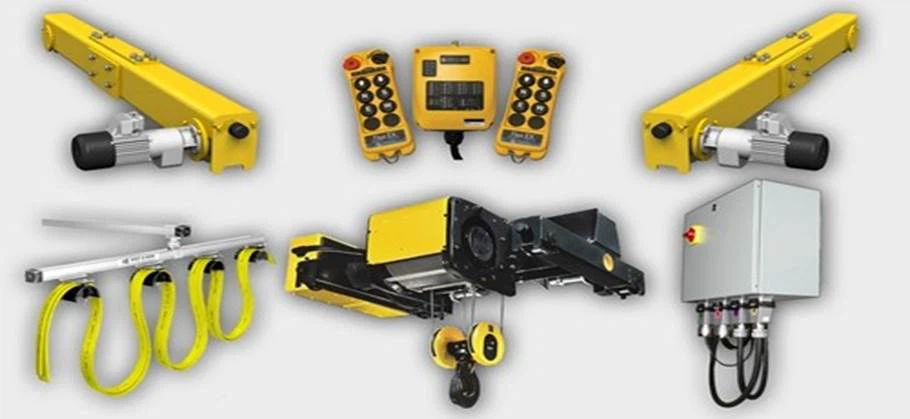
Pictures & Components
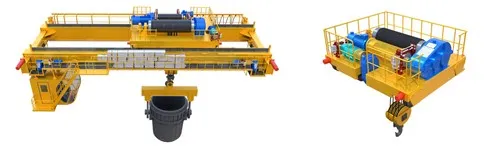
1. Whole set crane
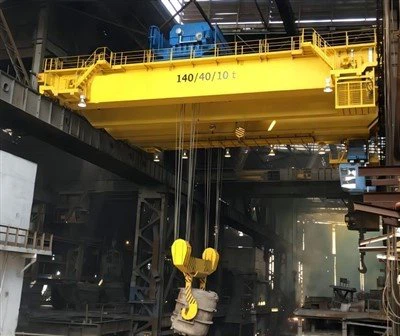
1) A ladle foundry bridge crane, also known as a ladle crane, is a type of overhead crane designed specifically for the handling of molten metal and other high-temperature materials in foundries and steel mills. This type of crane typically features a dual-beam design, with a heavy-duty hoist and tongs or grabbers for securely holding and transporting the ladle.
2) The ladle foundry bridge crane is an essential component of modern foundries and steel mills, enabling safe and efficient transportation and pouring of molten metal into molds or ladles. It can also be used for handling other high-temperature materials, such as slag, furnace refractory, or scrap metal. The ladle foundry bridge crane is designed to withstand the extreme heat, heavy loads, and harsh operating conditions typically found in industrial environments.
3) These cranes are available in a variety of sizes, lifting capacities, and specialized features to meet the specific needs of each application. They can be operated manually, through a pendant or remote control, or even semi-automatically, with programmed sequences and sensors for safe and precise positioning.
4) In summary, the ladle foundry bridge crane is a crucial tool for any industrial facility that requires the safe and efficient handling of high-temperature materials. With their advanced technology, robust construction, and wide range of capabilities, these cranes are aimed at improving productivity, safety, and profitability in manufacturing and production environments.

2. Main girder
A ladle foundry bridge crane main girder is a critical component of a bridge crane used in steel foundries. It is responsible for supporting the load of the ladle, which is used to transfer molten metal from the furnace to the casting area. The main girder is designed to withstand the weight of the ladle, which can be several tons, as well as the extreme heat generated by the molten metal. The main girder is usually made of steel and is supported by the end trucks, which run along the runway beams. The design and construction of the ladle foundry bridge crane main girder is critical to ensure safety and efficiency in the foundry operation.

3. Lifting System
1) The Ladle Foundry Bridge Crane Lifting System is a specialized piece of equipment used in metal foundries for lifting and transporting ladles of molten metal. This system is designed to move heavy loads over a short distance with precision and safety.
2) The crane itself is typically mounted on a fixed structure above the foundry floor and features a long, horizontal bridge that runs on rails along the length of the foundry. The bridge is supported at each end by two vertical columns or supports. The main lifting mechanism is located on the bridge and can move along the length of the bridge.
3) The Ladle Foundry Bridge Crane Lifting System uses a complex series of cables, pulleys, and hydraulic systems to lift and transport the heavy loads. The cables are attached to the lifting mechanism and are controlled by a motorized winch.
4) The lifting capacity of the crane varies depending on the specific needs of the foundry. However, it is not unusual for these systems to be able to lift loads weighing several tons. The Ladle Foundry Bridge Crane Lifting System is an essential piece of equipment that helps foundries move molten metal safely and efficiently.
4. End Carriages
1) Ladle foundry bridge crane end carriages are an essential component of an overhead crane system used for material handling in various industries, particularly in the steel and foundry industry. These cranes are used to lift and transport molten metal or other heavy materials in a safe and efficient manner.
2) The end carriages of a ladle foundry bridge crane are connected to the main girder of the crane, supporting and guiding the trolley and hoist movements. They are typically made of high-quality structural steel and are designed to withstand heavy loads and harsh environments.
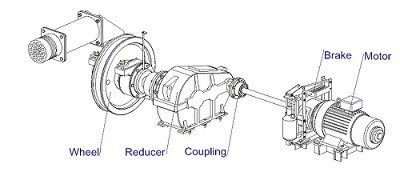
3) The end carriages consist of a wheel assembly that runs on a rail mounted on the crane runway. Each wheel is fitted with a flat or tapered roller bearing that allows smooth movement of the carriage along the runway. The number of wheels and their size depends on the capacity and span of the crane.
4) The end carriages are equipped with a range of safety features such as limit switches, safety brakes, and emergency stop buttons to ensure the safety of the crane and personnel. They are also designed to accommodate various accessories such as cable carriers, festoon systems, and electrification systems that provide power and control to the crane.
5) Overall, the ladle foundry bridge crane end carriages play a crucial role in the safe and efficient operation of overhead crane systems used in the foundry and manufacturing industry.
5. Crane traveling mechanism
1) A ladle foundry bridge crane is a heavy-duty industrial crane designed specifically for transporting and pouring molten metal and other high-temperature materials in a foundry or steel mill setting. The crane is equipped with a ladle that is designed to hold and pour the hot materials into molds or other containers.
2) The bridge of the crane is typically mounted on a set of rails that span across the foundry floor, allowing the crane to travel back and forth between different work areas. The crane is also equipped with a traveling mechanism that allows it to move along the length of the bridge, providing precise control over the placement of the ladle and the pouring process.
3) The crane's traveling mechanism is usually powered by an electric motor, which drives a set of gears or wheels connected to the crane's trolley. The trolley moves along the length of the bridge, allowing the crane to position the ladle precisely over the target area.
4) Overall, the ladle foundry bridge crane is a crucial piece of equipment in many industrial settings, allowing workers to safely and efficiently handle extremely hot and heavy loads.
6. Trolley traversing mechanism
1) The Ladle Foundry Bridge Crane Trolley Traversing Mechanism is an essential component of the bridge crane used in foundries. The crane is used for lifting and moving heavy loads, such as molten metal, in and out of the furnace. The trolley traversing mechanism is responsible for the horizontal movement of the crane along the crane runway.
2) The mechanism consists of several components, including the trolley, crane wheels, gear rack, and pinions. The trolley is positioned on the bridge, and its wheels run on the bridge rails. The crane wheels are located at each end of the bridge and run on the runway rails. The gear rack is attached to the runway, and the pinions on the trolley mesh with it to produce horizontal movement.
3) The trolley traversing mechanism is usually operated by an electric motor or hydraulic system, which drives the pinions and moves the trolley along the runway. The speed and direction of the trolley can be controlled by the operator using a control panel.
4) The design and construction of the trolley traversing mechanism are critical to ensure smooth and safe operation of the bridge crane. It must be made of durable materials and built to withstand the harsh environment of the foundry, including high temperatures, dust, and debris.
5) Overall, the Ladle Foundry Bridge Crane Trolley Traversing Mechanism plays a crucial role in the safe and efficient operation of the foundry crane, allowing heavy loads to be moved quickly and accurately.
7. Crane wheel
1) Ladle: A ladle is a vessel used for transporting and pouring molten metal or other materials in metallurgical operations.
2) Foundry: A foundry is a factory or workshop where metal castings are produced.
3) Bridge Crane: A bridge crane is a type of crane that is mounted on an overhead bridge-like structure that runs along rails on either side of a factory or warehouse.
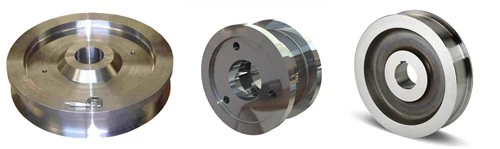
4) Crane Wheels: Crane wheels are the wheels that support and guide a crane as it moves along its tracks. These wheels are typically large and sturdy, designed to withstand the weight of the crane and the loads it carries.
8. Crane hook
1) Ladle - A ladle is a tool used to transfer molten metal from one vessel to another. It is used in the foundry industry to pour the molten metal into molds.
2) Foundry - A foundry is a factory where metal is melted, cast and shaped into various products. It is an important industry for the manufacturing of metal products.
3) Bridge Crane - A bridge crane is a type of crane that runs on an elevated runway called a bridge. It is used to lift and move heavy loads in manufacturing, construction, and other industries.
4) Hook - A hook is a curved or bent tool used for lifting and hanging objects. It is often attached to cranes, hoists, and other lifting equipment to move heavy loads.

9. Motor
1) A crane motor is an electric motor that powers a crane, usually through a gear train and a set of pulleys.
2) Motors: Motors are devices that convert electrical energy into mechanical energy. Motors are used in a wide range of applications, from powering industrial equipment and vehicles to driving household appliances and electronics. Types of motors include AC motors, DC motors, stepper motors, and servo motors.

10. Sound and light alarm system & limit switch
1) The Ladle Foundry Bridge Crane is a heavy-duty crane designed to lift and transport ladles of molten metal in a foundry. To ensure the safety of the workers in the area, the crane is equipped with a sound and light alarm system that serves as a warning when the crane is about to move.
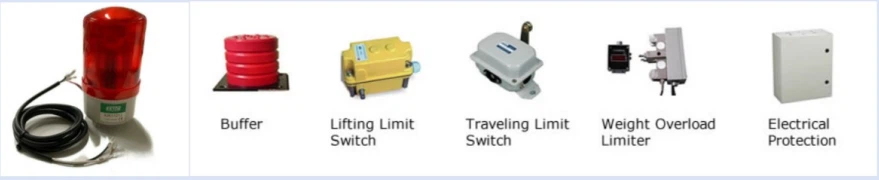
2) The system is composed of different components, including limit switches. Limit switches are devices that detect the presence of an object or the limit of motion of a machine. In the case of the Ladle Foundry Bridge Crane, limit switches are used to detect the position of the crane and control its motion.
3) The sound and light alarm system is activated when the limit switch detects a specific position. For example, when the limit switch detects that the crane is moving too close to a worker or an object, it will trigger an alarm to alert the workers in the area.
4) The system is also designed to work in harsh environments, where there are high temperatures, dust, and debris. As a result, the components of the system are made of materials that can withstand these conditions.
5) In summary, the sound and light alarm system limit switch is an essential component of the Ladle Foundry Bridge Crane. It helps to ensure the safety of workers in the area by detecting the position of the crane and triggering an alarm when necessary.
11. Safety Devices
1) Overload protection: A weight overload protection system should be in place in order to prevent the crane from lifting or carrying loads beyond its rated capacity.
2) Limit switches: Upper and lower limit switches should be installed to prevent the crane from moving outside of its safe working area, as well as to ensure that it stops at predetermined locations.
3) Emergency stop button: An emergency stop button should be installed which can immediately stop the crane when pressed.
4) Rail sweep: A rail sweep sensor should be installed to detect obstacles and prevent the crane from colliding with objects along its rail.
5) Anti-collision device: An anti-collision device should be installed to prevent collisions between cranes when more than one is in operation.
6) Warning lights and alarms: Warning lights and audible alarms should be installed to alert personnel in the vicinity of the crane when it is in operation.
7) Load indicator: A load indicator system should be installed to indicate the weight of the load being lifted, to ensure that it is within the safe working limits of the crane.
8) Emergency power supply: An emergency power supply should be installed to ensure that the crane can continue to operate in the event of a power outage.
9) Operator protection: Operator protection systems, such as cabs with windshields and guardrails, should be in place to protect the operator from falling objects and other hazards.
10) Maintenance and inspection: Regular maintenance and inspection of the crane and its safety devices should be carried out to ensure that they are functioning correctly and up to standards.
12. Control Mode
Ladle foundry bridge cranes typically use a variety of control modes to maneuver and transport heavy loads. The most common control modes used in these types of cranes are:
1) Pendant control: This is a simple handheld device that is connected to the crane via a cable. The operator uses the pendant to control the crane's movements.
2) Radio remote control: This control allows the operator to control the crane from a safe distance using a wireless remote control device.
3) Cabin control: This control mode is used when the operator needs to be able to see the load and the surrounding area. The operator sits in a cabin that is mounted on the crane and has a full view of the area.
4) Automated control: This control mode uses programmed instructions to control the crane's movements. This mode is often used in situations where there is a risk of injury to the operator or where high precision is required.
5) Ultimately, the choice of control mode will depend on factors such as the size and complexity of the crane, the environment it is operating in, and the preferences of the operator.

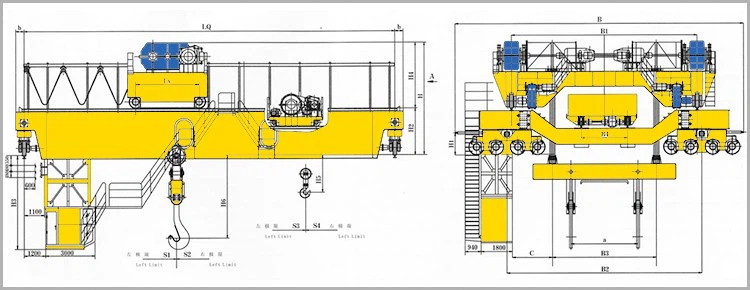
13. Sketch
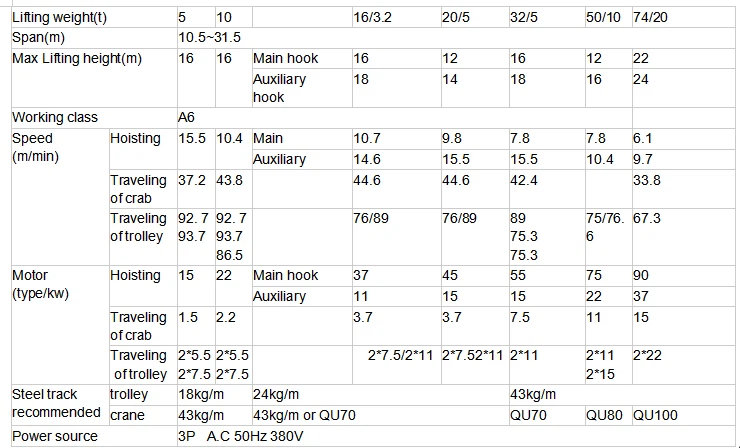
Main Technical Data
Advantages
1. Increased Safety: Using a ladle foundry bridge crane minimizes the manual labor involved in moving heavy loads, reducing the risk of accidents and injuries.
2. Increased Efficiency: These cranes are specifically designed for foundries, making movement of molten metal quick and efficient. This speeds up the production process, reducing downtime and increasing output.
3. Customization: Ladle foundry bridge cranes can be customized to meet specific needs and requirements of a particular foundry. This increases the flexibility of the equipment, making it more versatile and useful.
4. Durability: These cranes are designed to withstand the harsh conditions of a foundry, including high temperatures, heavy loads, and constant use. This ensures a long operating life with minimal maintenance.
5. Cost-Effective: Investing in a ladle foundry bridge crane can be cost-effective in the long run, as it saves on labor costs and reduces the risk of expensive accidents and downtime.
6. Improved Product Quality: With the increased efficiency and accuracy of a ladle foundry bridge crane, the quality of the final product can be improved. This can lead to higher customer satisfaction and increased profits for the foundry.
Application
1. The bridge crane is a type of crane commonly used in foundries to transport and pour out heavy molten metal from ladles. The ladle is a container used to transport and pour molten metal, typically made of steel with a refractory lining. The bridge crane is used to lift and transport the ladle from the furnace to the casting area where the molten metal is poured into the molds.
2. The application of the bridge crane in the foundry industry is critical as it allows for the safe and efficient transportation of molten metal, which is heavy and can be dangerous if not handled properly. The bridge crane typically consists of a bridge that spans the width of the foundry and a trolley that moves along the length of the bridge. The ladle is attached to the trolley, which is controlled by an operator.
3. The bridge crane is designed to withstand the high temperatures and harsh conditions found in foundries. The materials used in the construction of the bridge crane are specifically chosen to resist corrosion from molten metal, heat, and dust. The bridge crane is also equipped with safety features such as overload protection, emergency stop buttons, and limit switches to prevent accidents.
4. The bridge crane is an essential tool in the foundry industry, as it allows for the safe and efficient transportation of molten metal. Without the bridge crane, pouring molten metal would be a difficult and dangerous task, making it impossible for foundries to produce the metal products we rely on every day.
Crane Production Procedure
The production procedure for a ladle foundry bridge crane typically involves the following steps:
1. Design and Engineering: The first step in producing a ladle foundry bridge crane is to design and engineer the crane according to customer specifications. The crane must be able to handle the weight of the ladle and be designed for the specific environment in which it will operate.
2. Fabrication: Once the design is complete, the crane is fabricated in a workshop. This involves cutting and welding steel plates, beams, and other components to create the structure of the crane.
3. Assembly: After fabrication, the crane is assembled in the workshop to ensure that all components fit together properly. Electrical wiring and controls are also installed during this stage.
4. Testing: Once the crane is assembled, it is tested to ensure that it meets all safety and functional requirements. This involves testing the crane's hoisting, lifting, and traveling functions.
5. Shipping and Installation: After testing, the crane is disassembled and shipped to the customer's location. The crane is then installed on-site by a team of experienced crane operators and riggers.
6. Commissioning: Once the crane is installed, it is commissioned to ensure that it operates properly in the customer's specific environment. This typically involves testing the crane under various loads and operating conditions.
7. Training: After commissioning, the crane operators and maintenance personnel are trained on the proper use and maintenance of the crane.
8. Maintenance: Regular maintenance is required to keep the ladle foundry bridge crane operating safely and efficiently. This includes routine inspections, lubrication, and replacement of worn or damaged parts.

Workshop View
The company has installed an intelligent equipment management platform, and has installed 310 sets (sets) of handling and welding robots. After the completion of the plan, there will be more than 500 sets (sets), and the equipment networking rate will reach 95%. 32 welding lines have been put into use, 50 are planned to be installed, and the automation rate of the entire product line has reached 85%.


Hot Tags: ladle foundry bridge crane, China ladle foundry bridge crane manufacturers, suppliers, factory, Steel Mill Overhead Cranes, Rolling Mill Overhead Crane, Casting Steel Overhead Crane, Ladle Foundry Bridge Crane, Ladle Foundry and Casting Steel Mill Overhead Crane, Steel Factory Overhead Crane
You Might Also Like




Send Inquiry