










Overhead Crane Company
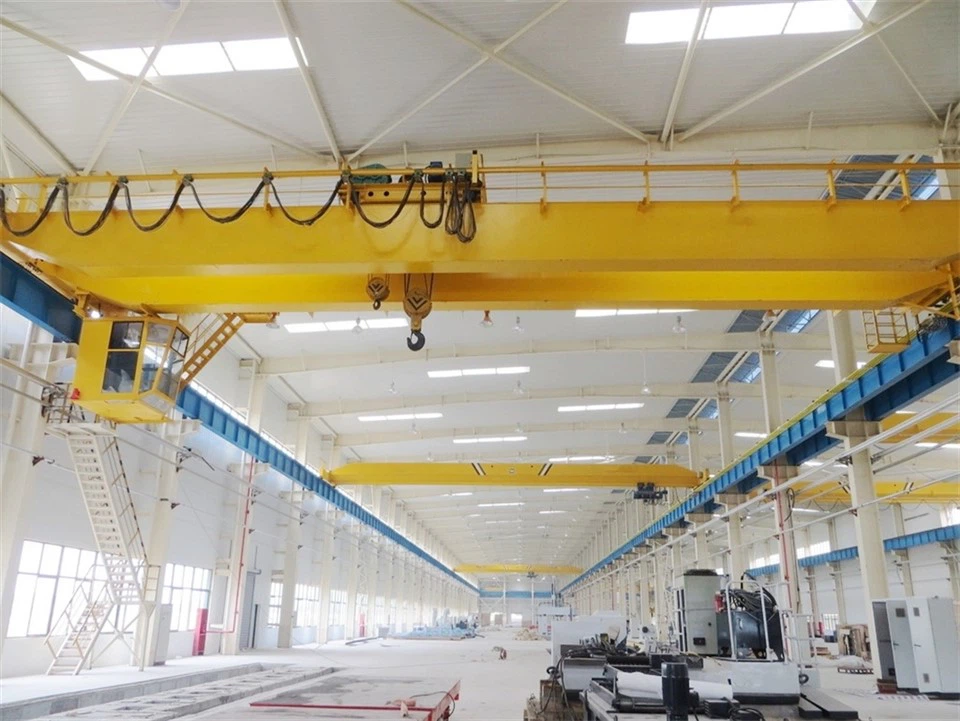
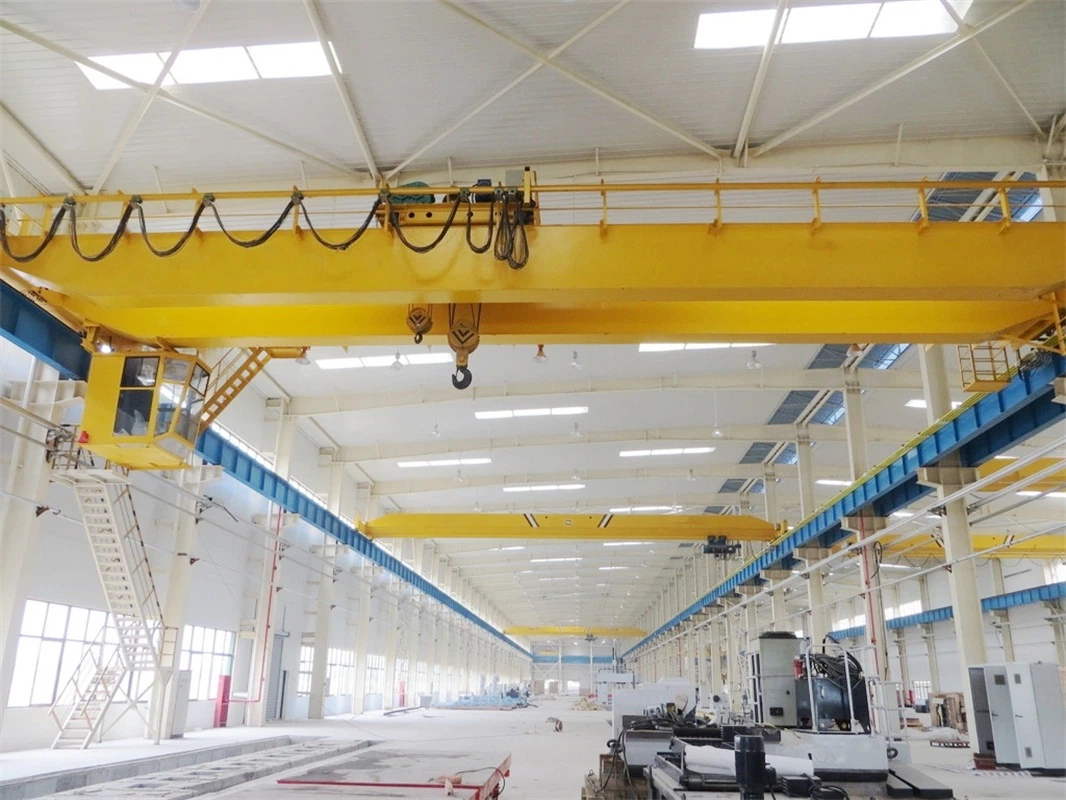
Overhead Crane Company's overhead crane, also known as a bridge crane, is a type of lifting equipment used to move heavy loads in industrial environments such as factories, warehouses, shipyards, and construction sites. It consists of parallel runways with a traveling bridge spanning the gap. A hoist, which is the lifting component, moves along the bridge to lift and transport materials.
Key Components:
Bridge: The main structure that spans the working area.
Hoist: Used to lift and lower the load.
Trolley: Moves the hoist horizontally along the bridge.
Runways: Rails that support the bridge as it moves across the area.
Control System: Operated manually or automatically to control the movement of the crane.
3.Applications:
Manufacturing: Transporting heavy machinery and materials.
Warehousing: Loading and unloading goods.
Construction: Moving steel, concrete, and other building materials.
Shipbuilding: Lifting large components during assembly.
4.In summary, Overhead Crane Company's overhead cranes are essential for handling large, heavy materials efficiently, enhancing productivity, and ensuring safety in various industrial sectors.
Max. Lifting Height:10M, 15M, 6m, 20M, Other
Warranty of core components:1 Year
Warranty:1 Year
Weight (KG):2000 kg
Lifting speed:5-15M/MIN
Lifting Capacity:1 Ton-20 Ton
Power Source:3 Phase 380V 50hz
Core Components:PLC, Engine, Bearing, Gearbox, Motor, Pressure vessel, Gear, Pump
Place of Origin:Henan, China
Feature:Bridge Crane
Condition:New
Pictures & Components
1.Main beam
1.The main beam (also known as the bridge girder) of Overhead Crane Company's overhead crane is a crucial component that spans the gap between the crane's supports. It carries the load during lifting and ensures smooth and stable operation of the crane.
2.The main beam supports the hoist and trolley, which move along it to lift and transport loads.It evenly distributes the weight of the load to the crane's supporting structures there are two main beams for heavier loads. This design increases the crane's capacity and stability.here are two main beams for heavier loads. This design increases the crane's capacity and stability.
3.Regular inspection is needed to check for stress fractures, deformation, or other signs of wear to maintain safe operation.
4.The main beam of Overhead Crane Company's overhead crane is a critical component designed to endure extreme operational conditions. Its robust design, heat resistance, and load-carrying capacity ensure that the crane can safely and efficiently handle the rigors of molten metal transportation, contributing to the overall reliability of the Overhead Crane Company's overhead crane.

Lifting System
The lifting system of Overhead Crane Company's overhead crane is responsible for raising, lowering, and holding loads. This system is the core of the crane's functionality and consists of various components that work together to perform lifting tasks efficiently and safely.
2.Summary of Lifting System Components:
Hoist: Motor, drum, and control mechanism.
Wire Rope/Chain: Carries the load.
Pulley System (Sheaves): Guides the rope or chain.
Hook: Attaches to the load.
Trolley: Moves the hoist along the crane.
Limit Switches: Protects from over-lifting or over-lowering.
Load Sensor: Ensures safe lifting by monitoring the load.
Control System: Operates the lifting system.
Brake System: Secures the load in place.
Gearbox: Provides torque for lifting.
Together, these components form a cohesive system that allows the crane to lift, move, and position heavy loads safely and efficiently.


3.End carriage
1.The end carriage (also called end truck) of an overhead crane is an essential component that supports the main beam and allows the crane to move along the runway. It plays a crucial role in enabling the crane's horizontal motion and ensuring the stability of the structure.
2.The end carriage supports the main girder or bridge of the crane, attaching to either side of the girder and carrying the load as the crane moves.
3.Summary of End Carriage Components:
Wheels: Flanged or flat wheels for smooth movement along the rails.
Drive Motor: Powers the movement of the crane.
Gearbox: Transmits power from the motor to the wheels.
Buffer (Bumper): Absorbs impact and prevents damage.
Travel Limit Switches: Automatically stop the crane at the runway ends.
Rail Clamp: Secures the crane to the rails during rest or in windy conditions.
Design: High-strength steel construction for durability.
4.In essence, the end carriage plays a fundamental role in ensuring the crane's horizontal mobility and stability while carrying out load-handling tasks.


4.Crane travelling mechanism
1.The crane travelling mechanism of Overhead Crane Company's overhead crane enables the horizontal movement of the crane along the runway, allowing it to transport loads across a wide area. This system consists of motors, gearboxes, wheels, and control systems that work together to move the crane smoothly and precisely.
2.Summary of Travelling Mechanism Components:
Drive Motor: Powers crane movement.
Gearbox: Provides torque and controls speed.
Wheels: Run along the runway rails.
End Carriage: Houses wheels and supports movement.
Runway Rails: Provide the path for crane travel.
Control System: Operates the crane's movement.
Braking System: Ensures safe stopping of the crane.
Limit Switches: Protect the crane from over-travel.
Anti-Sway Technology: Reduces load swinging for safer operation.
3.In conclusion, the crane travelling mechanism ensures that the crane can move horizontally along the runway beams efficiently, carrying loads across the workspace while maintaining stability and safety. Proper maintenance and control of this system are critical to the safe operation of the overhead crane.
5.Trolley travelling mechanism
1.The trolley travelling mechanism of an overhead crane allows the hoist and trolley to move horizontally along the crane's main girder (or girders). This system provides precise lateral movement of the load within the crane's span and complements the crane's overall motion along the runway.
2.Summary of Trolley Travelling Mechanism Components:
Trolley Frame: Supports the hoist and travelling components.
Drive Motor: Powers the trolley's horizontal movement.
Gearbox: Transfers motor power to the wheels.
Wheels: Run along rails on the main girder.
Rail System: Guides the trolley movement.
Braking System: Ensures controlled stops and holds the trolley in position.
Control System: Operates the trolley's movement via pendant, remote, or cab control.
Limit Switches: Prevents the trolley from over-traveling.
Buffers: Absorb impact and prevent damage.
3.The trolley travelling mechanism is essential for moving the hoist and load laterally along the crane's girder(s), providing flexibility and precision in load handling across a wide working area. Proper maintenance and control ensure the safety, efficiency, and longevity of Overhead Crane Company's overhead crane system.
6.Crane wheel
1.The crane wheels of an overhead crane are crucial components that facilitate the movement of the crane along its runway beams. These wheels are mounted on the end carriages and the trolley, enabling both the entire crane and the trolley to move horizontally. They are designed to support heavy loads, reduce friction, and ensure smooth and precise movement.
2.The primary function of crane wheels is to allow the crane to travel along the runway beams and the trolley to move along the girders.Crane wheels support the weight of the crane, the hoist, and the load being lifted, distributing this weight evenly across the rails.Flanged crane wheels help maintain the proper alignment of the crane or trolley on the rails, preventing derailment.
3.Summary of Crane Wheel Components and Functions:
Wheel Tread: The surface that contacts the rail, designed for wear resistance.
Wheel Flange: Keeps the wheel aligned on the rail and prevents derailment.
Axle and Bearings: Support the wheel's rotation and reduce friction.
Hub: Connects the wheel to the axle, providing structural integrity.
Material: Typically made of forged steel for durability and strength.
Maintenance: Regular lubrication, inspection, and alignment are critical for longevity and safety.
4.Crane wheels are essential for the smooth and efficient operation of Overhead Crane Company's overhead cranes, ensuring that the crane can move safely and effectively along its runway. Regular maintenance and proper selection of crane wheels are critical to maintaining crane performance and safety.
 |
 |
 |
7.Crane Hook
1.The crane hook is one of the most critical components of an overhead crane, responsible for attaching and supporting the load during lifting operations. It connects the crane's hoisting mechanism to the load, and it must be durable, strong, and safe to handle the heavy loads typical of crane operations.
2.The crane hook is used to attach various lifting devices (slings, chains, shackles, etc.) to the load being lifted.Load Handling: It provides a secure connection between the crane's lifting mechanism (usually a wire rope or chain hoist) and the load, ensuring safe lifting and movement.Load Control: A well-designed hook ensures that the load is balanced and properly aligned during lifting, minimizing the risk of accidents.
3.Summary of Crane Hook Components and Functions:
Hook Body: Supports the load and transfers the lifting force.Safety Latch: Prevents slings or chains from slipping off the hook.Shank/Eye: Connects the hook to the hoist or lifting mechanism.Bearing/Swivel: Allows rotation to prevent rope twisting.Material: Forged or alloy steel for strength and durability.
4.The crane hook is an indispensable part of overhead crane systems, responsible for safely connecting the load to the lifting mechanism. Its design, material, and proper maintenance are critical to ensure safe and efficient crane operations. Regular inspection, adherence to load limits, and ensuring proper load distribution are key to preventing accidents and ensuring the longevity of the hook.
 |
 |
 |
Motor
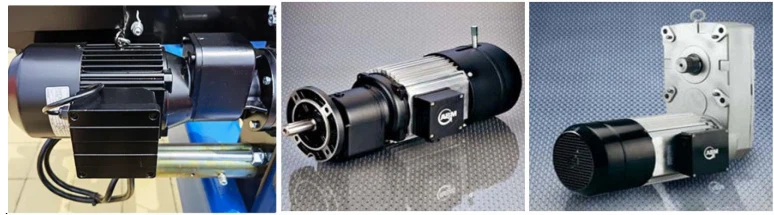
1.The motor of an overhead crane is a critical component that provides the mechanical power needed to lift, lower, and move heavy loads. Motors in overhead cranes can be classified based on their functions, such as hoisting, trolley movement, or crane travel. These motors must be robust and reliable, as they handle significant loads and are essential for the crane's safe and efficient operation.
2.Motors in overhead cranes are rated based on their power output, typically measured in kilowatts (kW) or horsepower (HP). The power rating determines the maximum load the crane can lift and the speed at which it can operate.
3.Summary of Crane Motors:
Hoist Motor: Powers the lifting mechanism, responsible for vertical movement.Trolley Motor: Controls horizontal movement of the trolley along the bridge.Crane Travel Motor: Moves the entire crane along the runway beams.

Sound and light alarm system & limit switch
1.The sound and light alarm system and limit switches are essential safety features of overhead cranes, designed to ensure safe operation and prevent accidents.
2.Sound and Light Alarm System
Purpose:Safety Alerts: The sound and light alarm system is used to alert operators and personnel about the crane's operational status, potential hazards, or safety concerns.Warning Signals: It provides both audible and visual warnings to ensure that warnings are noticeable in various conditions, such as noisy environments or areas with low visibility.
3.Limit Switch
Purpose:Prevent Overtravel: Limit switches are used to prevent the crane from moving beyond its intended range of motion, protecting both the crane and the surrounding environment from damage.Safety: They ensure that the crane does not exceed its operational limits, thereby preventing accidents and equipment failure.
4.Summary
Sound and Light Alarm System:
Purpose: Provides audible and visual warnings to enhance safety and alert operators and personnel about crane status or potential hazards.
Components: Includes horns or sirens (sound) and flashing lights or beacons (visual).Functions: Warns of operational status, overload conditions, and emergencies.
Limit Switches:
Purpose: Prevents the crane from moving beyond its designated operational limits, protecting both the equipment and the environment.
Types: Includes travel limit switches, hoist limit switches, and emergency stop switches.Components: Features mechanical or electronic contacts and actuators that stop the crane at predetermined positions.
Both the sound and light alarm system and limit switches play a crucial role in ensuring the safe and efficient operation of overhead cranes, helping to prevent accidents and maintain operational integrity.

10.Safety Devices
1. Limit Switches
1.1. Travel Limit Switches
Purpose: Prevent the crane from moving beyond its designated travel path (horizontal movement).
Function: Automatically cut off power to the motor or trigger an alarm when the crane reaches the end of its travel range.
1.2. Hoist Limit Switches
Purpose: Stop the hoist mechanism when it reaches its maximum or minimum lifting height.
Function: Prevents the hook or load from moving too high or too low, avoiding potential damage.
1.3. Emergency Stop Switches
Purpose: Immediately stop all crane operations in the event of an emergency.
Function: Can be manually activated by the operator or triggered automatically if a critical fault is detected.
2. Overload Protection
2.1. Overload Limit Switch
Purpose: Prevent the crane from lifting loads that exceed its rated capacity.
Function: Monitors the load weight and triggers an alarm or stops the lifting mechanism if the load exceeds the safe working limit.
2.2. Load Cell
Purpose: Measure the load weight and provide data for overload protection systems.
Function: Provides real-time load weight information to the crane control system, helping to prevent overload situations.
3. Anti-Two Block System
3.1. Anti-Two Block Device
Purpose: Prevent the hook from coming into contact with the hoist mechanism or other parts of the crane.
Function: Detects when the hook is too close to the hoist and prevents further lifting to avoid damage.
4. Crane Collision Avoidance
4.1. Collision Sensors
Purpose: Prevent collisions between the crane and other objects or cranes in the vicinity.
Function: Uses sensors to detect obstacles and automatically stop or adjust the crane's movement to avoid collisions.
4.2. Proximity Sensors
Purpose: Detect the presence of objects or personnel near the crane.
Function: Trigger warnings or stop the crane if an object or person is detected in a dangerous area.
5. Safety Interlocks
5.1. Hoist Brake System
Purpose: Prevent uncontrolled descent of the load if the hoist motor fails.
Function: Automatically engages brakes to hold the load securely in place if a malfunction occurs.
5.2. Trolley Brake System
Purpose: Ensure the trolley remains in place when not in operation.
Function: Engages brakes to prevent unwanted movement of the trolley, especially on inclines.
11.Control Mode
1.Manual Control
Operator Control: In manual mode, the crane is operated directly by a human operator using controls located in the crane's operator cab or via a handheld control pendant.Control Devices: Operators use joysticks, buttons, and levers to control the crane's movements, including hoisting, traveling, and trolley operations.
2.Automatic Control
Automated Systems: In automatic mode, the crane is controlled by a computerized system or programmable logic controller (PLC) that manages its operations based on pre-set programs or sequences.Control Features: The system can be programmed to execute specific tasks, such as lifting, traveling, and positioning, with high precision and repeatability.
3.Remote Control
Wireless Control: Operators use a wireless remote control unit to operate the crane from a safe distance. This can be particularly useful in hazardous environments or when the crane is handling molten metal.Control Features: Remote controls typically include buttons or joysticks to manage various crane functions, and may offer display screens for real-time data and diagnostics.Advantages: Enhances safety by allowing operators to remain at a safe distance from the crane's operations.

12.Sketch

Main technical

Advantages
1. Enhanced Load Handling Capabilities
Heavy Lifting: Overhead cranes are designed to lift and move very heavy loads, making them ideal for industries like manufacturing, construction, and warehousing.
High Capacity: They can handle large and bulky items that might be difficult or impossible to move with other types of lifting equipment.
2. Improved Safety
Reduced Manual Handling: By automating the lifting and moving of heavy loads, Overhead Crane Company's overhead cranes significantly reduce the risk of injury to personnel compared to manual lifting methods.
Safety Features: Equipped with safety devices like limit switches, overload protection, and emergency stop systems, overhead cranes help prevent accidents and ensure safe operation.
3. Increased Efficiency
Faster Operations: Overhead cranes can move loads quickly and efficiently, which speeds up the production process and reduces downtime.
Continuous Operation: They are designed for high-frequency use and can operate continuously, improving overall productivity.
4. Space Utilization
Optimized Floor Space: By operating overhead, these cranes free up valuable floor space for other activities or storage, making better use of the available area.
Compact Design: The vertical lifting capability allows for more efficient use of space in environments with limited floor space.
5. Precision and Control
Accurate Load Placement: Overhead Crane Company's overhead cranes provide precise control over load movement, allowing for accurate placement and alignment of heavy items.
Adjustable Speed: Many overhead cranes have variable speed controls, enabling operators to move loads slowly and carefully when needed.
6. Versatility
Multiple Configurations: Overhead cranes can be configured in various ways (e.g., single-girder, double-girder, gantry) to suit different operational needs and environments.
Adaptability: They can be used in a wide range of applications, including manufacturing, warehousing, construction, and maintenance.
7. Ease of Operation
Operator Control: Overhead cranes can be controlled manually (via pendant or cab control) or remotely (using radio or infrared controls), offering flexibility and ease of use.
Application:
1.Steel Production and Processing
Charging and Tapping: Used for charging furnaces with raw materials and tapping molten steel into ladles.
Slab and Billet Handling: Efficiently transports steel slabs, billets, and other semi-finished products from one part of the plant to another.
Hot Metal Handling: Manages the handling and movement of molten steel and other hot materials in various stages of the steelmaking process.
2. Casting and Mold Handling
Ladle Management: Moves ladles filled with molten metal to and from casting stations, ensuring precise positioning and transfer.
Mold Positioning: Lifts and positions molds for casting operations, facilitating the production of metal castings with various shapes and sizes.
3. Metal Smelting
Furnace Charging: Handles the loading of raw materials into smelting furnaces, such as ore, flux, and other additives.
Metal Pouring: Controls the pouring of molten metal into molds or other containers, ensuring accurate and controlled operations.
4. Foundries
Casting Operations: Supports the casting of metal parts and components by handling molds, core boxes, and finished castings.
Cleaning and Finishing: Moves and positions metal castings during cleaning, finishing, and inspection processes.
5. Rolling Mills
Material Transport: Transfers hot or cold rolled metal sheets, plates, and coils between various stages of the rolling mill process.
Recoil Handling: Manages the handling of large coils and reels of metal, facilitating their storage and processing.
6. Metal Fabrication
Component Handling: Moves large metal components and assemblies during fabrication and assembly processes.
Material Storage: Manages the storage and retrieval of raw materials and finished products in fabrication shops.
7. Automotive and Aerospace Manufacturing
Heavy Component Lifting: Handles large and heavy components used in automotive and aerospace manufacturing, such as engine parts and structural components.
Assembly Line Support: Assists in the assembly of large assemblies and structures, providing precise lifting and positioning.
8. Recycling and Waste Management
Scrap Metal Handling: Manages the loading and unloading of scrap metal and other recyclable materials in recycling plants.
Crane production procedure
1. Design and Engineering
Detailed Engineering: Develop detailed engineering drawings and specifications, including the main beam, hoist, trolley, end carriages, and other components.
Simulation and Modeling: Use computer-aided design (CAD) and simulation tools to model the crane's performance and optimize its design.
2. Material Selection
Material Specifications: Select high-quality materials that meet the requirements for strength, durability, and heat resistance. Common materials include high-strength steel, alloys, and specialized coatings.
Procurement: Source materials from approved suppliers, ensuring they meet the necessary quality and certification standards.
3. Component Fabrication
Cutting and Shaping: Cut and shape raw materials into the required components, such as beams, columns, and brackets. This may involve processes like plasma cutting, laser cutting, and machining.Welding and Assembly: Weld components together to form the crane's structural elements. This includes welding the main beam, end carriages, and other load-bearing parts.
4. Assembly
Sub-Assembly: Assemble individual components, such as the hoisting system, trolley, and end carriages, into sub-assemblies. This involves fitting parts together and ensuring proper alignment.Main Assembly: Combine sub-assemblies to construct the complete crane structure. This includes mounting the hoist and trolley on the main beam, attaching the end carriages, and installing the control systems.
5. Integration of Systems
Electrical Systems: Install electrical components, including motors, control panels, wiring, and sensors. Ensure that the crane's electrical systems are properly integrated and tested.
Control Systems: Implement and configure control systems, such as programmable logic controllers (PLCs), remote controls, and safety devices. Verify that the control systems function correctly and are calibrated.
6. Testing and Quality Assurance
Pre-Operational Testing: Conduct pre-operational tests to check the crane's functionality, including load testing, operational testing of the lifting and traveling mechanisms, and control system checks.
Safety Testing: Verify that safety features, such as limit switches, alarms, and emergency stops, are working correctly and meet safety standards.
Inspection: Perform a detailed inspection of the crane's structure and components to ensure compliance with design specifications and quality standards.
7. Final Adjustments and Calibration
Fine-Tuning: Make any necessary adjustments to optimize the crane's performance and ensure smooth operation. This may include calibrating sensors, adjusting controls, and fine-tuning the lifting system.
Documentation: Prepare and review documentation, including operation manuals, maintenance guides, and safety instructions.
8. Delivery and Installation
Transport: Arrange for the transport of the crane to the installation site, ensuring that it is handled and shipped safely to prevent damage.
Installation: Oversee the installation of the crane at the customer's facility, including assembly, alignment, and connection to power sources and control systems.
Training: Provide training for operators and maintenance personnel to ensure they are familiar with the crane's operation and safety procedures.
9. Commissioning and Handover
Commissioning: Conduct final commissioning tests to verify that the crane operates correctly under real-world conditions and meets performance specifications.
Handover: Officially hand over the crane to the customer, providing all necessary documentation, including certificates of compliance, warranty information, and maintenance schedules.

Workshop view
Material Inspection
Quality Inspection: Strict quality inspection is carried out on the purchased raw materials to ensure that they meet the design requirements and national standards.
Material Storage: Qualified materials are stored according to classification to prevent corrosion or damage.
Cutting and Forming
Steel Cutting: Use plasma cutting, laser cutting or flame cutting and other technologies to cut the steel according to the size of the design drawing.
Forming Processing: Form the steel plate through bending, rolling, welding and other processes to manufacture the main beam, end beam and other structural parts.
Welding
Component Welding: The cut and formed steel parts are welded into the main structures such as the main beam, end beam and trolley. The welding process needs to be strictly controlled to ensure the structural strength and welding quality.
Weld Inspection: Use non-destructive testing technology (such as ultrasonic testing, radiographic testing) to inspect the welds to ensure that there are no cracks or other defects.
Machining
Precision Machining: Precision machining is performed on the key components of the crane, such as wheel sets, bearing seats, pulleys, etc., to ensure their dimensional accuracy and surface quality.
Assembly of the whole machine
General assembly: On the basis of pre-assembly, the overall assembly of the crane is carried out, including the final installation of the main beam, end beam, lifting mechanism, walking mechanism, etc.
Commissioning and testing
Under dynamic conditions, the operating performance of the crane is tested, including the testing of lifting, walking, steering and other functions. The overall size of the assembled bridge crane is checked to ensure that all dimensions meet the design requirements.
Spraying and anti-corrosion treatment
Surface treatment Rust removal: Rust removal on the surface of the crane, common methods include sandblasting, pickling, etc. Primer spraying: Spray anti-corrosion primer on the treated surface to prevent metal oxidation and corrosion. Topcoat spraying Color spraying: Spray topcoat according to customer requirements or industry standards to give the crane a protective and decorative effect. Marking: After spraying, mark the crane's identification information in accordance with the specifications, such as model, rated load, etc.
Factory and installation
Packaging and transportation
Packaging protection: Protectively package the key components of the crane to prevent damage during transportation. Transportation arrangement: According to the equipment size and transportation conditions, select a suitable transportation method to transport the crane to the customer's site.
Acceptance and delivery
Customer acceptance
On-site acceptance: The customer conducts on-site acceptance of the crane according to the contract requirements and technical specifications to check the performance and quality of the equipment.
Problem rectification: If any problems are found, the manufacturer needs to rectify them in time to ensure that the equipment fully meets the customer's requirements. Delivery and use Operation training: The manufacturer usually trains the customer's operators to ensure that they can operate the crane correctly and safely.


Hot Tags: overhead crane company, China overhead crane company manufacturers, suppliers, factory
Previous
Overhead Travelling CraneYou Might Also Like


Send Inquiry