










Steel Mill Crane
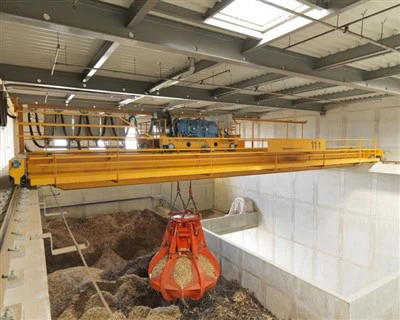
Process cranes are designed for heavy duty operations with guaranteed performance and safety. Steel mill cranes are usually designed to specific specifications. Steel engineers have a standardized set of requirements for the design of these process cranes.

Max. Lifting Load:15 tons
Span:10.5~31.5m
Lifting height:12m 16m 30m
Working System:A3-A7
Power Source:3 Phase 380V 50hz
Span:10.5~31.5m
Crane weight:19330kg
Trolley track recommended:43KG/M
Color:Optional
Pictures & Components

1. Load-bearing components:
Hook: used to connect and lift the load.

Lifting cable: made of high-strength steel wire or optical cable, supports and transfers the load to the Steel Mill Crane's hoisting mechanism.
Sling: made of synthetic fiber or metal chain, it can fix the load and prevent it from slipping or falling during transportation.
Lifting mechanism:

Motor: provides power to the hoisting mechanism.
Gearbox: transmits the rotation of the motor to the lifting cable or drum.
Brake: used to control the descent of the load and ensure safety.
Limit switch: prevents overloading and protects the hoisting mechanism from damage.
3. Guiding and stabilizing components:
Truck: fixes the travel path of the Steel Mill Crane.
Crawler wheel: installed on the Steel Mill Crane chassis and guides the crane along the track.
Counterweight: used to balance the load and maintain the stability of the crane.
Outrigger: extends from the crane base to provide additional stability during operation.
4.Control system:

Control room: contains operator control and monitoring equipment.
Joystick: used to control the movement of the Steel Mill Crane.
Buttons and switches: used to control the crane, boom and other functions.
Sensors: monitor the position, speed and other parameters of the crane to ensure safe operation. Safety devices:
Safety locks: prevent unauthorized operation or contact with the crane.
Overload indicator: alerts the operator if the load exceeds the crane's carrying capacity.
Emergency stop button: immediately stops the crane movement in an emergency.
5. Electrical system:
Transformer: increases or decreases the voltage to power the various components of the crane.
Circuit breakers: protect the electrical system from overload and short circuit.
6. Other components:
Machine room: houses motors and other electrical equipment.
Cab: provides a safe working environment for the operator.
Platforms and ladders: used for maintenance and inspection.
Main technical data

Products Description

1. Heavy lifting capabilities: Steel mill cranes can lift and move heavy materials, such as heavy steel plates, coils, rebar, and other metal products that are essential to the manufacturing process.
2. Improved efficiency: Cranes can significantly improve the efficiency of material handling within a steel mill, reducing the time required to move materials from one location to another.
3. Safety: Cranes allow trained operators to lift and move heavy objects using specialized equipment, reducing the risk of worker injury and property damage.
4. Versatility: Different types of steel mill cranes include bridge cranes for general material handling, gantry cranes for specific tasks such as operating furnaces, and mobile cranes for tasks that require flexible movement, including cranes.
5. Improved productivity: Cranes can be integrated into automated systems for continuous operation, helping to increase productivity in steel production lines.
6. Strong construction: Steel mill cranes can withstand the harsh conditions of a steel mill, such as heat, water, chemicals, and abrasives.
7. Customization: Cranes can be customized to meet the specific needs of a steel mill, including boom length, lifting capacity, speed, and control systems.
8. Maintenance: Regular maintenance of the crane will keep it in optimal operating condition and reduce the risk of breakdowns and downtime.
9. Compliance with regulations: Modern cranes are designed to comply with international safety standards and regulations to ensure a safe working environment.
10. Cost-effectiveness: While the initial investment in a steel mill crane may be high, it will be a cost-effective solution through long-term cost savings through increased efficiency, reduced labor requirements, and reduced risk of accidents.
Application

Material handling: Steel mill cranes move various materials such as raw materials (iron ore, coal, scrap metal), semi-finished products (billets, slabs, blooms), and finished products (steel plates, bars, pipes) within steel mills. The steel production process uses mobile.
Hot rolled steel: Cranes are used in the hot rolling process to transport hot rolled coils or steel plates from the steel mill to the cooling bed or subsequent processing machinery.
Cold rolled steel: Steel mill cranes participate in the cold rolling process and move cold rolled steel coils, steel plates, and steel strips during production and inspection.
Galvanizing and painting: During the galvanizing and painting process, cranes are used to move steel plates and transport them between various processing tanks and drying equipment.
Rebar: Steel mill cranes are used in the production of rebar (rebar), handling raw materials, finished bars, and transporting them to warehouses or further processing areas.
Pipeline manufacturing: Cranes are crucial in the pipeline manufacturing process and are used to move raw materials (such as coils and plates), form materials into pipelines, and transport them to inspection and testing areas.
Structural Steel: Steel mill cranes are used to fabricate structural steel components such as beams, columns and girders, to move raw materials, to carry finished parts and to move them for further processing or transportation.
Heat Treatment: Cranes play a key role in the heat treatment process, lifting steel components in and out of ovens, furnaces and quench tanks.
Welding and Assembly: Steel mill cranes are used in the welding and assembly processes of steel and to move parts during the manufacturing and construction processes.
Maintenance and Repair: Cranes are used for the maintenance and repair of steel mill equipment and infrastructure, including lifting and placing heavy parts, equipment and machinery.

Crane production procedure

Workshop view
The company has installed an intelligent equipment management platform, and has installed 310 sets (sets) of handling and welding robots. After the completion of the plan, there will be more than 500 sets (sets), and the equipment networking rate will reach 95%. 32 welding lines have been put into use, 50 are planned to be installed, and the automation rate of the entire product line has reached


Hot Tags: steel mill crane, China steel mill crane manufacturers, suppliers, factory
You Might Also Like



Send Inquiry