







Low Level Slewing Overhead Crane With Carrier Beam

Low Level Slewing Overhead Crane With Carrier Beam
Low Level Slewing Overhead Crane With Carrier Beam

Low Level Slewing Overhead Crane With Carrier Beam

Low Level Slewing Overhead Crane With Carrier Beam

Low Level Slewing Overhead Crane With Carrier Beam
Low Level Slewing Overhead Crane With Carrier Beam
Low Level Slewing Overhead Crane With Carrier Beam
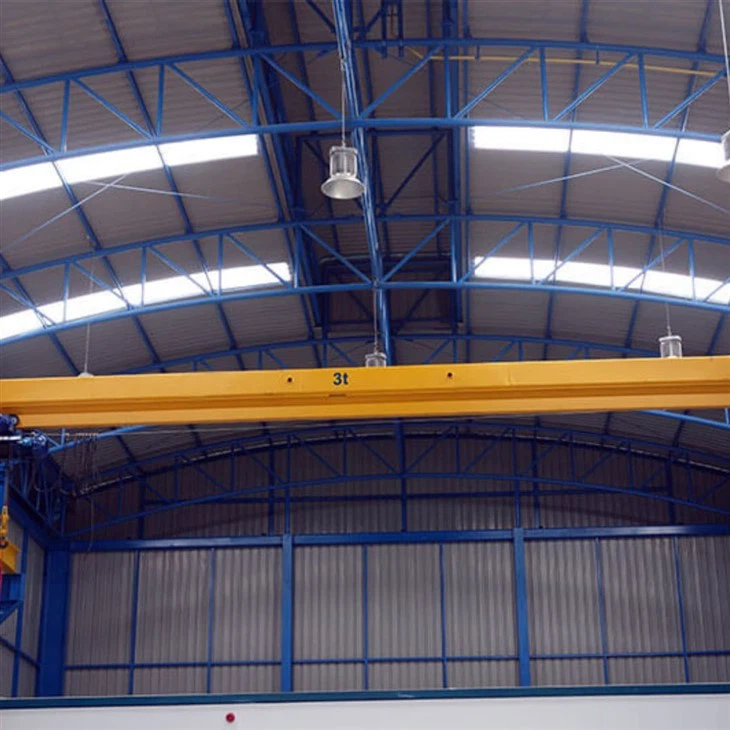
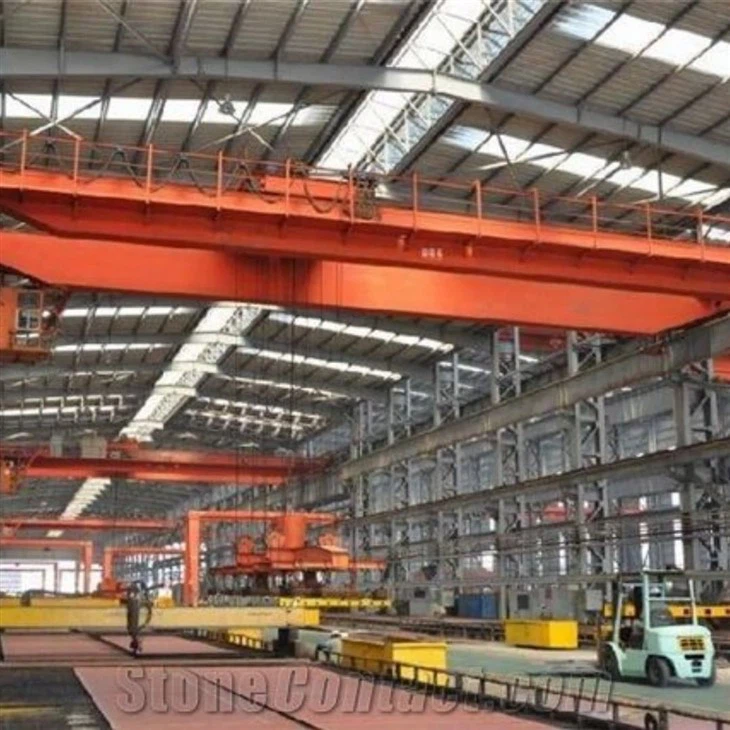
A low-level slewing overhead crane with a carrier beam is a specialized material handling system designed for applications where overhead space is limited, but there is still a need for precise and flexible load handling. It combines the benefits of an overhead crane system, slewing (rotational) capability, and the use of a carrier beam to handle long or heavy loads efficiently.
Key Features:
Low-Level Design:
The crane operates at a lower height compared to high-level overhead cranes, making it suitable for facilities with restricted headroom or where installation of a high-level crane is impractical.
Ideal for workshops, warehouses, and manufacturing areas where space constraints exist.
Slewing Mechanism:
The slewing function allows part of the crane, typically the carrier beam or the hoisting mechanism, to rotate around a vertical axis. This provides enhanced flexibility for load positioning without needing to move the entire crane structure.
Carrier Beam:
The carrier beam (also known as a spreader beam) is used to lift and support long or bulky loads. It ensures even weight distribution and stability during lifting, preventing load tilting.
Commonly used to handle loads like steel plates, large components, or long materials that require support at multiple points.
Mobility and Precision:
Despite its lower height, the crane provides full control over the lifting, lowering, and positioning of loads. The combination of slewing and the carrier beam allows for precise handling, even in tight or confined spaces.
Applications:
This type of crane is used in environments where high-level cranes are not feasible, such as small workshops, assembly areas, or facilities with low ceilings. It's especially useful for industries that handle heavy machinery, steel structures, or long materials.
Benefits:
Space Efficiency: Operates in environments with limited headroom.
Precise Load Handling: The slewing and carrier beam provide enhanced control over load positioning.
Safety: Even load distribution and anti-sway systems help ensure safe operation, reducing the risk of accidents.
Versatility: Can handle a wide range of loads and materials, making it adaptable for various industrial applications.

Pictures & Components
A low-level slewing overhead crane with a carrier beam consists of several important components that work together to provide efficient load handling at lower heights, while still offering the flexibility and precision of slewing and the use of a carrier beam. Below are the main components of this crane system:
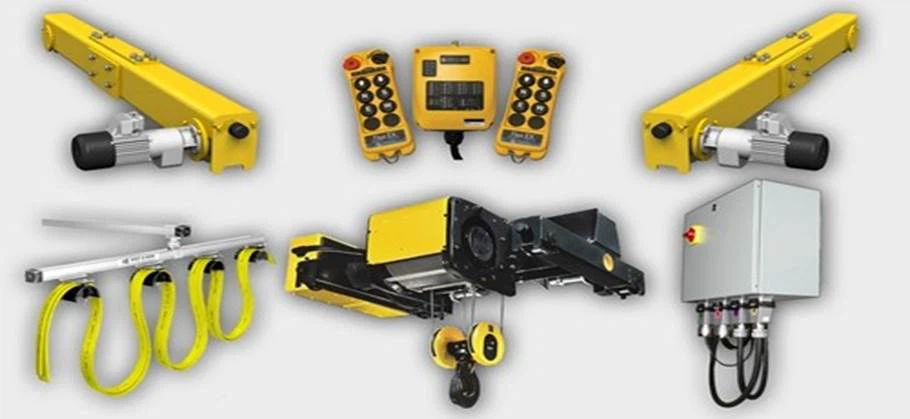
1. Bridge or Girder
Function: The bridge (also called the girder) is the main horizontal structure that spans across the workspace. It supports the trolley and hoist mechanism and moves along the runway rails.
Design: Typically built as a single or double girder, depending on load requirements. For low-level cranes, the bridge may be closer to the floor or work surface due to height constraints.
2. Runway Rails
Function: Rails mounted on the walls or support structures that the bridge travels along. These allow the crane to move longitudinally across the workspace.
Materials: Typically made from high-strength steel, ensuring stability and smooth motion even under heavy loads.
3. Trolley
Function: The trolley moves along the bridge (from side to side) and holds the hoist. It allows for transverse movement, providing flexibility in load positioning.
Low-Level Design: For low-level cranes, the trolley is designed to sit closer to the girder to maintain a low profile and maximize vertical space.
4. Hoist
Function: The hoist is the mechanism responsible for lifting and lowering loads. It is mounted on the trolley and uses chains or wire ropes to raise and support the load.
Types: Can be a chain hoist or wire rope hoist, depending on load requirements. For low-level cranes, compact hoist designs are often used to reduce the overall height of the crane.

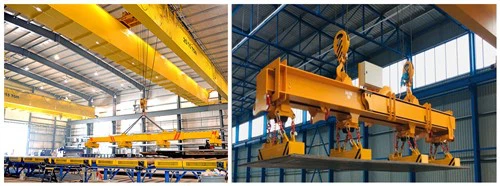
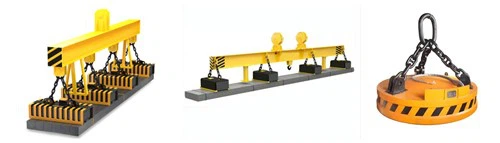
5. Carrier Beam (Spreader Beam)
Function: The carrier (or spreader) beam is a horizontal beam used to lift and support long, bulky, or uneven loads. It ensures that the load is evenly distributed and helps prevent tilting or instability.
Load Distribution: The carrier beam is attached to the hoist, and it typically features multiple lifting points (hooks, magnets, slings, etc.) to handle different types of loads.
6. Slewing Mechanism
Function: The slewing mechanism allows the carrier beam or hoisting assembly to rotate around a vertical axis. This rotational movement provides additional flexibility in positioning the load without having to move the entire crane.
Control: Slewing can be operated manually or powered by electric or hydraulic motors, allowing the operator to rotate the load precisely for accurate placement.
7. End Trucks
Function: End trucks are located at the ends of the bridge and enable the entire crane to move along the runway rails. These trucks are powered by motors, allowing the bridge to travel longitudinally across the workspace.
Compact Design: In low-level cranes, the end trucks are often designed to minimize height, ensuring the crane operates efficiently in space-constrained environments.
8. Control System
Function: The control system manages all crane operations, including lifting, lowering, moving the trolley, slewing, and operating the bridge. It ensures precise control over the crane's movement and positioning.
Control Options: The system can be operated via pendant control (handheld), wireless remote control, or a fixed control station, depending on the setup and user preference.
9. Electric Motors
Function: Electric motors power various movements of the crane, including lifting with the hoist, trolley travel, bridge travel, and slewing. These motors ensure smooth and controlled movement of all crane components.
Efficiency: Low-level cranes often use energy-efficient motors to optimize performance in compact spaces.

10. Power Supply System
Function: The power supply system provides electricity to the crane's motors and control system. It ensures continuous power flow for all movements.
Components: May include a conductor bar, festoon cable system, or cable reel to supply power to the moving components.
11. Braking System
Function: The braking system ensures that the crane can stop safely during operation and hold the load securely in place. It is critical for preventing accidental movements or slippage during load handling.
Types: Modern cranes often feature fail-safe brakes that automatically engage in case of power failure.
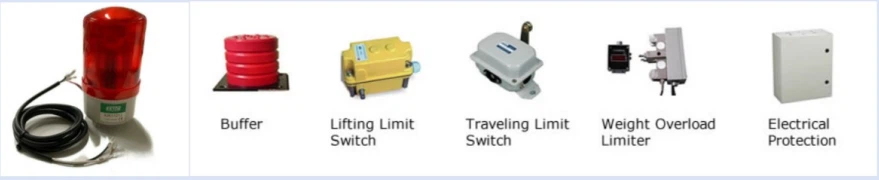
12. Limit Switches and Sensors
Function: Limit switches prevent the crane from moving beyond predefined limits, helping to protect against accidents or equipment damage.
Types: Includes height limit switches (to prevent over-lifting), travel limit switches (to stop the crane or trolley from moving too far), and load sensors (to monitor the weight of the load and prevent overloads).
13. Safety Features
Anti-Sway Systems: Reduce the sway of the load during lifting or moving operations, ensuring smoother and safer material handling.
Overload Protection: Prevents the crane from lifting loads that exceed its rated capacity, minimizing the risk of damage to the crane or the load.
Emergency Stop: Allows the operator to halt all crane operations instantly in case of an emergency.

11. Sketch

Main Technical Data
Advantages
A low-level slewing overhead crane with a carrier beam offers several advantages, particularly in environments with height restrictions and the need for precise, flexible load handling. Here are the key advantages of this type of crane system:
1. Space Efficiency
Low-Headroom Operation: The crane is designed to operate in facilities with limited overhead clearance, making it ideal for workshops, warehouses, and assembly areas where vertical space is constrained.
Maximizes Usable Space: By operating at a low level, the crane does not take up valuable headroom, allowing the workspace to accommodate more equipment or processes.
2. Enhanced Flexibility
Slewing Function: The crane's slewing (rotating) capability allows the carrier beam or hoisting mechanism to rotate around a vertical axis, enabling easy and precise positioning of loads without needing to move the entire crane. This feature is particularly beneficial in tight or confined spaces where full crane movement is limited.
Precision Handling: The combination of slewing motion and transverse trolley movement allows for high-precision load positioning, reducing the time and effort required to align and place loads.
3. Balanced Load Handling
Carrier Beam (Spreader Beam): The carrier beam helps distribute the load evenly, especially for long, bulky, or irregularly shaped items. This ensures that the load remains stable and balanced during lifting, preventing tilting or instability.
Supports Complex Loads: The carrier beam is ideal for handling large or awkwardly shaped objects, such as steel plates, pipes, machinery, or beams, by providing multiple lifting points for balanced load distribution.
4. Increased Safety
Stable Load Handling: The use of a carrier beam minimizes load tilting and movement, which helps prevent accidents during lifting operations.
Anti-Sway Technology: Many modern cranes are equipped with anti-sway technology, which reduces the swinging of the load while it is being moved, ensuring safer and smoother operation.
Overload Protection: Built-in overload protection systems prevent the crane from lifting loads that exceed its rated capacity, ensuring safety for both the operator and the equipment.
5. Versatile Load Handling
Adaptability to Various Load Types: The low-level slewing crane can handle a wide variety of load types, from long materials to heavy machinery and irregularly shaped objects. This versatility makes it suitable for industries like manufacturing, assembly, logistics, and construction.
Customizable Attachments: The carrier beam can be fitted with various attachments, such as hooks, slings, magnets, or clamps, depending on the load requirements. This adaptability enhances the crane's versatility for different applications.
6. Operational Efficiency
Faster Load Positioning: The slewing mechanism allows for faster load positioning since the crane can rotate the load without having to move the entire structure. This saves time and enhances operational efficiency.
Reduced Labor: With precise load handling and minimal load movement, less manual intervention is needed, allowing for faster and more efficient workflows.
7. Cost-Effective Solution
Lower Installation Costs: Low-level cranes often require simpler support structures compared to high-level cranes, which can reduce installation costs. They are typically easier to install in existing facilities with limited headroom.
Durable and Long-Lasting: Built from durable materials, these cranes can handle demanding operations with minimal maintenance, reducing long-term operational costs.
8. Improved Operator Control
Advanced Control Systems: The crane can be controlled via pendant control, wireless remote control, or an operator cabin, depending on the application. These control systems provide precise, easy-to-use interfaces for managing all crane movements, including slewing, lifting, lowering, and trolley travel.
Safety Features: Modern cranes are equipped with advanced safety features like emergency stop buttons, overload sensors, and limit switches, ensuring that operators can control the crane safely and efficiently.
9. Suitable for Tight or Confined Spaces
Slewing in Tight Areas: The slewing function is especially useful in facilities where the crane cannot move freely due to space restrictions. The ability to rotate the load without moving the entire bridge or trolley allows for flexible handling in confined areas.
Reduced Floor Congestion: As the crane operates overhead, it reduces congestion on the work floor compared to other load-handling equipment like forklifts or mobile cranes, leading to safer and more organized work environments.
10. Minimal Maintenance
Simple and Robust Design: The low-level slewing crane's design is simpler compared to high-level or complex systems, making it easier to maintain and operate. The components are often durable and built for long-term use, requiring less frequent maintenance.
Reduced Wear and Tear: Since the crane operates at lower heights and uses controlled slewing and hoisting mechanisms, the wear and tear on parts like motors and brakes is often lower compared to more complex crane systems.
Conclusion
A low-level slewing overhead crane with a carrier beam is an efficient and versatile solution for handling heavy or long loads in environments with limited headroom. Its advantages include enhanced load positioning, space efficiency, improved safety, and operational flexibility. It is a cost-effective and practical solution for industries that need precise load handling in confined or low-height spaces.
Application
1. Workshops and Manufacturing Facilities
Assembly Lines: The crane is useful for handling and positioning components during assembly processes, especially in automotive, aerospace, and machinery manufacturing. Its low-level design allows it to fit into assembly lines with restricted headroom.
Tooling and Equipment Handling: Often used for lifting and moving tools, molds, and heavy equipment that are integral to the manufacturing process.
Precision Positioning: The slewing function allows for precise placement of parts in the assembly process without needing to move the entire crane, improving efficiency in assembly operations.
2. Warehousing and Material Handling
Long Material Handling: Ideal for moving long or bulky materials such as steel beams, pipes, or timber in warehouses where height is restricted. The carrier beam ensures that these loads are balanced and stable.
Storage and Retrieval: The crane can be used to position materials accurately in storage racks or on shelves, especially in tight warehouse spaces where other equipment like forklifts may be impractical.
Inventory Management: It simplifies the movement of goods in low-ceiling storage areas, making it an efficient tool for material handling and inventory management.
3. Steel and Metal Fabrication
Steel Plates and Beams: The carrier beam provides an even lifting surface for handling long steel plates, beams, and structural components. This makes it an essential tool in steel fabrication and metalworking industries.
Metal Sheets and Large Structures: The slewing crane helps in lifting and rotating large sheets of metal or fabricated parts, allowing workers to easily position them for further processing like welding, cutting, or assembly.
4. Shipyards and Dockyards
Handling Heavy Parts: Low-level slewing cranes are often used to move and position large components such as ship sections, machinery, or heavy equipment in shipyards. The slewing function provides flexibility for loading and unloading.
Confined Dock Areas: Since space in dockyards can be limited due to other equipment, a low-level crane can maneuver efficiently without taking up too much vertical space, allowing for better load management in tight areas.
5. Logistics and Freight Terminals
Container and Freight Handling: In logistics centers and freight terminals with limited headroom, low-level slewing cranes can handle containerized goods, bulky cargo, or large freight packages. The carrier beam helps distribute weight evenly for balanced and safe lifting.
Loading/Unloading Trucks and Trains: These cranes are useful for precisely loading or unloading long or irregularly shaped cargo onto trucks, trains, or flatbeds.
6. Construction Sites
Building Components Handling: In construction environments with height restrictions, such as indoor building projects or underground construction, low-level slewing cranes can lift and position structural components like beams, panels, and precast elements.
Material Handling in Confined Spaces: When working in confined construction areas (e.g., inside a building or below ground), the crane's ability to rotate loads without moving the entire crane structure makes it very effective.
7. Power Plants and Utility Operations
Handling Heavy Equipment: Power plants and utility stations often require the movement of large and heavy equipment, such as transformers, turbines, and generators. A low-level slewing crane is ideal for these applications because it can move and position heavy items within confined spaces.
Maintenance Operations: The crane is also useful for maintenance tasks, such as lifting and replacing components in areas with limited headroom, like inside turbines or machinery rooms.
8. Aerospace Industry
Aircraft Component Handling: In aircraft manufacturing and maintenance hangars with limited height, low-level slewing cranes are used to lift and maneuver large aircraft components, such as wings, fuselage sections, and engines.
Precision Placement: The slewing and precise control features of the crane allow for accurate placement of delicate or high-value components in assembly and maintenance processes.
9. Mining and Underground Operations
Low-Ceiling Mine Operations: In mining, especially underground operations, the crane can be used to move equipment, raw materials, and other heavy loads in areas with low ceilings.
Maintenance and Machinery Handling: The crane is also ideal for handling heavy machinery, tools, or components in mining equipment maintenance areas where space is limited.
Crane Production Procedure
The production procedure of a Rotary Carrier Beam Electromagnetic Overhead Crane typically includes the following steps:
1. Design and engineering: The first step is to design and engineer the crane as per the client's requirements and the site constraints.
2. Fabrication of components: Once the design is finalized, the individual components of the crane, such as the beams, trolleys, motors, gearboxes, brakes, and hoists, are fabricated as per the specifications.
3. Assembly of components: The fabricated components are then assembled together according to the design to form the main structure of the crane.
4. Electrical and mechanical installation: The electrical and mechanical systems of the crane, including the power supply, control panels, sensors, and safety devices, are installed and interconnected.
5. Testing and commissioning: After the crane is fully assembled, it undergoes rigorous testing to ensure that all its systems are functioning correctly and working in tandem with each other. Once testing is complete, the crane is commissioned and handed over to the client.
6. Maintenance and service: The crane requires regular maintenance and service to ensure that it remains operational and safe to use. The client can engage the manufacturer or a third-party service provider for maintenance and repair services.

Workshop View
The company has installed an intelligent equipment management platform, and has installed 310 sets (sets) of handling and welding robots. After the completion of the plan, there will be more than 500 sets (sets), and the equipment networking rate will reach 95%. 32 welding lines have been put into use, 50 are planned to be installed, and the automation rate of the entire product line has reached 85%.


Hot Tags: low level slewing overhead crane with carrier beam, China low level slewing overhead crane with carrier beam manufacturers, suppliers, factory, Electromagnetic Overhead Crane with Rotary Carrier Beam, Upper Rotary Electromagnetic Bridge Crane, Electromagnetic Overhead Crane, Magnetic Overhead Crane
You Might Also Like


Send Inquiry