










Electric Overhead Magnetic Crane
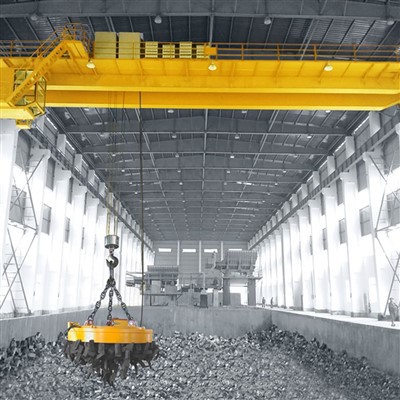
An electric overhead magnetic crane is a type of lifting equipment primarily used in industrial environments to handle large, heavy, or bulky metal materials, especially ferrous metals. These cranes combine the functionality of an overhead crane with an electromagnetic lifting device, making them ideal for moving metal products like steel plates, coils, or scrap metal without needing slings, chains, or hooks.
Key Components:
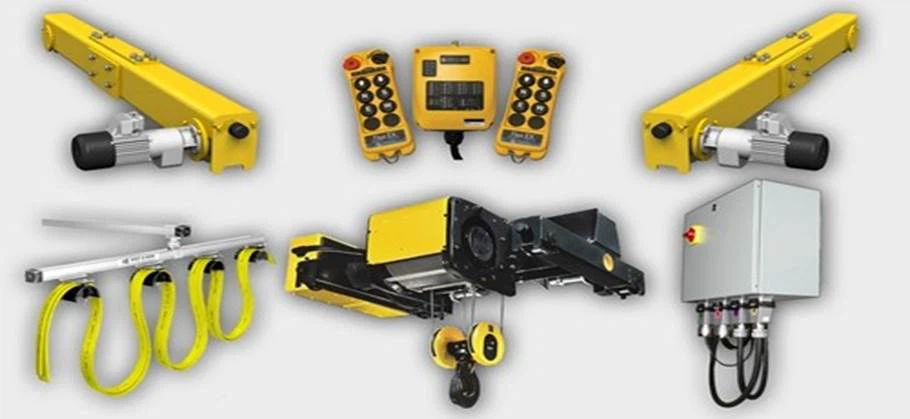
Bridge: The horizontal structure that spans the area to be covered by the crane, supported by rails mounted on the walls of a building or on freestanding structures.
Trolley and Hoist: The trolley travels along the bridge, carrying the hoist, which is responsible for lifting and lowering loads. In a magnetic crane, an electromagnet replaces or supplements the traditional hook.
Electromagnet: This powerful magnet is activated via an electric current to lift ferrous materials. When the current is switched off, the magnet releases the material.
Control System: Operated either manually or automatically, the control system directs the crane's movements and the activation of the electromagnet.
- Capacity: 5-800/50ton
- Span length: 4-35m
- Lifting height: 3-50m
- Work duty: A4, A5, A6,A7
- Raged voltage: 220V~690V, 50-60Hz, 3ph AC
- Work environment temperature: -25℃~+50℃, relative humidity ≤85%
- Crane control mode: Floor control / Remote control / Cabin room

Pictures & Components
1. Whole set crane
Upper Rotary Electromagnetic Bridge Crane is a type of crane used for lifting heavy objects and materials in industrial settings. It features a rotating electromagnet that can be used to lift and transport metal objects with ease. The crane is mounted on a bridge, which spans across the working area, and can move along the tracks to reach different locations. The upper rotary electromagnetic bridge crane is commonly used in steel mills, foundries, and other heavy industries. Its design allows for precise and efficient material handling, making it an essential piece of equipment in various manufacturing processes.

2.Bridge
The bridge is the main structural component of the crane, which spans across the working area.
It is mounted on rails, either on the walls of a building or on freestanding structures, allowing the crane to move horizontally across the workspace.
3. Lifting System
1) Upper Rotary Electromagnetic Bridge Crane Lifting System is a device used for lifting heavy loads in various industries. This lifting system is composed of an upper rotary electromagnetic system that provides a powerful magnetic field to lift heavy loads.
2) The upper rotary electromagnetic system is designed to exert a strong magnetic force that holds the load tight during the lifting process. This system is composed of a powerful electromagnet that can generate a magnetic field of several tons. The magnet is controlled by a powerful electrical system that ensures the lifting process is smooth and efficient.
3) The lifting system also includes a crane system that provides support and stability during the lifting process. The crane system is composed of a bridge that spans the workspace and a trolley that moves along the bridge. The trolley is attached to the lifting electromagnet, which enables it to lift and move heavy loads.

4) Overall, the Upper Rotary Electromagnetic Bridge Crane Lifting System is a vital tool in industries that require heavy lifting. Its powerful lifting capacity and efficient design make it an essential component in many applications, including steel production, shipbuilding, and automotive manufacturing.
4. End Carriages
1) Upper rotary electromagnetic bridge crane end carriages are the structural components of a bridge crane that support the crane's trolley and the hoist. These end carriages are designed to rotate on a circular track to allow for a larger working area, and they use an electromagnetic brake system to ensure the safety and stability of the hoist.
2) The upper rotary electromagnetic bridge crane end carriages are typically made of durable materials, such as steel or aluminum, and they may be coated with an anti-corrosive material to ensure their longevity. They can be custom designed to meet specific load capacity requirements, and they can be fitted with a variety of safety features, including limit switches and emergency stop buttons.
3) Overall, the upper rotary electromagnetic bridge crane end carriages are a critical component of a bridge crane system. They provide the necessary support and rotation functionality that allows the crane to maneuver heavy loads with ease and precision, making them an essential tool in a wide range of industries, including manufacturing, construction, and logistics.
5. Crane traveling mechanism
1) The upper rotary electromagnetic bridge crane usually has a traveling mechanism that allows the crane to move horizontally along a runway or crane track. The traveling mechanism typically consists of wheels or trolleys that are attached to the bottom of the crane, which roll along a rail or tracks installed on the crane runway.
2) The crane can move forward and backward, and can rotate or turn around its axis, providing maximum mobility and flexibility. The upper rotary electromagnetic bridge crane's crane traveling mechanism is essential for moving heavy loads between different workstations or production areas, and for efficient utilization of the crane's lifting capacity.

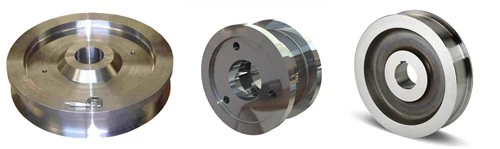
6. Crane wheel
Upper rotary electromagnetic bridge crane crane wheel refers to the wheel that supports the movement of the upper rotary electromagnetic bridge crane. The wheel is usually mounted on an axle and can rotate around the axis to move the crane along a track or rail. The upper rotary electromagnetic bridge crane consists of two girders, an end carriage, a hoist, a trolley, and the wheel system. The electromagnetic feature of the crane enables it to lift and move heavy loads quickly and efficiently. The crane wheel is made of high quality materials that are durable and can withstand the weight of the crane and the load it carries. The wheel is an essential component of the crane as it ensures smooth and stable movement of the entire system.
7. Rotary system and electromagnet
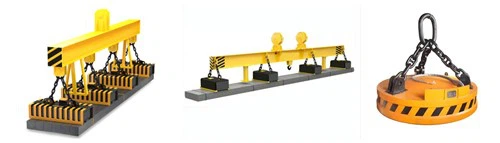
1) An Upper Rotary Electromagnetic Bridge Crane is a type of crane that is used to move heavy loads in various industries such as construction, manufacturing, and shipping. This type of crane utilizes a rotary system and an electromagnet to lift and move heavy objects.
The rotary system allows the crane to rotate 360 degrees, allowing it to reach a large area without needing to move the entire crane. This makes it ideal for working in tight spaces or in areas where maneuverability is limited. The electromagnet is used to lift and move metal objects. The magnet is powered by an electrical current and can be turned on and off as needed.
2) The Upper Rotary Electromagnetic Bridge Crane Electromagnet is a type of lifting equipment that uses an electromagnet to lift and move heavy loads. It is commonly used in industries such as steel mills, scrap yards, and construction sites for loading and unloading materials.
3) The upper rotary electromagnetic bridge crane electromagnet is attached to the bridge of the crane and can be rotated to pick up and move loads from any direction. The electromagnet uses an electrical current to create a magnetic field that attracts and holds the load, allowing it to be lifted and moved.
4) This type of crane electromagnet is particularly useful for lifting and moving ferrous materials such as steel, iron, and other magnetic metals. It offers a fast and efficient way to move heavy loads without the need for manual lifting or rigging.
5) The upper rotary electromagnetic bridge crane electromagnet is designed to withstand harsh industrial environments and can be customized to meet specific lifting requirements. It is an essential piece of equipment for many industries that rely on heavy lifting and material handling.
8. Motor
1) Upper rotary electromagnetic bridge crane motors are designed specifically for use in bridge cranes. They utilize electromagnetic principles to generate rotational force that is used to move the crane along the bridge. These motors are typically mounted on the upper part of the crane structure and can be controlled remotely to move the crane in different directions.
The upper rotary electromagnetic bridge crane motor consists of two primary components: the stator and the rotor. The stator is a stationary component that is attached to the bridge of the crane. It contains a series of electromagnets that generate a magnetic field when an electrical current is passed through them.
The rotor, on the other hand, is a rotating component that is mounted on the motor shaft. It contains a series of conductive bars that are mounted in a circular pattern around the shaft. When the stator's magnetic field is applied to the rotor, it generates an electromagnetic force that causes the rotor to rotate.
2) These motors are typically designed to withstand harsh operating conditions and are often used in heavy-duty applications such as manufacturing plants, shipyards, and construction sites. They are also commonly used in mining, oil and gas, and transportation industries.
3) In conclusion, upper rotary electromagnetic bridge crane motors are integral to the operation of bridge cranes. They provide the necessary rotational force required to move the crane along the bridge and are designed to withstand tough environments and heavy-duty applications.

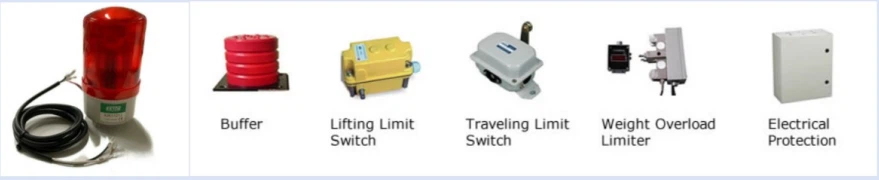
9. Sound and light alarm system & limit switch& safety parts
1) Upper Rotary Electromagnetic Bridge Crane Sound and Light Alarm System, Limit Switch, and Safety Parts are all important components that ensure the safe operation of the crane.
2) The Sound and Light Alarm System is designed to warn workers in the vicinity that the crane is about to start or move. This is particularly important in noisy environments or when workers may be distracted. The alarm system can be activated manually or automatically, depending on the specific requirements of the crane.
3) The Limit Switch is a safety mechanism that prevents the crane from overloading or traveling too far in either direction. The switch is activated when the crane reaches a predetermined limit, stopping it from further movement. Without a limit switch, the crane would continue to operate, potentially causing serious damage or injury.
4) Safety Parts include a range of components, such as emergency stop buttons and safety barriers, that are designed to prevent accidents and injuries. These parts are installed in strategic locations around the crane to ensure that workers can quickly and easily stop the crane in case of an emergency.
5) All of these components work together to ensure the safe operation of the crane. Without them, the crane would be at risk of malfunctioning, potentially causing serious injury or damage. It is important to regularly inspect and maintain these safety components to ensure that they are functioning properly.
10. Safety Devices
Upper Rotary Electromagnetic Bridge Cranes are equipped with several safety devices to ensure the safety of workers and protect the equipment. Some of the safety devices include:
1) Overload Protection: The crane is equipped with an overload protection system that detects when the load exceeds the crane's maximum capacity. This system will automatically shut down the crane if it senses an overload condition.
2) Emergency Stop Button: The crane is equipped with an emergency stop button that can be used to quickly and safely stop the crane in case of an emergency.
3) Collision Avoidance System: This system is designed to detect any obstacles in the crane's path and prevent collisions. The system uses sensors to detect obstacles and automatically stops the crane when an obstacle is detected.
4) Limit Switches: The crane is equipped with limit switches that prevent the crane from over-traveling in any direction. These switches are placed at the end of the crane's travel path and will shut down the crane when triggered.
5) Anti-Sway System: This system is designed to prevent the load from swinging or swaying during transportation. The system automatically compensates for any movement, ensuring that the load remains stable during transport.
Overall, these safety devices work together to ensure that the crane operates safely and efficiently, preventing accidents and injury to workers.
11. Control Mode
1) The Upper Rotary Electromagnetic Bridge Crane Control system is the control system used in overhead cranes with electromagnetic lifting capabilities. This system is responsible for controlling the movement of the crane, including its operation, engagement, and release of the electromagnetic lifting device.
2) The Upper Rotary Electromagnetic Bridge Crane Control system consists of several components, including the main control panel, the electrical system, and the safety system. The main control panel is the central control unit that receives signals from the operator and translates them into actions for the crane. The electrical system provides power to the crane motors, while the safety system ensures that the crane operates safely and effectively.
3) The Upper Rotary Electromagnetic Bridge Crane Control system also incorporates advanced control technologies, such as variable frequency drives and programmable logic controllers, which enable precise control over the crane's movements and power usage. These control systems work together to ensure that the crane operates optimally, reducing the risk of accidents and improving efficiency.
4) Overall, the Upper Rotary Electromagnetic Bridge Crane Control system is an essential component of any overhead crane with electromagnetic lifting capabilities. It ensures the safe and efficient operation of the crane, while also providing precise control over its movements and power usage.

12. Sketch

Main Technical Data

Advantages
The electric overhead magnetic crane offers several advantages, especially in industries handling heavy metal materials. These benefits make it an essential tool for improving productivity, safety, and efficiency in operations involving ferrous metals.
1. Efficient Material Handling
Fast Loading/Unloading: The electromagnet can easily pick up and release large quantities of metal materials without the need for slings, chains, or manual rigging, making material handling much faster.
Automated Functions: Some electric overhead magnetic cranes can be automated, further increasing operational speed and reducing the need for manual labor.
2. Enhanced Safety
Contact-Free Lifting: The magnet allows operators to lift and move materials without physically attaching hooks or chains, reducing the risk of accidents or injuries.
Reduced Manual Labor: By minimizing the need for direct human intervention, it lowers the potential for workplace accidents.
Emergency Stop Systems: Most cranes are equipped with emergency stop mechanisms to prevent mishaps if something goes wrong during the operation.
3. Precise Handling
Accurate Positioning: Operators can precisely control the movement and positioning of materials, ensuring safe placement and reducing the risk of damage to the load or surrounding equipment.
Instant Release: The electromagnet can instantly release materials by turning off the power, improving the efficiency of handling processes.
4. Increased Productivity
Higher Lifting Capacity: These cranes can handle heavy loads, allowing industries to move large quantities of metal in less time, boosting productivity.
Continuous Operations: The system can work around the clock, minimizing downtime and supporting high-output production environments.
5. Versatility
Wide Range of Applications: Suitable for various industries, including steel mills, foundries, warehouses, scrapyards, and manufacturing plants. It can lift metal plates, bars, coils, and even scrap materials.
Handles Different Material Shapes: Whether flat, round, or irregularly shaped, an electric overhead magnetic crane can effectively handle different metal forms.
6. Cost-Effective
Reduced Labor Costs: Fewer workers are required for loading and unloading, reducing labor costs.
Minimal Wear and Tear: Since there are no hooks or chains involved in the lifting process, wear and tear on rigging equipment is minimized, leading to lower maintenance costs.
7. Environmentally Friendly
No Fuel Needed: These cranes are electrically powered, eliminating the need for fossil fuels and reducing environmental impact in comparison to fuel-powered lifting systems.
8. Minimal Material Damage
Gentle Handling: The electromagnet provides a non-invasive way to lift metals, reducing the chances of surface damage or deformities that could be caused by mechanical gripping or slinging methods.
9. Customizable Configurations
Adaptability: The cranes can be tailored to fit specific applications, load capacities, or environmental requirements, making them versatile for various industrial settings.
In summary, electric overhead magnetic cranes significantly improve operational efficiency, reduce risks, and enhance the overall material handling process, making them an invaluable asset in industries where heavy metal materials are frequently handled.
Application
1) The Upper Rotary Electromagnetic Bridge Crane is a specialized type of crane used primarily in the steel and metal industries. It is designed to handle heavy loads, such as large blocks or coils of steel, and features an electromagnetic lifting mechanism that can securely hold the load in place.
2) This type of crane is particularly useful where space is limited and precision is required. Its rotating mechanism allows it to reach and move heavy loads in any direction without the need for a lot of space. The electromagnetic lifting system provides a secure grip on the load, ensuring that it does not slip or fall while being moved.
3) Overall, the Upper Rotary Electromagnetic Bridge Crane is an excellent choice for industries that require heavy lifting equipment that is both versatile and precise. Some of its applications include steel rolling mills, steel fabrication shops, and warehouses.
Crane Production Procedure
The production procedure of a Rotary Carrier Beam Electromagnetic Overhead Crane typically includes the following steps:
1. Design and engineering: The first step in the production procedure of an Upper Rotary Electromagnetic Bridge Crane is the design and engineering phase. The engineering team develops an overall plan for the crane, including the load capacity, lifting height, and speed.
2. Sourcing of materials: After the design is finalized, the next step is to source the required materials. The materials required include steel, motors, controllers, cables, and other components.
3. Cutting and shaping of steel: Once the materials are sourced, the steel is cut and shaped according to the specifications provided in the design. This involves the use of CNC machines to cut the steel precisely.
4. Fabrication and welding: After shaping and cutting, the steel pieces are welded together to create the main structure of the crane. Other components like the mast, trolley, and the upper rotary system are also fabricated and welded.
5. Installation of the motor and controller: The motors and controllers are then installed onto the main structure of the crane. This includes the upper and lower motors, which drive the crane's movement.
6. Assembly of the upper and lower rotary electromagnetic system: The upper and lower electro-magnetic system is then assembled onto the main structure of the crane. This includes the upper and lower electromagnets, which can lift heavy loads.
7. Quality check and final assembly: Before the final assembly, the crane is subjected to rigorous quality checks to ensure that it meets the standards. The final assembly includes the installation of the cables, controls, and other electronics.
8. Testing and commissioning: After the final assembly, the crane undergoes testing to ensure that it functions correctly. Once the testing is complete, the crane is commissioned and made ready for shipment.
9. Shipment and installation: Finally, the crane is shipped to the installation site, where it is assembled and installed by a team of experts. The crane is then ready to be used in various industries, including construction, transportation, and manufacturing.

Workshop View
The company has installed an intelligent equipment management platform, and has installed 310 sets (sets) of handling and welding robots. After the completion of the plan, there will be more than 500 sets (sets), and the equipment networking rate will reach 95%. 32 welding lines have been put into use, 50 are planned to be installed, and the automation rate of the entire product line has reached 85%.


Hot Tags: electric overhead magnetic crane, China electric overhead magnetic crane manufacturers, suppliers, factory, Electromagnetic Overhead Crane with Rotary Carrier Beam, Magnetic Overhead Crane, Electromagnetic Overhead Crane, Upper Rotary Electromagnetic Bridge Crane
You Might Also Like




Send Inquiry