










Qdy Metallurgical Casting Bridge Crane
Products Description
Key Features of QDy Metallurgical Casting Bridge Crane:
High Temperature Resistance – Designed to operate in environments with extreme heat, often incorporating heat-resistant materials and cooling systems.
Heavy Load Capacity – Typically ranges from 5 tons to over 500 tons, depending on the application.
Robust Construction – Reinforced steel structure to withstand impact and continuous heavy-duty use.
Specialized Lifting Mechanisms – May include features like foundry hooks, ladle handling systems, or electromagnetic lifting devices for molten metal handling.
Safety Systems – Equipped with dual braking systems, overload protection, emergency stop, and heat shielding for operator safety.
Precision Control – Smooth and precise hoisting and traversing movements to handle molten metal safely.
Customizable Options – Can be tailored with explosion-proof, dust-proof, or insulated components based on the working environment.
Classifications:
QDy (A5~A8 Work Class) – Standard duty to heavy-duty metallurgical cranes.
YZS (Special Casting Crane) – Specifically for ladle handling in steel mills.
QDY (Insulated or Explosion-Proof Variants) – For hazardous environments.
Core Components:Bearing, Gearbox, Motor, Pump
Place of Origin:Henan, China
Warranty:1 Year
Weight (KG):2000 kg
Video outgoing-inspection:Provided
Machinery Test Report:Provided
Design:Double beam
Effectiveness:high efficiency
Operating speed:High speed operation
Stability:Anti-swing function
Color:Optional
Power Source:110V/220V/230V/380V/440V,customized
Span:7.5-31.5m

Pictures & Components
The QDy Metallurgical Casting Bridge Crane consists of several critical components designed to handle heavy loads, high temperatures, and harsh industrial environments. Below is a breakdown of its main components:
1. Bridge Girder (Main Beam & End Carriages)
Function: Supports the entire crane structure and moves along the runway rails.
Features:
Made of high-strength steel (Q235B, Q345B, or alloy steel for high heat resistance).
Reinforced for heavy loads (typically 5–500 tons).
May include heat-resistant coatings for molten metal applications.
 |
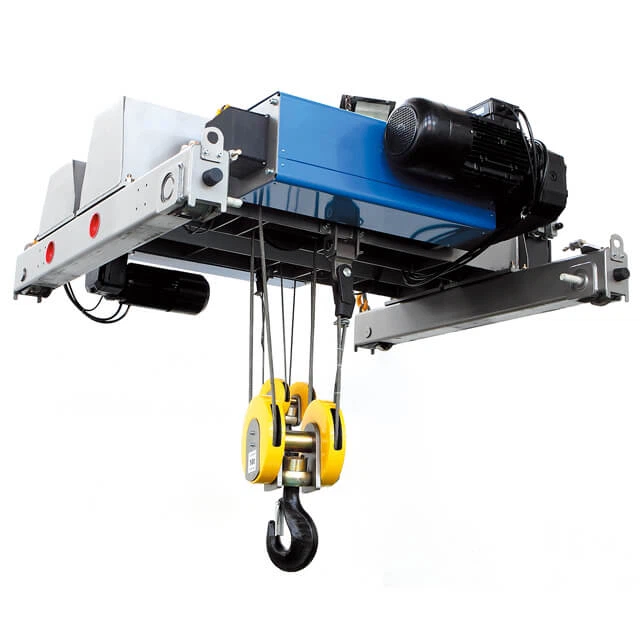 |
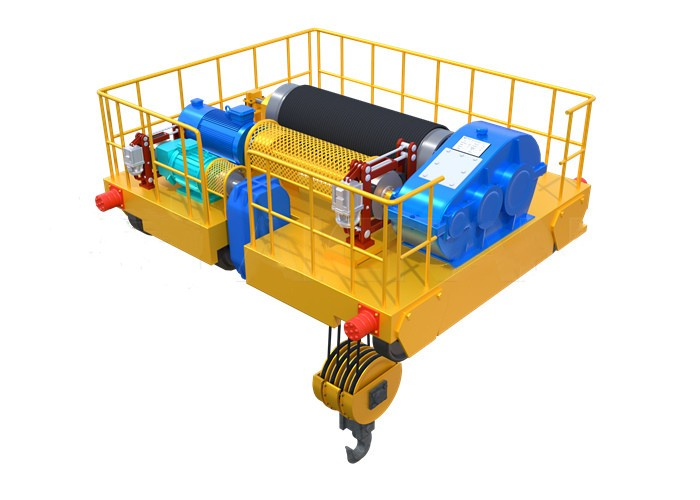
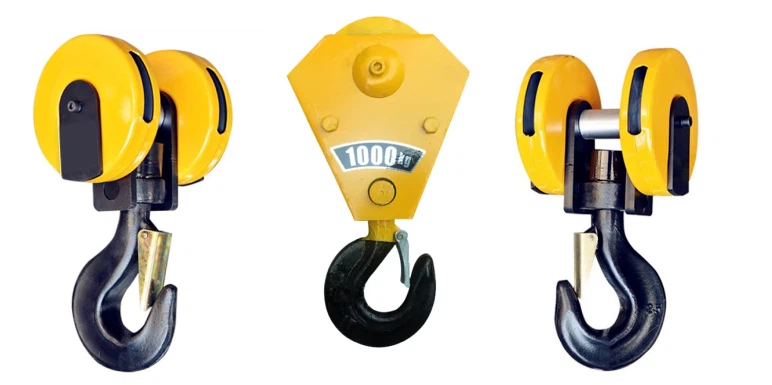
2. Hoisting Mechanism
Function: Lifts and lowers heavy loads, including molten metal ladles.
Components:
Electric Hoist or Winch System (for heavier loads).
Wire Rope & Hook Block (heat-resistant ropes for high temps).
Dual Braking System (emergency backup for safety).
Ladle Hook (special forged steel hook for casting applications).
 |
 |
3. Trolley (Crab Unit)
Function: Moves horizontally along the bridge girder to position loads.
Components:
Trolley Frame (steel structure with wheels).
Travel Motor & Gearbox (for smooth movement).
Limit Switches (prevents over-travel).
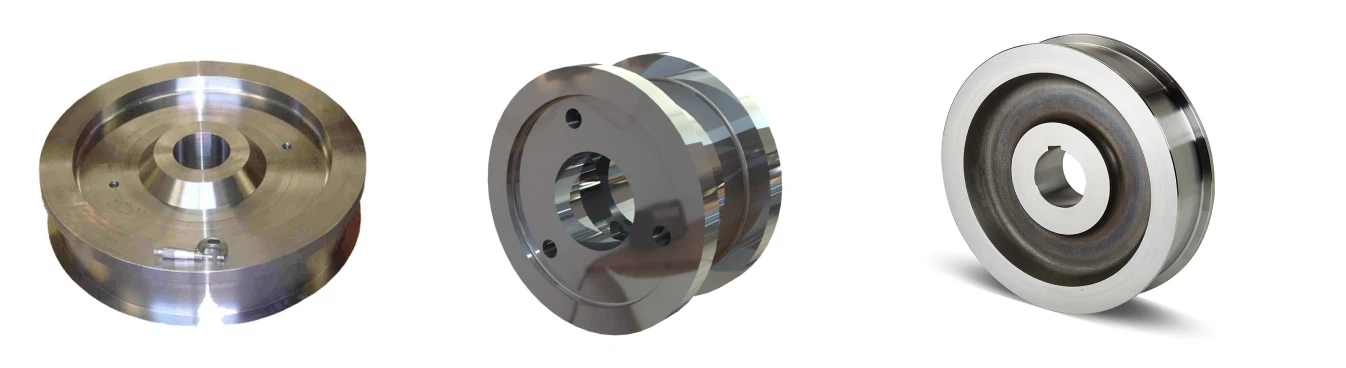
4. End Trucks (End Carriages)
Function: Supports the bridge girder and allows the crane to move along the runway.
Components:
Wheels & Buffers (shock-absorbing for smooth travel).
Drive Motors & Reducers (for longitudinal movement).
Rail Clamps (optional for securing the crane when idle).
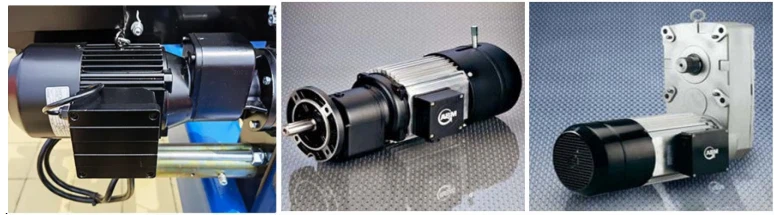
5. Electrical System
Function: Powers and controls crane operations.
Components:
Cab Control or Remote/Pendant Control (operator interface).
Festoon or Conductor Bar System (power supply along the runway).
Variable Frequency Drives (VFDs) (for smooth speed control).
Overload Protection & Emergency Stop (safety mechanisms).

6. Safety & Auxiliary Components
Heat Shields & Insulation (protects components from molten metal heat).
Anti-Sway System (reduces load swinging in casting applications).
Ladle Tipping Mechanism (for controlled pouring in foundries).
Explosion-Proof Options (for hazardous environments).

7. Runway System
Function: Supports the crane's movement.
Components:
Runway Beams & Rails (heavy-duty steel tracks).
Rail Clips & Fasteners (secures rails in place).
Sketch

Main technical

Advantages
The QDY metallurgical casting bridge crane is specifically designed for heavy-duty, high-temperature environments like steel plants and foundries. Its key advantages include:
1. High Temperature & Corrosion Resistance
Uses heat-resistant steel, ceramic fiber insulation, and special coatings to withstand molten metal splashes and extreme heat (up to 800°C in some cases).
Resistant to oxidation and chemical corrosion in harsh metallurgical environments.
2. Heavy Load Capacity & Durability
Handles 5–500+ tons, with reinforced girders and high-strength alloy hooks.
Robust construction ensures long service life even under 24/7 continuous operation.
3. Enhanced Safety Features
Dual braking system (mechanical + electromagnetic) for fail-safe load holding.
Overload protection, emergency stop, and anti-collision systems to prevent accidents.
Ladle safety hooks prevent molten metal spills during transport.
4. Precision & Smooth Operation
Variable Frequency Drive (VFD) control ensures smooth acceleration/deceleration.
Anti-sway technology minimizes load swinging, crucial for casting operations.
Laser positioning (optional) for accurate ladle placement in pouring applications.
5. Customizable for Specialized Needs
Available in explosion-proof, insulated, or dust-proof variants.
Can be equipped with electromagnetic lifts, grab buckets, or automated controls.
Application:
This crane is essential in industries requiring heavy, high-temperature material handling:
1. Steel Mills & Ironworks
Transporting molten metal ladles between furnaces, converters, and casting areas.
Handling ingots, slabs, and billets in rolling mills.
2. Foundries & Casting Workshops
Pouring molten metal into molds with ladle-tipping mechanisms.
Moving sand molds, castings, and finished metal products.
3. Non-Ferrous Metal Processing (Aluminum, Copper, Zinc)
Handling molten aluminum pots or copper anodes in smelting plants.
Loading/unloading metal scrap with electromagnetic or grab attachments.
4. Heavy Forging & Heavy Machinery Manufacturing
Transporting large forged parts (e.g., turbine blades, ship components).
Assisting in press and hammer forging operations.
5. Hazardous Environments
Explosion-proof versions for gas-rich or flammable areas.
Insulated cranes for electric arc furnace (EAF) shops to prevent electrical hazards.
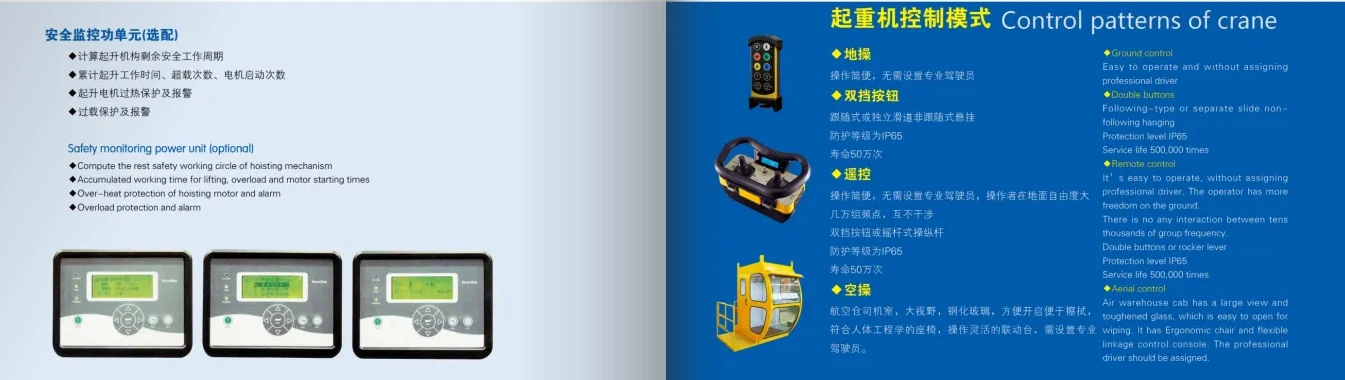
Crane production procedure
The manufacturing process of a QDY metallurgical casting bridge crane involves strict quality control and specialized engineering to ensure durability, heat resistance, and safety. Below is a step-by-step breakdown of the production procedure:
1. Design & Engineering
Load & Environment Analysis – Calculations for lifting capacity (5–500+ tons), span, and heat resistance.
CAD/3D Modeling – Structural design, stress simulations (FEA), and compliance with ISO, FEM, or GB standards.
Customization – Optional features (explosion-proofing, insulated hoists, automation) are integrated.
2. Material Selection & Preparation
Main Girders & End Carriages – High-strength steel (Q345B, Q460C) or heat-resistant alloy steel.
Wire Ropes & Hooks – Special heat-treated alloy steel (for molten metal handling).
Electrical Components – High-temperature-resistant cables, motors, and insulation materials.
3. Fabrication of Key Components
A. Bridge Girder Construction
Cutting & Welding – CNC plasma/laser cutting for precision; submerged arc welding (SAW) for high-strength joints.
Heat Treatment – Stress-relieving annealing to prevent deformation.
Machining – Drilling, milling, and surface grinding for assembly accuracy.
B. Hoist & Trolley Assembly
Hoist Drum & Gearbox – Machined for smooth operation; tested under 1.25x rated load.
Heat-Resistant Brakes – Dual-disc or electromagnetic brakes for fail-safe holding.
Ladle Hook & Safety Latch – Forged and ultrasonically tested for cracks.
C. End Trucks & Runway System
Wheel & Rail Machining – Hardened steel wheels for long wear life.
Drive Motors & Reducers – Equipped with anti-skid mechanisms for heavy loads.
4. Electrical & Control System Integration
Festoon/Conductor Bar System – For power supply along the runway.
Variable Frequency Drives (VFDs) – For smooth speed control and energy efficiency.
Safety Circuits – Overload sensors, limit switches, and emergency stop.
Operator Controls – Pendant, cabin, or remote/automated systems.
5. Surface Treatment & Corrosion Protection
Sandblasting (SA 2.5 Grade) – Removes rust and improves paint adhesion.
High-Temp Paint/Coating – Zinc-rich primer + heat-resistant topcoat (up to 800°C).
Critical Component Insulation – Ceramic fiber or refractory coatings on hooks and ropes.
6. Assembly & Testing
A. Pre-Assembly Checks
Dimensional inspection of girders, trolley, and end carriages.
Alignment of runway rails and crane tracks.
B. Load Testing (Per ISO 4310 / GB Standards)
No-Load Test – Checks motor, brake, and travel functions.
Static Load Test – 1.25x rated capacity for 10+ minutes.
Dynamic Load Test – 1.1x rated capacity with repeated movements.
Emergency Brake Test – Verifies fail-safe mechanisms.
C. Heat Resistance Validation (For Foundry Cranes)
Simulated high-temperature exposure (if required).
7. Packaging & Delivery
Disassembly (if needed) – For large cranes, components are shipped separately.
Anti-Corrosion Packaging – VCI film or desiccant for overseas transport.
Documentation – Manuals, test reports, and certifications (CE, ISO, GOST, etc.).
8. Installation & Commissioning (On-Site)
Runway alignment and crane reassembly.
Final load testing and operator training.
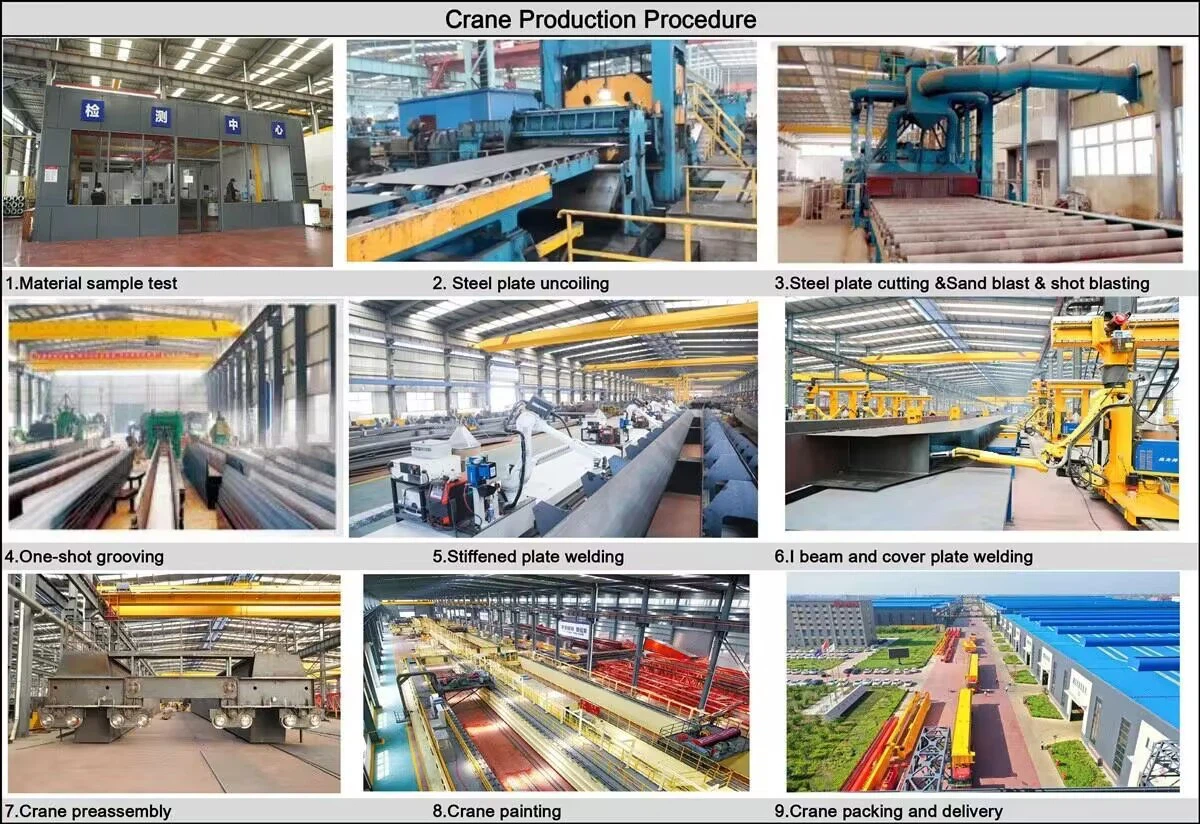
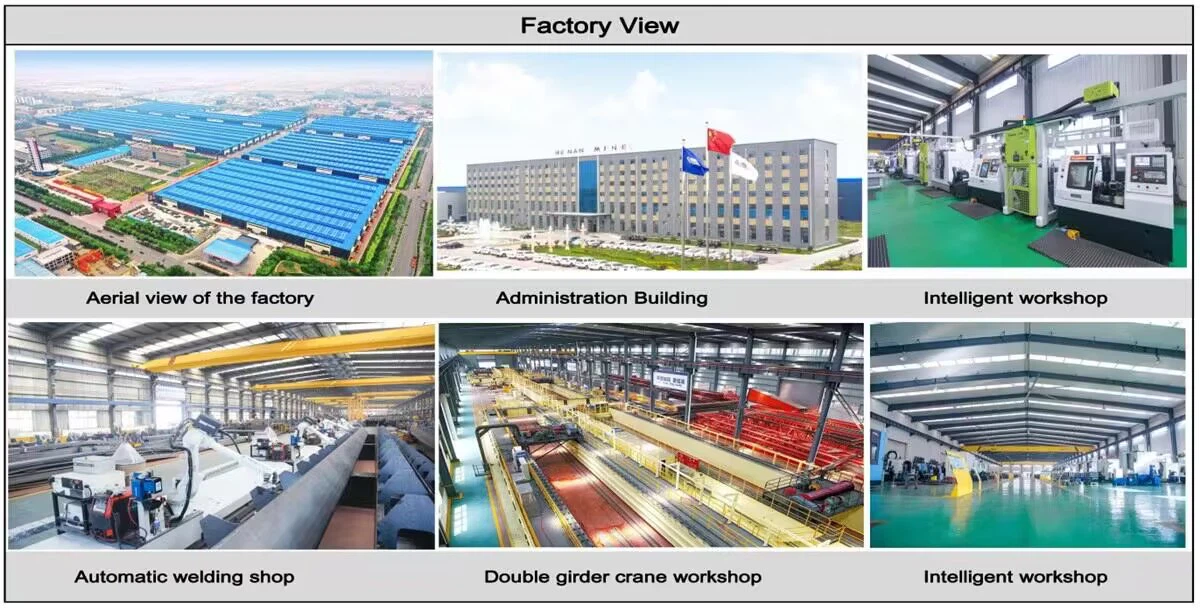
Workshop view:
The company has installed an intelligent equipment management platform, and has installed 310 sets (sets) of handling and welding robots. After the completion of the plan, there will be more than 500 sets (sets), and the equipment networking rate will reach 95%. 32 welding lines have been put into use, 50 are planned to be installed, and the automation rate of the entire product line has reached 85%.


Hot Tags: qdy metallurgical casting bridge crane, China qdy metallurgical casting bridge crane manufacturers, suppliers, factory, Double Girder Overhead Travelling Crane, Double Girder Overhead Crane
You Might Also Like


Send Inquiry