










Fem Standard Overhead Crane
Products Description
Key Features of FEM Standard Overhead Cranes:
Design Standards
Complies with FEM 1.001 (General rules for overhead traveling cranes)
Follows FEM 9.511 (Classification of mechanisms)
Meets FEM 9.681 (Fatigue calculations for welded structures)
Classification & Duty Cycles
FEM classifies cranes based on load spectrum (Q1-Q4) and usage (U0-U9).
Common classifications:
FEM 1Am (Light Duty) – Occasional use (e.g., workshops)
FEM 2m (Medium Duty) – Regular use (e.g., warehouses)
FEM 3m (Heavy Duty) – Intensive use (e.g., steel mills)
FEM 4m (Very Heavy Duty) – Continuous severe use
Structural Requirements
High-quality steel construction (typically S355JR/S355J2)
Rigorous welding and fatigue testing
Deflection limits (usually L/700 to L/1000 for bridge girders)
Mechanical Components
Hoist: FEM-compliant wire rope or chain hoist
Trolley & Bridge Travel: Smooth-running geared motors
Brakes & Safety: Fail-safe braking systems
Electrical & Safety Standards
EN 60204-32 (Electrical safety)
Overload protection (as per FEM 1.001)
Limit switches for hoisting and travel motions
Testing & Certification
Load testing (1.25x SWL) before commissioning
CE Marking (required for EU market)
Optional ISO 9001 certification for quality assurance

Pictures & Components
A FEM Standard Overhead Crane consists of several key components designed to meet FEM (Fédération Européenne de la Manutention) standards for safety, durability, and performance. Below is a detailed breakdown of the main components:
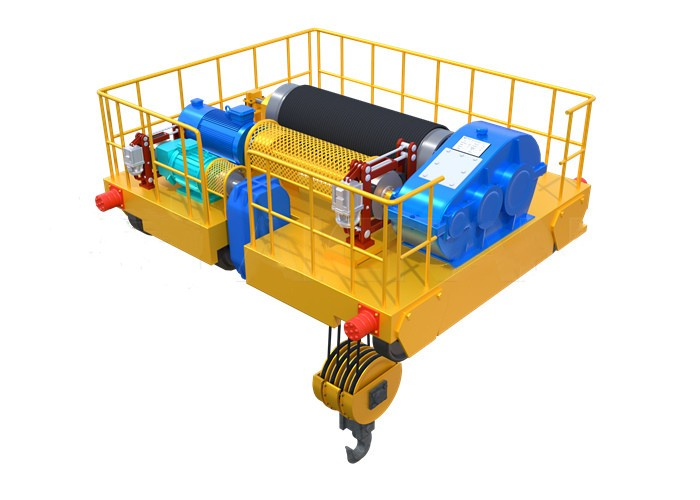
1. Bridge Girder (Main Load-Bearing Structure)
Single Girder (FEM Class 1Am-2m) – Cost-effective for light to medium duty.
Double Girder (FEM Class 3m-4m) – Used for heavy-duty applications (higher load capacity & stability).
Material: Typically S355JR/S355J2 steel (high strength, fatigue-resistant).
Deflection Limit: Usually L/700 to L/1000 (ensures rigidity under load).
 |
 |
2. End Carriages (Supporting Structure)
Houses wheels, drive motors, and buffers.
Designed to distribute load to runway beams.
Equipped with anti-collision buffers (FEM safety requirement).
 |
 |
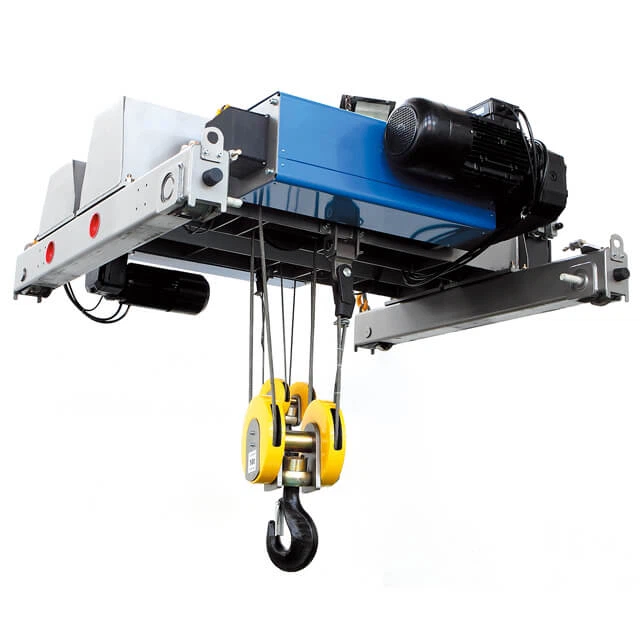
3. Hoist Unit (Lifting Mechanism)
Electric Wire Rope Hoist (FEM-Compliant):
Duty Class: FEM 1Am to 4m (based on usage intensity).
Braking System: Fail-safe mechanical brakes.
Overload Protection: Built-in load limiter (as per FEM 1.001).
Chain Hoist (Optional for lighter loads).
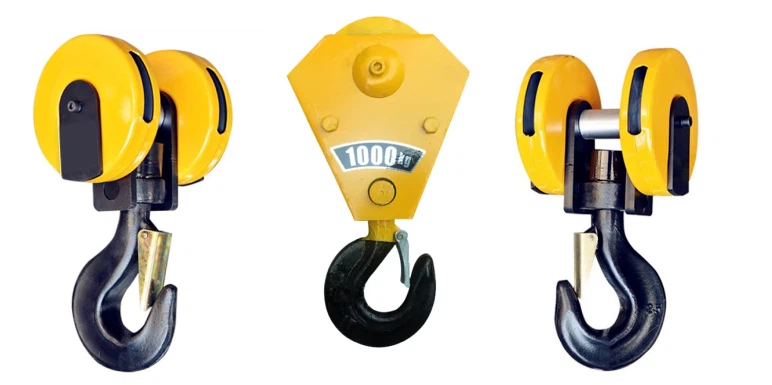
4. Trolley (Carries the Hoist Along the Bridge)
Motorized Trolley: Used in double girder cranes (higher precision).
Manual Trolley: For light-duty applications.
Guide Rollers: Ensure smooth movement along the girder.
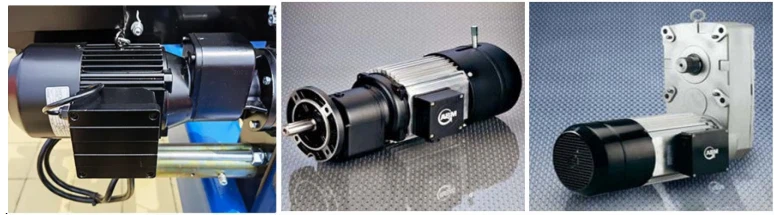
5. Drive Mechanism (Crane Movement)
Bridge Travel Drive: Moves the entire crane along the runway.
Geared Motors (FEM Duty Rated) – AC/DC motors with thermal protection.
Wheel Configuration: Typically 4 wheels (2 driven, 2 idle).
Trolley Travel Drive: Moves the hoist horizontally across the bridge.
.

6. Runway System (Supporting Track)
Runway Beams: Steel I-beams or box sections (fixed to building structure).
Rail Type: Usually A45/A55 (DIN 536) or KRUPP rails for heavy loads.
Alignment & Leveling: Critical for smooth operation (FEM specifies tolerances).
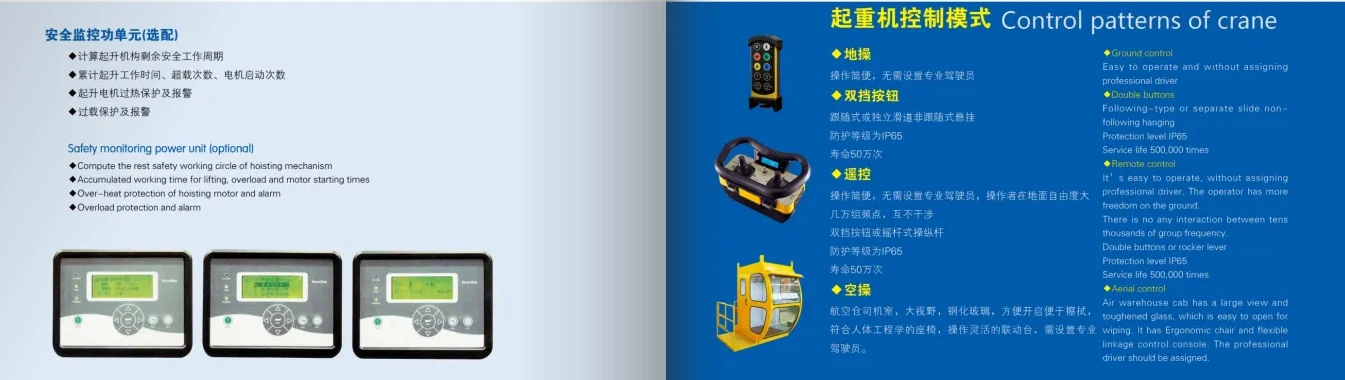
7. Electrical & Control System
Control Panel:
FEM-compliant motor starters & contactors.
Variable Frequency Drives (VFDs) for smooth acceleration (optional).
Operator Controls:
Pendant Control (IP54 rated) – Standard for FEM cranes.
Radio Remote Control (Optional).
Safety Devices:
Limit Switches (for hoist upper/lower limits).
Emergency Stop (E-Stop).
Undervoltage Protection.

8. Safety & Auxiliary Components
Buffers & Bumpers: Rubber or hydraulic (FEM requires end-stop protection).
Anti-Sway System (Optional): Reduces load swing in precision lifting.
Crane Lights & Alarms: For hazard warning.
Festoon/Cable Reel System: Manages power & signal cables.
FEM Testing & Certification Requirements
Load Testing: 125% of SWL (Safe Working Load) before commissioning.
Fatigue Testing: Ensures long-term durability (FEM 9.681).
CE Marking: Mandatory for EU compliance (EN 13001, Machinery Directive).
SKETCH

Main technical

Advantages
FEM (Fédération Européenne de la Manutention) standard overhead cranes are widely recognized for their safety, durability, and efficiency in material handling. Here are the key advantages:
1. High Safety & Reliability
Complies with strict FEM 1.001 and EN 13001 safety standards.
Built-in overload protection, fail-safe brakes, and limit switches.
CE Marking ensures compliance with EU Machinery Directive.
2. Optimized for Different Duty Cycles
FEM classifies cranes based on usage intensity (U0-U9) and load spectrum (Q1-Q4).
Suitable for light (1Am), medium (2m), heavy (3m), and severe-duty (4m) applications.
3. Long Service Life & Fatigue-Resistant Design
Structural calculations follow FEM 9.681 (fatigue analysis for welded structures).
Uses high-strength steel (S355JR/J2) for durability.
Deflection limits (L/700 to L/1000) prevent excessive bending.
4. Energy Efficiency & Smooth Operation
Variable Frequency Drives (VFDs) reduce power consumption and ensure soft starts/stops.
Low-maintenance components (sealed bearings, high-quality motors).
5. Customizable for Specific Needs
Available in single girder (up to 20T) and double girder (up to 500T+) configurations.
Options include explosion-proof, high-temperature, or corrosion-resistant designs.
6. Compliance with European & International Standards
Meets ISO, DIN, and EN standards, making it globally acceptable.
Full documentation (load tests, certifications) for legal compliance.
Application:
FEM cranes are used across industries due to their versatility and robustness. Here are the most common applications:
1. Manufacturing & Workshops (FEM 1Am-2m – Light/Medium Duty)
Automotive plants (engine assembly, part handling).
Machining workshops (lifting heavy metal parts).
General fabrication (steel beams, welding operations).
2. Steel & Foundry Industries (FEM 3m-4m – Heavy/Severe Duty)
Steel mills (handling molten metal, coils, slabs).
Foundries (casting, ladle handling with special heat-resistant features).
3. Warehousing & Logistics (FEM 1Am-2m)
Distribution centers (loading/unloading containers).
Paper & packaging industries (handling heavy rolls).
4. Power Plants & Heavy Industries (FEM 3m-4m)
Nuclear/hydro plants (lifting turbines, generators).
Cement plants (moving clinker, heavy machinery).
5. Ports & Shipyards (FEM 3m-4m – High-Capacity Cranes)
Gantry cranes for container handling.
Shipbuilding cranes (lifting ship sections, engines).
6. Mining & Mineral Processing (Explosion-Proof Options)
Coal handling plants.
Mineral processing (ore lifting, crusher maintenance).
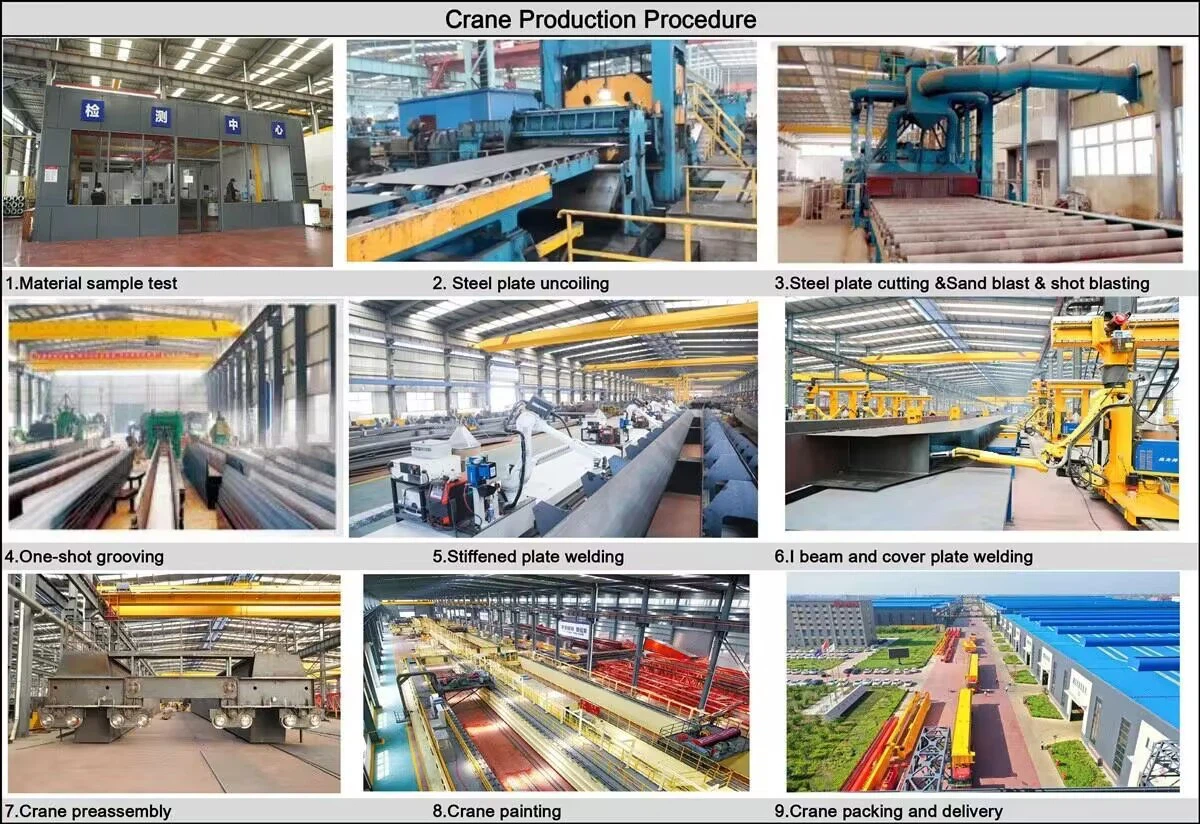
Crane production procedure
The production procedure for an Electric Hoist Double Beam Bridge Crane involves several key stages, from design and material procurement to assembly and testing. Below is a general step-by-step outline of the manufacturing process:
1. Design & Engineering
Customer Requirements Analysis: Determine load capacity, span, lifting height, duty cycle (FEM/ISO classification), and environmental conditions.
Structural Design:
Design the double girder bridge (main beams, end carriages) using CAD software (e.g., AutoCAD, SolidWorks).
Calculate stresses, deflection, and fatigue life per standards (ISO, DIN, FEM, or ASME).
Electrical & Mechanical Design:
Select hoist type (wire rope/electric chain hoist), motor power, control system, and safety devices (limit switches, overload protection).
Approval: Finalize drawings and get client/regulatory approval.
2. Material Procurement
Main Beams: Steel plates (Q235B, Q345B) or prefabricated I-beams.
End Carriages: Fabricated from steel sections (channels, angles) or welded plates.
Electrical Components: Hoist, motors, gearboxes, wheels, brakes, cables, and pendant/radio remote control.
Other Components: Rails, buffers, hooks, and safety devices.
3. Fabrication of Main Components
A. Double Girder Fabrication
Cutting: Steel plates are cut to size (laser/plasma/oxyfuel cutting).
Welding:
Fabricate box-type or I-section girders via submerged arc welding (SAW) or MIG/MAG welding.
Stress-relieving (heat treatment) to prevent distortion.
Machining: Drill holes for connections and surface machining (if required).
B. End Carriage Assembly
Welded Construction: Fabricate end carriages with wheels, buffers, and drive mechanisms.
Wheel Installation: Mount forged steel wheels with bearings for bridge movement.
C. Hoist Trolley Assembly
Frame Construction: Build trolley frame to mount the electric hoist.
Drive Mechanism: Install motors, gearboxes, and wheels for trolley travel along the girders.
4. Surface Treatment & Painting
Blasting: Shot-blasting to remove rust and improve paint adhesion.
Priming/Painting: Apply anti-corrosion primer and topcoat (usually epoxy or polyurethane).
Curing: Bake or air-dry painted components.
5. Electrical System Installation
Wiring: Install power supply systems (festoon/cable reels), control panels, and sensors.
Hoist Integration: Mount the electric hoist (wire rope or chain) onto the trolley.
Safety Devices: Install limit switches, overload protection, and emergency stop.
6. Assembly & Testing
A. Bridge Assembly
Girder-End Carriage Joining: Bolt or weld girders to end carriages.
Alignment Check: Ensure parallel girders and proper wheel alignment.
B. Functional Tests
No-Load Test: Run crane without load to check movement (hoisting, trolley, bridge travel).
Load Test:
Static Test: 125% of rated load (held for 10+ minutes to check deformation).
Dynamic Test: 110% of rated load to verify performance under motion.
Safety Checks: Verify brakes, limit switches, and emergency stops.
7. Quality Inspection & Certification
Dimensional Checks: Verify span, lift height, and alignment.
NDT Testing: Ultrasonic/X-ray welding inspections (if required).
Certification: Issue compliance certificates (CE, ISO, OSHA, or local standards).
8. Disassembly & Packaging
Modular Dismantling: Break down into transportable sections (girders, end carriages, hoist).
Packaging: Protect components with waterproof wrapping and secure for shipping.
9. Installation & Commissioning (On-Site)
Reassembly: Erect runway rails, assemble bridge, and mount hoist/trolley.
Final Testing: Perform on-site load tests and operator training.
10. Documentation & Delivery
Provide manuals (operation, maintenance), test reports, and warranty documents.
Workshop view:
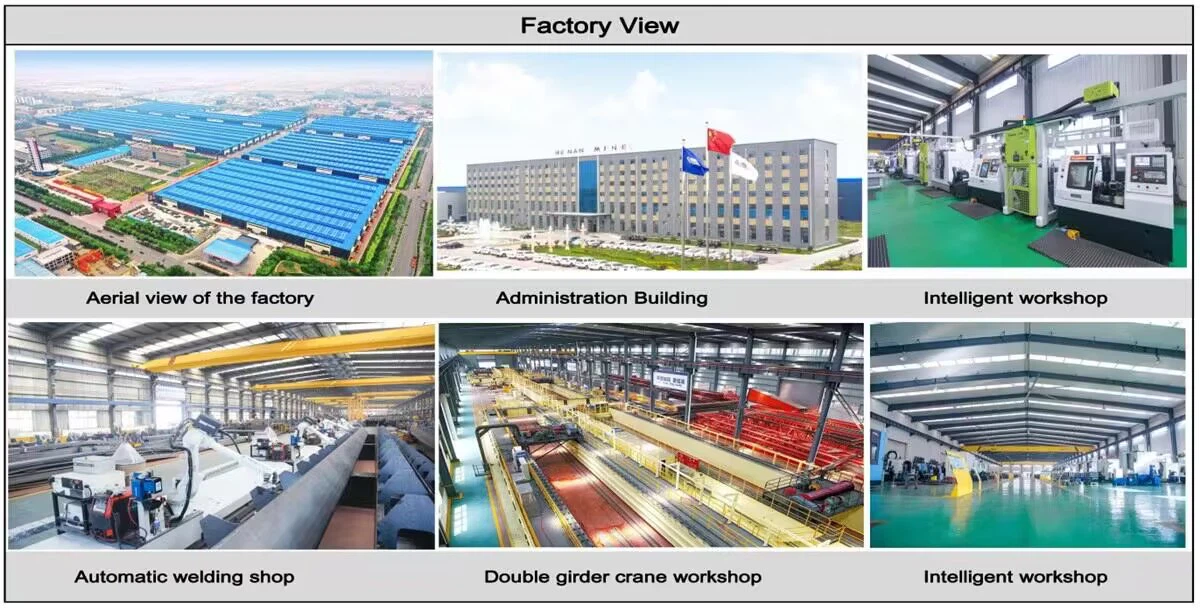
The company has installed an intelligent equipment management platform, and has installed 310 sets (sets) of handling and welding robots. After the completion of the plan, there will be more than 500 sets (sets), and the equipment networking rate will reach 95%. 32 welding lines have been put into use, 50 are planned to be installed, and the automation rate of the entire product line has reached 85%.


Hot Tags: fem standard overhead crane, China fem standard overhead crane manufacturers, suppliers, factory, Double Girder Overhead Crane, Double Girder Overhead Travelling Crane
You Might Also Like


Send Inquiry