










Electric Hoist Girder Gantry Crane
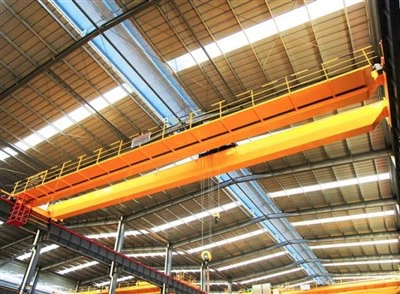
Electric hoist girder gantry crane is a lifting equipment that combines electric hoist and gantry structure, which is widely used in material handling, warehousing, logistics and other fields. It realizes the lifting and lowering of the load through the electric hoist, while the gantry structure provides a stable support and mobile platform. The following is the product introduction of electric hoist gantry crane, including its main features, structural composition, working principle and application field.
Electric hoist girder gantry crane has low manufacturing and installation costs, and provides a cost-effective lifting solution compared with other crane types. The lifting mechanism is driven by the electric hoist's motor to achieve the lifting and lowering of the load. The electric hoist converts electrical energy into mechanical energy through the motor, reducer and drum.
Electric hoist girder gantry crane is widely used in various industrial and logistics environments due to its economical and practical characteristics, stable gantry structure and efficient electric hoist system. Its flexible structure and operation mode make it an important equipment for material handling in many workplaces.This crane has become an indispensable and important equipment in modern industrial production with its high efficiency, reliability and economy.
Max. Lifting Height:35M
Warranty:1 Year
Weight (KG):4000 kg
Rated Lifting Moment:20000kg
Max. Lifting Load:20TON
Span:35M
Work Duty:M3-M6
Lifting speed:5/0.83 M/min
Power supply;110V/220V/230V/380V/440V
Working Temperature:20~40

Pictures & Components
1.Main beam
1.The main beam of the electric hoist gantry crane is its main load-bearing component, which plays the role of supporting the electric hoist and other structural components. The design and manufacture of the main beam directly affect the stability, load-bearing capacity and overall performance of the crane.
2.The Electric Hoist Girder Gantry Crane's main beam bears the weight of the entire crane, including the electric hoist, trolley, load, etc., and at the same time shares and transfers the load to the end beam and supporting structure. Provides a foundation for installing and supporting the electric hoist, trolley and other accessories to ensure that these components are stable during operation. The trolley on the main beam moves on the main beam to complete the horizontal handling of the load. The main beam generally uses high-strength steel, such as Q235, Q345, etc., to ensure its load-bearing capacity and durability.
3.The main beam of the electric hoist gantry crane is the key load-bearing component of the entire crane. Its design and manufacture have an important impact on the performance, stability and safety of the crane. The structural form, material selection, manufacturing process and maintenance of the main beam must be strictly carried out in accordance with the design requirements to ensure the long-term stable operation of the crane.
Lifting System
1.The lifting system of the electric hoist gantry crane is its core part, responsible for lifting and lowering the load. The system is usually composed of an electric hoist, a drum, a wire rope or chain, a hook, etc. The components of the lifting system are electric hoist, drum, wire rope or chain, chain, hook, and brake system.
2.Lifting operation: The operator starts the electric hoist through the control panel or remote control, and the motor drives the reducer to drive the drum to rotate.
The wire rope or chain on the drum is wound or released during the rotation process, causing the hook to rise, thereby lifting the load.
Lowering operation: The operator starts the lowering function, the electric hoist controls the direction of rotation of the drum, and the wire rope or chain is gradually released, causing the hook to drop, thereby reducing the load.
Braking control: During the lifting and lowering process, the braking system keeps the load stable to prevent accidental movement or loss of control.
3.The lifting system of the electric hoist gantry crane is its key component, responsible for lifting and lowering the load. The system mainly consists of electric hoist, drum, wire rope or chain, hook and brake system. The design and maintenance of each component are crucial to the performance and safety of the crane. Regular inspection and maintenance can ensure the long-term stable operation of the lifting system.
 |
 |
End Beam
1.The end beam of the electric hoist gantry crane is one of the important components of its structure. Its main function is to connect the main beam and support the gantry structure, while carrying and transmitting the force generated by the main beam and the load. The end beam plays a key role in the stability and safety of the entire crane.
2.Function and design of the end beam
Function Support the main beam: The end beam connects the two ends of the main beam, supports the overall structure of the main beam, and transmits the load and force of the main beam to the supporting column or the ground. Provide stability: Through the connection with the main beam, the end beam increases the overall stability of the gantry crane and prevents the main beam from deforming or tilting under load. Install wheels: Wheels are usually installed on the end beam to support the lateral movement of the entire gantry structure.
3.Working principle of the end beam
Load transfer: The Electric Hoist Girder Gantry Crane's end beam transfers the load on the main beam to the supporting structure or the ground through the connection with the main beam, ensuring the stability of the entire crane. Wheel support: The wheels at the bottom of the end beam run on the track to realize the lateral movement of the gantry crane. The design and installation of the wheels ensure the smoothness of the movement.
4.Summary The end beam of the electric hoist gantry crane is a key structural component responsible for connecting the main beam and supporting the gantry structure. Its design, material selection and manufacturing process are crucial to the stability and safety of the crane. Regular maintenance and care can ensure the performance and reliability of the end beam in long-term use.

Crane travelling mechanism
The crane travelling mechanism of the electric hoist gantry crane is mainly used to enable the gantry crane to move horizontally on its track.
The design and function of this mechanism involve several key parts:
Motor: Provides power to enable the crane to move on the track. Usually an AC motor or a DC motor is used, and the choice of the motor depends on the required power and speed.
Reducer: Converts the high-speed rotation of the motor into a suitable low-speed and high-torque output to drive the crane to move smoothly.
Drive wheel: Installed on the crane, in contact with the track, and the crane moves along the track through the rotation of the wheel.
Track: Installed on the supporting structure of the gantry crane, providing a track for the crane to run.
Braking system: Used to control the movement and parking of the trolley. Common braking methods include electromagnetic braking and mechanical braking.
Operation control system: Includes an operating panel and a control system for operating and monitoring the movement status of the crane, which may include a remote control or other control device.
Transmission: A system that connects the motor and the drive wheel, usually including components such as chains, gears or belts.
3.These components work together to ensure that the gantry crane's crane can move smoothly and efficiently on the track to complete the lifting work.
Trolley travelling mechanism
The trolley travelling mechanism of the electric hoist gantry crane is responsible for moving the trolley horizontally on the track of the trolley. The trolley is the part that carries the electric hoist, while the trolley moves on the main structure of the gantry crane.
The key components of the trolley running mechanism include:
Motor: Provides power for the movement of the trolley. The motor is usually an AC or DC motor with appropriate power and speed to meet the needs of the trolley.
Reducer: Converts the high-speed rotation of the motor into a lower speed and greater torque to drive the trolley to run smoothly.
Trolley driving wheel: Contacts the track and moves the trolley on the track through the rotation of the wheel. The driving wheel usually adopts a transmission device such as a chain, gear or belt.
Track: Installed on the trolley, providing a path for the trolley to run, usually a horizontal track.
Braking system: Used to control the movement and parking of the trolley. The braking system can be electromagnetic braking, mechanical braking or hydraulic braking.
Operation control system: Includes an operating panel and control devices to control and monitor the movement of the trolley. The control system can usually work in coordination with the control system of the trolley.
Transmission: The component that connects the motor and the drive wheel, which may be a chain, gear, belt, etc., used to transmit the power of the motor to the drive wheel.
3.These components work together to enable the trolley to move smoothly on the track of the large car, thereby achieving precise operation of the crane.
Crane wheel
The wheels of electric hoist gantry cranes are important components that support and guide the movement of the crane.
The design and function of the wheels involve the following key points:
Material: The wheels are usually made of high-strength steel to withstand heavy loads. The outer ring of the wheel may be hardened to improve wear resistance and service life.
Structure: The wheels are divided into drive wheels and guide wheels. The drive wheels are powered by electric motors and transmissions, while the guide wheels are used to ensure that the wheels run stably on the track.
Bearings: High-quality bearings are usually equipped between the wheels and axles to reduce friction and wear so that the wheels can rotate smoothly. The quality of the bearings is critical to the running performance of the wheels.
Track matching: The design of the wheel must match the size and shape of the track to ensure that the wheel can run smoothly along the track. The profile of the wheel usually matches the cross-sectional shape of the track to ensure stable contact.
Lubrication: The wheels and bearings need to be lubricated regularly to reduce wear and maintain smooth operation. The lubrication system can be automatic or manual, depending on the design of the equipment.
Installation: The wheels are usually mounted on the frame and connected to other running mechanisms through the axles. The installation and adjustment of the wheels need to be precise to ensure stable operation.
Load-carrying capacity: The design of the wheels needs to take into account the maximum load capacity of the crane to ensure safe operation even under high load conditions.
3.The quality and maintenance of the wheels directly affect the operating efficiency and safety of the crane, so it is very important to regularly inspect and maintain the wheels.
 |
 |
 |
Crane hook
The hook of an electric hoist gantry crane is one of the key components of the crane, used to hang and carry loads.
The design and function of the hook mainly involve the following aspects:
2.Structure: Hook body: Usually made of high-strength steel to ensure that it can withstand the maximum load of the crane. The shape design of the hook body must meet the standard to facilitate safe hanging and releasing of the load.
Hook mouth: The opening part of the hook is used to hang slings, chains or other lifting equipment. The size and shape of the hook mouth need to match the lifting equipment.
Safety pin: The hook may be equipped with a safety pin or locking device to prevent the load from accidentally falling off during lifting. The safety pin can be a spring-type, bolt-type or other form of locking device.
3.Material: The hook is usually made of alloy steel or high-strength steel to ensure its strength and durability under heavy load conditions. The hook material needs to be heat treated or other processes to improve its load-bearing capacity and fatigue resistance.
4.The specifications and load-bearing capacity of the hook need to be determined according to the design requirements of the crane. The rated load of the hook should be higher than the maximum working load of the crane to ensure safe operation.
Maintenance:
5.The surface of the hook needs to be regularly inspected and maintained to check for signs of wear, cracks or other damage. Damaged hooks need to be replaced in time to prevent safety hazards.The moving parts and safety pins of the hook need to be lubricated and inspected regularly to ensure their normal operation.
6.The use of the hook needs to follow safe operating procedures to ensure that the load is evenly distributed and avoid overloading.
During the lifting process, the hook needs to be kept vertical and avoid tilting or offset to reduce stress and wear on the hook.
The hook is the part that directly contacts the load during crane operation. Its design and maintenance are crucial to ensure lifting safety and efficiency.
 |
 |
 |
Motor
1.The motor of an electric hoist gantry crane is the core component that drives the various operating mechanisms of the crane (such as trolleys, trolleys, lifting mechanisms, etc.). The selection and configuration of the motor directly affects the performance and efficiency of the crane.
2.The motors of electric hoist gantry cranes include AC motors (AC motors): commonly found in most electric hoist gantry cranes, due to their simple structure, low cost, and relatively easy maintenance.DC motors (DC motors): suitable for occasions where precise control of speed and torque is required, and are usually used in some specific applications.
3.The operation of the motor is usually regulated by a control system, including an operating panel, a remote controller, or a PLC (programmable logic controller). The control system can achieve precise control of the motor, such as adjusting speed, starting and stopping. The protection level of the motor needs to be selected according to the requirements of the working environment. For example, in a humid or dusty environment, the motor may require a housing with a higher protection level.
4.The performance and reliability of the motor are crucial to the overall working efficiency and safety of the crane, so special attention needs to be paid when selecting and maintaining the motor.

.


Sound and light alarm system & limit switch
1.The sound and light alarm system and limit switch of the electric hoist gantry crane are important components to ensure the safe operation of the crane. They play a key role in preventing accidents, protecting equipment and improving operational safety.
2.Sound alarm: Usually a buzzer or horn, it emits a loud sound. The volume and frequency of the sound can be adjusted as needed to ensure that it attracts enough attention.
Light alarm: Generally a flashing light or warning light, it emits a bright flash. The color of the light alarm is usually red or yellow so that it can be clearly seen in a low-light environment.
Warning function: The sound and light alarm system is mainly used to warn operators and surrounding personnel that the crane is running or there is an abnormal situation. For example, the sound and light alarm system can sound an alarm when the crane starts to run, when the load is overweight, or when the system fails.
Improve safety: By emitting sound and flashing lights, personnel are reminded to pay attention, thereby avoiding accidents caused by not noticing the working status or potential dangers of the crane.
3.Limit switches are used to prevent the moving parts of the crane (such as lifting mechanisms, trolleys, trolleys, etc.) from exceeding the predetermined operating range, thereby avoiding mechanical damage or safety accidents.
Automatic control: When the moving part reaches the set limit position, the limit switch will automatically cut off the power supply to the motor and stop the movement to ensure that the equipment will not move further. The installation position of the limit switch needs to be determined according to the structure and working requirements of the crane to ensure that it can accurately detect the end position of the moving part.
4.Both the sound and light alarm system and the limit switch are critical safety devices in electric hoist gantry cranes. The sound and light alarm system improves the warning function during operation, while the limit switch prevents the overtravel problem of the equipment. Ensuring the normal operation of these two systems is essential to ensure the safety and reliability of the crane.

Safety Devices
1.The safety equipment of electric hoist gantry crane is the key to ensure the safety of operation and the normal operation of the equipment. The following are some main safety equipment and their functions:
Braking system
Function: Ensure that the load can stay safely in the predetermined position when the crane stops or fails. Type: Includes electromagnetic brakes and mechanical brakes.
Buffer device
Function: Reduce the impact of moving parts at the end of the operation and protect the crane structure and load. Type: Such as spring buffers and rubber buffers.
Safety belts and lifting equipment
Function: Ensure the safety of operators when working at heights. Type: Includes safety belts, foot buckles and lifting belts.
Crane operation training and safe operating procedures
Function: Ensure that operators understand safe operating procedures and use cranes correctly. Content: Includes operating manuals, training courses and safe operating specifications.
Lighting system
Function: Ensure safe operation in low light conditions. Type: Includes lighting and indicator lights in the crane working area.
2.These safety devices play a key role in the daily operation of electric hoist gantry cranes. They help prevent accidents, protect equipment and ensure the safety of operators. Regular inspection and maintenance of these safety devices are important measures to ensure the long-term and reliable operation of the crane.
Control Mode
1.The control mode of the electric hoist gantry crane determines how to operate and adjust the various operating mechanisms of the crane. Different control modes are suitable for different operating requirements and environments. The following are some common control modes and their characteristics:
PLC control Operation mode: Automatic control and monitoring through a programmable logic controller (PLC). The PLC system can be programmed to implement complex control logic and automation functions.
Powerful functions: It can realize multiple functions such as automatic control, data acquisition, fault diagnosis, etc.
Application scenarios: Suitable for large-scale, complex crane systems and occasions with high automation requirements.
Frequency control
Operation mode: The speed and torque of the motor are adjusted through the frequency converter to achieve smooth control of the crane movement. Energy saving and high efficiency: It can adjust the operating state of the motor according to load changes to achieve energy saving and improve efficiency. Application scenarios: Suitable for occasions that require precise speed control and high efficiency.
Automatic control
Operation mode: The crane automatically performs tasks through preset programs, such as automatic operation, timed operation, automatic docking, etc. Efficient and stable: Reduce manual operation and improve the stability and efficiency of operation. Application scenarios: Suitable for working environments with high repeatability and stability requirements.
Hybrid control
Operation mode: Combining manual control and automatic control to provide flexible operation mode.
Comprehensive advantages: Manual, automatic or remote control mode can be selected according to specific needs.
Application scenario: Suitable for complex working environments that require a combination of multiple control modes.
2.These control modes can be used alone or in combination to adapt to different operating requirements and environmental conditions. Selecting the appropriate control mode helps improve the operating efficiency, safety and flexibility of the crane.

Sketch

Main technical data

Advantages
1. High efficiency
Fast lifting and moving: The electric hoist gantry crane uses the high efficiency of the electric hoist to quickly complete lifting and moving tasks and improve work efficiency.
Precise control: The control system of the electric hoist allows precise adjustment of the moving speed and position of the load, making the operation more accurate.
2. Easy operation
Easy to operate: Through the electric control and remote control system, the operator can easily control the various functions of the crane without tedious manual operation.
Reduced labor intensity: The electric drive system reduces the physical requirements of the operator and improves working comfort.
3. Safety
Multiple safety protections: Including limit switches, overload protection devices, sound and light alarm systems, etc., can effectively prevent equipment overload and other safety accidents.
Stability: The gantry structure design makes the crane more stable and reduces the risk of shaking and tilting.
4. Strong adaptability
Wide application scenarios: Electric hoist gantry cranes can be used in various places, such as factories, warehouses, construction sites, etc., to meet various complex lifting needs.
Customizable: The specifications and configurations of the crane can be customized according to specific application requirements to meet different operating conditions.
5. High load capacity
Strong load capacity: Electric hoist gantry crane can be designed to carry high loads and is suitable for large-tonnage lifting tasks.
Strong stability: The gantry structure can effectively disperse the load and increase the stability and load-bearing capacity of the equipment.
6. Energy saving and environmental protection
Electric drive: Compared with traditional diesel-driven cranes, electric hoist gantry cranes have low noise and low emissions during operation, which meets environmental protection requirements.
Frequency control: The speed of the motor is adjusted by the frequency converter to achieve energy-saving operation and reduce energy consumption.Power plants: In power plants, single-girder bridge cranes are used to install and maintain power generation equipment, transformers and other heavy components. They ensure the safe installation and maintenance of equipment.
Energy facilities: Used for equipment handling, assembly and maintenance in energy facilities to support the stability of energy production and supply.
Application:
1. Manufacturing
Material handling: used to move and lift heavy materials, components and finished products, especially in factory workshops, production lines and assembly lines.
Equipment maintenance: helps install and repair large equipment and machinery, and facilitates high-altitude operations and equipment replacement.
2. Construction industry
Construction site: On construction sites, it is used to lift building materials, steel structures, precast concrete parts, etc., to support high-altitude operations and large-scale construction.
High-rise buildings: During the construction of high-rise buildings, electric hoist gantry cranes can be used to move and install heavy components and equipment.
3. Warehousing and logistics
Cargo loading and unloading: In warehouses and logistics centers, electric hoist gantry cranes are used to load and unload and move large quantities of goods to improve warehousing and distribution efficiency.
Inventory management: helps lift and move inventory items, optimizes warehouse space usage and cargo classification.
4. Ports and terminals
Container handling: In ports and terminals, electric hoist gantry cranes are used to lift containers and other goods, supporting the loading and unloading and transshipment of goods.
Ship repair: used to lift and move ship parts and equipment, supporting ship repair and maintenance.
5. Steel and Metallurgical Industry
Raw Material Handling: Used to carry and lift raw materials such as ore, furnace charge, etc. required in the steel smelting process.
Finished Product Handling: Helps to handle and transport finished and semi-finished steel products after smelting.
6. Energy and Power Industry
Equipment Installation: Used to install and maintain power generation equipment, substation equipment and power facilities.
Maintenance Operation: Supports the repair and maintenance of large energy equipment, especially in places such as power plants and substations.
7. Transportation
Workshop Operation: In the workshop of the transportation industry, electric hoist gantry cranes are used to lift and move large components and vehicles.
Repair and Maintenance: Helps to repair and maintain vehicles, especially large transportation vehicles such as trains, ships, etc.
8. Mining
Ore Handling: Used to carry and lift ore and other mining materials to support the efficient operation of mining operations.
Equipment Maintenance: Helps to install and repair mining equipment to support the continued operation of mines.
Crane production procedure
1. Design stage
Demand analysis: Determine the specifications, load capacity, working range and other requirements of the crane according to customer needs and usage scenarios. The designer formulates the functional parameters of the crane, including lifting height, moving range of the trolley and the car, etc. Design structural drawings of the gantry structure, electric hoist, wheels and other key components. Design electrical control system, power system, transmission device, etc. Safety design: Design safety systems including limit switches, overload protection, sound and light alarms, etc. Simulation test: Use computer-aided design (CAD) software to perform simulation tests to verify the feasibility and performance of the design. Optimize the design based on the simulation test results to ensure that performance and safety requirements are met.
2. Material procurement
Raw materials: Purchase high-strength steel, alloy steel, etc. for the manufacture of main structural parts and load components.
Accessories and components: Purchase accessories and components such as electric hoists, motors, reducers, controllers, bearings, etc. Carry out quality inspection on the purchased raw materials and accessories to ensure that they meet standards and design requirements.
3. Manufacturing stage
Cut, weld and process steel to manufacture main components such as gantry and support structure. Drilling, turning, milling and other mechanical processing are performed on the structural parts to ensure that the size and accuracy meet the requirements.
Assemble the various components of the electric hoist (such as motor, drum, lifting chain).
Wheel and track installation: Install the wheel and track system to ensure the smooth operation of the mobile mechanism.
Install the electrical control system, including the distribution box, control panel, cables, etc. Integrate all components, install them on the gantry, and conduct preliminary commissioning. Connect the electrical system and mechanical system, and conduct system commissioning to ensure the normal operation of each function.
4. Testing and inspection
Perform a running test under no load to check whether the movement and operation of the crane are normal.
Load test: Test under rated load to check the stability, load-bearing capacity and safety performance of the equipment. Test safety functions such as limit switches, overload protection, emergency stop, etc. to ensure their normal operation. Perform a comprehensive quality inspection of the equipment, including welding quality, machining accuracy, electrical system function, etc.
5. Delivery and installation
Packaging and transportation: The tested and inspected crane is packaged and prepared for transportation to the customer site. Provide operation manuals, maintenance guides, warranty cards and other relevant documents. After arriving at the customer's site, install and debug the crane, including assembly, adjustment and testing.Training: Train operators, explain operation and maintenance precautions, and ensure that customers can use the equipment correctly.
6. After-sales service
Provide regular maintenance and inspection services to ensure long-term stable operation of the equipment.
Troubleshooting: Provide technical support and repair services when equipment fails. Collect feedback from customers after use to understand the equipment's operating status and customer satisfaction. Improve products based on feedback and optimize design and manufacturing processes.

Workshop view
The company has installed an intelligent equipment management platform, and has installed 310 sets (sets) of handling and welding robots. After the completion of the plan, there will be more than 500 sets (sets), and the equipment networking rate will reach 95%. 32 welding lines have been put into use, 50 are planned to be installed, and the automation rate of the entire product line has reached.


Hot Tags: electric hoist girder gantry crane, China electric hoist girder gantry crane manufacturers, suppliers, factory, Grab Bucket Overhead Crane, Forged Train Wheels, Wheels, Forged Crane Wheels, Double Beam Gantry Crane, Railway Wheel
You Might Also Like


Send Inquiry