










Radio Remote Control Overhead Crane
Products Description
Key Features of Radio Remote Control Overhead Cranes
Wireless Operation
Eliminates the need for pendant cables, allowing operators to move freely for better visibility and safety.
Typical range: 50–200 meters (depends on environment and interference).
Secure & Encrypted Signals
Uses 2.4 GHz FHSS (Frequency Hopping Spread Spectrum) to prevent interference from other devices.
Emergency stop button for instant shutdown.
User-Friendly Interface
Ergonomic design with joysticks, buttons, and LCD display for precise control.
Customizable functions (e.g., variable speed, grab open/close).
Compatibility
Works with single girder, double girder, gantry, and jib cranes.
Can control hoist, trolley, and bridge movements simultaneously.
Safety & Reliability
Fail-safe mechanisms (signal loss = automatic crane stop).
IP65/IP67 waterproof and dustproof rating for harsh environments.
Advantages Over Pendant Control
✔ Improved Safety – Operator can position themselves away from hazardous zones (e.g., molten metal, chemicals).
✔ Higher Productivity – Faster response and better load visibility reduce cycle times.
✔ Reduced Cable Hazards – No dangling pendant cables to trip over or damage.
✔ Cost-Effective – Lower maintenance than wired systems.
Comparison: Radio Remote vs. Pendant vs. Cabin Control
| Feature | Radio Remote | Pendant Control | Cabin Control |
|---|---|---|---|
| Operator Mobility | ✔ Best (unrestricted) | ❌ Limited by cable | ❌ Fixed in cabin |
| Safety | ✔ Safe distance | ❌ Trip hazard | ✔ Protected but limited visibility |
| Installation Cost | ✔ Moderate | ✔ Low | ❌ High (requires cabin) |
| Maintenance | ✔ Low (no cables) | ❌ High (cable wear) | ❌ Moderate |
| Precision | ✔ Excellent | ✔ Good | ✔ Good |

Pictures & Components
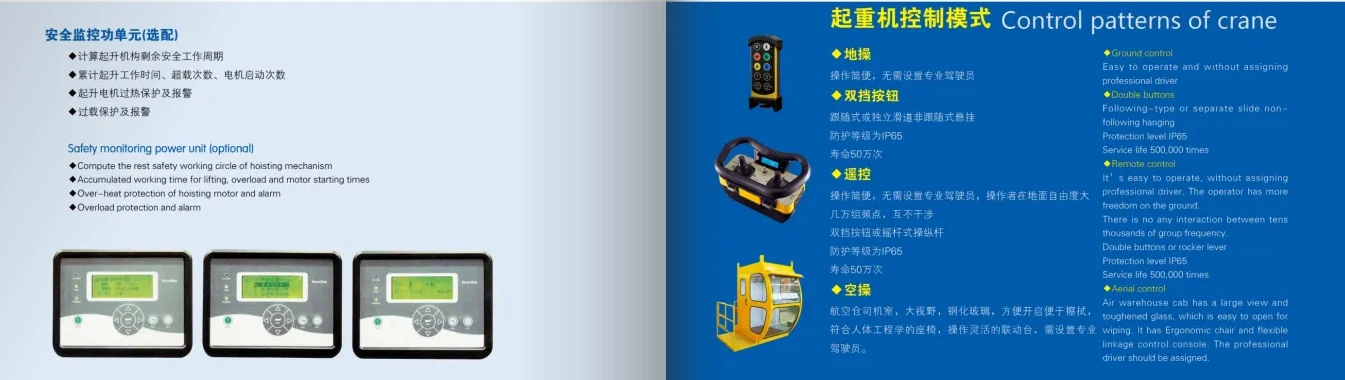
1. Transmitter (Remote Control Handset)
Function: The handheld device used by the operator to send commands wirelessly to the crane.
Features:
Ergonomic design with buttons/joysticks for hoist, trolley, and bridge movements.
Emergency stop button (mushroom head for quick shutdown).
LCD display (shows battery life, signal strength, fault alerts).
Battery (rechargeable Li-ion or replaceable AA batteries).
IP rating (typically IP65/IP67 for dust/water resistance).
Frequency: 2.4 GHz FHSS (Frequency Hopping Spread Spectrum) for anti-interference.
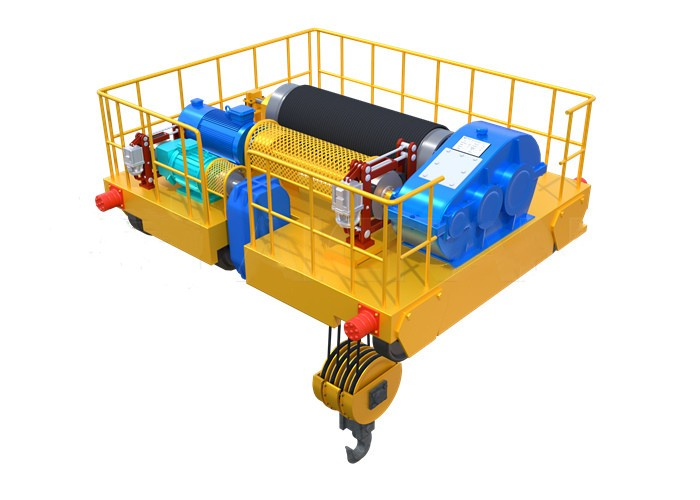 |
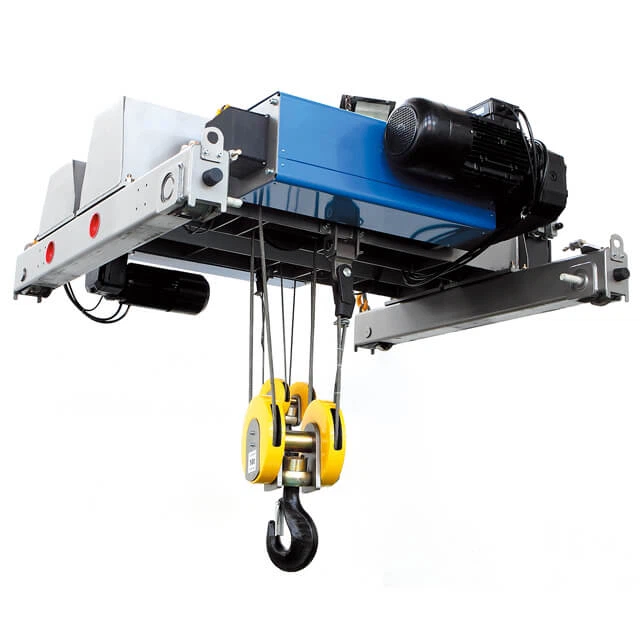 |
2. Receiver Unit
Function: Receives signals from the transmitter and relays commands to the crane's control system.
Features:
Mounted on the crane (usually near the control panel).
Multi-channel input/output (supports hoist, trolley, bridge, and auxiliary functions).
Fail-safe circuitry (stops crane if signal is lost).
LED indicators (shows power status, signal reception, errors).
 |
 |
3. Antenna & Signal Booster
Function: Ensures stable communication between transmitter and receiver.
Types:
Omnidirectional antenna (standard for most indoor applications).
Directional antenna (extends range in large outdoor areas).
Signal repeater (for facilities with obstacles like walls or machinery).
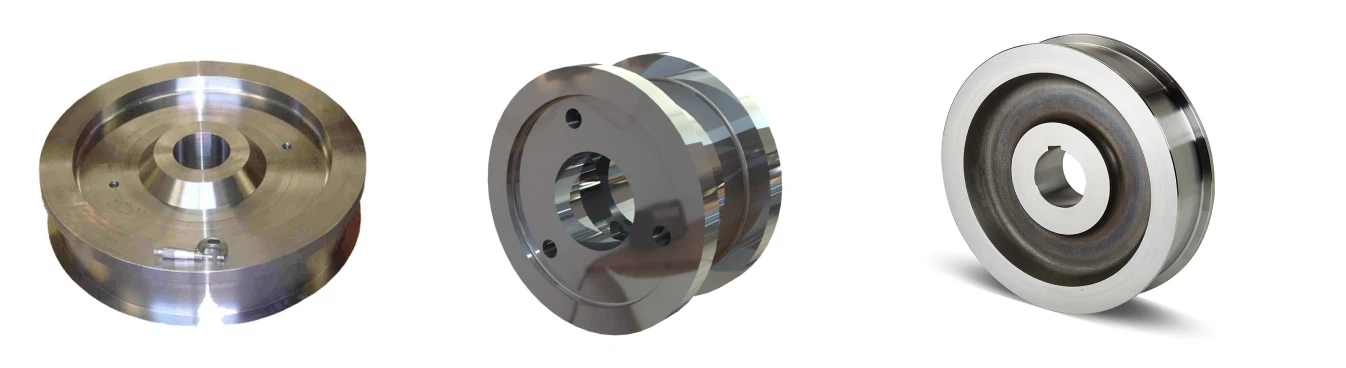
4. Control Interface (Relay/PLC Connection)
Function: Links the receiver to the crane's motor control system.
Components:
Relay modules (for basic on/off control).
PLC (Programmable Logic Controller) (for advanced automation).
Variable Frequency Drives (VFDs) (for smooth speed control).
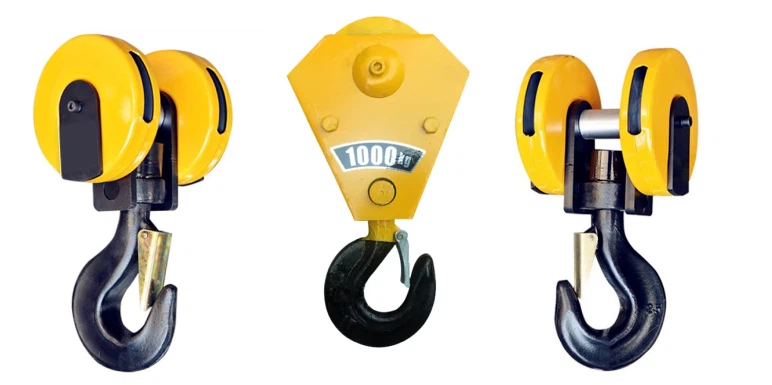
5. Power Supply
Function: Provides electricity to the receiver and control system.
Options:
24V DC/110V AC/220V AC (matches crane's power system).
Uninterruptible power supply (UPS) (backup during outages).

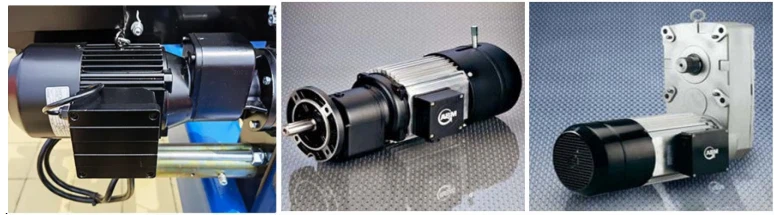
6. Safety & Accessory Components
Emergency Stop (E-Stop): Cuts power to the crane when pressed.
Key Switch/Password Protection: Prevents unauthorized use.
Battery Backup: Ensures transmitter remains operational during power loss.
Anti-Collision Sensors: Integrates with remote for automated stopping.
.

7. Optional Add-Ons
Load Display: Shows real-time weight on the remote.
Data Logging: Records crane operations for maintenance.
Multi-Crane Control: Single remote for multiple cranes (with address coding).
Explosion-Proof Design: For hazardous environments (ATEX/IECEx certified).

Types of Cranes Compatible with Radio Remote
Single/Double Girder Overhead Cranes
Gantry Cranes
Jib Cranes
Clamshell Grab Bucket Cranes (for bulk materials).
Magnetic & Vacuum Lifting Cranes.
SKETCH

Main technical

Advantages
Advantages of Radio Remote Control Overhead Cranes
Enhanced Safety
Operators control the crane from a safe distance, avoiding hazardous areas (molten metal, chemicals, falling debris).
Emergency stop feature allows instant shutdown in emergencies.
Improved Productivity
Faster operation with direct line-of-sight control, reducing cycle times.
No need to climb stairs to a cabin or drag pendant cables.
Greater Flexibility & Mobility
Operators can move freely for better load visibility and positioning.
Ideal for large workspaces (shipyards, warehouses, construction sites).
Reduced Maintenance Costs
No pendant cables to wear out or trip over.
Fewer mechanical failures compared to wired systems.
Precision Control
Variable speed control via joystick for smooth load handling.
Some models support programmable functions (e.g., preset lifting paths).
Works in Harsh Environments
Dustproof & waterproof (IP65/IP67) remotes for steel mills, ports, and mining.
Explosion-proof (ATEX/IECEx) options for chemical plants and oil refineries.
Easy Integration
Compatible with single/double girder cranes, gantry cranes, and jib cranes.
Can be retrofitted to existing cranes.
Application:
Applications of Radio Remote Control Overhead Cranes
1. Steel & Metal Industry
Handling hot steel coils, molten metal, and scrap.
Operators stay clear of extreme heat and sparks.
2. Warehousing & Logistics
Moving heavy pallets, containers, and machinery with precision.
Useful in high-bay storage where pendant cables are impractical.
3. Ports & Shipyards
Loading/unloading cargo ships, containers, and bulk materials.
Remote operation improves efficiency in large, open areas.
4. Construction Sites
Positioning precast concrete, steel beams, and heavy equipment.
Reduces the need for multiple signalers.
5. Mining & Bulk Material Handling
Operating clamshell grabs for coal, ore, and aggregates.
Allows control from a safe distance in dusty environments.
6. Automotive & Manufacturing
Moving engine blocks, molds, and assembly line components.
Improves workflow efficiency in busy factories.
7. Waste Management & Recycling
Handling scrap metal, waste bales, and recycling materials.
Reduces exposure to hazardous debris.
8. Power Plants
Managing coal, ash, and heavy machinery in confined spaces.
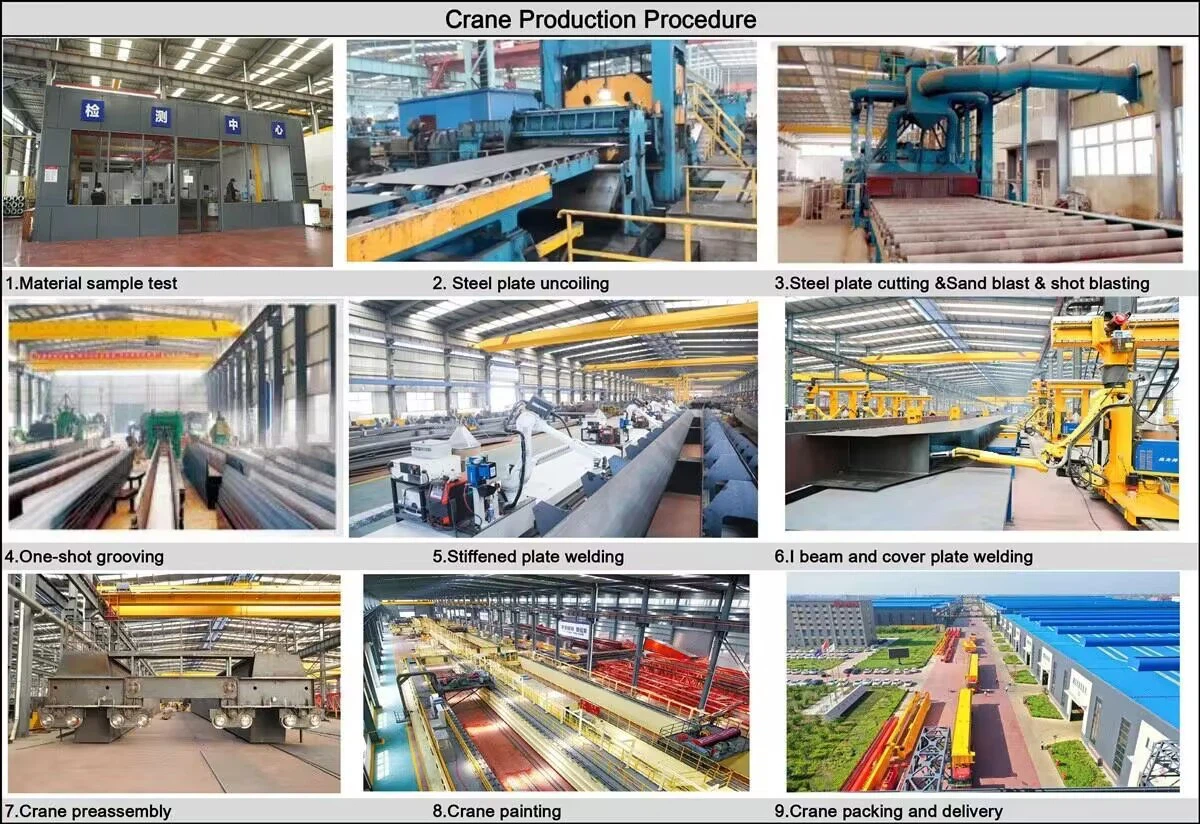
Crane production procedure
1.Design and Engineering
Requirements Gathering:
Load capacity (e.g., 10T, 50T, 100T, etc.), span, lifting height, and operational environment are defined.
Customization needs are assessed, such as control modes (pendant, wireless, cabin) and special features (e.g., anti-collision, overload protection).
Preliminary Design:
Structural engineers and crane designers create the crane's initial design, including the main beam, end carriage, lifting system, trolley system, travel mechanism, and other components.
Calculation and Simulation:
Load calculations are performed to ensure the crane can handle the specified capacity.
Finite element analysis (FEA) may be used to simulate stresses and deflections in the structure to ensure safety and stability.
Detailed Design:
After approval, detailed drawings for each part are made, including the main girder, end carriage, hoist system, motors, control systems, and safety features.
2. Material Procurement
Raw Material Selection:
High-quality materials like steel, alloyed steel, forged steel, and electrical components are sourced according to specifications.
Materials are inspected for quality certification and compliance with industry standards (e.g., ISO, CE).
Component Sourcing:
Standard components such as motors, hoists, control panels, limit switches, and safety devices are sourced from reliable suppliers.
3. Fabrication of Components
Main Girder:
Cutting and welding of steel plates to form the bridge girder.
The girder is assembled by welding or bolting sections, ensuring it meets the required strength and precision.
End Carriage Assembly:
The end carriage is fabricated and assembled to hold the crane on the runway rails.
Wheel assemblies are installed to ensure smooth travel along the rails.
Hoist and Trolley System:
The hoist unit (electric or manual) is assembled, including the drum, wire rope, hook, and motor.
The trolley system is built to transport the hoist across the bridge, including trolley wheels and drive mechanisms.
Crane Traveling Mechanism:
The crane wheels are mounted on the end carriages, ensuring smooth horizontal movement.
The drive system is installed to control travel speed.
4. Assembly of Crane
Main Beam Installation:
The assembled main girder is lifted and positioned onto the end carriages.
The girder is aligned to ensure structural integrity.
Trolley and Hoist Installation:
The trolley system is mounted onto the main girder, and the hoist is mounted to the trolley.
The load chain or wire rope is installed and tested for smooth operation.
Travel Mechanism Setup:
The crane wheels are fitted, and the drive mechanism is connected to the control system for horizontal movement.
5. Electrical and Control System Installation
Wiring and Control Panel:
The control panel is installed and wired to manage all crane movements (hoisting, trolley, crane travel).
Limit switches, emergency stop buttons, and safety alarms are integrated into the control system.
Motor and Gear Installation:
Motors for hoisting, traveling, and the trolley are installed and connected to their respective gear systems.
Testing of Control Systems:
Control systems are checked to ensure proper integration of pendant control, wireless remote, or cabin control options.
6. Testing and Quality Control
Load Testing:
The crane undergoes static load testing (to check stability) and dynamic load testing (to check operational performance under actual working conditions).
Overload protection and limit switches are tested to ensure they function correctly.
Safety System Testing:
The sound and light alarms, limit switches, emergency stop buttons, and safety devices are all tested for functionality.
Movement Testing:
All movements-hoisting, trolley movement, bridge travel, and sway control-are tested for smooth operation and precision.
Electrical Testing:
All electrical components are tested for proper wiring, grounding, and communication between systems.
Documentation and Certification:
The crane is inspected according to international safety standards and undergoes certification by relevant authorities (e.g., CE, ISO).
Test certificates for motors, cranes, and load testing are prepared.
7. Final Inspection and Painting
Visual Inspection:
A thorough inspection is carried out to ensure that the crane meets design specifications and safety requirements.
Painting:
The crane is painted with high-quality anti-corrosion coatings to protect it from environmental conditions.
Marking and Labeling:
Safety labels, warnings, and capacity markings are applied to the crane for proper identification.
8. Delivery and Installation
Shipping:
The crane is carefully disassembled into transportable parts (if needed) and shipped to the customer's location.
Installation:
The crane is installed on-site, and all connections (power, mechanical, control) are made.
Final Commissioning:
The crane is commissioned by running it through a series of operational tests to ensure it works properly.
Operator training is conducted, if necessary, for safe and efficient use.
9. Post-Installation Support
Customer Training:
Operator training on how to use the crane safely and effectively.
Maintenance Schedule:
Providing a maintenance plan for the crane's continued operation, including regular inspections, lubrication, and testing.
After-Sales Support:
Offering spare parts, troubleshooting, and repair services.
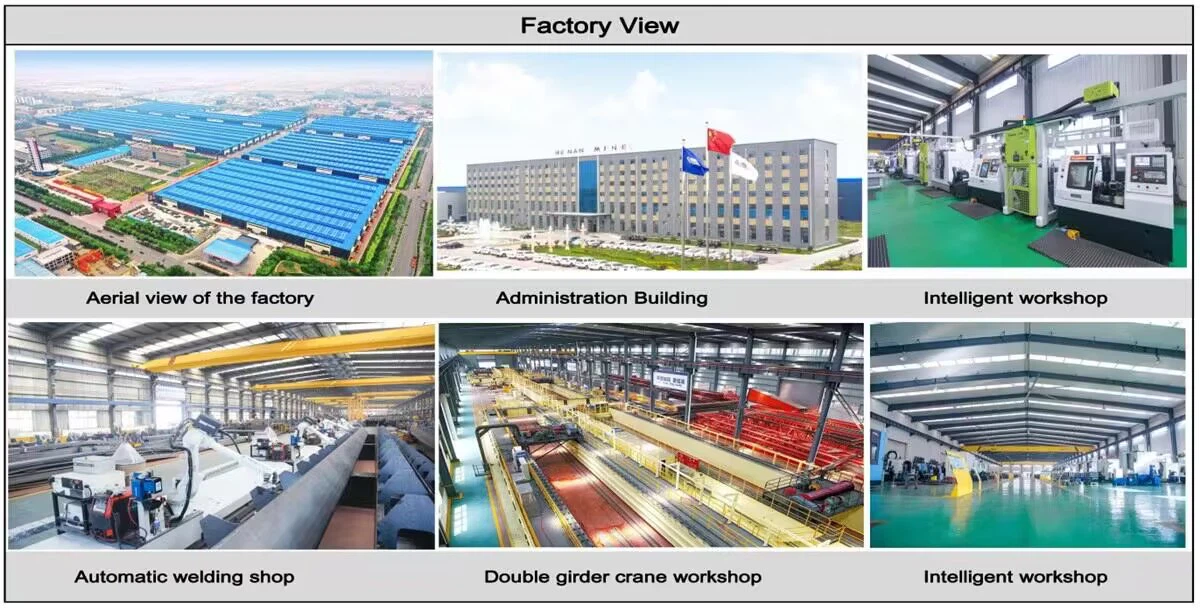
Workshop view:
The company has installed an intelligent equipment management platform, and has installed 310 sets (sets) of handling and welding robots. After the completion of the plan, there will be more than 500 sets (sets), and the equipment networking rate will reach 95%. 32 welding lines have been put into use, 50 are planned to be installed, and the automation rate of the entire product line has reached 85%.


Hot Tags: radio remote control overhead crane, China radio remote control overhead crane manufacturers, suppliers, factory, Double Girder Overhead Crane, Double Girder Overhead Travelling Crane
You Might Also Like




Send Inquiry