










Crane With A Magnet
Our Magnetic Crane is a powerful lifting solution designed for handling ferrous metal materials efficiently and safely. Equipped with a high-performance electromagnet or permanent magnet, this crane is ideal for lifting, transporting, and unloading steel plates, scrap metal, and other iron-based loads. It is widely used in steel mills, shipyards, scrap yards, warehouses, and metal processing industries.

Weight (KG):32000 kg
Max. Lifting Load:32 ton
Span:10.5~31.5m
Product Name:popular selling electric lift magnet 32 ton bridge overhead crane
Control method:Cabin Control
Power Source:3 Phase 380V 50hz
Lifting speed:1-15m/min
Lifting mechanism:Electric Trolley
Color:Optional
Trolley running speed:5-40m/min
Crane running speed:5-100m/min
Pictures & Components

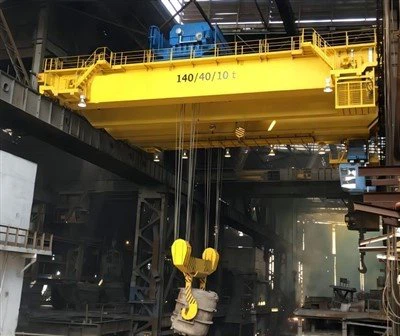
Double Beam (Girder): A Double Beam Crane with a Magnet (also called a Double Girder Overhead Crane with a Magnet) is an industrial crane used for lifting and transporting heavy metal materials, such as steel plates, billets, or scrap metal. It consists of two main girders, an electric hoist or trolley system, and an electromagnetic lifting device.

End beam: An end beam with a magnet is typically used in overhead cranes for handling ferrous metal materials like steel plates, pipes, or scrap metal. It consists of:
End Beam (End Carriage) – The structural component that supports the hoist and moves along the crane runway.
Magnet (Electromagnet or Permanent Magnet) – Used for lifting and holding metal objects.
Power Supply & Control System – To operate the magnet (for electromagnets).
Hoist: A hoist with a magnet is commonly used in cranes for lifting and handling ferrous metal loads. This type of system consists of an electromagnet or a permanent magnet attached to a crane's hoist, enabling it to securely pick up and transport metal materials such as steel plates, beams, scrap metal, or coils.

Trolley: A trolley of a crane with a magnet is a type of material handling system used for lifting and moving ferrous (magnetic) materials, such as steel plates, scrap metal, and billets.

Magnet: Electromagnetic Crane – Uses an electric current to generate a magnetic field, allowing it to pick up and drop metal objects with a switch.
Permanent Magnet Crane – Uses strong permanent magnets (like neodymium) and typically requires manual or mechanical activation.
Battery-Powered Magnet Crane – Portable and useful in areas without a stable power supply.

Control system: Magnetic Lifting Device: An electromagnet or permanent magnet that generates a magnetic field to attract and hold metal objects.
Power Supply Unit: Provides power to the electromagnet, usually DC power for stability.
Magnet Controller: Regulates the magnet's power, enabling it to be turned ON and OFF and sometimes adjusting its lifting force.
PLC (Programmable Logic Controller): Manages the crane's movement and magnet operation automatically.
Variable Frequency Drive (VFD): Controls the speed of the crane's motors for smooth lifting, lowering, and movement.
HMI (Human-Machine Interface): A touchscreen or control panel for operators to set parameters and monitor operations.
Safety Systems: Includes overload protection, emergency stop, and fail-safe features (e.g., battery backup in case of power failure).

Sketch:

Main Technical Data

Advantages

1.Efficient Material Handling
Quickly lifts and moves heavy metal objects without the need for slings or chains.
Reduces loading and unloading time, increasing productivity.
2. Enhanced Safety
Minimizes manual handling, reducing the risk of worker injuries.
Prevents materials from slipping, unlike traditional hooks and chains.
3. Cost-Effective
Reduces labor costs by requiring fewer workers for lifting operations.
Minimizes damage to materials, saving replacement costs.
4. Versatility
Can handle a variety of ferrous materials, including steel plates, pipes, beams, and scrap metal.
Useful in industries like shipbuilding, construction, and metal recycling.
5. Improved Workplace Efficiency
Streamlines operations by allowing fast and precise material positioning.
Reduces downtime in production lines by quickly moving materials.
6. Space Optimization
Requires less storage space as materials can be stacked more efficiently.
Eliminates the need for large storage racks and extra handling equipment.
7. Remote Control Operation
Many magnetic cranes can be operated remotely, increasing safety and precision.
Reduces the need for workers to be near hazardous lifting areas.

Application

Steel Industry
Lifting and transporting steel plates, billets, bars, and coils.
Moving scrap metal for recycling.
Scrap Yards & Recycling Centers
Picking up and sorting metal scraps.
Loading and unloading metal materials for recycling.
Shipyards & Ports
Handling metal sheets, pipes, and other heavy ferrous materials.
Loading and unloading steel products from ships.
Construction Sites
Lifting steel beams, rebar, and other structural metal components.
Moving heavy iron or steel parts efficiently.
Manufacturing & Warehouses
Transporting metal parts in machine shops.
Organizing and storing metal sheets, plates, and rolls.
Railway & Automotive Industries
Handling and assembling railway tracks.
Moving car bodies and heavy engine components in automotive plants.
Crane Production Procedure
1. Design & Engineering
Identify customer requirements (lifting capacity, magnet size, power source).
Select crane type (e.g., overhead, gantry, or mobile crane).
Design structural framework, hoist system, and electromagnet integration.
Conduct feasibility studies and simulations for load capacity and safety.
2. Material Procurement
Source high-quality steel for crane structure and components.
Acquire motors, electrical systems, and electromagnets.
Purchase control systems (PLC, remote control, or manual operation).
Ensure compliance with international safety and quality standards.
3. Fabrication & Manufacturing
Structural Components:
Cut, shape, and weld steel sections for the main frame, girders, and supporting beams.
Hoist & Lifting Mechanism:
Assemble the hoist, wire rope, and motorized trolley.
Magnet System:
Integrate electromagnet with power supply and control circuits.
Test the magnet for lifting strength and efficiency.
Electrical & Control System:
Install wiring, circuit boards, and safety interlocks.
Program PLC for automation (if applicable).
4. Assembly & Integration
Mount the hoist and electromagnet onto the crane structure.
Install motors, brakes, limit switches, and safety features.
Integrate control panel and remote-control system.
5. Quality Control & Testing
Structural Load Test: Ensure crane can lift its rated capacity.
Electromagnet Test: Verify proper magnetization and de-magnetization cycles.
Operational Test: Check movement, braking, and control responsiveness.
Safety Test: Ensure emergency stop and overload protection work properly.
6. Surface Treatment & Painting
Apply anti-corrosion coating and industrial-grade paint.
Add safety markings and labels as per regulations.
7. Packaging & Delivery
Disassemble large sections for easier transport.
Secure components with proper packaging to prevent damage.
Ship to the installation site with detailed assembly instructions.
8. Installation & Commissioning
Assemble crane structure at the site.
Connect electrical systems and test full operation.
Train operators on safe usage and maintenance.
9. Final Inspection & Handover
Conduct final load and safety checks.
Provide user manuals and maintenance guidelines.
Officially hand over to the customer with warranty and service support.

Workshop View
The company has installed an intelligent equipment management platform, and has installed 310 sets (sets) of handling and welding robots. After the completion of the plan, there will be more than 500 sets (sets), and the equipment networking rate will reach 95%. 32 welding lines have been put into use, 50 are planned to be installed, and the automation rate of the entire product line has reached


Hot Tags: crane with a magnet, China crane with a magnet manufacturers, suppliers, factory
Previous
Electromagnetic Bridge CraneYou Might Also Like


Send Inquiry