










Small Boat Lifting Gantry Crane
Products Description
Small boat lifting gantry cranes are ideal for marinas, repair shops, and boat owners who need a flexible, affordable, and safe lifting solution. Their adjustability, portability, and ease of use make them a preferred choice over more expensive alternatives like travel lifts.
Key Features of Small Boat Lifting Gantry Cranes
Compact & Portable Design
Unlike large industrial gantry cranes, small boat gantries are often lightweight and may be wheel-mounted for easy relocation.
Some models are foldable or modular for storage and transport.
Adjustable Span & Height
Designed to accommodate different boat sizes, with adjustable beam widths and lifting heights.
Some models feature telescopic or extendable booms for flexibility.
Manual or Powered Operation
Smaller versions may use hand-cranked winches or electric hoists (typically 1–10-ton capacity).
Larger models may incorporate motorized trolleys for smoother operation.
Sturdy Construction
Made from high-strength steel or aluminum for corrosion resistance in marine environments.
Reinforced legs and stabilizing outriggers prevent tipping during lifts.
Safety Features
Load limiters, anti-sway systems, and locking mechanisms ensure stability.
Some models include spreader bars to distribute weight evenly when lifting hulls.
Comparison with Other Marine Lifting Solutions
| Feature | Small Boat Gantry Crane | Travel Lift | Forklift (Marine) |
|---|---|---|---|
| Mobility | Portable, some wheeled | Fixed or rail-mounted | Highly mobile |
| Capacity | 1–20 tons | 10–100+ tons | 2–10 tons |
| Best For | Small boats, DIY yards | Large marinas | Lightweight boats |
| Cost | Lower | Higher | Moderate |
Lifting Capacity 1 - 20 tons
Span (Width) 3 - 12 meters (adjustable)
Lifting Height 3 - 10 meters
Working Class A3-A5 (light to medium duty)
Hoisting Speed 0.5 - 8 m/min (variable)
Main Beam Type Single/double girder (box-type)
Power Supply 220V/380V 3-phase or manual
Control Mode Pendant control/wireless remote
Hoist Type Electric chain hoist/wire rope hoist
Travel Drive Manual push or motorized
Corrosion Protection Hot-dip galvanized or marine-grade paint
Wind Resistance Up to Beaufort scale 6 (for outdoor use)
Operating Temp -20°C to +50°C

Pictures & Components
A small boat lifting gantry crane consists of several essential components that work together to safely lift and move boats. Below is a detailed breakdown of each part:
1. Structural Components
A. Main Beam (Bridge Girder)
Function: The horizontal beam that spans the width of the boat, supporting the lifting mechanism.
Material: Typically made of high-strength steel or aluminum (for lightweight portability).
Types:
Fixed-length beam (for consistent boat sizes).
Adjustable/telescopic beam (for varying boat widths).

B. Support Legs (End Carriages)
Function: Vertical supports that hold the main beam and provide stability.
Design Features:
Fixed-height legs (for permanent installations).
Adjustable-height legs (for different lifting requirements).
Wheel-mounted legs (for mobility, often with locking casters).
C. Base Frame (Runway System)
Function: Provides a stable foundation for the crane.
Options:
Fixed rails (for permanent installations).
Wheeled base (for portable gantries).
Outriggers (for additional stability on uneven ground).

2. Lifting & Hoisting Mechanism
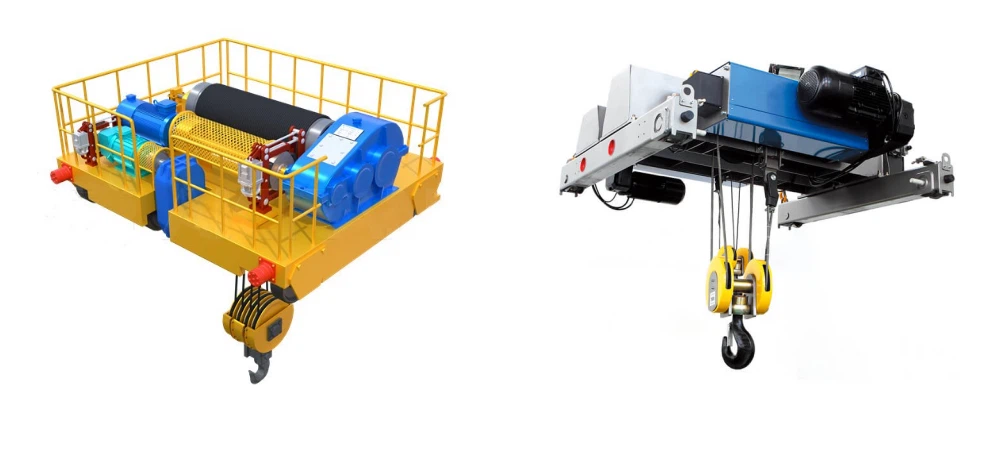
A. Hoist Unit
Function: The motorized or manual device that lifts the boat.
Types:
Electric chain hoist (common for 1–10 ton capacities).
Wire rope hoist (for heavier lifts).
Manual hand winch (for lightweight boats).
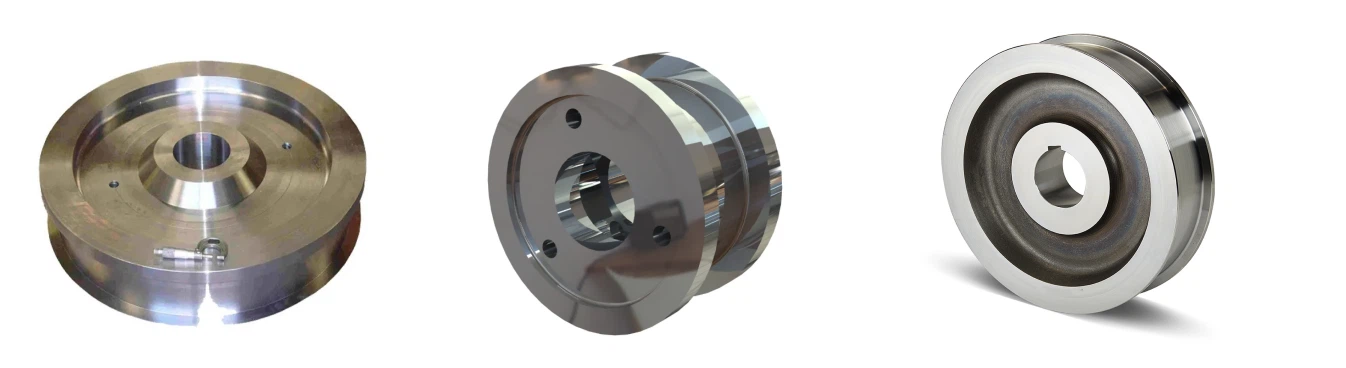
B. Trolley System
Function: Moves the hoist along the main beam for precise positioning.
Types:
Manual push trolley (budget-friendly).
Motorized trolley (for smoother operation).
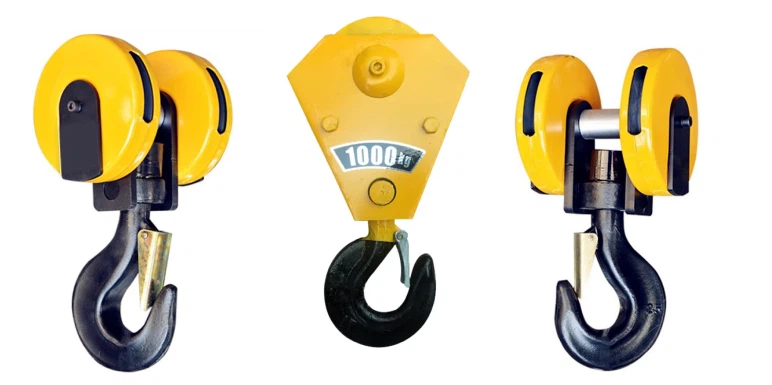
C. Lifting Straps/Spreader Bars
Function: Distributes weight evenly to prevent hull damage.
Materials:
Nylon slings (for lightweight boats).
Steel spreader bars (for heavier vessels).

3. Control & Safety Systems
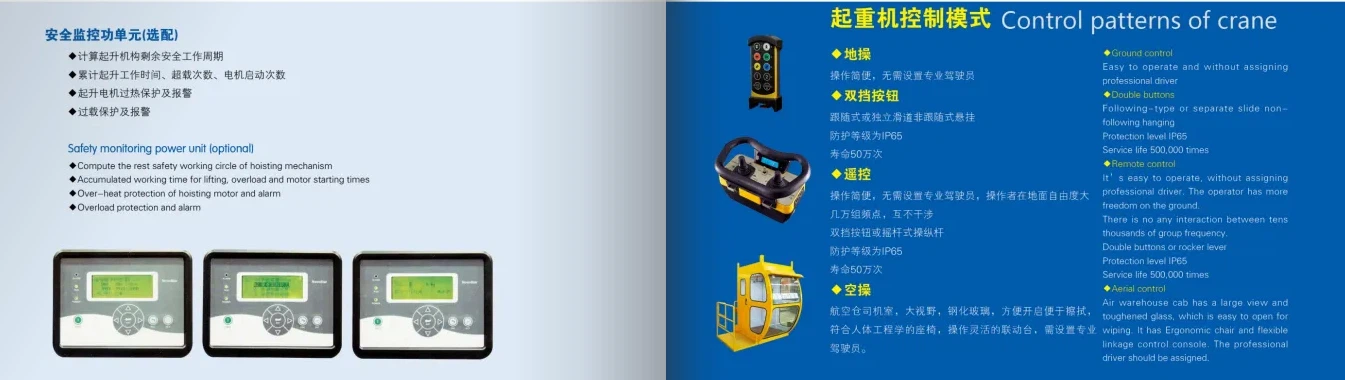
A. Control Panel (For Electric Models)
Features:
Pendant control (wired remote).
Wireless remote (for operator mobility).
Variable speed control (for precise lifting).
.
B. Safety Features
Overload limiter (prevents exceeding weight capacity).
Emergency stop button (halts operation instantly).
Anti-sway system (reduces swinging during lifts).
Locking brakes (prevents unintended movement).

4. Optional Accessories
Boat cradles (for secure long-term storage).
Rotating hooks (for easier boat positioning).
Corrosion-resistant coatings (for saltwater environments).
LED work lights (for nighttime operations).
SKETCH
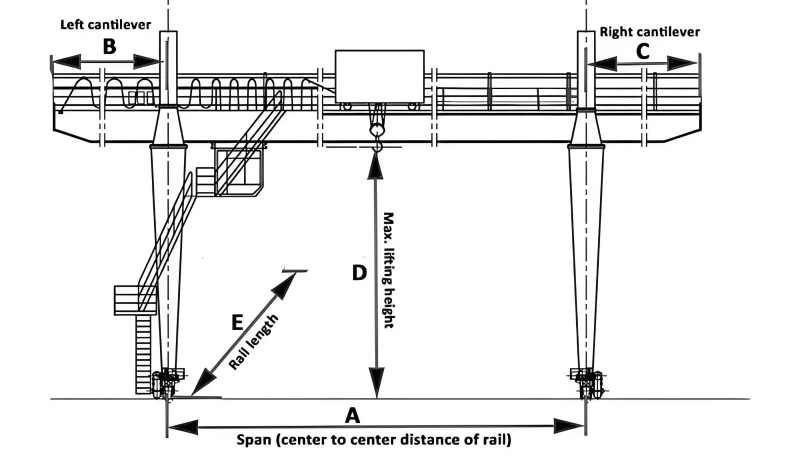
Main technical
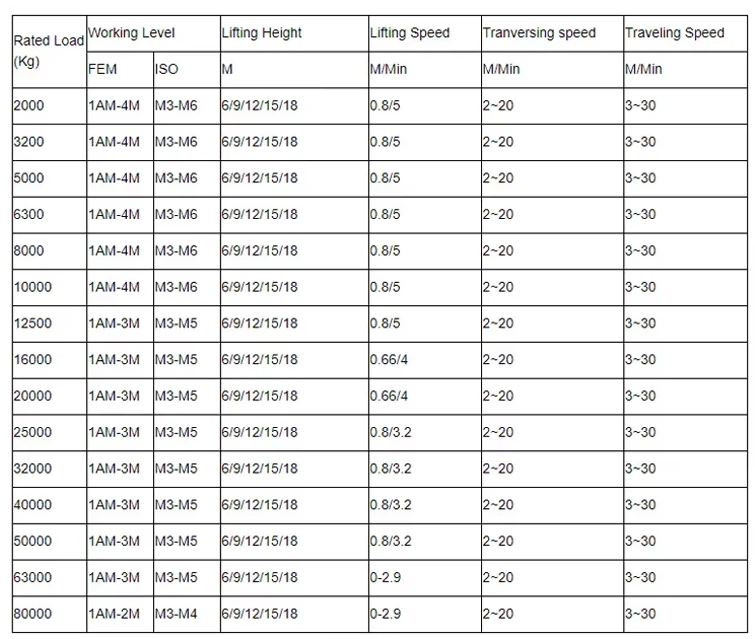
Advantages
Small boat lifting gantry cranes offer a practical and efficient solution for handling small to medium-sized vessels (typically 1-20 tons). These cranes are widely used in marinas, boatyards, and waterfront facilities due to their versatility and cost-effectiveness. Below are their key advantages and applications.
Advantages of Small Boat Lifting Gantry Cranes
1. Portability & Compact Design
✅ Easy to Move: Many models feature wheeled bases or modular designs, allowing relocation as needed.
✅ Space-Saving: Ideal for tight spaces where large travel lifts cannot operate.
2. Cost-Effective Solution
✅ Lower Investment: More affordable than travel lifts or marine forklifts for small-scale operations.
✅ Minimal Infrastructure Needed: Does not require permanent rails or deep foundations.
3. Adjustable & Customizable
✅ Variable Width: Some models have telescopic beams to accommodate different boat sizes.
✅ Height Adjustments: Legs can be extended for higher lifts or low-clearance areas.
4. Safe & Reliable Operation
✅ Stable Lifting: Spreader bars and balanced slings prevent hull damage.
✅ Safety Features: Includes overload protection, emergency brakes, and anti-sway controls.
5. Versatile Power Options
✅ Manual (Hand Winch): Suitable for lightweight boats (1-3 tons).
✅ Electric Hoist: Better for frequent use (up to 10-20 tons).
Application
Applications of Small Boat Lifting Gantry Cranes
1. Boat Maintenance & Repair
🛠️ Dry Docking: Lifts boats for hull cleaning, painting, and repairs.
🛠️ Engine & Propeller Work: Provides stable access for mechanical servicing.
2. Marina & Boatyard Operations
⚓ Launching & Retrieval: Moves boats between water and storage racks.
⚓ Winter Storage: Lifts boats onto trailers or cradles for off-season storage.
3. Fishing & Aquaculture
🎣 Small Fishing Boats: Handles vessels for net repairs and equipment maintenance.
🐟 Aquaculture Farms: Lifts floating cages and workboats for maintenance.
4. Emergency & Salvage Operations
🚨 Boat Recovery: Retrieves capsized or stranded vessels in shallow waters.
🚨 Flood Rescue: Used in disaster response to move small boats quickly.
5. DIY & Small-Scale Boat Builders
🔧 Boat Construction: Assists in positioning hulls during assembly.
🔧 Trailer Loading: Helps load boats onto transport trailers safely.
Crane production procedure
1. Design and Engineering
Requirement Analysis
Understand the client's specifications (load capacity, span, height, working environment, etc.).
Determine operational parameters: lifting height, travel speed, working frequency, etc.
Preliminary Design
Create conceptual designs and 3D models.
Choose materials based on strength and environmental conditions.
Detailed Engineering
Develop detailed engineering drawings (structural components, mechanisms, electrical systems).
Perform stress and fatigue analysis to ensure safety.
2. Material Procurement
Source high-quality materials, including:
Steel plates and profiles for structural components.
Motors, gearboxes, and other mechanical parts.
Electrical systems and control components.
Inspect materials to ensure compliance with quality standards.
3. Fabrication
Structural Component Fabrication
Cut, weld, and assemble the steel structures (main girder, cantilever arms, legs, etc.).
Ensure precise alignment and dimensions.
Perform surface treatment (e.g., shot blasting, painting) for corrosion protection.
Mechanical Assembly
Assemble mechanical parts (trolley, hoist, wheels, etc.).
Install motors, gearboxes, and drive systems.
Electrical Assembly
Install electrical components (control panels, cables, sensors).
Wire and connect the system to ensure functionality.
4. Quality Inspection
Material Inspection
Verify material certification and conduct tests (e.g., tensile tests).
Structural Inspection
Inspect weld quality (e.g., ultrasonic testing).
Ensure dimensional accuracy and surface finishing.
Assembly Inspection
Check alignment and functionality of all parts (mechanical and electrical).
Load Testing
Conduct static and dynamic load tests to ensure safe operation.
5. Factory Acceptance Testing (FAT)
Conduct a comprehensive trial run, including:
Full load and overload tests.
Functionality of all safety devices (e.g., limit switches, emergency brakes).
Smooth operation of trolley, hoist, and crane travel.
Document results and obtain client approval.
6. Disassembly and Packing
Disassemble the crane into transportable sections.
Pack components securely to prevent damage during transportation.
Label and prepare a packing list for efficient reassembly.
7. Transportation
Deliver the crane components to the installation site using appropriate transportation methods.
8. Installation and Commissioning
On-Site Assembly
Assemble structural components and mechanical systems.
Install electrical systems and control panels.
Calibration and Testing
Recalibrate the crane system for site-specific conditions.
Perform on-site load testing to verify performance.
9. Handover
Provide training to the client's personnel on safe operation and maintenance.
Deliver technical documentation (user manual, maintenance guide, certificates).
Obtain final approval and acceptance from the client.
10. After-Sales Support
Offer warranty services and maintenance support.
Provide spare parts and technical assistance as needed.

Workshop view:
The company has installed an intelligent equipment management platform, and has installed 310 sets (sets) of handling and welding robots. After the completion of the plan, there will be more than 500 sets (sets), and the equipment networking rate will reach 95%. 32 welding lines have been put into use, 50 are planned to be installed, and the automation rate of the entire product line has reached 85%.




Hot Tags: small boat lifting gantry crane, China small boat lifting gantry crane manufacturers, suppliers, factory, Forged Wheel, Electromagnetic Overhead Crane with Rotary Carrier Beam, Forged Train Wheels, Gantry Crane, Rolling Mill Overhead Crane, Forged Part
You Might Also Like


Send Inquiry