




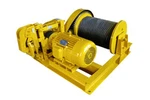


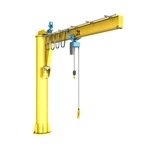


Multipurpose Gantry Crane
1.A Multipurpose Gantry Crane is a versatile and robust piece of lifting equipment commonly used in various industries for handling heavy loads. Designed for efficiency, flexibility, and reliability, these cranes are widely deployed in shipyards, warehouses, construction sites, and industrial environments.
2.The multipurpose gantry crane is an essential tool in industrial operations, offering versatility, reliability, and efficiency. Its ability to handle a wide range of loads, combined with advanced safety and control features, makes it an ideal choice for businesses looking to optimize their material handling processes. Whether for construction, manufacturing, or logistics, investing in a multipurpose gantry crane ensures enhanced productivity and safety in various applications.
Rated Loading Capacity:50t
Max. Lifting Height:30m
Span:70m
Warranty:2 years
Weight (KG):3500 kg
Capacity:10-600t
Work Duty:A5-A6
Rated Lifting Moment:100kn

Pictures & Components
1.Main beam
1.The main beam of a multipurpose gantry crane is a critical structural component that plays a central role in the crane's overall functionality and load-bearing capacity. It is the horizontal element that spans between the crane's supports (legs or columns) and directly carries the weight of the loads being lifted.
A multipurpose gantry crane main beam is typically constructed from high-strength steel, which provides the necessary rigidity and strength to support heavy loads. It may be a single girder or double girder design, depending on the crane's capacity and application.The beam can have different profiles, such as box-type, I-beam, or truss, depending on the structural requirements. Box girders are common for heavy-duty applications, providing excellent strength-to-weight ratios and reducing deflection under load.
A multipurpose gantry crane main beam design includes features to minimize deflection (bending) under load, which is essential for maintaining the crane's stability and ensuring safe operation. Excessive deflection can lead to operational issues and potential safety hazards.In some designs, the main beam may be reinforced with additional materials or structural elements to enhance its load-bearing capacity and reduce the risk of failure under heavy loads.
4.A multipurpose gantry crane main beam is the backbone of a multipurpose gantry crane, providing the necessary strength and stability to handle heavy loads efficiently and safely. Its design and construction are critical to the crane's overall performance, and careful consideration is given to factors such as load distribution, stress management, and integration with other crane components. Customizable and robust, the main beam ensures that the crane can meet the diverse needs of various industries, from construction to manufacturing and beyond.

Lifting System
1.The lifting system of a multipurpose gantry crane is the heart of its functionality, enabling the safe and efficient handling of heavy loads across various industrial settings. This system encompasses several interconnected components designed to work seamlessly together to lift, transport, and position loads with precision and reliability. Below is a comprehensive overview of the lifting system in a multipurpose gantry crane.
2.Overview of the Lifting System
The lifting system is responsible for the vertical and horizontal movement of loads. It includes the hoist, trolley, hooks, wire ropes or cables, control systems, and safety mechanisms. This system is engineered to handle a wide range of loads, ensuring smooth operation, precise positioning, and adherence to safety standards.
3.Key Components of the Lifting System
a. Hoist
Function: The hoist is the primary lifting device that raises and lowers the load.
Types:
Electric Hoists: Utilize electric motors for smooth and precise control, ideal for environments with reliable power sources.
Chain Hoists: Feature a chain-driven mechanism, offering durability and high load capacity.
Wire Rope Hoists: Employ wire ropes for lifting, providing flexibility and strength for various applications.
Capacity: Hoists are selected based on the crane's load capacity, typically ranging from a few tons to several hundred tons.
b. Trolley
Function: The trolley moves the hoist horizontally along the main beam, enabling the transportation of loads across the crane's span.
Components:
Wheel Assembly: Ensures smooth movement along the main beam's rail.
Drive System: Powered by electric motors or manual controls to move the trolley with precision.
Braking System: Ensures safe stopping and holding of the trolley in position.
Features: Often equipped with limit switches to prevent the trolley from exceeding the beam's range.
4.The lifting system of a multipurpose gantry crane is a sophisticated and integral part of its overall design, enabling the efficient, safe, and precise handling of heavy loads across a variety of industrial applications. By integrating robust components such as hoists, trolleys, control systems, and safety mechanisms, the lifting system ensures that the crane can perform its tasks reliably and effectively. Regular maintenance, customization options, and advancements in technology further enhance the performance and adaptability of the lifting system, making multipurpose gantry cranes indispensable tools in modern industrial operations.

End Beam
The end beam (also known as the end carriage or end truck) of a multipurpose gantry crane is a crucial structural component that supports the crane's main beam and allows the entire crane to move along its designated path. The end beam plays a vital role in ensuring the stability, mobility, and overall functionality of the gantry crane.
Overview and Functionality
The end beam is positioned at both ends of the main beam, connecting the crane's supporting structure (legs or columns) and facilitating the horizontal movement of the crane along its tracks or rails. It supports the weight of the main beam, the lifting system, and the load, distributing these forces evenly across the wheels or rails.
Key Components
a. Structure
Design: The end beam is typically constructed from high-strength steel or other durable materials to withstand the significant forces exerted by the crane's load and movement.
Shape: It often has a box-like or I-beam structure, providing the necessary rigidity and strength to handle both the static and dynamic loads.
Length: The length of the end beam is determined by the width of the gantry crane and the spacing of the support legs or columns.
b. Wheels and Axles
Wheels: The end beam is equipped with wheels that run along the rails or tracks, allowing the crane to move horizontally. These wheels are usually made from hardened steel or other wear-resistant materials.
Axles: The wheels are mounted on axles, which are connected to the end beam. The axles must be precisely aligned to ensure smooth movement and minimize wear.
4.The end beam of a multipurpose gantry crane is a vital component that ensures the stability, mobility, and safety of the crane during operation. Its robust design, precise alignment, and integration with the crane's drive and safety systems are crucial for the efficient movement and positioning of heavy loads. With options for customization and modularity, the end beam can be adapted to suit a wide range of industrial applications, making it an essential part of the gantry crane's overall performance and reliability.


Crane travelling mechanism
The travelling mechanism of a multipurpose gantry crane is a crucial system that allows the crane to move horizontally along its designated path, enabling it to transport loads efficiently across different areas of a worksite. This mechanism is responsible for the controlled movement of the crane on its rails or tracks, ensuring smooth, precise, and safe operation.
Overview and Functionality
The crane travelling mechanism facilitates the horizontal movement of the entire crane structure, including the main beam, end beams, lifting system, and the load. It enables the crane to travel along its runway or track, which can be either ground-level rails or elevated beams, depending on the crane design and application.
Key Components
a. Travel Motors
Function: Provide the driving force necessary for moving the crane along the rails.
Types:
Electric Motors: The most common type, offering precise control and variable speed options. These motors can be AC or DC, depending on the specific crane design.
Hydraulic Motors: Used in specialized applications requiring high torque or where electric power may not be ideal.
Power Rating: Selected based on the size and load capacity of the crane, ensuring adequate power for smooth acceleration, deceleration, and sustained movement.
b. Gearboxes
Function: Convert the high-speed rotation of the motor into the lower speed, higher torque necessary to drive the crane wheels.
Design: Typically consists of a set of gears that reduce the motor's rotational speed while increasing torque. Gear ratios are chosen to match the desired travel speed and load requirements.
Durability: Gearboxes are designed to handle heavy loads and provide reliable performance over extended periods, with minimal maintenance.
4.The travelling mechanism of a multipurpose gantry crane is a sophisticated and essential system that enables the crane to move efficiently and safely across its designated path. Comprising motors, gearboxes, wheels, axles, braking systems, and control mechanisms, it ensures the crane can transport heavy loads with precision and reliability. With options for customization, variable speed control, and advanced safety features, the travelling mechanism is designed to meet the diverse needs of various industrial applications, ensuring that the crane operates smoothly and effectively in any environment. Regular maintenance and inspection are crucial for sustaining the durability and performance of the travelling mechanism, making it a critical component of the crane's overall functionality.
Trolley travelling mechanism
1. The trolley travelling mechanism of a overhead crane refers to the trolley device that moves horizontally on the main beam of the bridge crane. Its main function is to carry the crane's lifting system and move along the main beam within the working range of the bridge crane. The design and performance of the trolley running system directly affect the crane's working efficiency and operating accuracy.
2. The following are the main components and functions of the trolley travelling mechanism:
Trolley frame
The trolley frame is the basic framework of the trolley travelling mechanism. It usually adopts a high-strength steel structure and can carry the lifting device and its load. The trolley frame is usually designed as a box-type structure, which can provide sufficient strength and reduce weight. The trolley frame is installed above or below the main beam and is connected to the track of the main beam through the wheel set.
Transmission system
Gear transmission system is often used in trolley running system. It has the advantages of high efficiency and precision, and is suitable for the smooth operation of the trolley under high load. Chain drive is another common transmission method, especially in trolleys that require compact design or short transmission distance. Chain drive is simple, durable and easy to maintain.
Cable and power supply system
The trolley running system is usually powered by busbars. The busbar is laid along the main beam to ensure that the trolley can continuously receive power during the entire operation process. On some cranes, the trolley operation system may use a cable drum to power it, especially in situations where long distances need to be moved or frequent operations are required. The cable drum system can automatically retract and release the cable to prevent the cable from dragging on the ground or getting tangled.
3.Summary
The trolley travelling mechanism of the bridge crane is one of the most important parts of the crane, responsible for the movement of lifting equipment and heavy objects. Through precise control and stable operation, the trolley operation system enables the bridge crane to efficiently complete various lifting tasks and ensure the safety and reliability of the entire operation process.
6.Crane wheel
The trolley travelling mechanism of a multipurpose gantry crane is a key system that allows the trolley, which houses the hoisting mechanism, to move horizontally along the main beam of the crane. This movement is crucial for positioning the hoist directly above the load, enabling precise lifting, lowering, and relocation of materials. The trolley travelling mechanism must be robust, precise, and efficient to ensure smooth operation of the crane.
2.Overview and Functionality
The trolley travelling mechanism allows the trolley to traverse the length of the main beam, giving the crane a wide operational range. This mechanism ensures that the hoist can be accurately positioned over the load, allowing for precise lifting operations. It typically consists of a motorized drive system, wheels, axles, and control systems that work together to move the trolley smoothly and safely.
3.Customization and Adaptability
Customization: The trolley travelling mechanism can be customized to meet specific operational requirements, including different motor types, speed control options, and safety features.
Adaptability: The mechanism can be adapted for various environments, including outdoor, hazardous, or high-precision settings, ensuring optimal performance in different industrial applications.
4.Conclusion
The trolley travelling mechanism of a multipurpose gantry crane is essential for the precise horizontal movement of the hoist and load along the main beam. It combines motors, gearboxes, wheels, axles, and control systems to ensure smooth, efficient, and safe operation. With options for customization and adaptability, this mechanism is designed to meet the diverse needs of various industrial applications. Regular maintenance and inspection are critical to sustaining the durability and performance of the trolley travelling mechanism, making it a vital component of the crane's overall functionality.
 |
 |
 |
7.Crane hook
The crane hook is one of the most critical components of a multipurpose gantry crane, responsible for directly connecting the crane's lifting mechanism to the load. The hook must be strong, durable, and reliable, as it bears the weight of the load and ensures safe and efficient lifting operations. The design and material of the crane hook are crucial for ensuring safety and performance in various industrial applications.
Overview and Functionality
The crane hook is the component that attaches to slings, chains, or other rigging devices, enabling the crane to lift and move loads. It is typically attached to the hoist or trolley mechanism and must withstand significant stress and strain during operation. The hook's design includes features that ensure it securely holds the load, minimizes the risk of slippage, and can be easily attached and detached from loads.
Key Features
a. Material and Construction
High-Strength Steel: Most crane hooks are made from high-strength alloy steel or forged carbon steel, providing the necessary durability and load-bearing capacity.
Heat Treatment: Hooks undergo heat treatment processes like quenching and tempering to enhance their strength, toughness, and wear resistance.
Forged Construction: Forging the hook ensures a uniform grain structure and eliminates weak points, making the hook more robust and reliable.
4.Customization and Adaptability
Custom Hooks: For specialized applications, custom hooks can be designed to meet specific requirements, such as lifting unusual or non-standard loads.
Coatings and Finishes: Hooks can be coated with corrosion-resistant materials for use in harsh environments, such as marine or chemical industries.
Specialty Hooks: Hooks can be adapted with unique features such as load swivels, or integrated with lifting clamps for specific tasks.
5.Conclusion
The crane hook is an essential component of a multipurpose gantry crane, designed to securely hold and lift loads in various industrial applications. Made from high-strength materials and equipped with safety features like latches and load indicators, the hook ensures safe and efficient lifting operations. Regular inspection and maintenance are crucial to prevent wear, deformation, and other issues that could compromise the hook's performance. With options for customization and adaptability, the crane hook can be tailored to meet specific operational needs, making it a versatile and reliable tool in diverse industries.
 |
 |
 |
8.Motor
1.The motor is a critical component of a multipurpose gantry crane, providing the necessary power to perform various crane operations, including lifting, lowering, and moving loads horizontally. The motor's performance, efficiency, and reliability directly impact the crane's overall functionality and safety. It is essential to select the appropriate motor type and specifications based on the crane's application and operational requirements.
2.Overview and Functionality
The motor in a multipurpose gantry crane is responsible for converting electrical energy into mechanical energy, enabling the crane to lift and transport loads. Depending on the crane's design, there may be multiple motors involved in different tasks, such as hoisting the load, moving the trolley, and driving the crane along its tracks. These motors must be robust and efficient to handle the demands of industrial operations.
3.Key Features
a. Types of Motors
AC Motors (Alternating Current):
Induction Motors: Commonly used in gantry cranes due to their durability, low maintenance, and ability to handle high loads. They operate on standard AC power and are available in various power ratings.
Synchronous Motors: Offer precise speed control and are used in applications requiring accurate positioning, such as in automated cranes.
DC Motors (Direct Current):
Series Wound Motors: Known for their high starting torque, making them suitable for hoisting applications.
Shunt Wound Motors: Provide consistent speed control under varying load conditions, ideal for smooth operation in material handling.
4.Control Systems
a. Manual Controls
Function: Allow the operator to manually control the motor's speed, direction, and braking. Typically implemented using joysticks, levers, or control panels.
Application: Suitable for applications where precise operator input is required for lifting and positioning loads.
b. Automated Controls
Function: Enable the crane to perform predefined movements and operations automatically. These systems use sensors and programmable logic controllers (PLCs) to control motor operation with minimal human intervention.
Application: Ideal for repetitive tasks and operations requiring high precision and consistency.
5.The motor is a vital component of a multipurpose gantry crane, responsible for providing the power necessary to lift, move, and position loads. Whether using AC, DC, or VFD motors, selecting the right motor type and specifications is essential for ensuring the crane's performance, efficiency, and safety. Proper maintenance and regular inspection of the motor are critical to sustaining its reliability and preventing operational disruptions. With appropriate safety features and control systems, the motor can be tailored to meet the specific needs of various industrial applications, making it a versatile and indispensable part of the gantry crane system.

. 

9.Sound and light alarm system & limit switch
The sound and light alarm system and limit switches are essential safety components of a multipurpose gantry crane, designed to enhance operational safety and prevent accidents. These systems provide audible and visual warnings to operators and nearby personnel, and they ensure that the crane operates within its designated limits, protecting both the equipment and the load from damage.
Sound and Light Alarm System
Overview and Functionality
The sound and light alarm system is a critical safety feature that alerts operators and other personnel to potential hazards during crane operations. This system is typically activated during specific crane movements, such as hoisting, lowering, or trolley and crane travel, to warn of the crane's motion and prevent collisions or other accidents. The combination of audible alarms and visual signals ensures that the warnings are noticed, even in noisy or visually busy environments.
Key Components
a. Audible Alarms (Sound Alarm)
Types: Common audible alarms include sirens, buzzers, and horns. These devices emit a loud sound to alert personnel of crane movements or potential hazards.
b.Visual Alarms (Light Alarm)
Types: Visual alarms typically consist of flashing lights, strobe lights, or beacon lights that emit bright, noticeable signals when activated.
c. Integrated Systems
Combined Sound and Light Alarms: Many cranes use a combination of sound and light alarms to provide a more comprehensive warning system. This dual-alert approach increases the likelihood that warnings will be noticed and acted upon promptly.
Limit Switch
Overview and Functionality
Limit switches are crucial safety devices used to control the movement of the crane and its components, ensuring that operations are confined within safe and predefined limits. These switches are typically installed at critical points on the crane, such as the ends of travel paths for the trolley, hoist, and crane itself. When a limit is reached, the switch automatically stops or limits further movement, preventing collisions, over-travel, and other dangerous situations.
Applications
Hoist Control: Prevents the hoist from raising or lowering beyond safe limits, avoiding potential collisions with the crane structure or load drop.
Trolley Travel Control: Ensures the trolley does not move beyond the ends of the crane's main beam, preventing derailment or structural damage.
Crane Travel Control: Stops the crane from moving beyond its designated tracks, avoiding collisions with obstacles or other cranes in multi-crane environments.
Conclusion
4.The sound and light alarm system and limit switches are essential safety features of a multipurpose gantry crane, providing vital alerts and controlling the crane's movements to prevent accidents. The sound and light alarms ensure that operators and nearby personnel are aware of crane operations and potential hazards, while limit switches safeguard against over-travel and overload conditions. Regular maintenance and testing of these systems are crucial for ensuring they perform effectively and reliably in various industrial environments.

10.Safety Devices
Overload protection device
Function: Prevent the crane from continuing to operate when it exceeds its rated load, thereby avoiding mechanical failure and safety accidents.
Working principle: The device monitors the load of the crane through sensors. When it detects that the load exceeds the safety limit, the system will sound an alarm and automatically cut off the lifting circuit of the crane, making it unable to continue lifting heavy objects.
Common forms: mechanical overload protection, electronic overload protection (such as torque limiter).
Limit switch
Function: Used to limit the extreme position of the crane's movement to prevent the main beam, trolley or hook from exceeding the predetermined range to avoid collision and damage.
Application: lifting limit, travel limit, rotation limit, etc.
Type: mechanical limit switch, photoelectric limit switch, magnetic limit switch, etc.
Sound and light alarm system
Function: By emitting sound and light signals, the operator and surrounding personnel are reminded of the operating status of the crane, especially in dangerous or abnormal conditions.
Application: Crane start-up, overload warning, prompt when limit is triggered, etc.
Emergency stop device
Function: In an emergency, the operator can quickly cut off the power supply of the crane through the emergency stop button to stop all operations immediately.
Location: Usually installed in an accessible location in the operating room, control cabinet or crane for quick operation in an emergency.
Windproof device
Function: Used to prevent the crane from overturning or derailing due to strong winds when working outdoors.
Composition: Windproof rail clamp, windproof anchor, windproof alarm, etc.
Buffer
Function: The buffer is installed at the end of the track to prevent the crane trolley or car from hitting the end of the track in extreme cases and reduce the impact force.
Type: Spring buffer, hydraulic buffer, etc.
11.Control Mode
PLC control system
Function: PLC (Programmable Logic Controller) is the core of the bridge crane control system, responsible for executing operation commands, monitoring equipment status, and realizing automatic control.
Features: It has the advantages of flexible programming, rapid response, high reliability, etc., and can realize complex control logic and automatic operation.
Application: Travel control, lifting control, limit control, etc. of large and small cars.
Frequency conversion control system
Function: By adjusting the frequency of the motor, the crane can be started smoothly, the speed can be adjusted accurately, and the energy-saving operation can be realized.
Advantages: Reduce the starting current impact, improve the operation accuracy, extend the mechanical life, and save energy.
Application: Travel control of large and small cars, lifting speed control.
Remote control system
Function: Allow the operator to control the operation of the crane through a wireless remote control in a safe position away from the crane.
Advantages: Improve the safety and flexibility of operation, especially in complex or dangerous working environments.
Application: Remote control of the crane's start, stop, travel, lifting and other operations.
HMI (Human Machine Interface) System
Function: The HMI system provides a friendly human-machine interface, where the operator can directly monitor and operate various functions of the crane through a touch screen or control panel.
Features: Intuitive operation interface, real-time monitoring and diagnostic functions, alarm display and data recording.
Application: Display the operating status, load conditions, fault information, etc. of the crane.
Data Monitoring and Management System
Function: Used to monitor the operating data of the crane (such as load, speed, position, etc.) in real time, and record and analyze the data.
Advantages: Improve operating efficiency, preventive maintenance, and optimize management.
Application: Remote monitoring, fault diagnosis, operation data analysis and recording.

12.Sketch

Main technical data

Advantages
1. Versatility
a. Multiple Applications
Functionality: Multipurpose gantry cranes can perform various tasks such as lifting, lowering, and moving different types of loads, including heavy and bulky items, across various industrial environments.
Adaptability: They are suitable for a wide range of applications, including manufacturing, construction, shipping, logistics, and warehousing.
2. Cost-Effectiveness
a. Reduced Capital Investment
Single Crane Solution: By performing multiple functions, a single multipurpose gantry crane can replace several specialized cranes or lifting devices, reducing the overall capital expenditure on equipment.
Operational Efficiency: The versatility of multipurpose gantry cranes allows for efficient use of resources and minimizes the need for additional machinery.
3. Enhanced Operational Efficiency
a. Increased Productivity
Speed and Precision: Multipurpose gantry cranes are designed for fast and precise lifting and movement, which enhances productivity in material handling and reduces cycle times.
Reduced Downtime: Their ability to handle various tasks means fewer changes between different types of equipment, reducing downtime and increasing overall operational efficiency.
4. Space Efficiency
a. Optimized Space Utilization
Compact Design: Multipurpose gantry cranes often feature compact designs that allow them to operate effectively in confined spaces or limited areas, optimizing the use of available floor space.
Versatile Operation: Their ability to handle various tasks from a single location reduces the need for additional space for different types of equipment.
5. Safety and Reliability
a. Advanced Safety Features
Built-In Safety Devices: Multipurpose gantry cranes are equipped with safety devices such as overload protection, limit switches, anti-collision systems, and emergency stop functions to ensure safe operation and prevent accidents.
Application:
1.Heavy Machinery Handling
Use: Lifting and moving heavy machinery and equipment during installation, maintenance, or repair.
2. Construction Sites
a. Structural Assembly
Use: Lifting and positioning structural components, such as beams, columns, and trusses, during building construction.
Benefits: Facilitates precise placement of large components and enhances construction efficiency.
3. Shipping and Logistics
a. Container Handling
Use: Lifting and moving shipping containers and cargo within ports, warehouses, and distribution centers.
4. Aerospace and Defense
a. Aircraft Maintenance
Use: Lifting and positioning aircraft components and parts during maintenance and repair operations.
5. Energy and Utilities
a. Power Plant Maintenance
Use: Lifting and transporting equipment and parts within power plants, such as turbines and generators.
6. Automotive Industry
a. Vehicle Assembly
Use: Lifting and positioning automotive components and assemblies during the production of vehicles.
Benefits: Streamlines the assembly process and improves production efficiency.
b. Parts Handling
Use: Moving and organizing automotive parts and accessories in manufacturing and repair facilities.
Benefits: Enhances organization and efficiency in handling automotive parts.
7. Research and Development
a. Laboratory Equipment Handling
Use: Lifting and moving heavy laboratory equipment, such as centrifuges and autoclaves, in research facilities.
Crane production procedure
1. Design and Engineering
Detailed Engineering: Develop detailed engineering drawings and specifications, including the main beam, hoist, trolley, end carriages, and other components.
Simulation and Modeling: Use computer-aided design (CAD) and simulation tools to model the crane's performance and optimize its design.
2. Material Selection
Material Specifications: Select high-quality materials that meet the requirements for strength, durability, and heat resistance. Common materials include high-strength steel, alloys, and specialized coatings.
Procurement: Source materials from approved suppliers, ensuring they meet the necessary quality and certification standards.
3. Component Fabrication
Cutting and Shaping: Cut and shape raw materials into the required components, such as beams, columns, and brackets. This may involve processes like plasma cutting, laser cutting, and machining.Welding and Assembly: Weld components together to form the crane's structural elements. This includes welding the main beam, end carriages, and other load-bearing parts.
4. Assembly
Sub-Assembly: Assemble individual components, such as the hoisting system, trolley, and end carriages, into sub-assemblies. This involves fitting parts together and ensuring proper alignment.Main Assembly: Combine sub-assemblies to construct the complete crane structure. This includes mounting the hoist and trolley on the main beam, attaching the end carriages, and installing the control systems.
5. Integration of Systems
Electrical Systems: Install electrical components, including motors, control panels, wiring, and sensors. Ensure that the crane's electrical systems are properly integrated and tested.
Control Systems: Implement and configure control systems, such as programmable logic controllers (PLCs), remote controls, and safety devices. Verify that the control systems function correctly and are calibrated.
6. Testing and Quality Assurance
Pre-Operational Testing: Conduct pre-operational tests to check the crane's functionality, including load testing, operational testing of the lifting and traveling mechanisms, and control system checks.
Safety Testing: Verify that safety features, such as limit switches, alarms, and emergency stops, are working correctly and meet safety standards.
Inspection: Perform a detailed inspection of the crane's structure and components to ensure compliance with design specifications and quality standards.
7. Final Adjustments and Calibration
Fine-Tuning: Make any necessary adjustments to optimize the crane's performance and ensure smooth operation. This may include calibrating sensors, adjusting controls, and fine-tuning the lifting system.
Documentation: Prepare and review documentation, including operation manuals, maintenance guides, and safety instructions.
8. Delivery and Installation
Transport: Arrange for the transport of the crane to the installation site, ensuring that it is handled and shipped safely to prevent damage.
Installation: Oversee the installation of the crane at the customer's facility, including assembly, alignment, and connection to power sources and control systems.
Training: Provide training for operators and maintenance personnel to ensure they are familiar with the crane's operation and safety procedures.
9. Commissioning and Handover
Commissioning: Conduct final commissioning tests to verify that the crane operates correctly under real-world conditions and meets performance specifications.
Handover: Officially hand over the crane to the customer, providing all necessary documentation, including certificates of compliance, warranty information, and maintenance schedules.

Workshop view
Material Inspection
Quality Inspection: Strict quality inspection is carried out on the purchased raw materials to ensure that they meet the design requirements and national standards.
Material Storage: Qualified materials are stored according to classification to prevent corrosion or damage.
Cutting and Forming
Steel Cutting: Use plasma cutting, laser cutting or flame cutting and other technologies to cut the steel according to the size of the design drawing.
Forming Processing: Form the steel plate through bending, rolling, welding and other processes to manufacture the main beam, end beam and other structural parts.
Welding
Component Welding: The cut and formed steel parts are welded into the main structures such as the main beam, end beam and trolley. The welding process needs to be strictly controlled to ensure the structural strength and welding quality.
Weld Inspection: Use non-destructive testing technology (such as ultrasonic testing, radiographic testing) to inspect the welds to ensure that there are no cracks or other defects.
Machining
Precision Machining: Precision machining is performed on the key components of the crane, such as wheel sets, bearing seats, pulleys, etc., to ensure their dimensional accuracy and surface quality.
Assembly of the whole machine
General assembly: On the basis of pre-assembly, the overall assembly of the crane is carried out, including the final installation of the main beam, end beam, lifting mechanism, walking mechanism, etc.
Commissioning and testing
Under dynamic conditions, the operating performance of the crane is tested, including the testing of lifting, walking, steering and other functions. The overall size of the assembled bridge crane is checked to ensure that all dimensions meet the design requirements.
Spraying and anti-corrosion treatment
Surface treatment Rust removal: Rust removal on the surface of the crane, common methods include sandblasting, pickling, etc. Primer spraying: Spray anti-corrosion primer on the treated surface to prevent metal oxidation and corrosion. Topcoat spraying Color spraying: Spray topcoat according to customer requirements or industry standards to give the crane a protective and decorative effect. Marking: After spraying, mark the crane's identification information in accordance with the specifications, such as model, rated load, etc.
Factory and installation
Packaging and transportation
Packaging protection: Protectively package the key components of the crane to prevent damage during transportation. Transportation arrangement: According to the equipment size and transportation conditions, select a suitable transportation method to transport the crane to the customer's site.
Acceptance and delivery
Customer acceptance
On-site acceptance: The customer conducts on-site acceptance of the crane according to the contract requirements and technical specifications to check the performance and quality of the equipment.
Problem rectification: If any problems are found, the manufacturer needs to rectify them in time to ensure that the equipment fully meets the customer's requirements. Delivery and use Operation training: The manufacturer usually trains the customer's operators to ensure that they can operate the crane correctly and safely.


Hot Tags: multipurpose gantry crane, China multipurpose gantry crane manufacturers, suppliers, factory
Previous
Gantry Crane 100 TonYou Might Also Like


Send Inquiry