







20 Ton Mobile U Beam Double Beam Gantry Crane

20 Ton Mobile U Beam Double Beam Gantry Crane

20 Ton Mobile U Beam Double Beam Gantry Crane

20 Ton Mobile U Beam Double Beam Gantry Crane

20 Ton Mobile U Beam Double Beam Gantry Crane

20 Ton Mobile U Beam Double Beam Gantry Crane
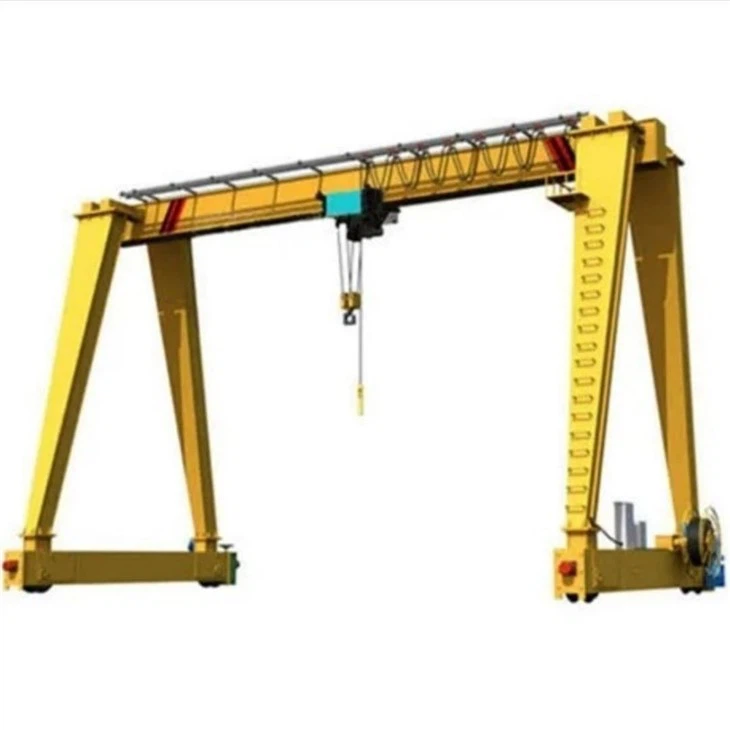
20 Ton Mobile U Beam Double Beam Gantry Crane
20 Ton Mobile U Beam Double Beam Gantry Crane
Products Description
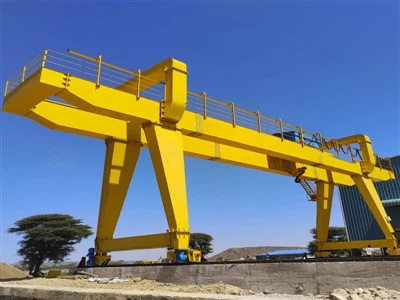
20-Ton Mobile U-Beam Double Beam Gantry Crane – Introduction
A 20-ton mobile U-beam double beam gantry crane is a heavy-duty lifting solution designed to efficiently handle large and heavy materials, particularly U-shaped concrete beams, steel components, and other structural elements. This crane combines the advantages of mobility, strength, and flexibility, making it ideal for both indoor and outdoor applications.
Key Features:
Capacity: 20 tons lifting capacity, suitable for medium to heavy-duty operations.
Double Beam Design: Provides higher strength and stability compared to single-beam models, reducing deflection and improving load distribution.
U-Beam Compatibility: Tailored for handling precast U-shaped concrete beams, widely used in bridge and viaduct construction.
Mobile Design: Equipped with wheels (rubber tires or rails) for easy movement within the job site.
Custom Span & Height: Can be customized to span and lifting height requirements, often between 10-35 meters depending on application.
Lifting Mechanism: Typically utilizes an electric hoist or trolley running on the double girders for precise lifting and positioning.
Power Supply Options: Diesel generator, cable reel, or battery-powered systems for mobile operation.
Control Methods: Remote control, pendant control, or cabin operation.
Applications:
Precast concrete yards (especially for U-beam handling)
Bridge and highway construction sites
Heavy equipment manufacturing
Shipbuilding and marine sectors
Steel structure fabrication
Advantages:
High lifting capacity with stable operation
Efficient handling of large U-beams and other oversized components
Reduced installation cost compared to fixed overhead cranes
Flexible mobility increases site productivity
Core Components PLC, Engine, Bearing, Gearbox, Motor, Pressure vessel, Gear, Pump
Place of Origin Henan, China
Warranty 1 Year
Weight (KG) 30000 kg
Application Precast yard, construction site, warehouse, etc.
Product name 40 ton straddle carrier rubber tired single girder gantry cranes
Crane Type A Type, Single Girder, Double Girder Straddle Carrier
Lifting mechanism Customer Requirements
Control Method Cabin Control+Remote Control
Lifting Capacity 5~1200 Ton
Multiple Steering Modes Go straight, transverse traveling, carousel steering, etc.
Install On-site and online
Motor Famous brand
Work Duty A3~A5
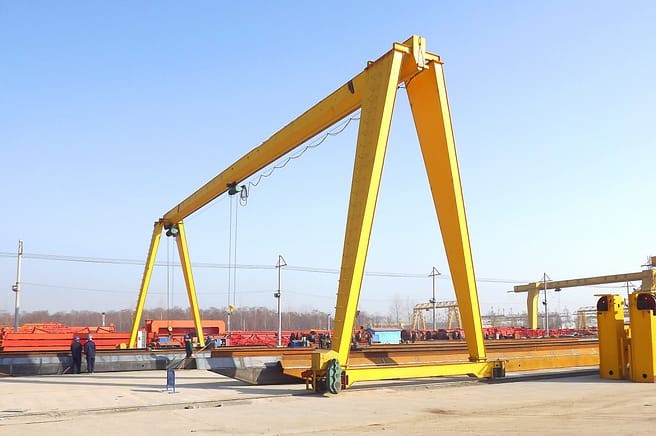
Pictures & Components
Double Main Beams (Girders)
Type: Welded box-type or truss-type double girders.
Function: Provides structural support for the hoist/trolley; spans the width of the crane.
Design Consideration: Engineered for handling U-shaped precast beams with minimal deflection.
Gantry Legs
Type: Rigid A-frame or box-type steel legs.
Function: Connects the main girders to the ground running gear or wheels.
Features: May include a hinge or articulating joint for uneven terrain adaptability.

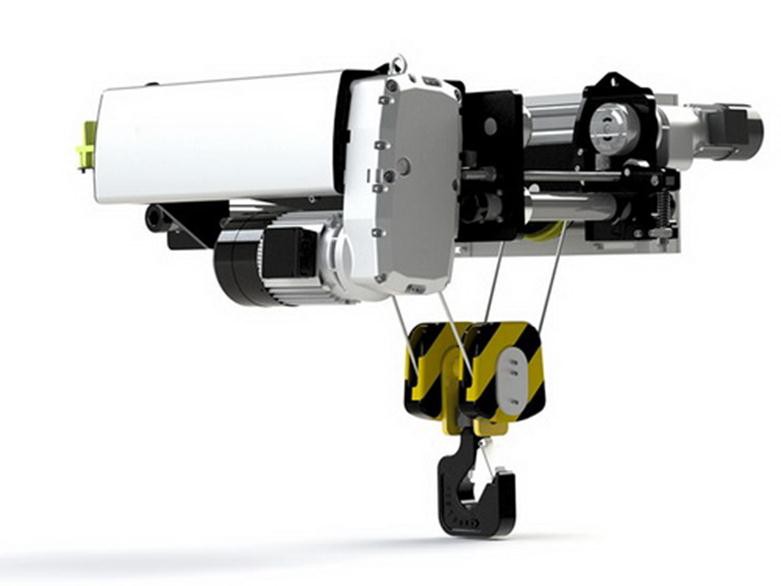
Lifting Mechanism (Hoist or Trolley)
Type: Electric wire rope hoist or trolley mounted on the double girders.
Capacity: Rated for 20 tons.
Function: Performs the vertical lifting/lowering of U-beams.
Optional: Rotating hook or spreader beam for handling long loads.
 |
 |
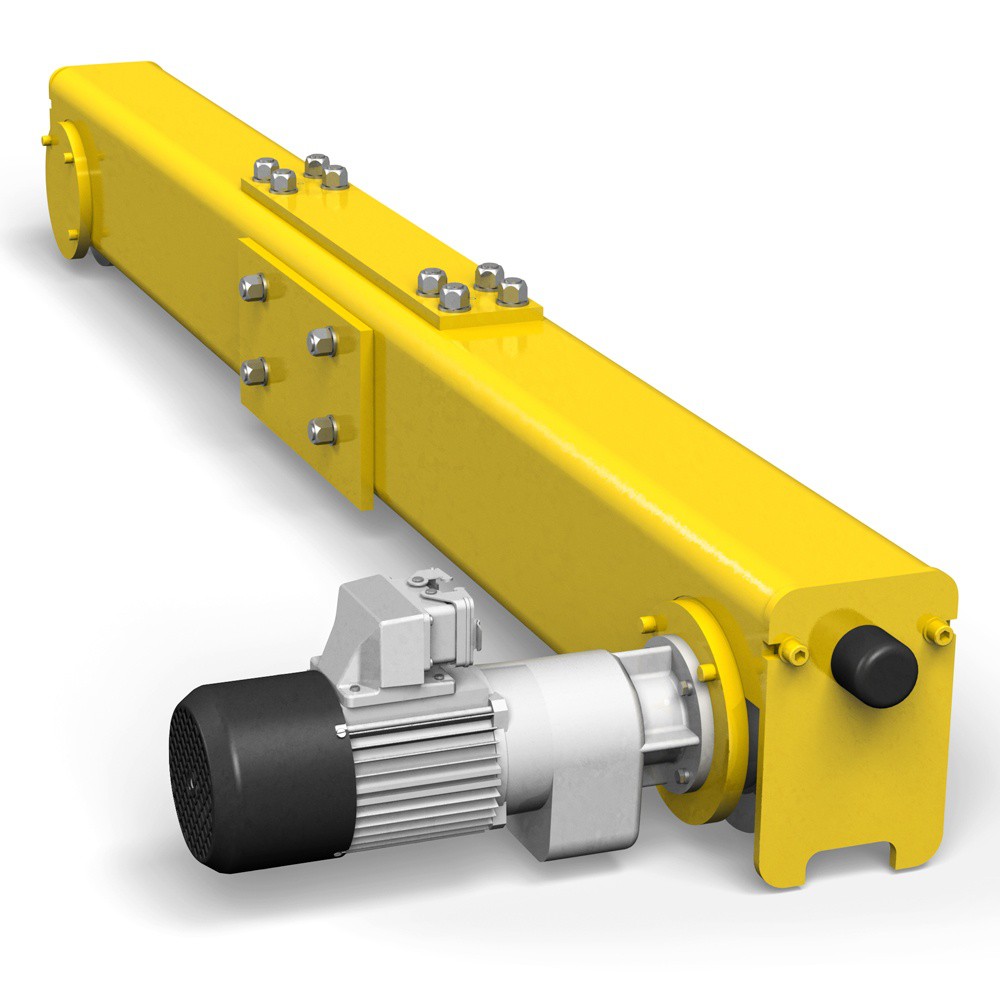
End Carriages
Type: Rigid A-frame or box-type steel legs.
Function: Connects the main girders to the ground running gear or wheels.
Features: May include a hinge or articulating joint for uneven terrain adaptability.
 |
 |
Crane Traveling Mechanism (Drive System)
Type: Motorized wheel assemblies (rubber tires or rail-mounted wheels).
Function: Enables longitudinal movement of the crane across the worksite.
Drive Type: Diesel-powered, electric (cable reel or battery), or hybrid.
Trolley travelling mechanism
1. Trolley Frame:A robust steel structure designed to support the hoist and handle heavy loads. It connects all the components of the trolley mechanism.Wheels:The trolley is equipped with wheels (usually four or more), which run along the flange of the gantry beam or a dedicated track.Wheels are typically made of high-strength steel and can be plain, flanged, or grooved, depending on the rail or beam design.
2. Electric Motor: Powers the trolley's movement. Motors are often equipped with variable frequency drives (VFD) for smooth acceleration and deceleration.Gearbox: Converts the motor's rotational speed into the desired torque and speed for moving the trolley.Couplings and Shafts: Transmit power from the motor to the wheels.
3.Operated via:Pendant Control: A wired controller suspended from the crane.Remote Control: Wireless operation using radio frequency.
Cabin Control: For larger cranes, an operator's cabin may be provided.
4.Braking System:Includes mechanical or electromagnetic brakes to stop and hold the trolley in place.Brakes engage automatically when power is cut or when the trolley is stationary.
Crane wheel
Key Features of Crane Wheels;Material:Typically made from high-strength steel or alloyed materials to withstand heavy loads and resist wear.Common materials include carbon steel, forged steel, or heat-treated steel to enhance durability.
Design:Flat Wheels: Used for flat-topped rails, allowing lateral movement flexibility.Flanged Wheels: Feature a flange on one side to prevent derailment and maintain alignment with the rail.Double-Flanged Wheels: Provide additional safety by keeping the wheel securely on the track, often used in heavy-duty applications.Tread Profile: Designed to distribute the load evenly and reduce wear.
Tread Profile: Designed to distribute the load evenly and reduce wear.Dimensions:Vary depending on the size and capacity of the crane.Key parameters include wheel diameter, tread width, and flange thickness.Mounting:Mounted on axles or shafts, either directly or via bearings.Bearings reduce friction and enable smooth rotation.

Crane Hook
Key Features of Crane Hooks Material:Typically made from high-strength materials such as forged steel or alloy steel.Designed to withstand heavy loads, impact forces, and harsh working conditions
Design:Single Hook: A simple, straight design used for general lifting tasks.Double Hook: Features two prongs, used for balancing heavier loads and reducing stress on each hook.Rotating Hook: Allows 360-degree rotation for precise load positioning.Safety Latch: Most crane hooks include a latch to prevent the load from slipping off the hook.
Load Capacity:Varies widely depending on the crane's design and application.Clearly marked on the hook for operator safety.
Hook Shapes:C-Hook: Used for handling coils and cylindrical loads.Eye Hook: Features a circular eye for secure attachment to the hoist or chain.Clevis Hook: Includes a U-shaped clevis and pin for quick attachment.

Motor
Key Features of Crane Motors Motor Types:Squirrel Cage Induction Motors:Commonly used for their durability and low maintenance.Suitable for applications requiring constant speed.Slip Ring Induction Motors:Used where variable speed is needed, such as in hoisting mechanisms.Servo Motors:Provide precise control, often used in advanced cranes.Brake Motors:Include built-in braking systems for immediate stopping.
Power Rating:Ranges from a few kilowatts for small cranes to hundreds of kilowatts for heavy-duty industrial cranes.The rating depends on the crane's lifting capacity and operational requirements.
Design:Duty Cycle: Designed for intermittent or continuous operation, depending on the application.Insulation: High-grade insulation to withstand harsh industrial environments.Cooling: Equipped with cooling systems (fan-cooled or liquid-cooled) to prevent overheating.
Control Features:Motors often work with Variable Frequency Drives (VFD) or motor controllers for:Speed control.Smooth acceleration and deceleration.Reduced power consumption.


Sound and light alarm system & limit switch
Key Features of the Alarm System,Audible Alarm (Sound)Emits a loud, distinct sound, such as a siren or buzzer, to alert workers.Typically activated during crane operation, load movement, or in emergencies.Sound level: Adjusted to ensure audibility over background noise.Visual Alarm (Light);High-intensity flashing or rotating lights (commonly red or yellow) provide a visual warning.Helps alert personnel in noisy environments or when hearing protection is used.
Control Integration;Activated automatically during specific operations (e.g., hoisting, traveling) or manually by the operator.Often integrated with other safety systems like anti-collision sensors.Functions of the Alarm System Movement Alerts: Warn workers when the crane or load is in motion.Collision Prevention: Signal potential obstructions or proximity to other equipment.
Emergency Indication: Highlight faults, overload conditions, or other emergencies.Maintenance Tips Regularly test sound levels and light visibility.Replace worn-out bulbs, LED, or speakers.Ensure proper wiring and connection to the control system.

Safety Devices
Safety Devices in Stationary Gantry Cranes,Safety devices in stationary gantry cranes are essential for protecting workers, equipment, and materials during operation. They help prevent accidents, ensure smooth crane operations, and comply with workplace safety regulations.
used in stationary gantry cranes: Overload Protection Device Function: Prevents the crane from lifting loads exceeding its rated capacity.
Mechanism:Equipped with load cells or strain gauges to measure the load weight.Automatically interrupts the hoist operation if the load exceeds the limit.Importance: Protects the crane structure and prevents accidents caused by overloading.
Anti-Collision Devices,Function: Detects proximity to other cranes, structures, or obstacles.Mechanism:Uses sensors like ultrasonic, infrared, or radar to detect objects.Triggers alarms or stops crane movement to prevent collisions.Importance: Reduces the risk of accidents and equipment damage in multi-crane environments.
Emergency Stop System,Function: Allows operators to immediately halt all crane operations in emergencies.Mechanism:Operated via buttons located on the control panel, remote control, or at accessible positions.Disconnects power to critical systems.Importance: Provides quick response capability during emergencies, minimizing risks.
Anti-Sway System,Function: Minimizes load swaying during lifting and movement.Mechanism:Employs advanced control systems to counteract pendulum effects.Uses sensors and software to adjust motor speeds dynamically.Importance: Enhances precision and safety during load handling.
11.Control Mode
1. Types of Control Modes for Stationary Gantry Cranes,Pendant Control;Description: The operator uses a wired or wireless pendant control unit to operate the crane from a safe distance.Components: A handheld device with buttons or joysticks for controlling movement and functions.
2. Cabin Control;Description: The operator is stationed in a control cabin that is mounted on the crane or nearby the crane's operating path.Components: Equipped with buttons, joysticks, pedals, and sometimes touchscreens for controlling crane functions.
3. Remote Control;Description: Uses a wireless remote control device, which can be handheld or worn on the operator's body.Components: A compact device with buttons or joysticks, similar to a pendant control but without a cable.
4.Automatic Control (Automated Control);Description: The crane operates according to pre-programmed commands and sequences without operator intervention.Components: Includes sensors, programmable logic controllers (PLC), and control software that manage the crane's functions.

Sketch

Main technical

Advantages
Advantages of a 20-Ton Mobile U-Beam Double Beam Gantry Crane
High Lifting Capacity & Stability
The double beam design allows for safe and efficient handling of heavy loads (up to 20 tons) with excellent load distribution and minimal deflection.
Optimized for U-Beam Handling
Specifically engineered for lifting and transporting precast U-shaped concrete beams, widely used in bridge and highway construction.
Mobility & Flexibility
Mounted on wheels or rails, the crane can be moved easily across construction sites or yards, eliminating the need for multiple fixed lifting points.
Cost-Effective Infrastructure
Unlike overhead cranes, gantry cranes don't require permanent building structures like runway beams or columns, reducing installation and foundation costs.
Customizable Span & Height
Can be designed to fit project-specific dimensions, including large spans and lifting heights, making it suitable for oversized and awkwardly shaped components.
Adaptability to Harsh Environments
Suitable for outdoor use with weatherproofing and dust protection options; durable even under heavy-duty industrial or construction conditions.
Multi-Directional Operation
Capable of longitudinal travel, lateral trolley movement, and vertical lifting, enabling precise positioning and handling of materials.
Improved Efficiency & Productivity
Reduces labor intensity and material handling time, especially in precast yards and bridge projects, speeding up construction progress.
Remote or Cabin Operation for Safety
Optional remote control or operator cabin provides safe and ergonomic operation with a clear line of sight.
Easy Maintenance
Standard components and modular design make it easier to inspect, service, and replace parts, minimizing downtime.
Application
Applications of a 20-Ton Mobile U-Beam Double Beam Gantry Crane
A 20-ton mobile U-beam double beam gantry crane is specifically designed for heavy-duty and precision material handling. Its mobility, high lifting capacity, and adaptability make it suitable for a wide range of industries and project environments, especially those involving precast concrete and infrastructure construction.
1. Precast Concrete Yards
Primary Use: Lifting, transporting, and positioning U-shaped precast concrete beams, I-beams, box girders, and slabs.
Benefit: Increases production and handling efficiency in precast manufacturing environments.
2. Bridge and Highway Construction
Primary Use: Transporting and placing large U-beams for bridge decks and elevated roadway segments.
Benefit: Mobile design allows the crane to move along the project site without requiring fixed infrastructure.
3. Railway and Metro Viaduct Projects
Primary Use: Installing U-girders and deck components on elevated rail structures.
Benefit: Can operate in tight spaces and adjust to the linear nature of railway construction.
4. Shipyards and Port Operations
Primary Use: Handling large structural parts like ship components or steel beams.
Benefit: Heavy-duty capacity and open outdoor compatibility.
5. Industrial Manufacturing Plants
Primary Use: Moving large machinery parts, molds, or steel structures.
Benefit: Ideal for production environments with variable lifting needs and minimal space for overhead cranes.
6. Infrastructure Component Storage Yards
Primary Use: Organizing and relocating stored beams or other heavy structural components.
Benefit: Offers flexibility and control over yard logistics without permanent crane infrastructure.
7. Large-Scale Construction Sites
Primary Use: Handling prefabricated materials and supporting modular construction.
Benefit: Enhances site logistics and reduces the need for additional lifting machinery.
Crane production procedure
1. Design stage: Determine the parameters of the crane, such as rated load, span and lifting height, according to the customer's needs and working environment. Carry out detailed structural design, including main beam, end beam, crane, lifting mechanism, etc., to ensure that the design meets safety standards and usage requirements. Select appropriate materials according to the design, usually high-strength steel to ensure the stability and durability of the structure.
2. Manufacturing stage: Prepare the required raw materials and parts according to the design drawings. Cut, bend and shape the steel to prepare structural components such as main beams and end beams. Weld the various components and assemble them into an overall structure. This step requires guaranteed welding quality to ensure strength and stability.
3. Machining: Machining key components such as motors, gears, bearings, etc. to ensure that their size and accuracy meet the requirements. Anti-corrosion treatment of components, such as painting and galvanizing, increases the durability and aesthetics of the equipment.
4. Electrical system installation: Install electrical components such as motors, controllers, switches, sensors and alarm systems. Connect and wire cables to ensure the normal operation of the electrical system.
5. Assembly phase: Assemble all components and systems as a whole, connect the lifting mechanism, trolley running mechanism and control system. Perform a comprehensive inspection of the assembled crane to ensure that all components and systems are working properly, and perform preliminary debugging.
6. Testing phase: Perform static load test on the crane to check the structural strength and stability. Perform dynamic test on the crane, including tests on lifting, moving, braking and other functions, to ensure that its performance meets the design requirements. Check the functions of safety devices, such as limit switches, overload protection, etc., to ensure the safety of the equipment during operation.
7. Quality control: Perform quality control on each link in the production process to ensure compliance with industry standards and customer requirements. Record various data and inspection results in the production process for subsequent traceability and analysis.
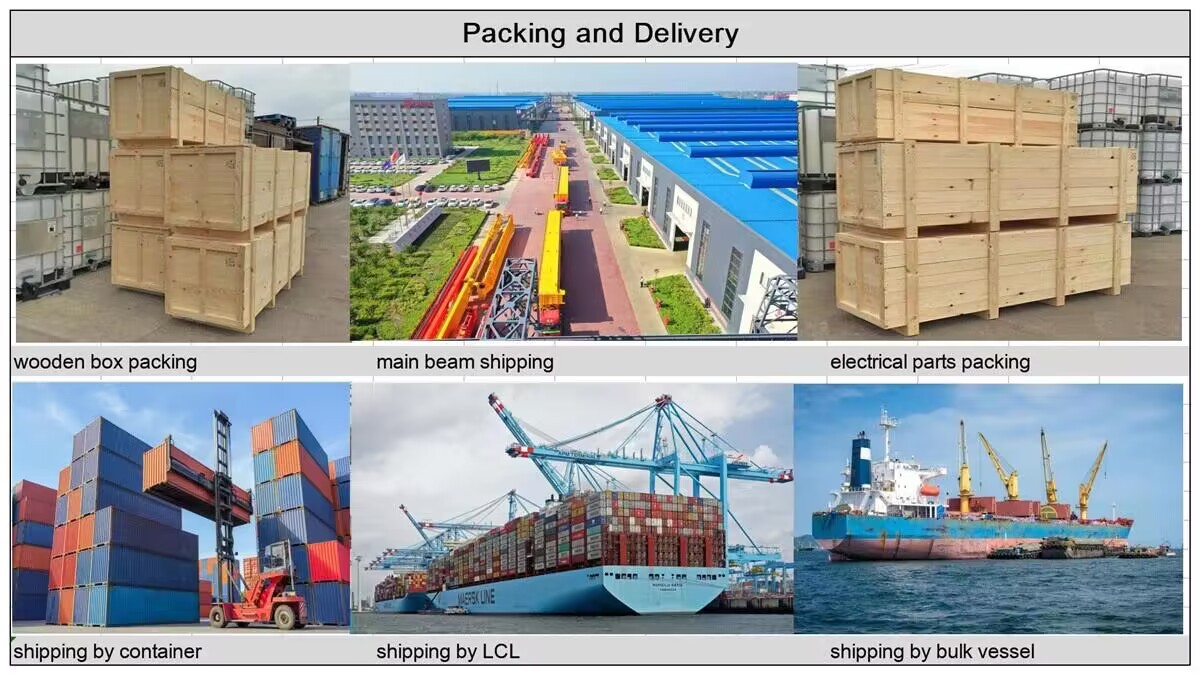
8. Delivery and installation: Pack and prepare the completed crane for transportation to ensure that it is not damaged during transportation. Deliver the crane to the customer's site for installation, and perform on-site debugging and acceptance. Provide operation training to customers to ensure that they are proficient in the use and maintenance of the crane.

Workshop view:
The company has installed an intelligent equipment management platform, and has installed 310 sets (sets) of handling and welding robots. After the completion of the plan, there will be more than 500 sets (sets), and the equipment networking rate will reach 95%. 32 welding lines have been put into use, 50 are planned to be installed, and the automation rate of the entire product line has reached 85%.


Hot Tags: 20 ton mobile u beam double beam gantry crane, China 20 ton mobile u beam double beam gantry crane manufacturers, suppliers, factory
You Might Also Like



Send Inquiry