








Bridge Erection Crane
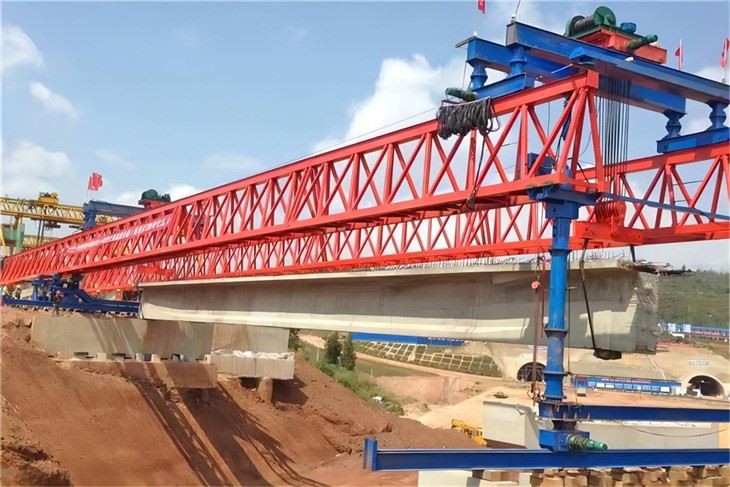
A bridge erection crane is a specialized type of crane designed for the construction and assembly of bridges. These cranes play a crucial role in the infrastructure development process, facilitating the efficient and safe installation of bridge components. Here is a general overview of a typical bridge erection crane and its key features:

Key Features
- High Lifting Capacity: Bridge erection cranes are engineered to have a high lifting capacity to handle the heavy components involved in bridge construction, such as girders, segments, and other structural elements.
- Versatility: Bridge erection cranes are versatile machines that can be adapted for various bridge types and construction methods. They are used for both highway and railway bridge projects.
- Self-Propelled or Crawler-Mounted: Depending on the specific requirements of the construction site, bridge erection cranes may be self-propelled or mounted on crawler tracks. This allows them to navigate challenging terrain and position themselves accurately during construction.
- Advanced Control Systems: Modern bridge erection cranes are equipped with advanced control systems, including computerized controls and automation features. These systems enhance precision during lifting and placement operations.
- Safety Features: Safety is a top priority in bridge construction. These cranes are equipped with safety features such as load monitoring systems, anti-collision devices, and emergency stop mechanisms to ensure the well-being of workers and prevent accidents.
- Ease of Assembly and Disassembly: Bridge erection cranes are designed for easy assembly and disassembly, allowing for efficient transport between construction sites. Quick setup and breakdown times contribute to overall project efficiency.
- Telescopic Boom: Many bridge erection cranes feature a telescopic boom that can be extended or retracted based on the specific requirements of the construction task. This adds flexibility to the crane's capabilities.
- Remote Control Operation: Some models may offer remote control operation, allowing operators to have a better vantage point for precise control during the lifting and placement of bridge components.
- Environmental Considerations: Bridge erection cranes are designed to meet environmental standards, with features such as reduced emissions and noise levels, contributing to sustainable construction practices.

Parts & Components
A bridge erection crane is a complex piece of machinery, and it consists of various parts and components that work together to enable the crane to perform its specialized functions in the construction of bridges. Here are some key parts and components typically found in a bridge erection crane:
- Main Frame: The main frame forms the structural backbone of the crane and supports the various components, including the boom, counterweights, and the operator's cabin.
- Boom: The boom is a long, horizontal or inclined structure that extends from the main frame. It provides the necessary reach for lifting and placing bridge components. Booms can be telescopic, allowing for extension and retraction.
- Counterweights: Counterweights are strategically placed on the crane to balance the load being lifted and prevent the crane from tipping over. The configuration and amount of counterweights depend on the crane's lifting capacity and the specific requirements of the construction project.
- Hoisting Mechanism: The hoisting mechanism is responsible for lifting and lowering loads. It typically consists of a winch system with a drum, wire ropes, and a hook or other lifting attachment.
- Trolley: The trolley is a movable mechanism that runs along the length of the boom. It carries the hook or lifting attachment, allowing for lateral movement of the load.
- Controls and Instrumentation: Modern bridge erection cranes are equipped with sophisticated control systems. These may include joysticks, touchscreens, and other input devices for the operator to control the crane's movements, as well as instrumentation for monitoring load weight, boom angle, and other parameters.
- Lifting Attachments: Various lifting attachments, such as hooks, slings, or specialized devices, are used to secure and lift different types of bridge components.
- Safety Features: Safety components such as anti-collision devices, load monitoring systems, emergency stop systems, and alarms are integrated to ensure safe crane operations.
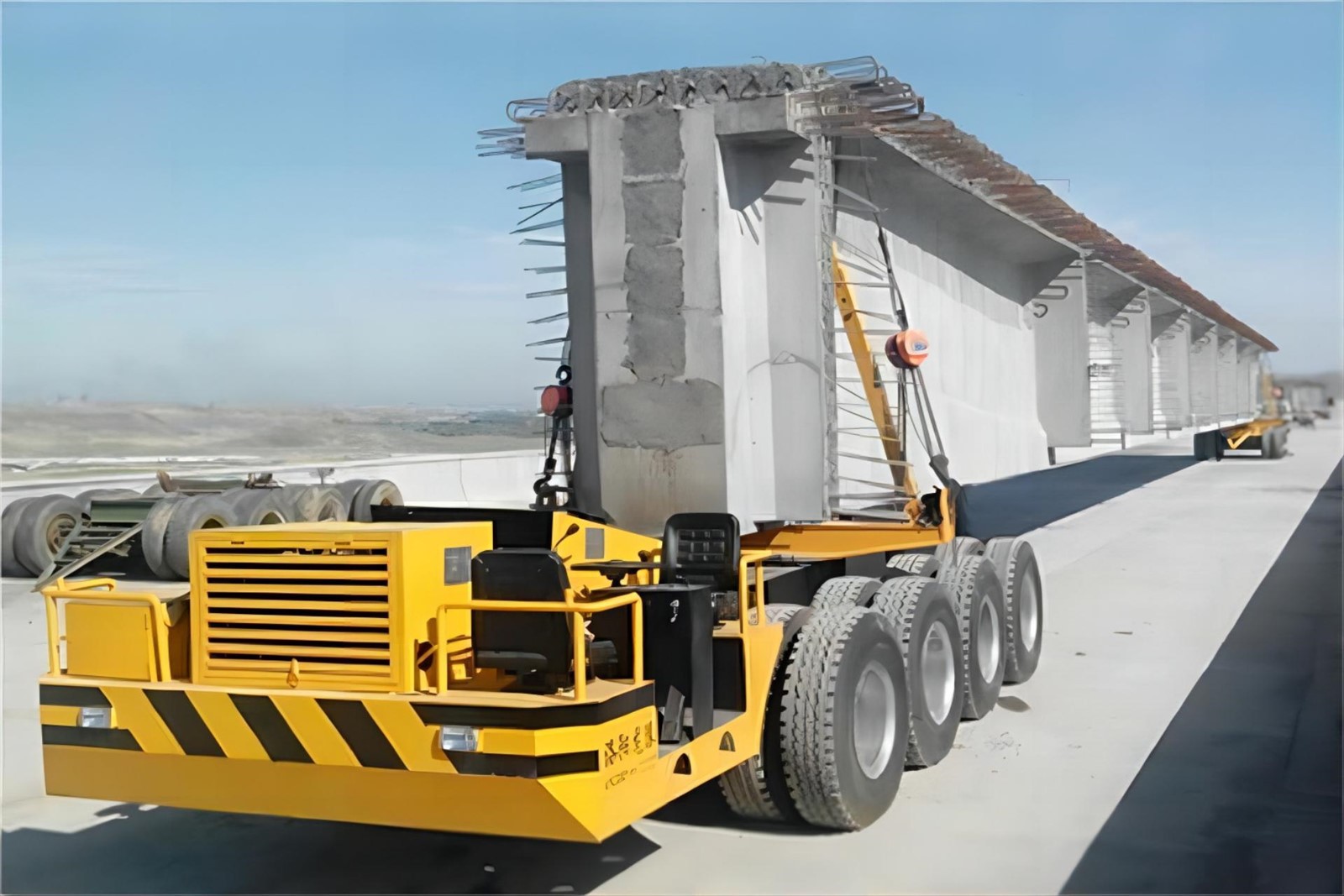
Product Parameter

Sketch


Advantages
Bridge erection cranes offer several advantages that contribute to the efficiency, safety, and success of bridge construction projects. Here are some key advantages associated with the use of bridge erection cranes:
- High Lifting Capacity: Bridge erection cranes are designed to handle heavy loads, making them well-suited for lifting and placing large bridge components, such as girders and segments.
- Versatility: These cranes are versatile and can be adapted to various bridge types and construction methods, including highway and railway bridges. Their adaptability makes them suitable for a range of infrastructure projects.
- Efficient Assembly and Disassembly: Bridge erection cranes are designed for easy assembly and disassembly, facilitating quick setup at the construction site and efficient transportation between different project locations.
- Mobility on Challenging Terrain: Depending on the design, bridge erection cranes may be mounted on crawler tracks or equipped with wheels, allowing them to navigate and operate on challenging terrains, such as uneven or soft ground.
- Precision and Control: Advanced control systems and instrumentation provide precise control over the crane's movements, allowing for accurate placement of bridge components. This is crucial for ensuring the structural integrity of the bridge.
- Time and Cost Savings: The efficiency of bridge erection cranes in lifting and placing components contributes to time and cost savings in the overall construction process. Quick assembly and disassembly times also contribute to project efficiency.
- Safety Features: Bridge erection cranes are equipped with various safety features, including load monitoring systems, anti-collision devices, and emergency stop mechanisms. These features enhance overall safety for both operators and other construction personnel.
- Adaptability to Different Bridge Designs: The versatility of bridge erection cranes allows them to adapt to different bridge designs, whether it involves straight spans, curved sections, or complex geometries. This adaptability is essential for handling diverse construction challenges.
- Remote Control Operation: Some models of bridge erection cranes offer remote control operation, providing operators with a safe distance and a better vantage point for overseeing lifting and placement operations.
- Environmentally Friendly Features: Modern bridge erection cranes often incorporate features that reduce environmental impact, such as lower emissions and noise levels, aligning with sustainable construction practices.
- Retrofitting and Maintenance Capabilities: Bridge erection cranes can be used for retrofitting and maintenance activities on existing bridges, contributing to the longevity and safety of infrastructure.

Application
Bridge erection cranes are specialized machines designed for the assembly and construction of bridges. They play a crucial role in the infrastructure development process, providing efficient and precise lifting capabilities. Here are some key applications of bridge erection cranes:
- Bridge Construction: The primary and most common application of bridge erection cranes is in the construction of bridges. These cranes are used to lift and place heavy components such as girders, segments, and other structural elements into position during the construction of highway and railway bridges.
- Highway Projects: Bridge erection cranes are frequently employed in highway projects to construct overpasses, interchanges, and other elevated structures. They can handle the lifting and placement of large and heavy components with the precision required for highway infrastructure.
- Railway Projects: In railway construction, bridge erection cranes are used to assemble bridges and viaducts that span railway tracks. These cranes are capable of handling the specific requirements of railway bridge construction.
- Urban Infrastructure Development: As cities expand and develop, the need for efficient transportation infrastructure grows. Bridge erection cranes are utilized in urban areas to construct bridges and overpasses, enhancing connectivity and reducing traffic congestion.
- Water Crossing Construction: When bridges need to be constructed over bodies of water, bridge erection cranes are essential. They can handle the challenges associated with constructing bridges over rivers, lakes, or other waterways.
- Retrofitting and Maintenance: Bridge erection cranes are used for retrofitting and maintenance activities on existing bridges. They can be employed to replace or repair components, ensuring the longevity and safety of the infrastructure.
- Complex Bridge Designs: Some bridges feature complex designs, including curved spans, multiple levels, or intricate geometries. Bridge erection cranes are adaptable and can handle the challenges associated with the assembly of such complex structures.
- Emergency Bridge Repair: In the event of bridge damage or failure, bridge erection cranes can be mobilized for emergency repair and reconstruction efforts. Their quick setup and lifting capabilities are valuable in urgent situations.
- Transportation Corridor Projects: Bridge erection cranes are utilized in large-scale transportation corridor projects, where the construction of bridges is a critical component. This includes projects that involve the development of highways, railways, and other major transportation routes.
- Industrial Applications: In some cases, bridge erection cranes are used for industrial applications beyond bridge construction. They may be employed in large-scale construction projects where heavy lifting and precise placement of components are required.
- Multi-Modal Transport Hubs: In the construction of multi-modal transport hubs, such as airports or intermodal terminals, bridge erection cranes can be used to construct elevated walkways and connectors.
- Sustainable Construction Projects: As sustainability becomes a key consideration in construction, bridge erection cranes with environmentally friendly features contribute to sustainable practices in the industry.

Production Procedure
The production procedure of bridge erection cranes involves several stages, from design and engineering to manufacturing, assembly, and testing. Here's a general overview of the production process for bridge erection cranes:
- Design and Engineering: The production process begins with the design and engineering phase. Engineers and designers create detailed plans for the bridge erection crane, considering factors such as lifting capacity, reach, mobility, and safety features. Computer-aided design (CAD) software is often used to model the crane's structure and components.
- Material Selection and Procurement: Once the design is finalized, the next step is to select the materials needed for construction. Common materials include high-strength steel for the frame and components, as well as various alloys for critical parts. The manufacturer then procures the necessary materials from suppliers.
- Fabrication of Components: The fabrication process involves cutting, bending, and shaping the raw materials into the components specified in the design. Welding is a crucial aspect of this stage, as it is used to join the fabricated parts to create the main frame, boom, jib, and other structural elements of the crane.
- Machining and Precision Work: Some components, such as gears, bearings, and other critical parts, require precision machining. CNC (Computer Numerical Control) machines are often used to ensure accurate and consistent dimensions for these parts.
- Assembly of Major Components: The major components, including the main frame, boom, jib, and other critical elements, are assembled according to the design specifications. This phase may involve the use of heavy-duty cranes and other specialized equipment to position and join the components.
- Installation of Hydraulic Systems: Bridge erection cranes typically rely on hydraulic systems for various functions, such as extending and retracting the boom, lifting and lowering loads, and controlling the crane's movements. The hydraulic systems are installed and integrated into the crane during this stage.
- Electrical System Installation: The crane's electrical systems, including control panels, sensors, and safety features, are installed and wired during this phase. Modern bridge erection cranes often feature advanced control systems for precise operation.
- Testing and Quality Assurance: Before the crane is ready for delivery, it undergoes rigorous testing to ensure all components function correctly and meet safety standards. Load tests, operational tests, and safety system checks are conducted to validate the crane's performance.
- Painting and Finishing: Once all testing is complete, the crane undergoes a finishing process, which includes cleaning, painting, and applying protective coatings to enhance durability and resistance to environmental factors.
- Final Assembly and Inspection: The fully assembled crane undergoes a final inspection to verify that all components are correctly installed, and the crane meets the required specifications and safety standards.
- Documentation and Certification: The manufacturer provides documentation, including user manuals, maintenance guidelines, and certification documents, ensuring that the crane complies with relevant industry standards and regulations.
- Shipping and Delivery: The completed bridge erection crane is prepared for shipping to the construction site or to the customer's location. Proper packaging and transportation methods are employed to ensure the crane reaches its destination in optimal condition.

Workshop View
Henan Mine Crane Co., Ltd has implemented a smart equipment management platform and deployed 310 sets of handling and welding robots. Upon the fulfillment of the initiative, the total number of sets will exceed 500, achieving a 95% equipment networking rate. Currently, 32 welding lines are operational, with plans to install an additional 50. The overall automation rate for the entire product line has already reached 85%.


Hot Tags: bridge erection crane, China bridge erection crane manufacturers, suppliers, factory
Previous
Precast Beam TransporterYou Might Also Like


Send Inquiry