










Ladle Foundry and Casting Steel Mill Overhead Crane
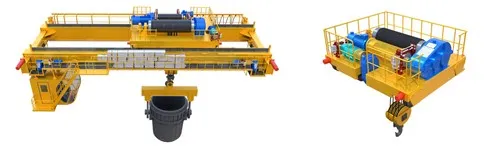
The Ladle Foundry and Casting Steel Mill Overhead Crane is available in different configurations, including single-girder or double-girder designs, with different lifting capacities, span lengths, lifting heights, and speeds. The crane uses a specialized ladle or tongs to lift and pour molten steel and hot metal from the furnace, ensuring safe and efficient operation. Some of the most common applications for this crane include steel production, steel foundries, metal casting, and heavy manufacturing.
The Ladle Foundry and Casting Steel Mill Overhead Crane is an essential machine in the steel manufacturing process, helping to ensure the safe and efficient handling of molten metal and other heavy materials.
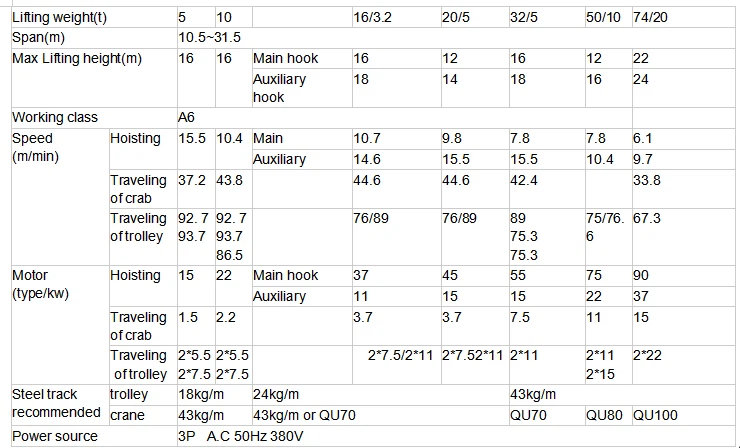
- Capacity: 5-500ton
- Span length: 4-35m
- Lifting height: 3-50m
- Work duty: A4, A5, A6,A7
- Raged voltage: 220V~690V, 50-60Hz, 3ph AC
- Work environment temperature: -25℃~+50℃, relative humidity ≤85%
- Crane control mode: Floor control / Remote control / Cabin room

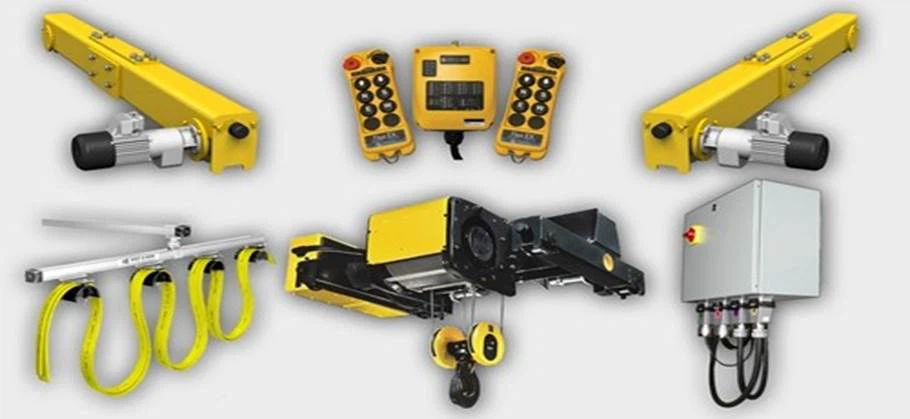
Pictures & Components
1. Whole set crane
1) The Ladle Foundry and Casting Steel Mill Overhead Crane is a heavy-duty lifting machine designed for use in the steel manufacturing industry. The crane is used for lifting and transporting molten metal from the furnace to the casting area, and for moving large steel molds and other heavy equipment.
2) This type of crane typically has a capacity of up to 500 tons and is equipped with multiple hoists and trolleys, allowing for precise and efficient lifting and transport of heavy loads. The crane is also designed with safety features, such as overload protection and emergency stop buttons.

2. Main girder
1) A ladle foundry and casting steel mill overhead crane main girder is a crucial component of a crane used in steel mills and foundries. The main girder is the long horizontal beam that spans the distance between the crane's supporting structures and carries the weight of the entire crane system.
2) In a steel mill or foundry setting, the main girder of an overhead crane is typically designed to handle heavy loads, such as molten steel or large ladles of liquid metal. The girder is usually made from high-strength steel and may be supported by multiple hoisting mechanisms.
3) The ladle foundry and casting steel mill overhead crane main girder is designed to withstand the extreme temperatures and heavy loads found in steel mills and foundries. To ensure optimal performance, the main girder must be inspected regularly for signs of wear and damage, and any problems should be promptly addressed to prevent failure or accidents.
4) Overall, the main girder plays a critical role in the safe and efficient operation of overhead cranes used in ladle foundries and casting steel mills. By choosing a high-quality, durable main girder, these facilities can ensure the longevity and reliability of their crane systems.

3. Lifting System
1) A ladle foundry and casting steel mill overhead crane lifting system is an essential component of the foundry and steel mill industry. This type of crane is designed to lift and transport heavy loads, such as molten steel and iron, ladles, ingots, and other materials used in the production process.
2) The crane lifting system is typically mounted on an overhead bridge, which spans the distance between two tracks or rails. The bridge is supported by one or more end trucks, which allow the crane to move along the tracks or rails.
3) The lifter mechanism of the crane is designed to safely lift and transport heavy loads. It consists of a hoist or lifting mechanism, cables, pulleys, and a trolley. The hoist is powered by a motor and is used to raise and lower the load. The cables are connected to the hoist and are used to support the load. The pulleys help to guide the cables, while the trolley enables the load to be moved from one location to another.
4) The ladle foundry and casting steel mill overhead crane lifting system is typically operated by a skilled crane operator who uses a remote control to maneuver the crane. The operator has a clear view of the load and the surrounding area, which enables them to safely move the load.
5) Overall, the ladle foundry and casting steel mill overhead crane lifting system is an important and essential piece of equipment in the foundry and steel mill industry. It provides a safe and efficient way to move heavy loads, which helps to increase productivity and maximize profits for companies in the industry.

4. End Carriages
1) End carriages are an important component of an overhead crane system as they support the bridge and hoist trolley. In the case of a Ladle Foundry and Casting Steel Mill Overhead Crane, end carriages are responsible for transporting the ladle carrying molten steel from one location to another.
2) The Ladle Foundry and Casting Steel Mill Overhead Crane is typically used in steel manufacturing plants where molten steel is poured into molds to create products. The crane's end carriages are designed to withstand high heat and heavy loads, making them an essential component of the overhead crane.
3) End carriages in a Ladle Foundry and Casting Steel Mill Overhead Crane are usually made of high-strength steel that can withstand the extreme temperatures and weight of the molten steel. They are typically mounted on a rigid frame or beam that can support the bridge and hoist trolley. The end carriages are equipped with wheels that run along the crane's runway, allowing the crane to move along the production line.
4) The design of the end carriages is critical to the overall performance of the overhead crane. They must be able to withstand the load and stress placed upon them during operation, as well as provide precision movement when transporting the molten steel. The end carriages must also be durable and reliable, able to perform day in and day out without failure or malfunction, which can delay production and result in costly downtime.
5) Overall, the end carriages of a Ladle Foundry and Casting Steel Mill Overhead Crane are essential for the safe and efficient transportation of molten steel, ensuring that production runs smoothly and products are produced to the highest quality standard.
5. Crane traveling mechanism
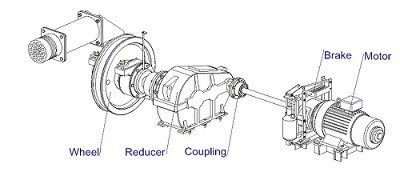
1) The Ladle Foundry and Casting Steel Mill Overhead Crane is a heavy-duty crane designed for the lifting and moving of large, heavy loads in a steel mill or foundry. The traveling mechanism of the crane is the component responsible for moving the crane along the length of the steel mill or foundry, allowing it to access various areas of the production line.
2) The traveling mechanism of the crane typically consists of a series of wheels or rollers that are mounted on runways, which are usually elevated above the ground or factory floor. The crane itself is suspended from a trolley, which is attached to the wheels or rollers of the traveling mechanism, allowing it to move back and forth along the length of the runways.
3) The speed at which the traveling mechanism moves can be controlled using a variety of methods, including electric motors, hydraulic systems, or manual controls. The speed and precision of the traveling mechanism are critical in ensuring that the crane can access the necessary areas of the production line and move loads safely and efficiently.
4) Overall, the traveling mechanism of the Ladle Foundry and Casting Steel Mill Overhead Crane is a critical component that enables the crane to efficiently move heavy loads throughout the steel mill or foundry, helping to ensure the efficient and safe operation of the production line.
6. Trolley traversing mechanism
1) The ladle foundry and casting steel mill overhead crane trolley traversing mechanism is an essential component of an overhead crane. This mechanism enables the crane trolley to move along the crane bridge in a linear motion, thereby allowing the crane to reach different areas of the factory floor.
2) The trolley traversing mechanism usually consists of a set of wheels that are attached to the bottom of the trolley. These wheels run along tracks that are mounted on the bridge. The mechanism is powered by an electric motor, which drives a gearbox to turn the wheels. The motor is controlled by a pendant or remote control, which enables the operator to move the trolley in any direction.
3) The ladle foundry and casting steel mill overhead crane trolley traversing mechanism is designed to be robust and reliable. It is capable of carrying heavy loads, such as molten steel or a large casting, over long distances. It is also designed to operate in harsh factory environments, where it may be exposed to dirt, dust, and other contaminants.
4) When selecting a trolley traversing mechanism for an overhead crane, it is important to consider factors such as load capacity, duty cycle, operating speed, and control options. By choosing a high-quality mechanism, factories can ensure that their overhead cranes operate safely and efficiently, thereby improving productivity and reducing downtime.
7. Crane wheel
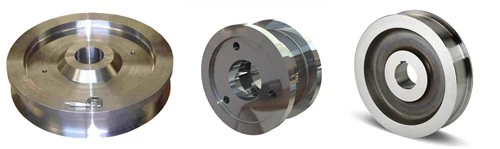
1) A Ladle Foundry and Casting Steel Mill Overhead Crane Wheel is a heavy-duty wheel that is specially designed to support and move the ladle in the foundry or casting steel mill. This type of crane is used to handle molten metal and requires a reliable and durable wheel system to support its operation.
2) The wheel is typically made of high-quality steel and is designed to withstand the heavy loads and continuous use of the crane. It is also engineered to minimize wear and tear and reduce maintenance costs. The wheel bearings are often sealed and lubricated to prevent contamination and ensure smooth operation.
3) The Ladle Foundry and Casting Steel Mill Overhead Crane Wheel is an essential component of the crane system that ensures the safe and efficient transfer of molten metal. It is crucial to the success of the foundry or casting steel mill operation and requires regular maintenance to ensure optimal performance.
Overall, this type of crane wheel is critical to the safe and efficient handling of molten metal in the foundry or casting steel mill environment. It is designed to withstand heavy loads, minimize wear and tear, and ensure smooth operation to support the optimal performance of the crane system.
8. Crane hook
1) A ladle foundry and casting steel mill overhead crane hook is a specialized hook that is used in an overhead crane system in a foundry or steel mill. This type of hook is designed to lift and transport heavy ladles that are used for pouring molten metal or hot metal alloys into molds. The hook is typically made of high-strength steel and is capable of lifting loads that weigh several tons.
2) The ladle foundry and casting steel mill overhead crane hook is different from regular hooks used in other overhead crane systems because it has a special design that allows it to securely grip the ladle. The hook typically has two arms that can be adjusted to fit the shape of the ladle, and a locking mechanism that ensures the ladle is securely attached to the hook during lifting and transport.
3) Operating a ladle foundry and casting steel mill overhead crane hook requires skill and experience, as the weight of the load being lifted can be substantial and the risk of accidents is high. Proper training and safety protocols are crucial to ensure the safe operation of the crane and the hook.

9. Motor
1) Ladle foundry and casting steel mill overhead crane motor is typically a high-capacity electric motor that powers the lifting and moving system of a crane in a steel mill or foundry. This type of motor is designed to provide reliable and efficient operation of the crane, which is used to transport heavy ladles, molds, and castings.
2) The motor used in such cranes typically has a high horsepower rating, ranging from a few hundred to several thousand horsepower, depending on the size and capacity of the crane. It is also designed to withstand the harsh operating conditions of a steel mill or foundry, including high heat, dust, and other contaminants.
3) In addition to providing the lifting power for the crane, the motor may also be responsible for controlling the speed, direction, and braking of the crane. It will typically be connected to a complex control system that allows the operator to safely and efficiently move materials around the mill or foundry.
4) Overall, a high-quality ladle foundry and casting steel mill overhead crane motor is essential for maintaining the productivity and safety of any steel mill or foundry operation.

10. Sound and light alarm system & limit switch
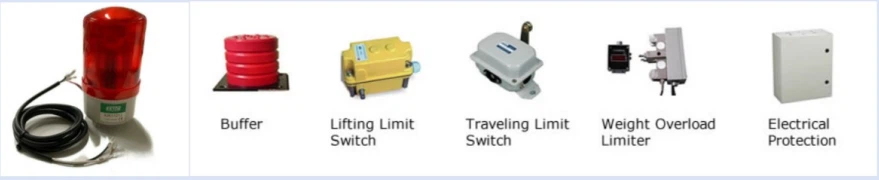
1) A sound and light alarm system with limit switches may be installed in a ladle foundry and casting steel mill overhead crane to provide safeguards for the workers and prevent accidents.
2) The system typically includes a warning horn, flashing light signals, and limit switches that activate the alarms when the operator reaches the crane's lifting capacity or when the crane approaches any hazardous area.
3) Limit switches are installed at the crane's maximum lift and travel points to detect when the crane reaches the limit. When the limit switch is triggered, the alarm system is activated to notify the operator that they have reached the crane's capacity limit or danger zone.
4) The sound and light alarm system with limit switches is an essential safety feature in steel mills and foundries, as it helps prevent crane accidents that can result in injuries and damage to equipment. With this system in place, workers can work safely and efficiently while relying on the alarm system to warn them of any potential danger.
11. Safety Devices
Safety devices are essential for safeguarding the workers and the equipment in a foundry and steel mill environment. For an overhead crane used in these environments, the following safety devices can be installed:
1) Overload protection: This device detects when the crane exceeds its lifting capacity and stops the crane from functioning.
2) Emergency stop button: This button is in a prominent location and stops the crane in case of an emergency such as equipment failure, worker injury, or any other hazard.
3) Limit switches: These switches restrict the crane's movement by indicating the limits of its travel in either direction.
4) Anti-collision system: This system prevents collisions between cranes or with other machines, stacks of materials, pipes, etc.
5) Warning devices: Audible and visual alarms, strobe lights, and horn systems can be installed to warn workers or pedestrians when the crane is operational.
6) Operator protection: Cab enclosures, shields, and barriers protect the operator from potential hazards, such as flying debris and materials.
By installing and maintaining these safety devices, you can help ensure the safe operation of your overhead crane in your foundry or steel mill.
12. Control Mode
The Ladle Foundry and Casting Steel Mill Overhead Crane can have various control modes based on the specific requirements of the application. Some of the common control modes used for such cranes are:
1) Pendant Control - This is the simplest and most common control mode used for overhead cranes. The operator controls the crane's movements by using a handheld pendant that is connected to the crane's electrical control system via a cable.
2) Radio Remote Control - In this control mode, the operator controls the crane's movements using a wireless remote control device, which sends signals to a receiver on the crane. This is useful when the operator needs to move around and have a better view of the loads being handled.
3) Cabin Control - This control mode is used when the operator needs to have a fixed position and a good view of the load being handled. The operator sits in a cabin attached to the crane and controls the crane's movements using a joystick or other control devices.
4) Automation Control - In this control mode, the crane's movements are controlled by a programmable logic controller (PLC). The operator enters the desired parameters for a task, and the PLC executes the task automatically. This is useful for repetitive tasks that require a high degree of precision and accuracy.
5) Overall, the selection of the control mode will depend on the specific requirements of the application, the operator's preferences, and the level of automation and precision required.

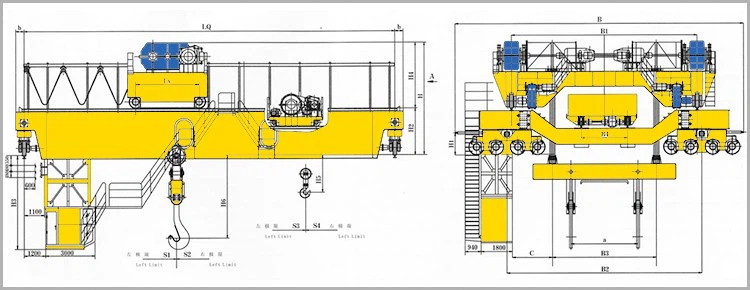
13. Sketch
Main Technical Data
Advantages
1. Increased Safety: The use of an overhead crane in foundries and steel mills reduces the risk of accidents and injuries to workers.
2. Improved Efficiency: The use of an overhead crane enables the handling of heavy loads quickly and efficiently. This leads to reduced production time, increased productivity, and improved profitability.
3. Large Lifting Capacity: Ladle foundries and steel mills use heavy machinery and materials, which require significant lifting capacity. An overhead crane has the capacity to lift heavy loads up to several tons, which is necessary in these industries.
4. Versatility: Overhead cranes can be designed and customized to suit specific needs and requirements of a foundry or steel mill. This makes them versatile and adaptable to different work environments.
5. Increased Durability: Overhead cranes are designed to withstand harsh and demanding operating environments. This means they have a long service life and require minimal maintenance.
6. Better Control: An overhead crane provides operators with better control and visibility during lifting and moving operations. This improves accuracy and reduces the risk of damage or accidents.
7. Cost-Effective: Overhead cranes are cost-effective compared to other types of lifting equipment. They are relatively easy to install and maintain and require less supervision, leading to reduced labor costs.
Application
1. Ladle foundry and casting steel mill overhead crane is primarily used for handling ladles filled with molten metal during the foundry and casting process. This crane is designed to safely and efficiently transport heavy loads of molten steel from one location to another within the steel mill.
2. The crane is typically equipped with a custom-designed ladle hook and gripping mechanism that is capable of securely holding the loaded ladle. The lifting capacity of the crane typically ranges between 10 and 500 tonnes, depending on the specific application and requirements of the steel mill.
3. In addition to transporting loaded ladles, this crane can also be used for other purposes such as transporting molds, raw materials, and finished products. The crane is typically operated by a skilled crane operator who is responsible for ensuring the safe and efficient operation of the crane.
4. Overall, the ladle foundry and casting steel mill overhead crane plays a vital role in the foundry and casting process, helping to improve efficiency and productivity while also ensuring the safety of workers and the quality of the final product.
Crane Production Procedure
The production procedure for Ladle Foundry and Casting Steel Mill Overhead Crane involves the following steps:
1. Planning and Design: The production procedure for Ladle Foundry and Casting Steel Mill Overhead Crane begins with the planning and designing phase. The requirements of the crane are assessed based on the weight of the ladle and casting steel mill, working height, lifting capacity, span, and other necessary specifications.
2. Material Selection: Once the specifications are finalized, the material for the crane structure is selected. High-quality steel grade material is used for the construction of the crane structure to ensure its durability and strength.
3. Fabrication: After the material is selected, the crane structure is fabricated. CNC machines and automated welding equipment are used to create the crane frame, trolley, and other components. The components are then assembled, and the crane is tested for its structural strength and rigidity.
4. Electrical Components: Once the mechanical components of the crane are fabricated, the electrical components are added, such as the motors, controllers, and power cables. The electrical components are designed and engineered to match the specifications of the crane and to ensure that the crane operates smoothly.
5. Testing and Inspection: After the crane is assembled, it undergoes various tests and inspections to ensure that it meets the required standards. Load testing is performed to ensure that the crane can lift the recommended weight, and other tests are carried out to check the crane's stability, alignment, and operational performance.
6. Delivery and Installation: Once the crane passes the tests and inspections, it is ready for shipment to its destination. The crane is transported to its installation site and is installed under the supervision of experienced technicians. The crane is then commissioned, and a final inspection is performed to ensure that it is operating efficiently.
7. Maintenance and Servicing: After the crane is installed, it requires regular maintenance and servicing to ensure that it operates efficiently and safely. Regular inspections are carried out to identify any issues with the crane, and repairs or replacements are done as needed. The crane operator is also trained on the proper use and maintenance of the crane to ensure its longevity.

Workshop View
The company has installed an intelligent equipment management platform, and has installed 310 sets (sets) of handling and welding robots. After the completion of the plan, there will be more than 500 sets (sets), and the equipment networking rate will reach 95%. 32 welding lines have been put into use, 50 are planned to be installed, and the automation rate of the entire product line has reached 85%.


Hot Tags: ladle foundry and casting steel mill overhead crane, China ladle foundry and casting steel mill overhead crane manufacturers, suppliers, factory, Ladle Foundry Bridge Crane, Ladle Foundry and Casting Steel Mill Overhead Crane, Rolling Mill Overhead Crane, Steel Factory Overhead Crane, Casting Steel Overhead Crane, Steel Mill Overhead Cranes
You Might Also Like


Send Inquiry